FEEL IT.STREAM
King Hu

King Hu

Directing

Biography

Hu Jinquan (29 April 1932 – 14 January 1997), better known as King Hu, was a Chinese film director and actor based in Hong Kong and Taiwan. He is best known for directing various wuxia films in the 1960s and 1970s, which brought Hong Kong and Taiwanese cinema to new technical and artistic heights. His films Come Drink with Me (1966), Dragon Inn (1967), and A Touch of Zen (1970–1971) inaugurated a new generation of wuxia films in the late 1960s. Apart from being a film director, Hu was also a screenwriter and set designer.
Known For

Golden Horse Awards
9.0

The Taipei Golden Horse Film Festival and Awards (Chinese: 台北金馬影展; pinyin: Táiběi Jīnmǎ Yǐngzhǎn; Pe̍h-ōe-jī: Tâi-pak Kim-má iáⁿ-tián) is a film festival and awards ceremony held annually in Taiwan. It was founded in 1962 by the Government Information Office of the Republic of China (ROC) in Taiwan. The awards ceremony is usually held in November or December in Taipei, although the event has also been held in other locations in Taiwan in recent times

Golden Horse Awards

1962
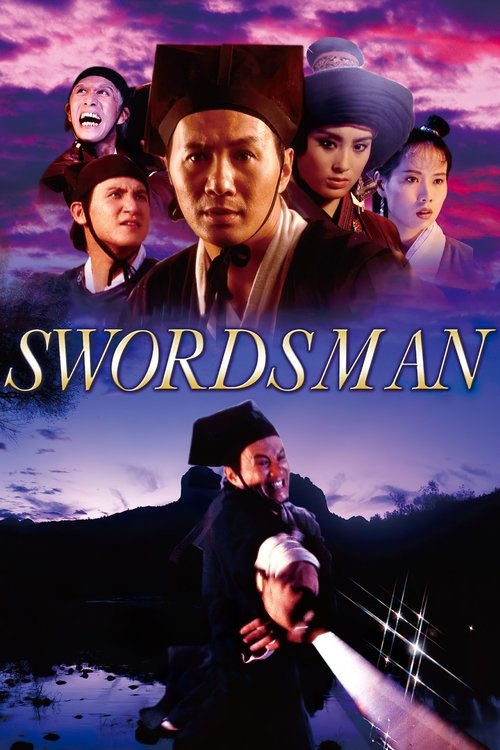
Swordsman
7.0

A kung-fu manual known as the Sacred Scroll is stolen from the Emperor's library. An army detachment is sent to recover it. Meanwhile, a young swordsman and his fellow disciple are accidentally drawn into the chaos.

Swordsman

1990
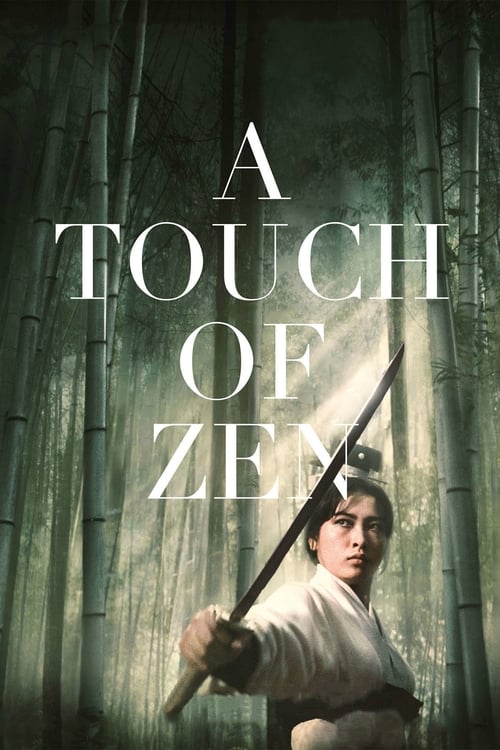
A Touch of Zen
7.6

Yang Hui-zhen, a mysterious princess on the run from corrupt government officials, is joined in her endeavors by skilled Buddhist monks and an unambitious painter named Gu Sheng-zhai.

A Touch of Zen

1970
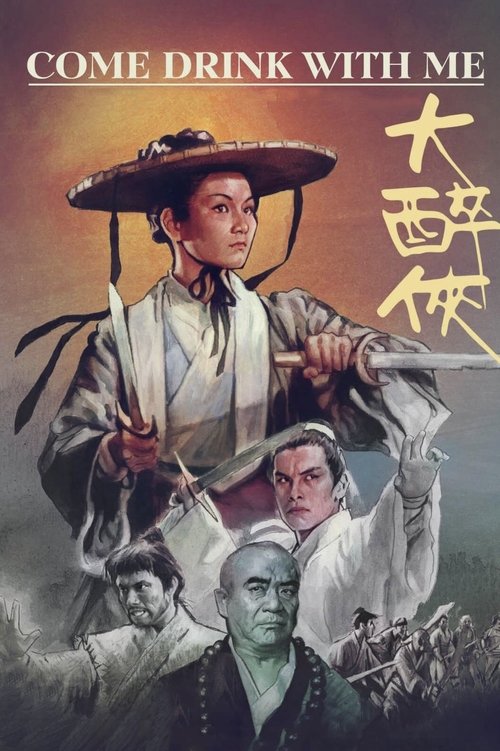
Come Drink with Me
6.7

Golden Sparrow is a fighter-for-hire who has been contracted by the local government to retrieve the governor's kidnapped son. Holding him is a group of rebels who are demanding that their leader be released from prison in return for the captured son. After a brief encounter with the gang at a local restaurant, Golden Sparrow is joined by an inebriated wanderer Drunken Cat who aids her in her mission.

Come Drink with Me

1966
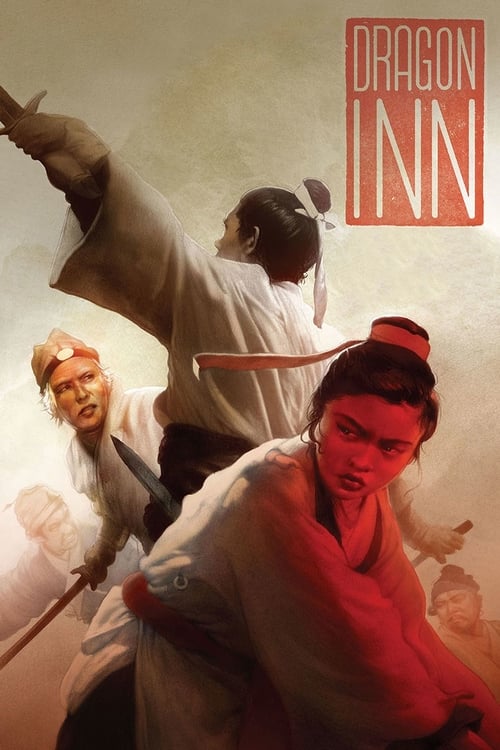
Dragon Inn
7.4

China, year 1457. The Minister of Defense is executed, and his children are sentenced to exile by order of the tyrannical Tsao. Fearful of future revenge from the young people, Tsao sends cruel soldiers to murder them, but a brave group of swordsmen can change the course of the battle at the Dragon Inn.

Dragon Inn

1967
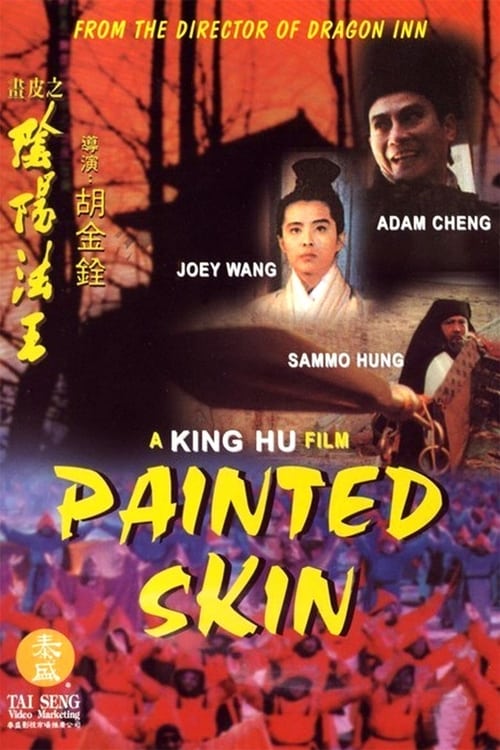
Painted Skin
5.9

A roving ghost spirit controlled by Ying Yang the Evil paints her face in the guise of a concubine. Her spirit can only be released by a ghostbusting monk who comes to her rescue.

Painted Skin

1993
Empress Wu
6.4

The renowned Li Li Hua plays Wu Ze Tian, the most famous woman in China's four thousand year history.

Empress Wu

1963
Time and Tide Wait for No Man: A Touch of King Hu
N/A

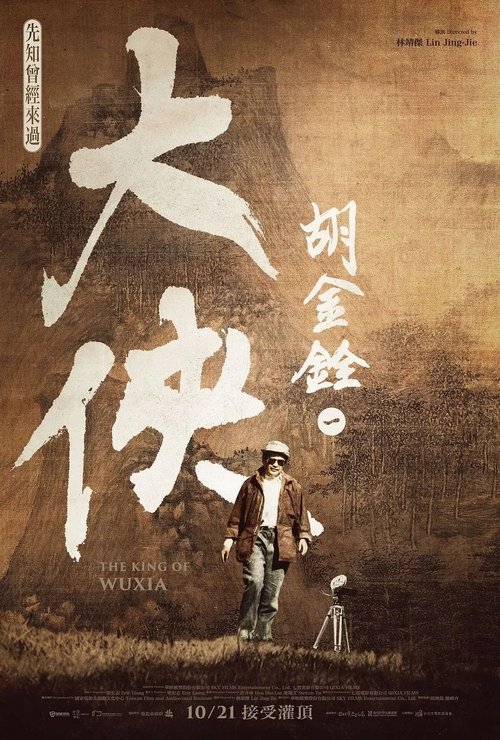
A documentary on King Hu.

Time and Tide Wait for No Man: A Touch of King Hu

2012
The Story of Sue San
6.5

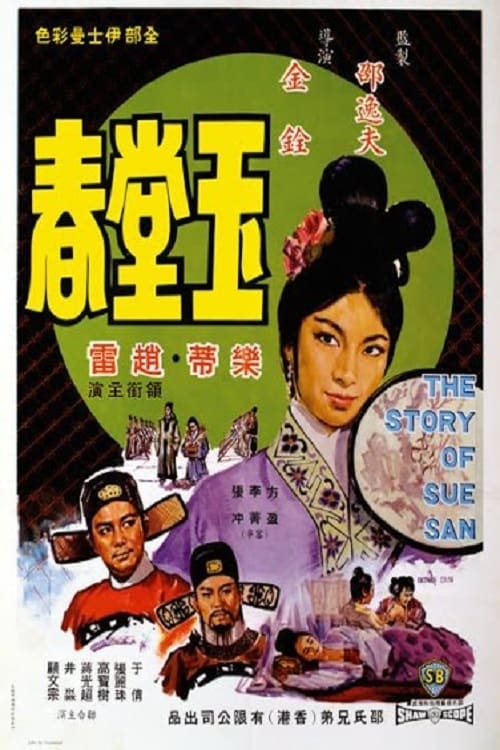
This gripping story centers on the romance between Wang Chin Lung and Sue San. Although they may be perfectly matched when it comes to their love for one other, the two come from remarkably different social ranks. While Chin Lung is the son of a respected government official, Su San is a prostitute, albeit a famous one.

The Story of Sue San

1964
The Blue and the Black
6.6

It's a powerful melodrama about a thwarted romance in 1930s Tientsin, China, during the Japanese occupation, and it stars Linda Lin Dai, one of the era's most popular stars. It was part of Golden Horse's 100 Greatest Chinese-Language Films.

The Blue and the Black

1966
The Deformed
8.0

Nurse Leng Shuxian is forced by family circumstances to marry Long Yusheng (King Hu), a grossly disfigured Quasimodo with a heart of gold. Shuxian tries but is unable to accept his deformity and they remain a couple in name only. With the appearance of Yusheng's cousin, she has to make a choice between personal happiness and family duty. From the start, Loh's character and drove the action, evoking a great intensity of emotions along the way: suffering, resignation and loneliness. Loh was lauded as the "Queen of Tragedy" after her heart-wrenching portrayal in this film. Winner of two Golden Harvest Awards – for best screenplay and best black-and-white cinematography – at the 8th Asian Film Festival in 1961.

The Deformed

1960
Sons of the Good Earth
5.3

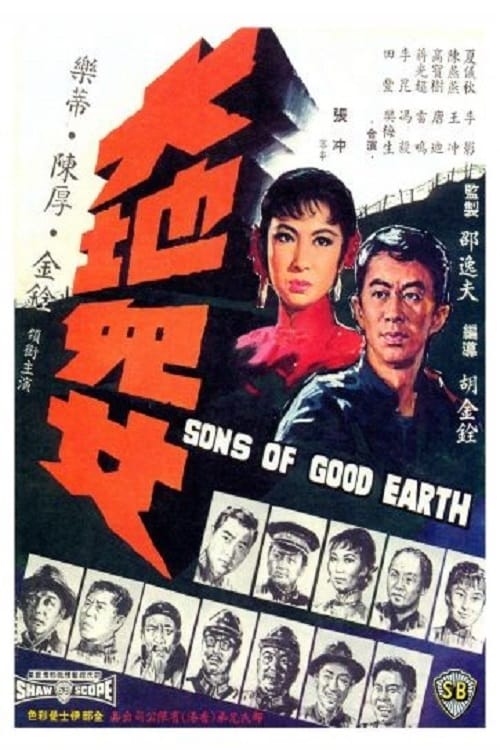
The year is 1937, just prior to the Japanese invasion of China. Painters Ju Rui and Lao San stumble upon He Hua, a woman sold into the sex industry at a local brothel.

Sons of the Good Earth

1965
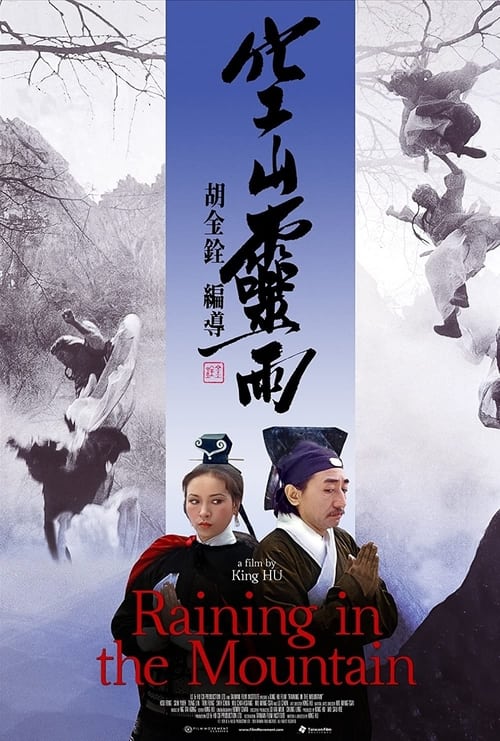
Raining in the Mountain
7.2

In Ming Dynasty China, the retiring abbot of a Buddhist monastery invites two dignitaries to help him choose a successor, not suspecting that both of them have hired help to steal a priceless parchment kept in the temple.

Raining in the Mountain

1979
The Pistol
8.0

Long unemployed and stone-broke, Shen Jiaguang is dealt a further blow when his wife Lu Xiaoyin has fallen seriously ill and their son Xiaoguang has to quit school.

The Pistol

1961
The Valiant Ones
7.0

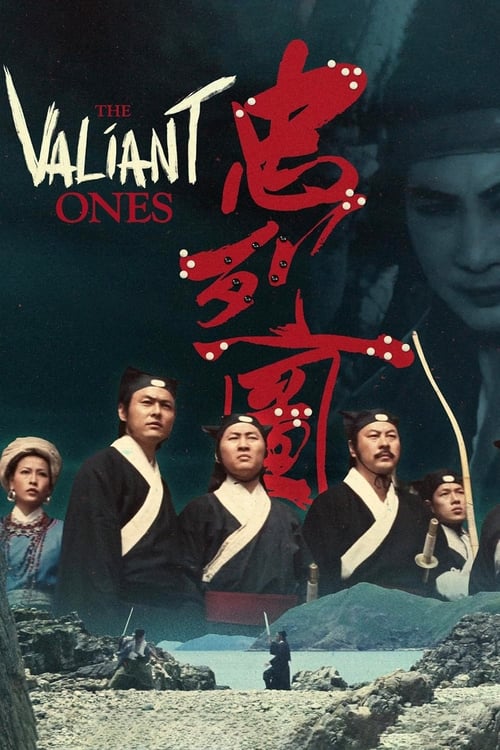
A righteous husband-and-wife swordfighting duo struggle to protect China from the machinations of Japanese pirates and corrupt officials.

The Valiant Ones

1975
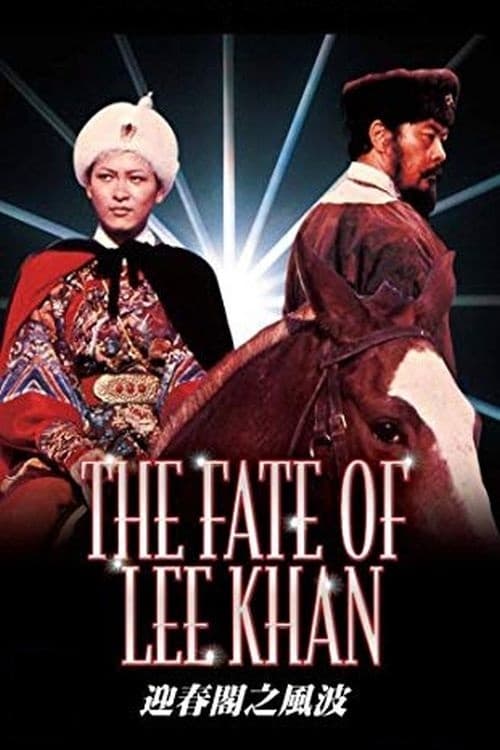
The Fate of Lee Khan
6.8

Lee Khan, a high official under Mongolian Emperor Yuan of the Yuan dynasty procures the battle map of the Chinese rebel Chu Yuan-Chang's army. Rebel spies, aided by treachery within Khan's ranks, strive to corner him in an inn.

The Fate of Lee Khan

1973
Between Tears and Smiles
6.8

Fan Chia-soo is a kind-hearted student whose heart is captured by the sweet song of Shen Feng-hsien. However, he is not the only one who has eyes for Shen. The General's henchmen are also determined to present the songstress to their superior as a gift. Fan received help from an unexpected quarter to save the woman he loves.

Between Tears and Smiles

1964
The Kingdom and the Beauty
6.9

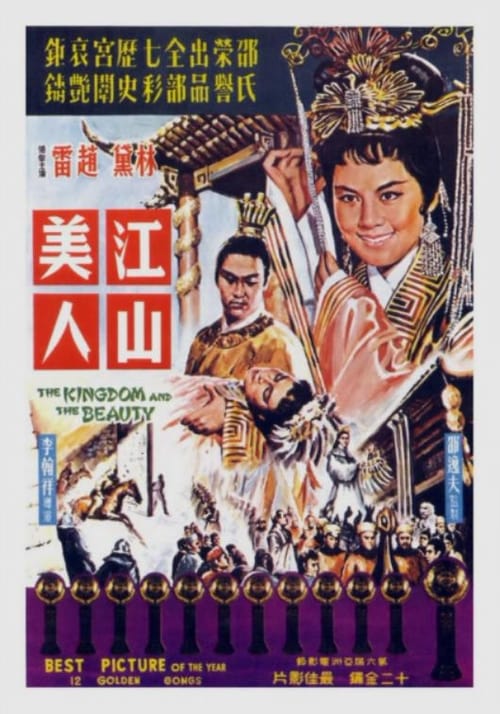
This is a musical about a young emperor who is lured via stories told to a place called Kiang-Nan by his royal tutor. The empress mother has the tutor go to Kiang-Nan to bring him back.

The Kingdom and the Beauty

1959
Song of the Exile
7.7

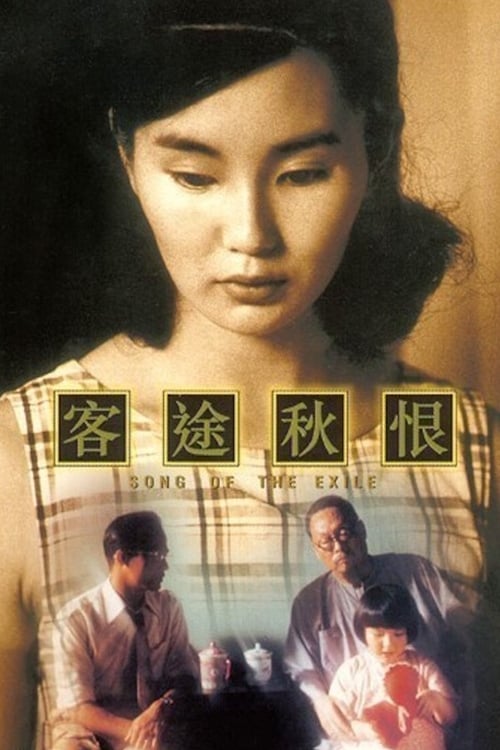
Set in the early 1970s, it tells the story of a Chinese-Japanese student who returns to her native Hong Kong after graduating from a university in London. Once she arrives back home, she and her family begin to fight, largely due to cultural and societal conflicts between her mother and herself.

Song of the Exile

1990
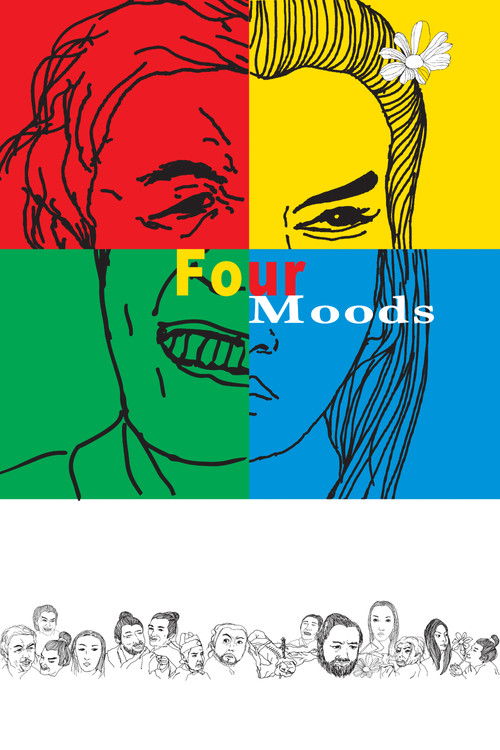
Four Moods
6.8

Directed by some of most well known Chinese-language directors of the time, the portmanteau film Four Moods was an attempt to alleviate Li Han-hsiang’s financial troubles during the late 1960s. Arguably one of his best works, King Hu’s short Anger is an adaptation of the famous Peking opera San Cha Kou; set to opera instrumentation and stylishly shot, the film deftly captures the tense showdown between political schemers, avengers and vagabonds inside an inn. Li Han-hsiang’s Happiness, inspired by the Strange Tales of Liaozhai, tells a tale of reprieve for a kind-hearted ghost, while Pai Ching-Jui’s Joy and Lee Hsing’s Sadness both explore the fateful encounters between mortal men and ghostly women.

Four Moods

1970