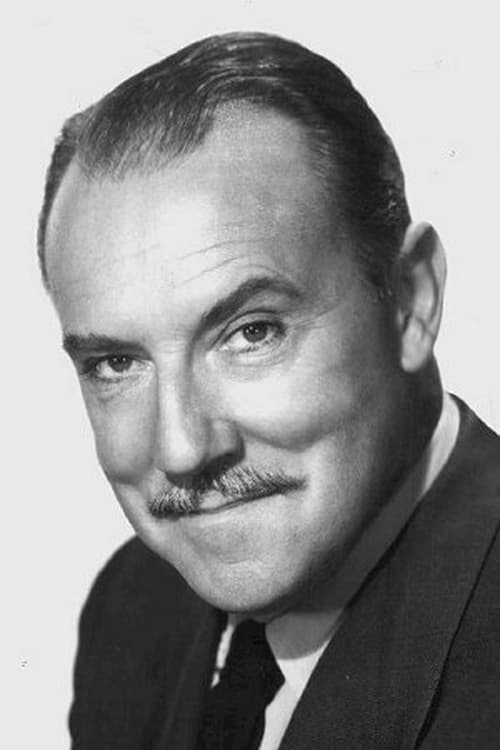
Gale Gordon
Acting
Biography
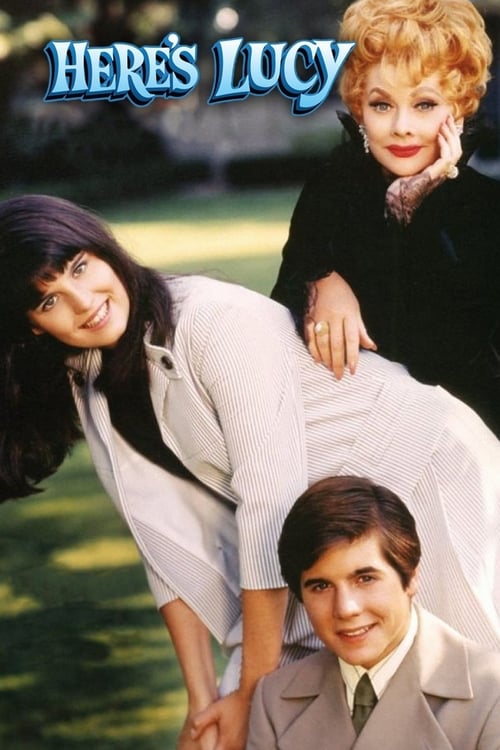
From Wikipedia, the free encyclopedia Gale Gordon (born Charles Thomas Aldrich Jr., February 20, 1906 – June 30, 1995) was an American character actor perhaps best remembered as Lucille Ball's longtime television foil—and particularly as cantankerously combustible, tightfisted bank executive Theodore J. Mooney, on Ball's second television situation comedy, The Lucy Show. Gordon also appeared in I Love Lucy and had starring roles in Ball's successful third series Here's Lucy and her short-lived fourth and final series Life with Lucy. Gordon was also a respected and beloved radio actor who is remembered for his role as school principal Osgood Conklin in Our Miss Brooks, starring Eve Arden, in both the 1948–1957 radio series and the 1952–1956 television series. He also co-starred as the second Mr. Wilson in Dennis the Menace.
Known For
The Mike Douglas Show is an American daytime television talk show hosted by Mike Douglas that originally aired only in the Cleveland area during much of its first two years on the air. It then went into syndication in 1963 and remained on television until 1982. It was distributed by Westinghouse Broadcasting and for much of its run, originated from studios of two of the company's TV stations in Cleveland and Philadelphia.
The Mike Douglas Show
No description available.
The Merv Griffin Show
Climax! is an American anthology series that aired on CBS from 1954 to 1958. The series was hosted by William Lundigan and later co-hosted by Mary Costa. It was one of the few CBS programs of that era to be broadcast in color. Many of the episodes were performed and broadcast live.
Climax!
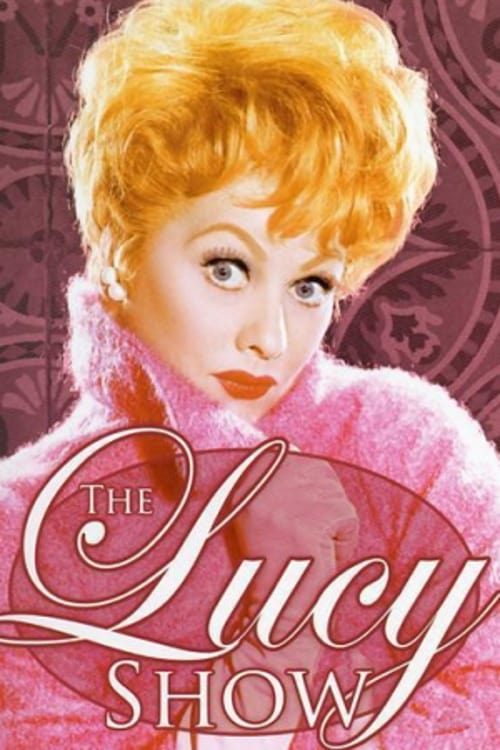
The Lucy Show is an American sitcom that aired on CBS from 1962–68. It was Lucille Ball's follow-up to I Love Lucy. A significant change in cast and premise for the 1965–66 season divides the program into two distinct eras; aside from Ball, only Gale Gordon, who joined the program for its second season, remained. For the first three seasons, Vivian Vance was the co-star. The earliest scripts were entitled The Lucille Ball Show, but when this title was declined, producers thought of calling the show This Is Lucy or The New Adventures of Lucy, before deciding on the title The Lucy Show. Ball won consecutive Emmy Awards as Outstanding Lead Actress in a Comedy Series for the series' final two seasons, 1966–67 and 1967–68.
The Lucy Show
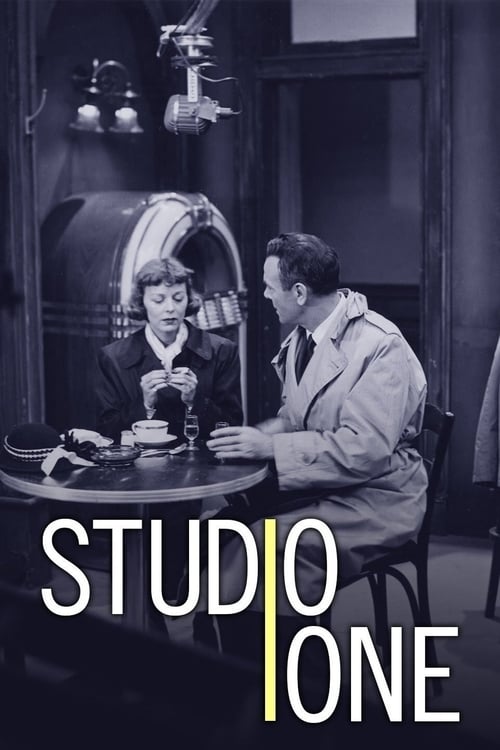
An American radio–television anthology series, created in 1947 by Canadian director Fletcher Markle, who came to CBS from the CBC. Studio One, presented by Westinghouse, was one of the first of the anthology TV programs. The episodes were often abridged remakes of movies from years gone by and many future well-known television and movie actors appeared in the productions.
Studio One
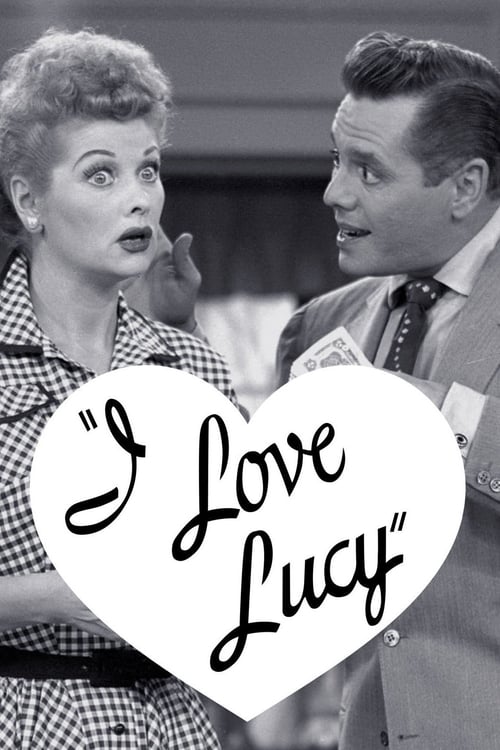
Cuban Bandleader Ricky Ricardo would be happy if his wife Lucy would just be a housewife. Instead she tries constantly to perform at the Tropicana where he works, and make life comically frantic in the apartment building they share with landlords Fred and Ethel Mertz, who also happen to be their best friends.
I Love Lucy

Revolves around typical family problems, such as firing a clumsy housekeeper, throwing a retirement bash for a colleague, and finding quality time away from the children.
The Donna Reed Show

The Ed Sullivan Show is an American TV variety show that originally ran on CBS from Sunday June 20, 1948 to Sunday June 6, 1971, and was hosted by New York entertainment columnist Ed Sullivan. It was replaced in September 1971 by the CBS Sunday Night Movie, which ran only one season and was eventually replaced by other shows. In 2002, The Ed Sullivan Show was ranked #15 on TV Guide's 50 Greatest TV Shows of All Time.
The Ed Sullivan Show
No description available.
Here's Lucy
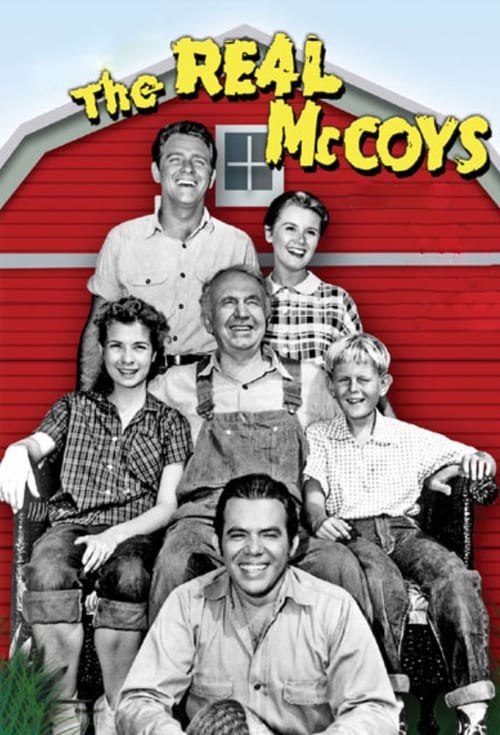
The Real McCoys is an American situation comedy co-produced by Danny Thomas' "Marterto Productions", in association with Walter Brennan and Irving Pincus' "Westgate" company. The series aired for five seasons on the ABC-TV network from 1957 through 1962 and then for its final year on CBS from 1962 to 1963. The series, set in the San Fernando Valley of California, was filmed in Hollywood at Desilu studios.
The Real McCoys

This 1959-1963 television situation comedy series follows the lives of the Mitchell family, Henry, Alice, and their only child Dennis, an energetic, trouble-prone, mischievous, but well-meaning boy, who often tangles with his peace-and-quiet-loving neighbor George Wilson, a retired salesman, or, later, with George's brother John, a writer. Dennis is basically a good, well-intentioned boy who always tries to help people, but who winds up making situations worse – often at Mr. Wilson's expense.
Dennis the Menace

Westinghouse Desilu Playhouse is an American television anthology series produced by Desilu Productions. The show ran on CBS television between 1958 and 1960. Two of its 48 episodes served as pilots for the 1950s television series The Twilight Zone and The Untouchables.
Westinghouse Desilu Playhouse
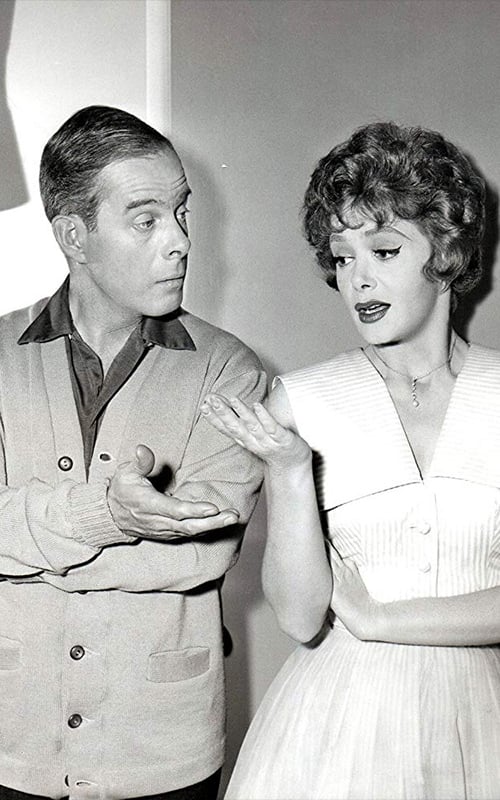
Pete and Gladys is an American situation comedy television series starring Harry Morgan and Cara Williams that aired on CBS on Mondays at 8:00 p.m. Eastern and Pacific time for two seasons, beginning on September 19, 1960. The last episode was broadcast on September 10, 1962.
Pete and Gladys
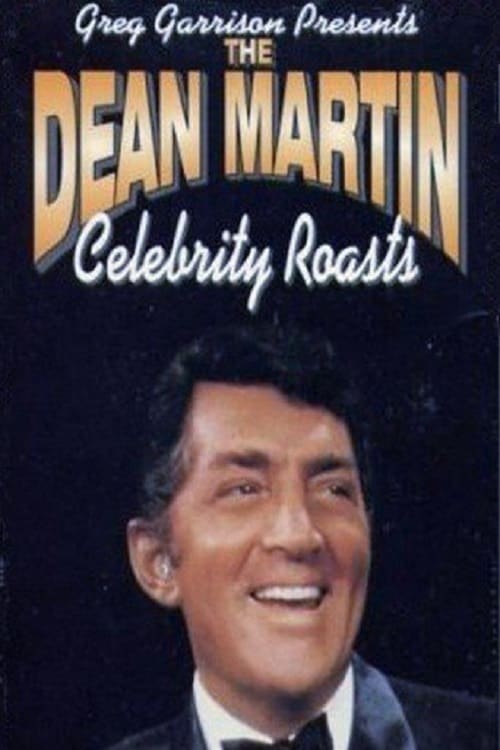
The Dean Martin Celebrity Roasts is a NBC television special show hosted by entertainer Dean Martin from 1974 to 1984. For a series of 54 specials and shows, Martin would periodically "roast" a celebrity. These roasts were patterned after the roasts held at the New York Friars' Club in New York City. The format would have the celebrity guest seated at a banquet table, and one by one the guest of honor was affectionately chided or insulted about his career by his fellow celebrity friends. In 1973, The Dean Martin Show was declining in popularity. The final season of his variety show would be retooled into one of celebrity roasts, requiring less of Martin's involvement. For the 1973–1974 season, a new feature called “Man of the Week Celebrity Roast" was added to try to pick up the ratings. The roasts seemed to be popular among television audiences and are often marketed in post-issues as part of the official Dean Martin Celebrity Roasts and not The Dean Martin Show. After The Dean Martin Show was cancelled in 1974, NBC drew up a contract with Martin to do several specials and do more roast specials. Starting with Bob Hope in 1974, the roast was taped in California and turned out to be a hit, leading to many other roasts to follow.
The Dean Martin Celebrity Roasts
The concept of the series was the showing of unaired and unsold television pilots that did not make the television lineup for CBS. The show was successful during its first few seasons due to the fact that the show's concept, airing unsold and unaired television pilots, was a popular concept in the 1960s. But during its last two seasons on the air, the series did find some trouble due to the fact that the series were running out of pilots to air and, in their 4th season, they began airing repeats from the three seasons prior. During its 1966 summer run, the series aired eights new pilots and two repeats and during its last year airing five new pilots and four repeats.
Vacation Playhouse

Our Miss Brooks is an American situation comedy starring Eve Arden as a sardonic high school English teacher. It began as a radio show broadcast on CBS from 1948 to 1957. When the show was adapted to television, it became one of the medium's earliest hits. In 1956, the sitcom was adapted for big screen in the film of the same name.
Our Miss Brooks
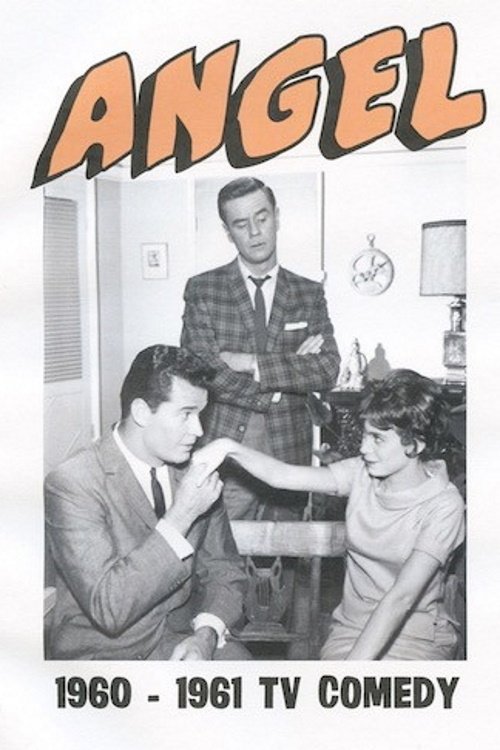
Angel is an American sitcom that aired on CBS during the 1960–1961 television season. The series was created and executive produced by Jess Oppenheimer, and stars Annie Fargé as the title character.
Angel
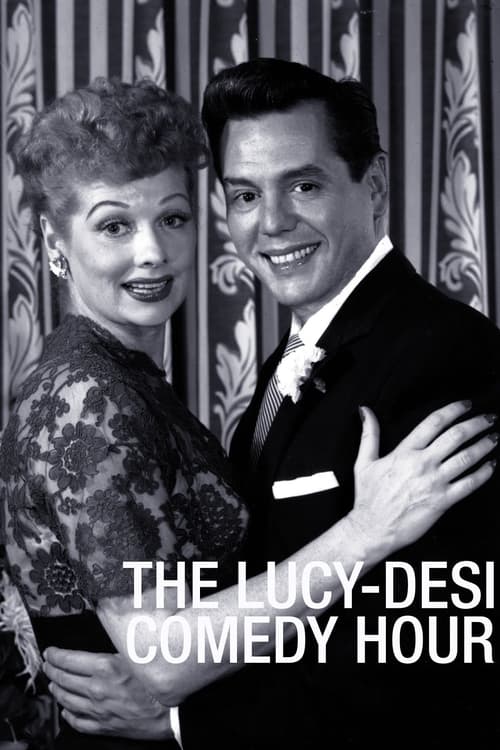
The Lucy–Desi Comedy Hour is a collection of thirteen one-hour specials airing occasionally from 1957 to 1960, and originally served as part of Westinghouse Desilu Playhouse. Its original network title was The Ford Lucille Ball-Desi Arnaz Show for the first season, and The Westinghouse Desilu Playhouse Presents The Lucille Ball-Desi Arnaz Show for the following seasons. It was the successor to the classic comedy, I Love Lucy, and featured the same major cast members. The production schedule avoided the grind of a regular weekly series. Desilu produced the show, which was mostly filmed at their Los Angeles studios with occasional on-location shoots at Lake Arrowhead, Las Vegas and Sun Valley, Idaho. CBS reran the show under the "Lucy-Desi" title during the summers of 1962-1967, after which it went into syndication.
The Lucy–Desi Comedy Hour
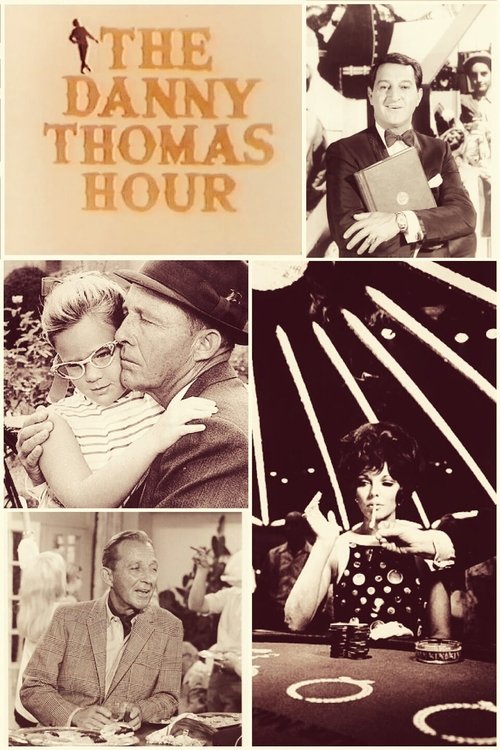
The Danny Thomas Hour is an American anthology television series that was broadcast on NBC during the 1967-68 television season.
The Danny Thomas Hour
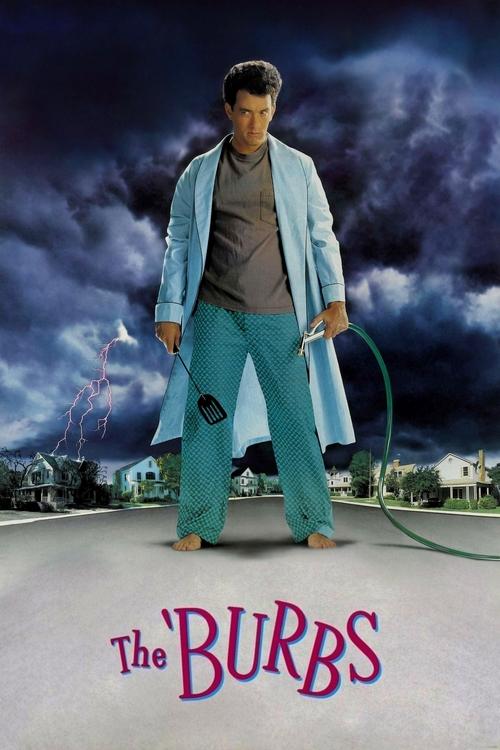
When secretive new neighbors move in next door, suburbanite Ray Peterson and his friends let their paranoia get the best of them as they start to suspect the newcomers of evildoings and commence an investigation. But it's hardly how Ray, who much prefers drinking beer, reading his newspaper and watching a ball game on the tube expected to spend his vacation.