Rudy Vallee
Acting
Biography
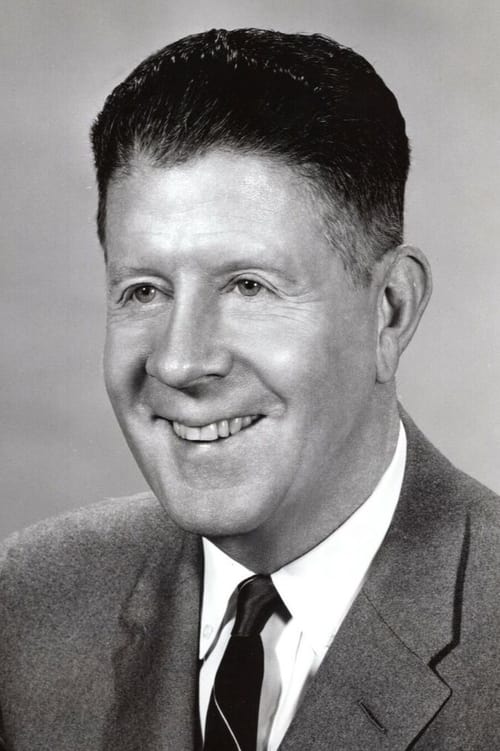
Rudy Vallee started his career as a saxophone player and singer and later became a band leader. In the 1920s and early 30s he had a hit radio program, The Fleishmann's Yeast Hour (where he was hated by his cast and crew due to his explosive ego-driven personality). In the early 1930's he was ranked with the likes of Bing Crosby and the tragic Russ Columbo in the Hit Parade. A huge hit on radio in 1933 with his program, initially known as 'The Fleischmann's Yeast Hour,' Vallee was considered a slave driver by his staff. He was known to instigate fist fights with virtually anyone who got on his nerves. During the run of his show he slugged photographers, threw sheet music in the faces of pianists' heads and if provoked, would sock hecklers in the nose. While audiences loved him, he was hated by most of his staff. As a very popular star in night clubs and on records, as well as in movies, he helped other singers like Alice Faye - who was for a while his band singer - and Frances Langford to start their careers. In his early movies he often played the romantic lead, but he switched later to stuffy and comic parts. He also appeared on Broadway. The mid-60's Broadway hit "How To Succeed in Business Without Really Trying" was filmed in 1967 with him in his original Broadway role.
Known For

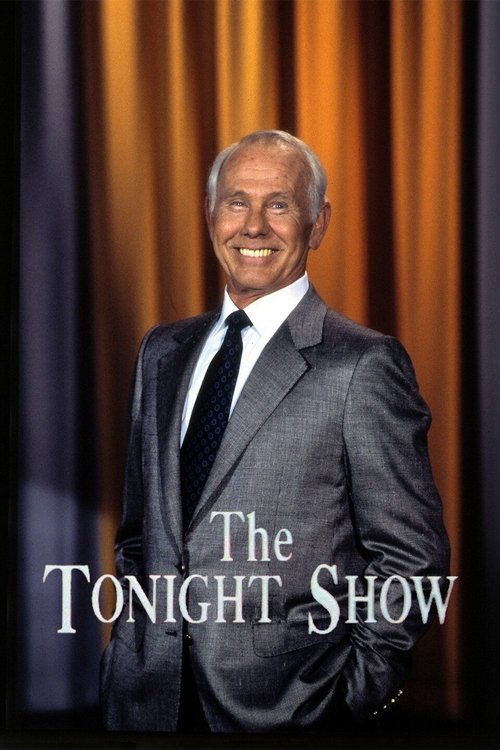
The Tonight Show Starring Johnny Carson is a talk show hosted by Johnny Carson under The Tonight Show franchise from 1962 to 1992. It originally aired during late-night. For its first ten years, Carson's Tonight Show was based in New York City with occasional trips to Burbank, California; in May 1972, the show moved permanently to Burbank, California. In 2002, The Tonight Show Starring Johnny Carson was ranked #12 on TV Guide's 50 Greatest TV Shows of All Time.
The Tonight Show Starring Johnny Carson

The Mike Douglas Show is an American daytime television talk show hosted by Mike Douglas that originally aired only in the Cleveland area during much of its first two years on the air. It then went into syndication in 1963 and remained on television until 1982. It was distributed by Westinghouse Broadcasting and for much of its run, originated from studios of two of the company's TV stations in Cleveland and Philadelphia.
The Mike Douglas Show

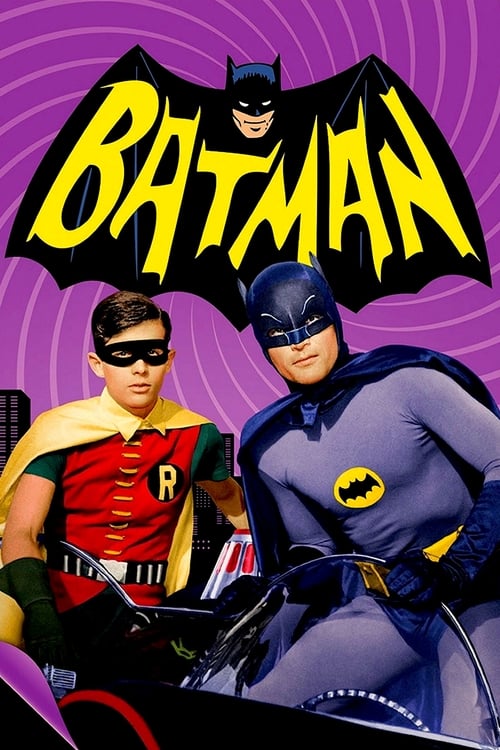
Wealthy entrepreneur Bruce Wayne and his ward Dick Grayson lead a double life: they are actually crime fighting duo Batman and Robin. A secret Batpole in the Wayne mansion leads to the Batcave, where Police Commissioner Gordon often calls with the latest emergency threatening Gotham City. Racing to the scene of the crime in the Batmobile, Batman and Robin must (with the help of their trusty Bat-utility-belt) thwart the efforts of a variety of master criminals, including The Riddler, The Joker, Catwoman, and The Penguin.
Batman

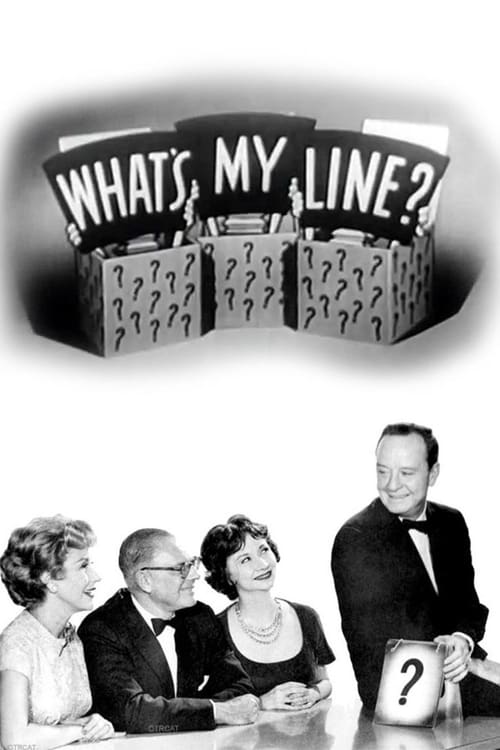
Four panelists must determine guests' occupations - and, in the case of famous guests, while blindfolded, their identity - by asking only "yes" or "no" questions.
What's My Line?

No description available.
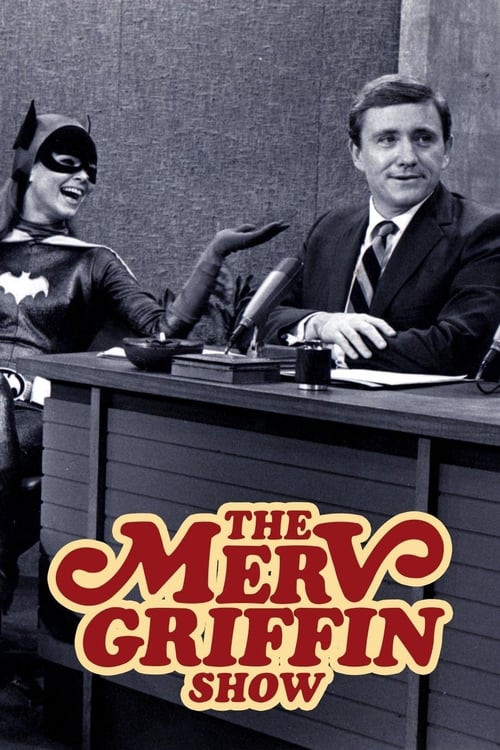
The Merv Griffin Show

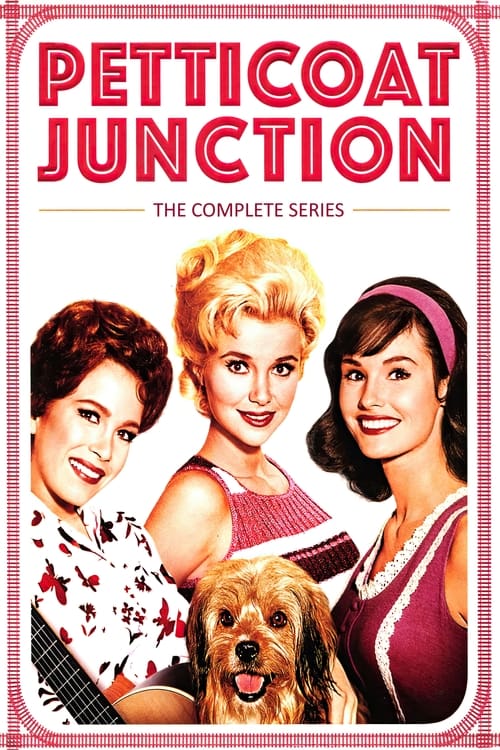
The Bradley family are proud owners of the Shady Rest Hotel. Kate and her three young daughters do the job of running the hotel.
Petticoat Junction

The Ed Sullivan Show is an American TV variety show that originally ran on CBS from Sunday June 20, 1948 to Sunday June 6, 1971, and was hosted by New York entertainment columnist Ed Sullivan. It was replaced in September 1971 by the CBS Sunday Night Movie, which ran only one season and was eventually replaced by other shows. In 2002, The Ed Sullivan Show was ranked #15 on TV Guide's 50 Greatest TV Shows of All Time.
The Ed Sullivan Show

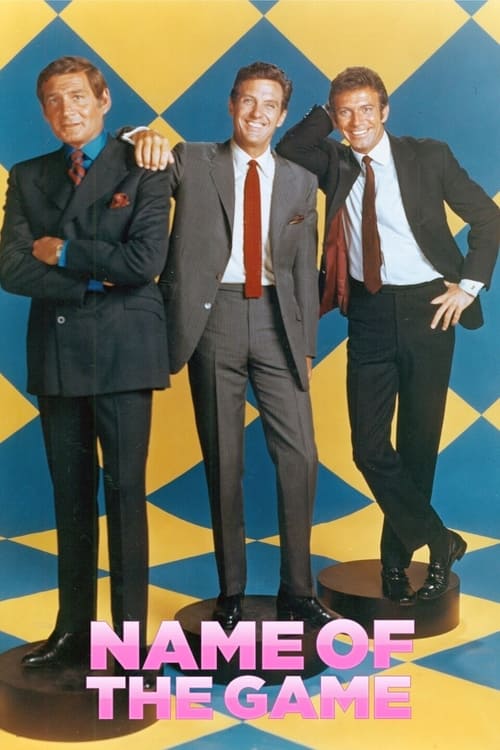
The Name of the Game is an American television series starring Tony Franciosa, Gene Barry, and Robert Stack that ran from 1968 to 1971 on NBC, totaling 76 episodes of 90 minutes. It was a pioneering wheel series, setting the stage for The Bold Ones and the NBC Mystery Movie in the 1970s. The show had an extremely large budget for a television series.
The Name of the Game

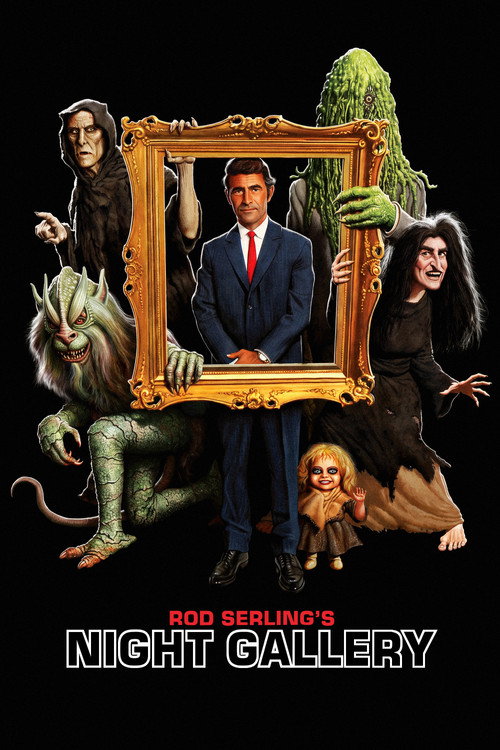
Rod Serling narrates an anthology of fantasy, horror and sci-fi stories from a set resembling a macabre museum. A chilling work of art serves as the connective link between the stories.
Night Gallery

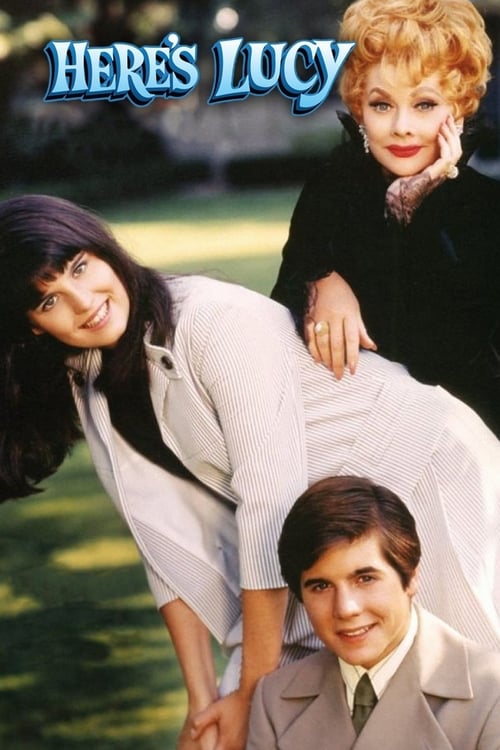
No description available.
Here's Lucy

The Colgate Comedy Hour is an American comedy-musical variety series that aired live on the NBC network from 1950 to 1955. The show starred many notable comedians and entertainers of the era, including Eddie Cantor, Dean Martin and Jerry Lewis, Fred Allen, Donald O'Connor, Bud Abbott and Lou Costello, Bob Hope, Jimmy Durante, Ray Bolger, Gordon MacRae, Ben Blue, Robert Paige, Tony Curtis, Burt Lancaster, Broadway dancer Wayne Lamb and Spike Jones and His City Slickers.
The Colgate Comedy Hour

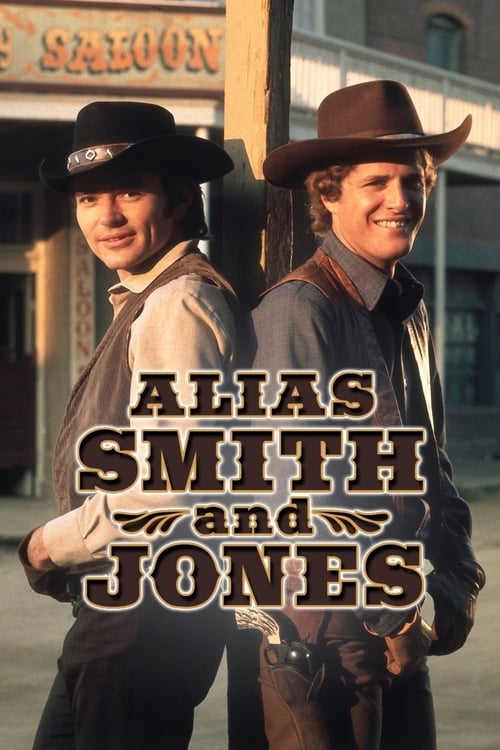
Alias Smith and Jones is an American Western series that originally aired on ABC from 1971 to 1973. It stars Pete Duel as Hannibal Heyes and Ben Murphy as Jedediah "Kid" Curry, a pair of cousin outlaws trying to reform. The governor offers them a conditional amnesty, as he wants to keep the pact under wraps for political reasons. The condition is that they will still be wanted— until the governor can claim they have reformed and warrant clemency.
Alias Smith and Jones

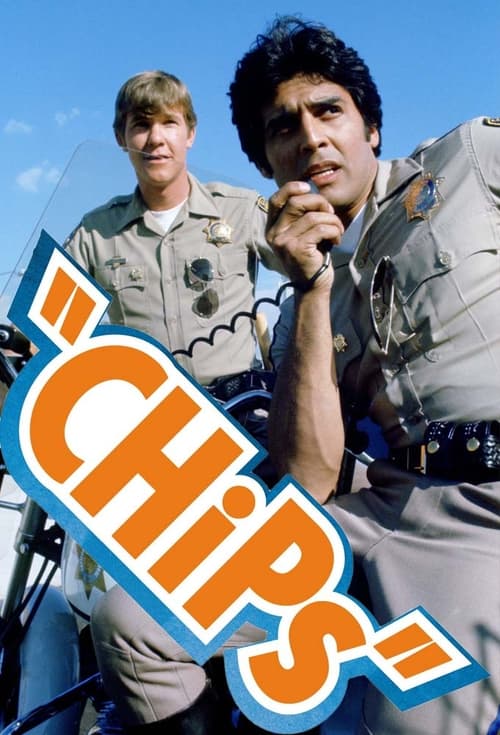
Lighthearted look at the adventures of two Highway Patrol officers in Los Angeles. The main characters are Jon Baker and Frank Poncherello, two motorcycle officers always on the street to save lives.
CHiPs

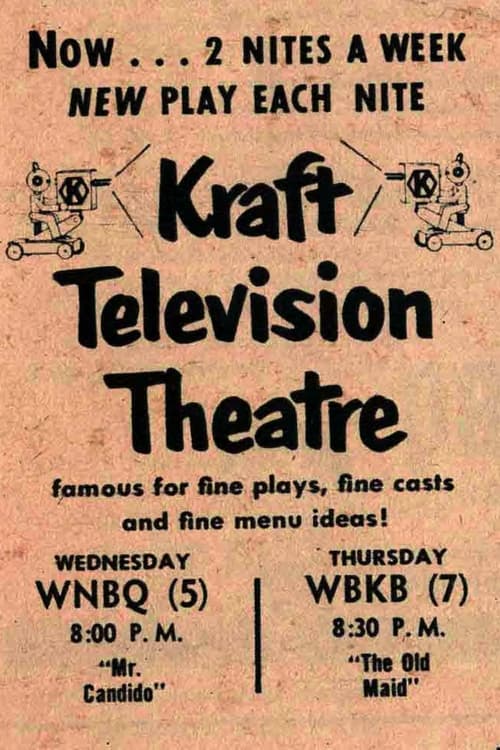
Kraft Television Theater is an American, well-received anthology series presenting live television dramas.
Kraft Television Theatre

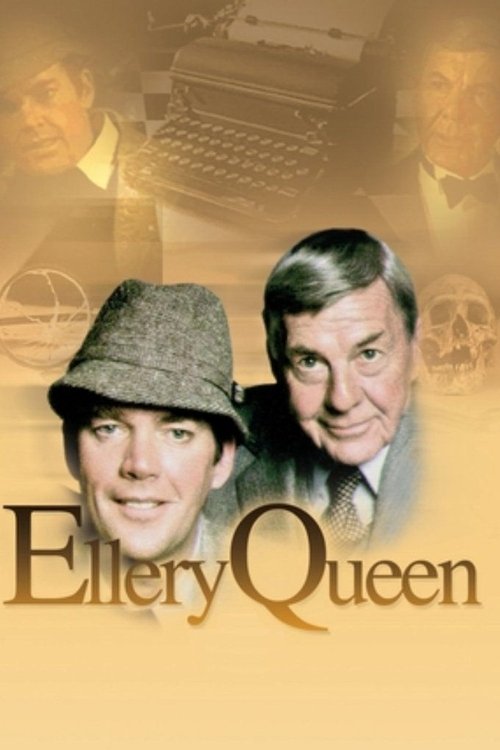
Ellery Queen is an American television detective mystery series based on the fictional character Ellery Queen. It aired on NBC during the 1975-76 television season and stars Jim Hutton as Ellery Queen, David Wayne as his father, Inspector Richard Queen, and Tom Reese as Sgt. Velie. Created by the writing/producing team of Richard Levinson and William Link, the title character "breaks" the fourth wall to ask the audience to consider their solution.
Ellery Queen

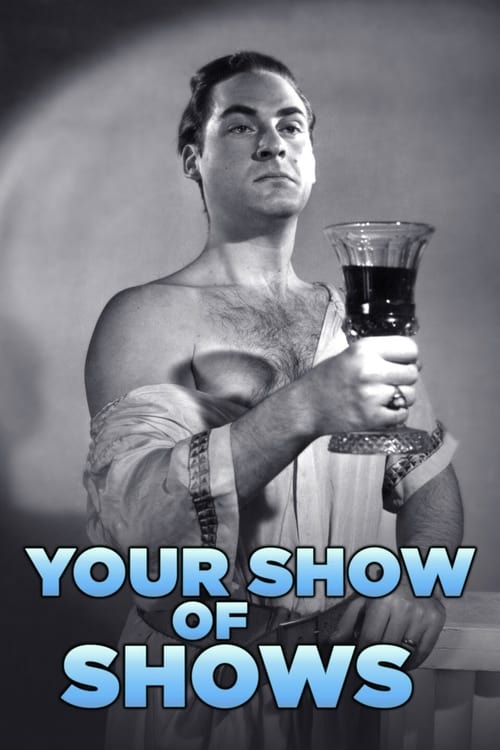
Your Show of Shows was a live 90-minute variety show that was broadcast weekly in the United States on NBC, from February 25, 1950, until June 5, 1954, featuring Sid Caesar and Imogene Coca. Other featured performers were Carl Reiner, Howard Morris, Bill Hayes, Judy Johnson, The Hamilton Trio and the soprano Marguerite Piazza. José Ferrer made several guest appearances on the series. The series was telecast from the now-demolished International Theatre at 5 Columbus Circle and the Century Theater, now demolished, in New York. During 2002, Your Show of Shows was ranked #30 on TV Guide's 50 Greatest TV Shows of All Time.
Your Show of Shows

December Bride is an American sitcom that aired on the CBS television network from 1954 to 1959, adapted from the original CBS radio network series that aired from June 1952 through September 1953.
December Bride

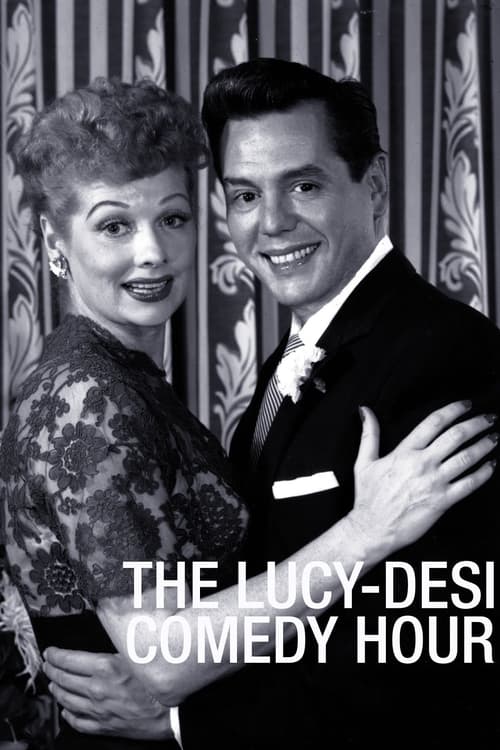
The Lucy–Desi Comedy Hour is a collection of thirteen one-hour specials airing occasionally from 1957 to 1960, and originally served as part of Westinghouse Desilu Playhouse. Its original network title was The Ford Lucille Ball-Desi Arnaz Show for the first season, and The Westinghouse Desilu Playhouse Presents The Lucille Ball-Desi Arnaz Show for the following seasons. It was the successor to the classic comedy, I Love Lucy, and featured the same major cast members. The production schedule avoided the grind of a regular weekly series. Desilu produced the show, which was mostly filmed at their Los Angeles studios with occasional on-location shoots at Lake Arrowhead, Las Vegas and Sun Valley, Idaho. CBS reran the show under the "Lucy-Desi" title during the summers of 1962-1967, after which it went into syndication.
The Lucy–Desi Comedy Hour
The Chicago Teddy Bears is an American sitcom that aired on CBS. The series was part of the network's 1971 fall lineup, premiering on September 17, 1971.
The Chicago Teddy Bears

Ed Asner tells the story of RKO Pictures from the 1920s to the 1960s.