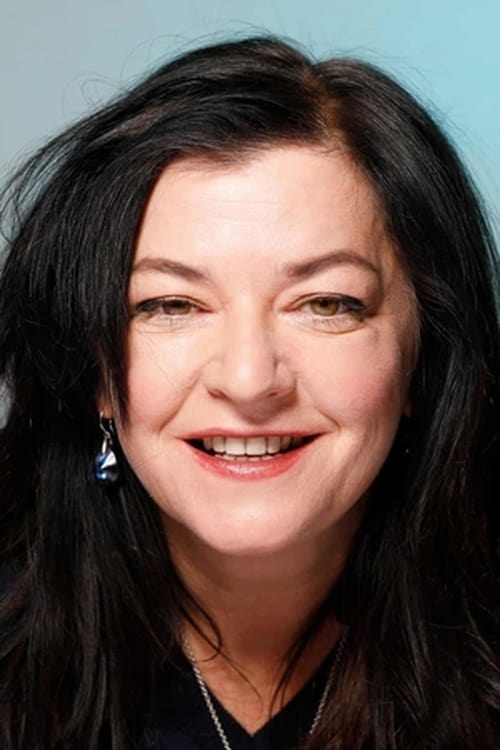
Lynne Ramsay
Directing
Biography
Lynne Ramsay (born 5 December 1969) is a Scottish film director, screenwriter, producer, and cinematographer, best known for the feature films Ratcatcher (1999), Morvern Callar (2002), We Need to Talk about Kevin (2011), and You Were Never Really Here (2017).
Known For
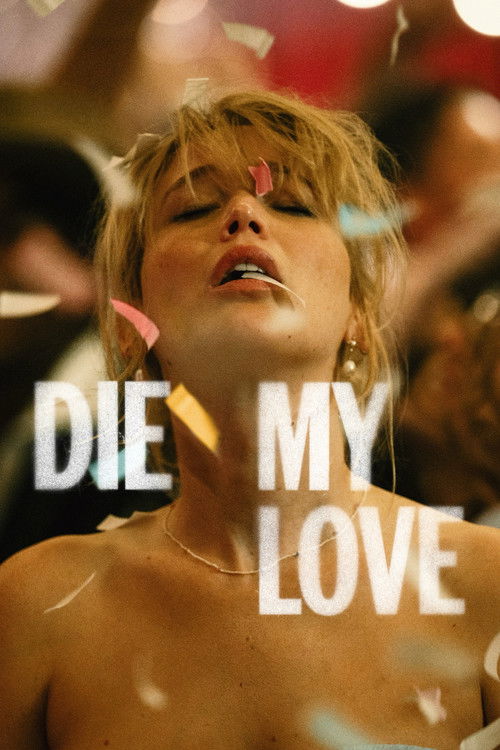
After inheriting a remote Montana house, Jackson moves there from New York with his partner Grace, and the couple soon welcome a child. As Jackson becomes increasingly absent and rural isolation sets in, Grace struggles with loneliness, creative frustration, and unresolved emotional wounds. What begins as an attempt at renewal gradually turns into an intense psychological descent, placing strain on their relationship and exposing the fragile balance between love, identity, and motherhood.
Die My Love
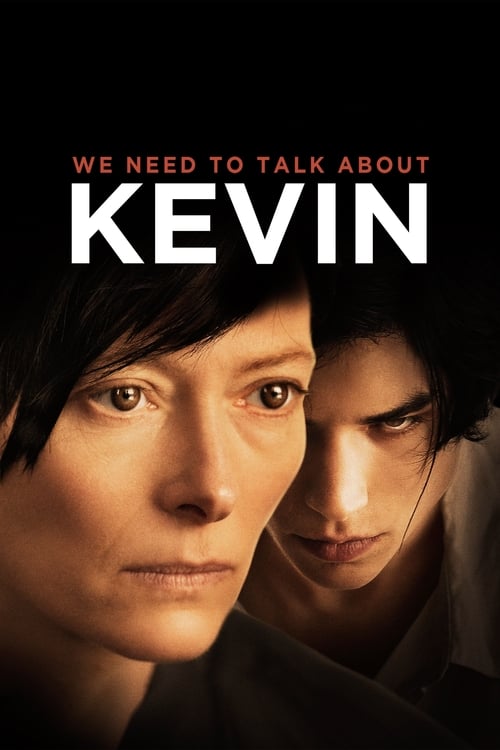
After her son Kevin commits a horrific act, troubled mother Eva reflects on her complicated relationship with her disturbed son as he grew from a toddler into a teenager.
We Need to Talk About Kevin
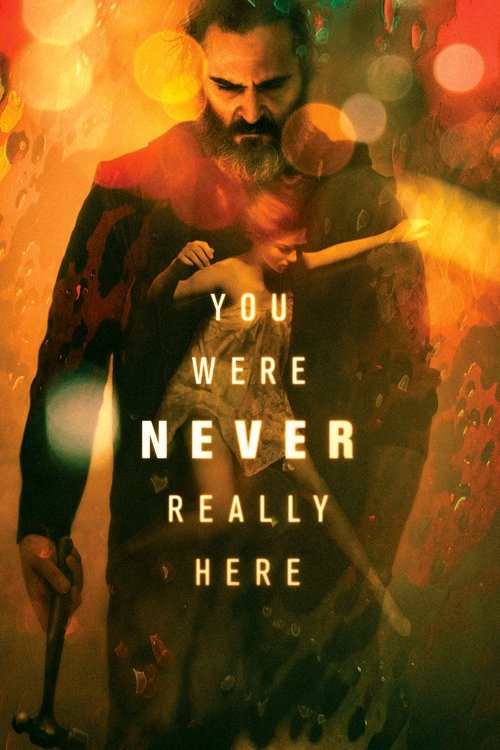
A traumatized veteran, unafraid of violence, tracks down missing girls for a living. When a job spins out of control, his nightmares begin to overtake him, and a conspiracy is uncovered—leading to what may be his death trip or his awakening.
You Were Never Really Here
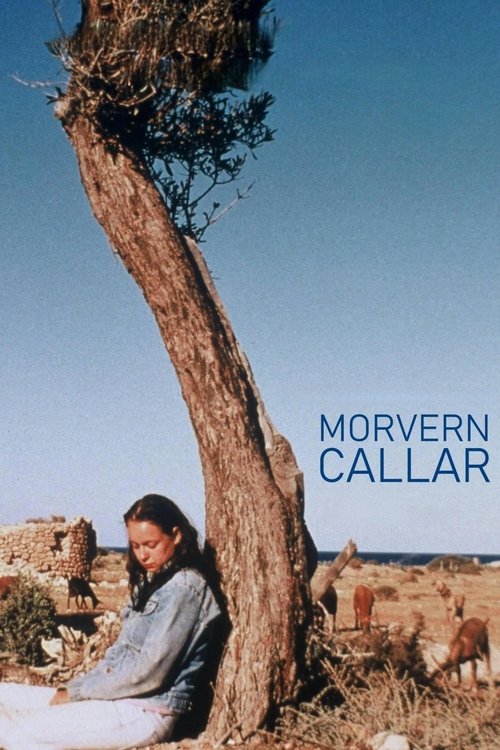
After her boyfriend commits suicide, a young woman attempts to use the unpublished manuscript of a novel and a sum of money he left behind to reinvent her life.
Morvern Callar
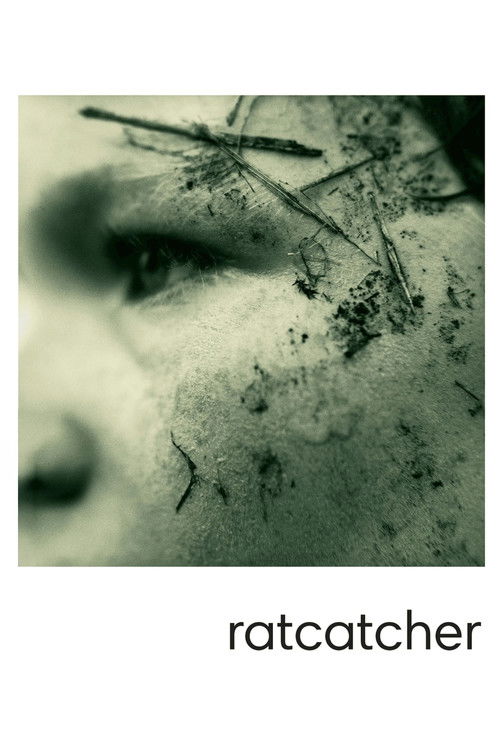
James Gillespie is 12 years old. The world he knew is changing. Haunted by a secret, he has become a stranger in his own family. He is drawn to the canal where he creates a world of his own. He finds an awkward tenderness with Margaret Anne, a vulnerable 14 year old expressing a need for love in all the wrong ways, and befriends Kenny, who possesses an unusual innocence in spite of the harsh surroundings.
Ratcatcher
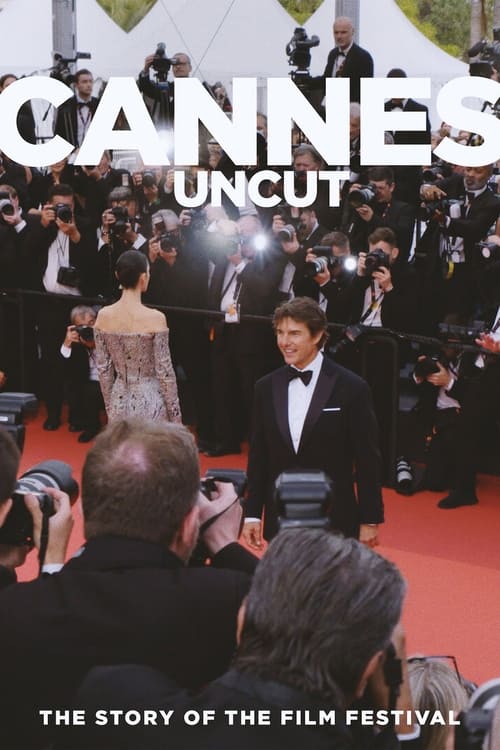
Looks at the glamour, red carpets, movies, craziness, stunts, deals, parties and personalities that have been part of the Cannes Film Festival over eight decades, as well as looking to the future.
Cannes Uncut
In 1982, Wim Wenders asked 16 of his fellow directors to speak on the future of cinema, resulting in the film Room 666. Now, 40 years later, in Cannes, director Lubna Playoust asks Wim Wenders himself and a new generation of filmmakers (James Gray, Rebecca Zlotowski, Claire Denis, Olivier Assayas, Nadav Lapid, Asghar Farhadi, Alice Rohrwacher and more) the same question: “is cinema a language about to get lost, an art about to die?”
Room 999
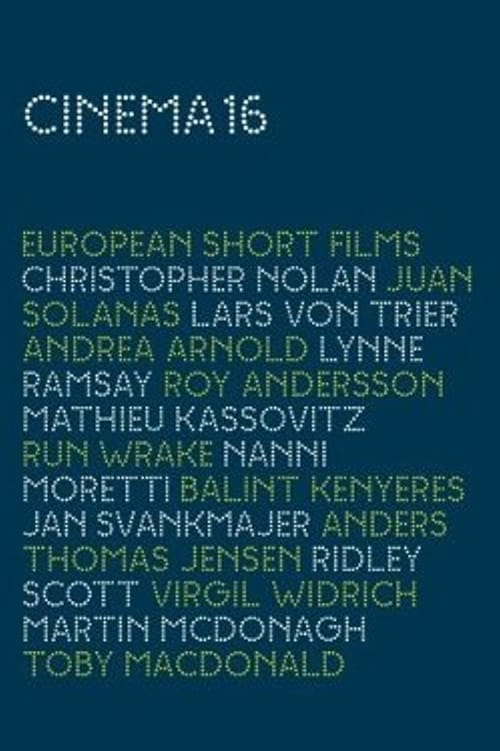
A collection of short films by 16 European directors.
Cinema 16: European Short Films (U.S. Edition)
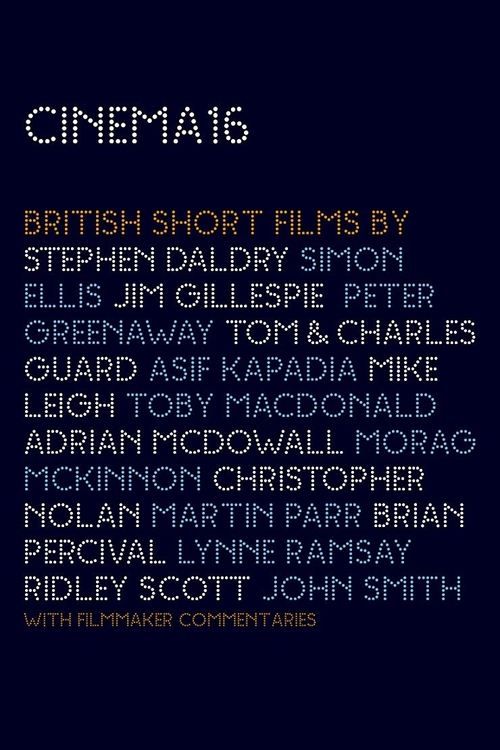
This critically acclaimed DVD contains 16 of the best classic and award winning British short films and delivers a snapshot of British cinema past and present. It includes films from Britain's most exciting new talent alongside early shorts from it's most successful filmmakers' amongst them Chris Nolan (Memento, Insomnia, Batman Begins), Ridley Scott (Gladiator, Alien), Mike Leigh (Secrets and Lies) and Stephen Daldry (Billy Elliot, The Hours). 01 About a Girl - Brian Percival 02 Boy & Bicycle - Ridley Scott 03 Dear Phone - Peter Greenaway 04 Doodlebug - Christopher Nolan 05 Eight - Stephen Daldry 06 Gasman - Lynne Ramsay 07 Girl Chewing Gum - John Smith 08 Home - Morag McKinnon 09 Joyride - Jim Gillespie 10 Inside Out - Tom & Charles Guard 11 Je Taime John Wayne - Toby Macdonald 12 The Sheep Thief - Asif Kapadia 13 The Short & Curlies - Mike Leigh 14 Telling Lies - Simon Ellis 15 UK Images - Martin Parr 16 Whos My Favourite Girl? - Adrian J. McDowall
Cinema16: British Short Films
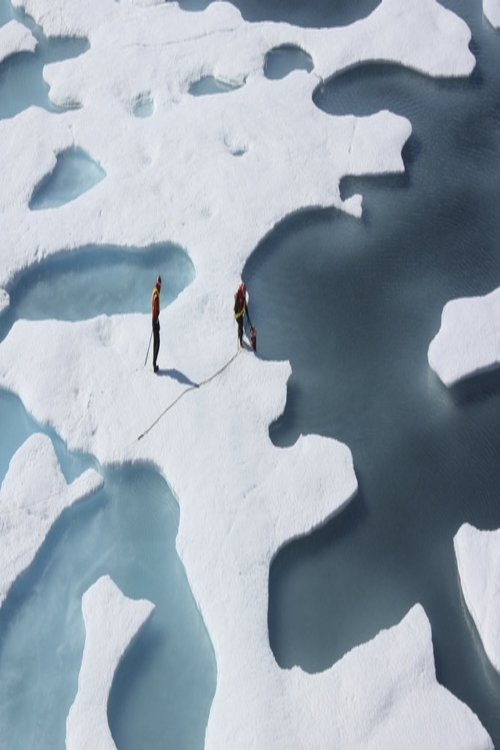
Physiotherapist Verna embarks on a luxurious cruise into the magnificent and silently thawing Arctic Northwest Passage. On the ship, Verna meets the friendly and charming Grace, and the seemingly ordinary Bob, who tries to seduce her. As wounds and humiliations from her past resurface, the smooth atmosphere of the cruise will be disturbed by Verna’s quiet, yet shocking act of vengeance.
Stone Mattress
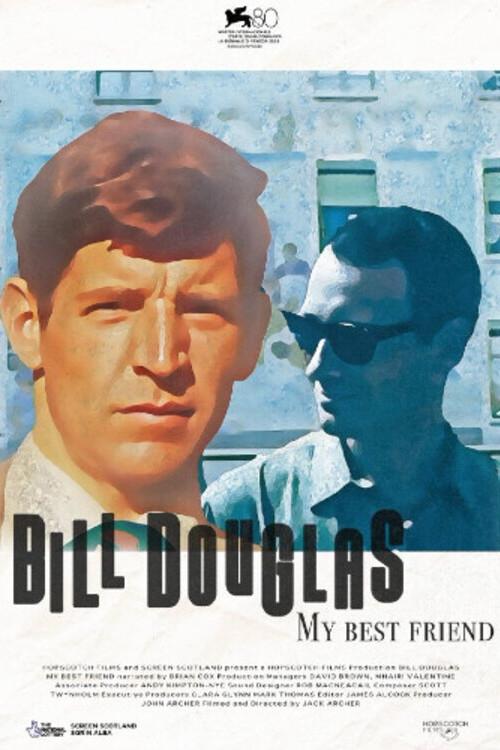
The story of the extraordinary friendship between Scottish film maker Bill Douglas and his lifelong companion and collaborator Peter Jewell. Bill Douglas was Scotland’s finest director, celebrated by the likes of Lynne Ramsay, Lenny Abrahamson, Satajit Ray and Yuliya Solntseva. Bill’s life was turned around in the Egyptian desert when during National Service he met the man who would become his lifelong friend, Peter Jewell. The two men had very different backgrounds but they formed a unique bond that channelled a tremendous creative energy. In this film Peter reminisces about the life he shared with Bill in their tiny Soho flat filled with cinema memorabilia. Their shared love of the movies lead them to start experimenting with an 8mm camera. Peter’s memories and musings about the legacy Bill left behind are illustrated with these never-before-seen short films.
Bill Douglas: My Best Friend
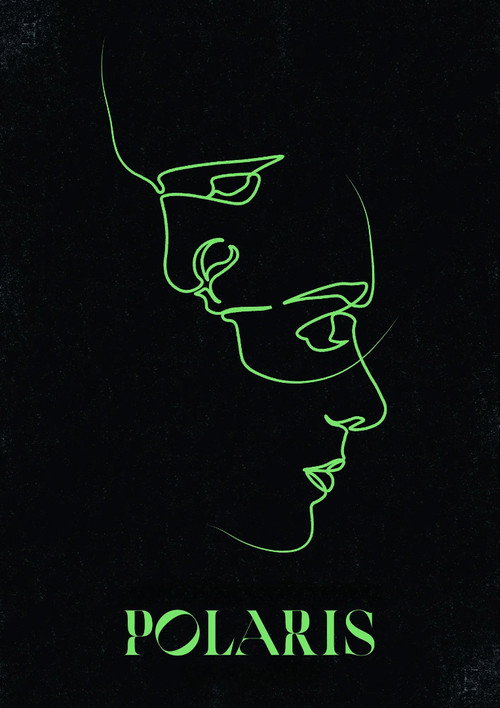
In 1890s Alaska, a photographer documenting the lives of the Inuit people meets the Devil.
Polaris
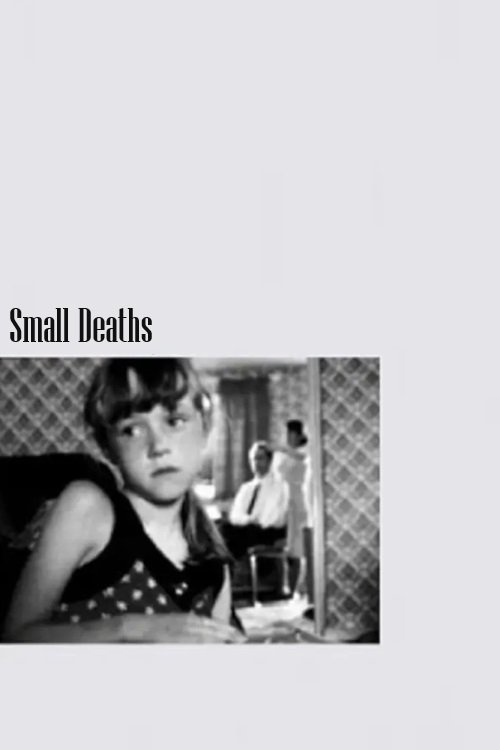
Based on personal memories and experiences of childhood, set in and around a Glasgow housing scheme. A triptych of moments of reflection and loss in one girl's childhood and adolescence.
Small Deaths
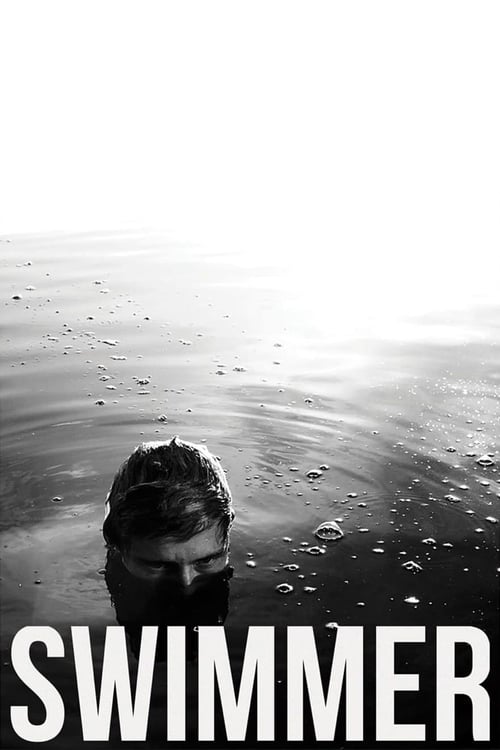
A young man swims across the rivers and lakes of Britain to a soundtrack of assorted nationalistic music. As he passes people on the banksides including children, lovers and a tramp their thoughts and conversations are also heard. Ultimately, after walking through a wood at night, the boy returns to the water and appears to sink below the surface.
Swimmer
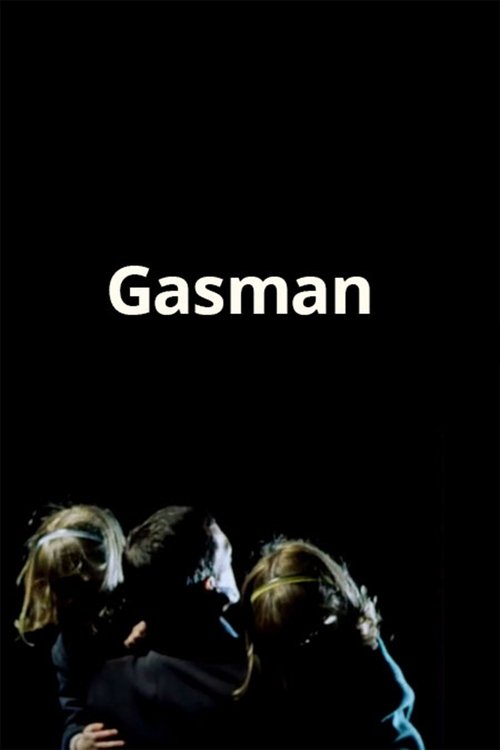
A story of two children who react with naive simple emotion to a situation imposed upon them by their father's secret.
Gasman
Renegade TV was a regular feature on late night Channel 4 in the UK in the late 1990's. This special was made in conjunction with Dazed Magazine and featured a Mondo style compilation of news clips and stories from around the world.
Renegade TV Gets Dazed
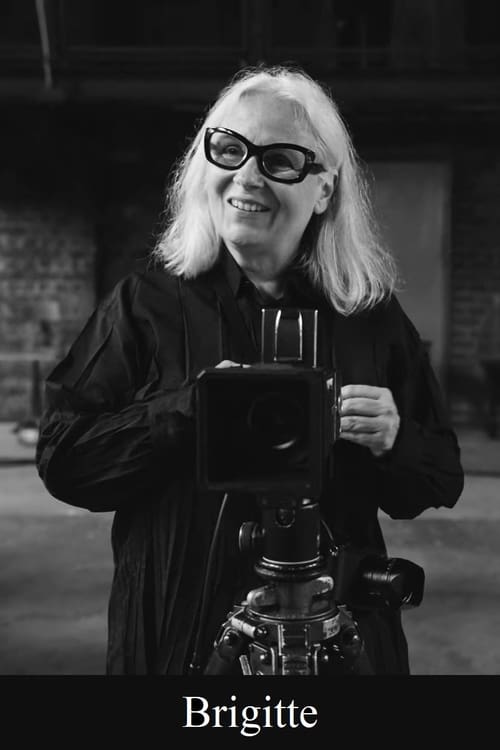
An insight into the creative process of photographer Brigitte Lacombe, exploring her obsession with taking pictures and how her lens defines her relationship with her subjects and the world.
Brigitte
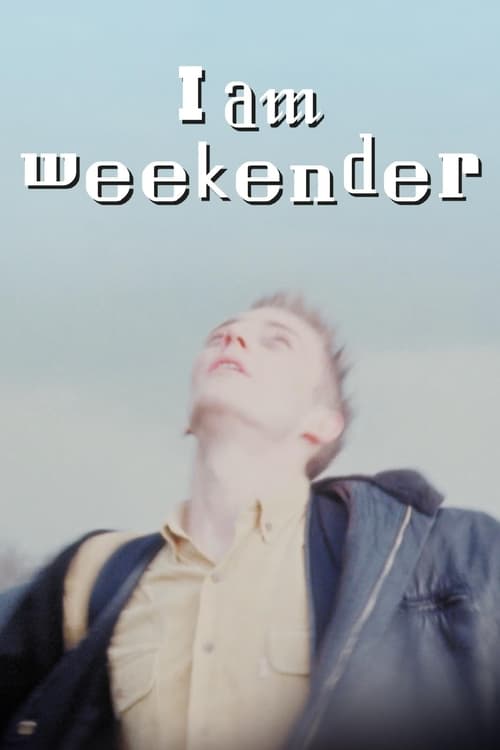
Wiz's Weekender (1992) was a film ahead of its time, both in form and content. It engaged with contemporary issues that mainstream media were eager to sensationalise. Consequently, it was branded with an 18 certificate and banned by both the BBC and ITV, never reaching a wider audience. For the past three decades, Weekender has bubbled just below the surface, gaining genuine cult status and influencing a vast network of creators. In the run-up to its thirtieth anniversary filmmakers Tabitha Denholm and Adam Dunlop interviewed people involved in the project. I Am Weekender is built around those conversations.
I Am Weekender
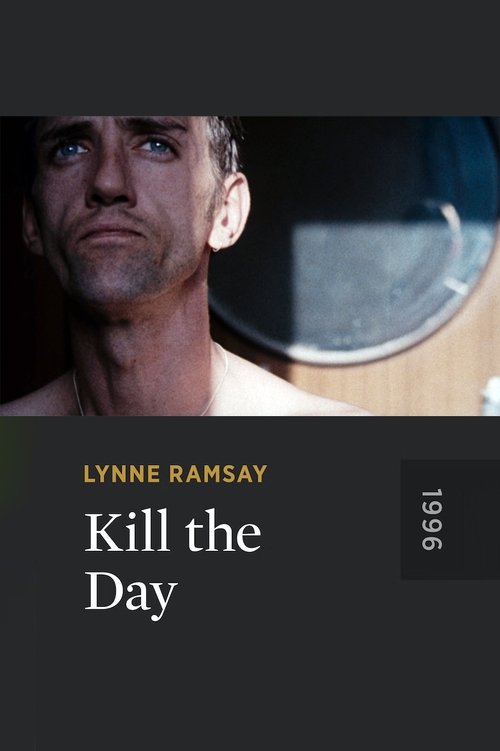
A desperate drug addict breaks into a locker and steals a bag for his next fix, a small crime that lands him behind bars. In prison, he’s a loner, baited by guards who want to see him snap and lose his shot at parole.
Kill the Day
In development. Plot TBA.