Acting
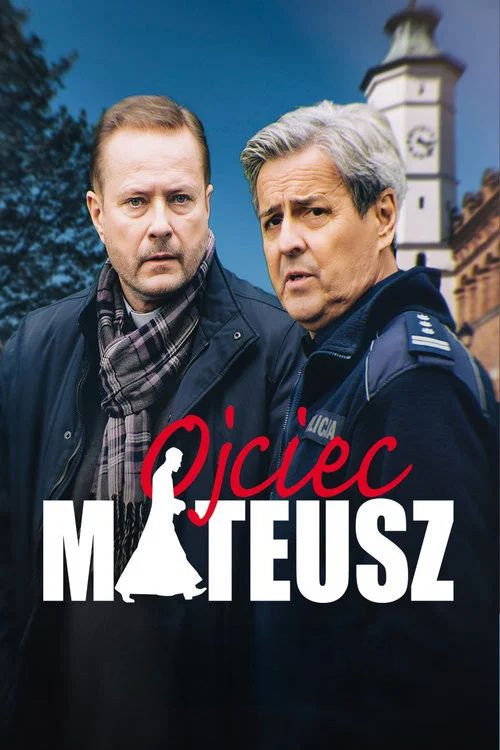
Father Matthew is about the adventures of a Roman Catholic priest who, after returning from a mission to Belarus, is sent to work in a small parish. As a pastor, together with a friendly policeman, he solves mysteries and gives help to his parishioners, as well as all those who are in need.
No description available.
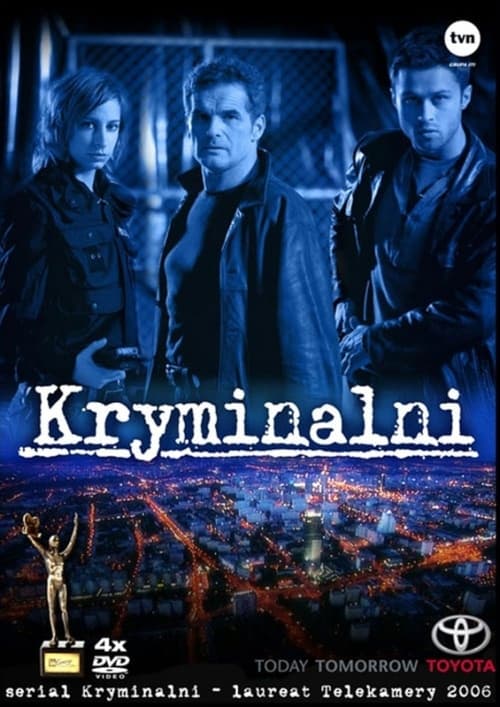
Kryminalni was a Polish crime drama television series that aired on TVN network from September 18, 2004 until May 24, 2008. It ran for 8 seasons and 101 episodes were broadcast in total. It was created by Polish director and screenwriter Piotr Wereśniak and produced by MTL Maxfilm studio. The series followed life and work of police officers from the elite Criminal Terror and Murders Division of the Warsaw Metropolitan Police; the title refers to police officers in the crime section. The three main characters were Adam Zawada, an experienced, tough cup, his younger colleague Marek Brodecki and Barbara Storosz, an ambitious female officer who in the first season joins the team just after graduating. Although none of the main actors had had star status before the series debuted, all three of them rose to prominence and popularity during the 5-year-long run. Many of Poland's best known actors guest starred, usually playing roles of people involved in just one particular investigation. The serial was one of the most popular in Poland: each week it had an audience of 4 million.
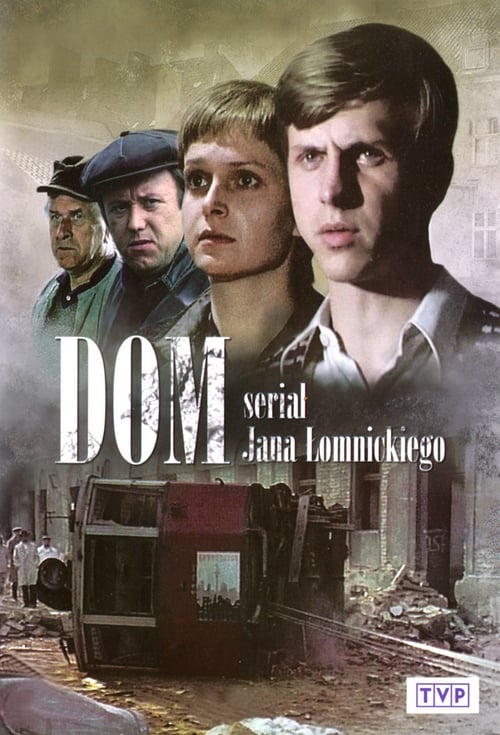
The story of the residents of a tenement house on Złota Street in Warsaw from 1945 to 1980.
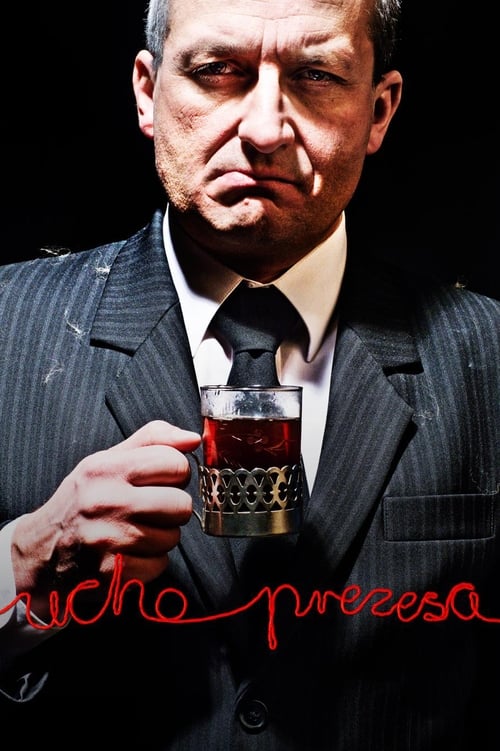
The series follows the chairman of the ruling political party in Poland (Mr Chairman). The narrative takes place primarily in his office where, joined by his assistant Mariusz, he hosts numerous visitors, including government officials and other public office holders.
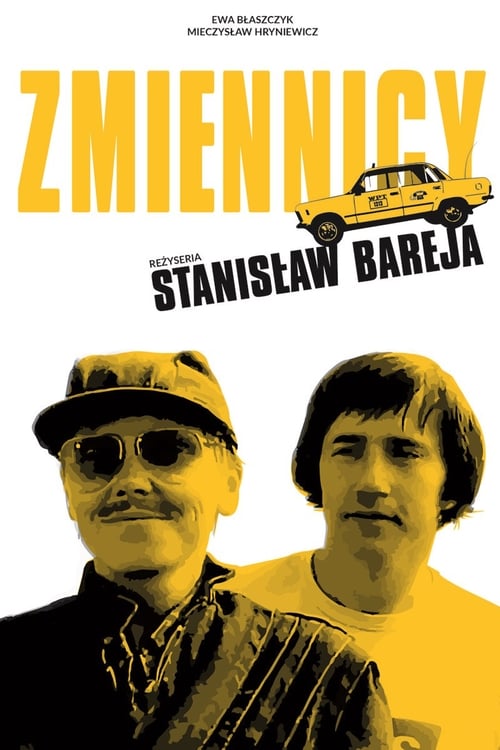
"Zmiennicy" is a grotesque comedy of absurdity and reality that masterfully blends slapstick, satire, and surrealism to expose the absurdities of life under communist rule in the People's Republic of Poland (PRL). The story follows Jacek Żytkiewicz, a taxi driver in Warsaw, and his mysterious new shift partner, Katarzyna Piórecka, who disguises herself as a man to get the job. The series is a comedy of the grotesque, filled with exaggerated characters, nonsensical bureaucracy, and surreal plot twists. It mocks the inefficiencies and contradictions of PRL institutions—from corrupt officials and inept police to bizarre workplace dynamics and social hypocrisy. Underneath the absurdity lies a thriller-like subplot: a drug trafficking operation smuggling heroin from Thailand to West Germany. This storyline, featuring shady sports officials, a Thai student, and a crooked firefighter, adds a layer of intrigue reminiscent of American crime dramas.
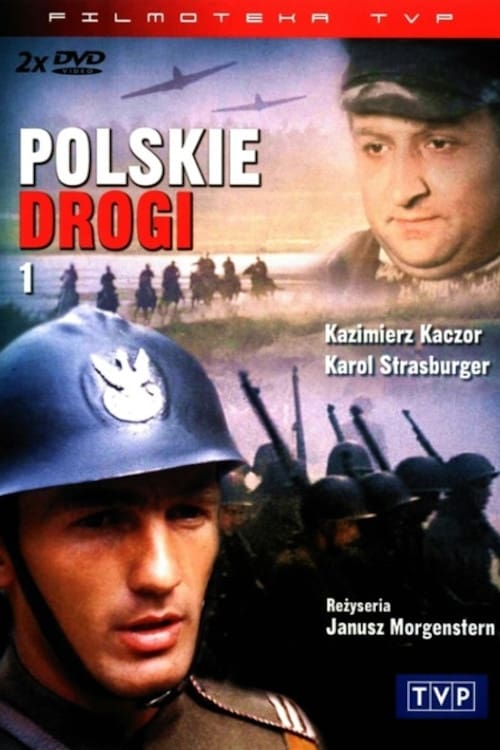
An epic, multi-threaded story about the fate of Poles during World War II. "Czas pogardy" was shown primarily from the perspective of two main characters - Lieutenant Władysław Niwiński and Leon Kuraś - a petty crook, but not without heroic traits. The authors of the series sought to show, in particular, everyday life under Nazi occupation in Poland.
There is a writer who in the late 1970s managed to publish a poem in the monthly "Nowy Wyraz". It was enough to become a self-confessed writer whose name began to appear in the state media. The writer takes full advantage of his privileges - he flirts with power, sympathizes with the opposition, and collapses his studies at the same time. He is saved from going to the army by an exalted essayist whose sister is the head of the psychiatric hospital in Tworki. In a psychiatric institution, a writer meets a schizophrenic who writes a novel. After his suicide, the protagonist takes over the draft, which he publishes outside of censorship under his name, thanks to which he gains fame, fame and money. August '80 breaks out....
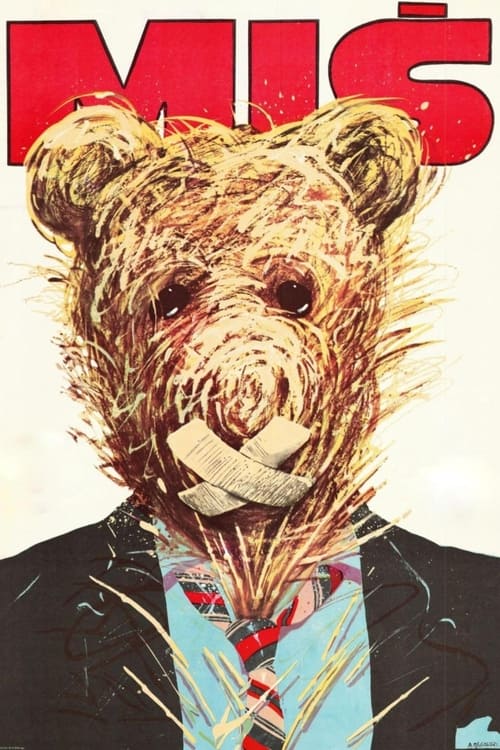
En route to London, Bear discovers at the border checkpoint that his passport is missing a few pages, which may prevent him from traveling to the city with the sports team he manages.
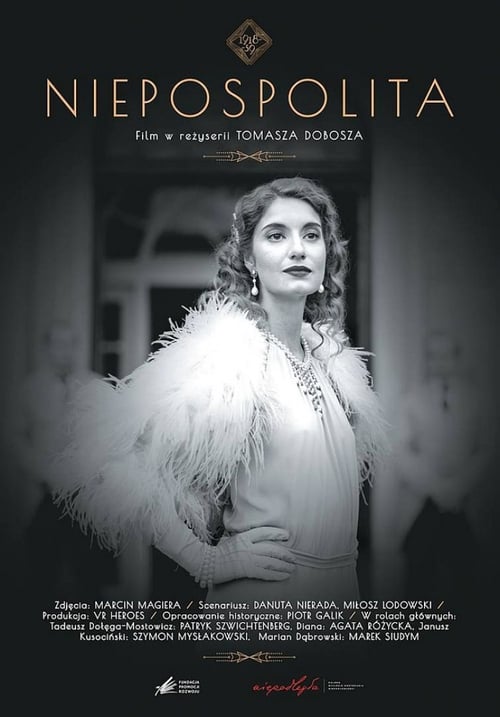
A well-known publisher - Melchior Wańkowicz asks famous writer Tadeusz Dołęga-Mostowicz to create a reportage about "success a la Polonaise". Tadeusz goes with his assistant Diana on a journey to do a series of interviews and meet historical, distinguished personalities. The initial antipathy between Tadeusz and Diana turns into friendship first, and then into... Who will the pair of our heroes meet? How will their relationship develop? What successes and achievements of the young Polish state will they learn about? We invite you to watch Niepospolita (The Unique)!
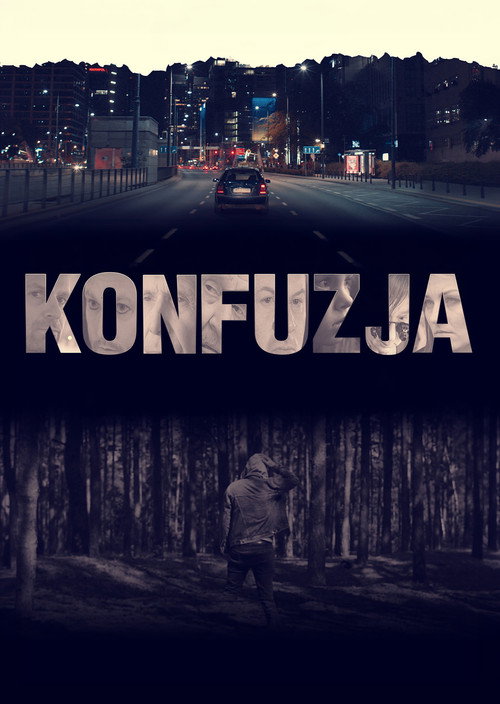
Igor is a Warsaw taxi driver who makes money by transporting drug deliveries for Butcher - a local gangster. Apart from his friend Darek, Igor has no friends. He is lonely, quiet and reserved. He makes friends with 10-year-old Julia, the daughter of Ewa, a dealer he knows, whom he sometimes takes to school. Children go missing in the area, and Igor begins to be observed by the investigating commissioner Zadra. Everything becomes more complicated when Igor is tasked with transporting two mysterious suitcases, and Ewa is found dead.
After the defeat of Napoleon, in whom the Poles had placed so much hope for the restoration of their country, a dark night of slavery descended. Poland was wiped off the map of Europe, but it lived on in the hearts and minds of the Polish people. The struggle for Poland continued in various ways and by various means, depending on which partition the former territories of the country found themselves under. In literature, drama, and later in film, the struggle of Polish patriots with weapons in their hands, e.g., in the November and January uprisings against the tsarist regime, found greater reflection and resonance. Relatively little is known and little was known to the general public about the struggle for the liberation of the people of Greater Poland, which was under Prussian rule. And yet it was the "longest war in modern Europe."
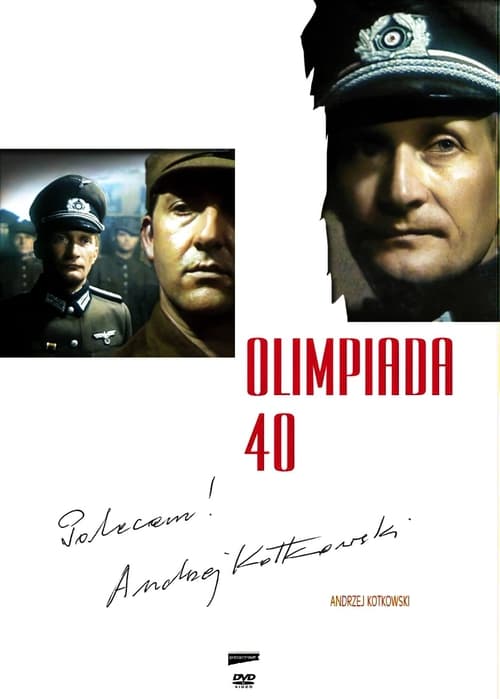
The film deals with the a clandestine Olympiade held in a German POW camp during WW II, housing many Poles, but also French and Brits. A spit and a Polish German lieutenant is added to the staff of a prison camp. He sees a Pole, the acknowledged leader of the Polish prisoners, against whom he had competed during the Berlin Olympics in 1936. He asks the Pole to train with him but is refused; the Pole points out out that he is a prisoner and nothing more. But that plants the seed and the Pole proposes and Olympics 40 to be held among the prisoners. They ingeniously make a flag and medals, set up a number of races; a croaching hop race is unwittingly organized by a German prison guard who uses it as a torture. The German lieutenant knows that something is going on but cannot find out. Finally the Germans realize the idea and the Polish chief is sent to concentration camp but the others disobey the orders.
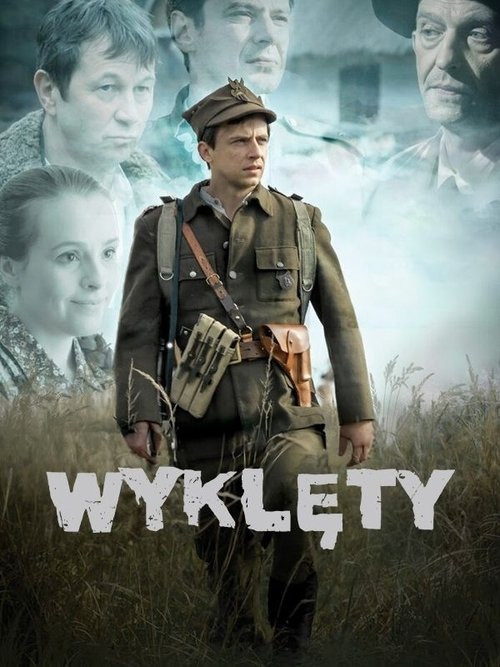
In the 1940s, a small band of underground paramilitaries attempt to fight back against the Soviet-backed security ministry in post-war Poland. Determined to fight for their country's future, the group goes to extreme lengths to make their voice heard.
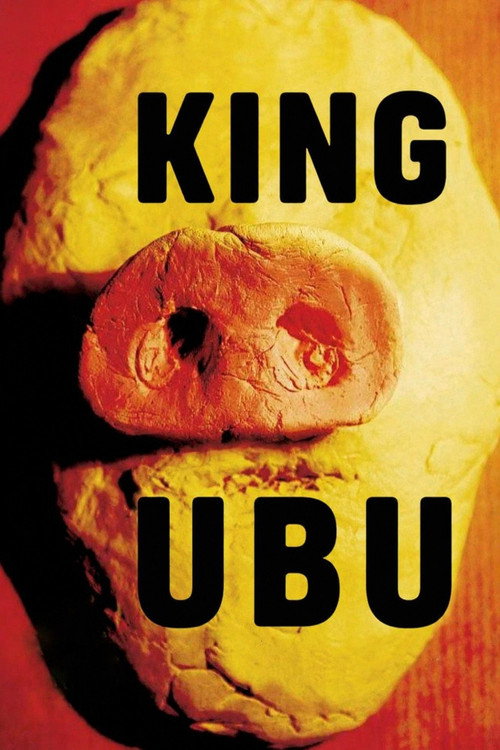
A grotesque Shakespearean tale of Ubu who comes to power in a bloody way. When his absurd reforms fail and the treasury gets empty, Ubu and his flatterers start implementing terror across the country.