Acting
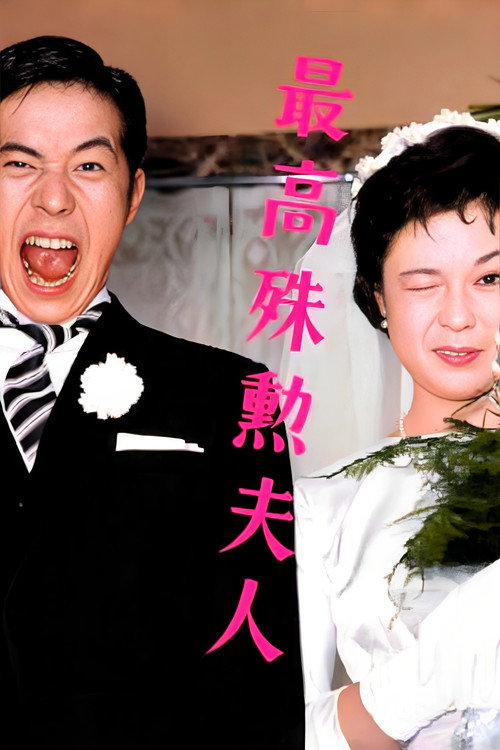
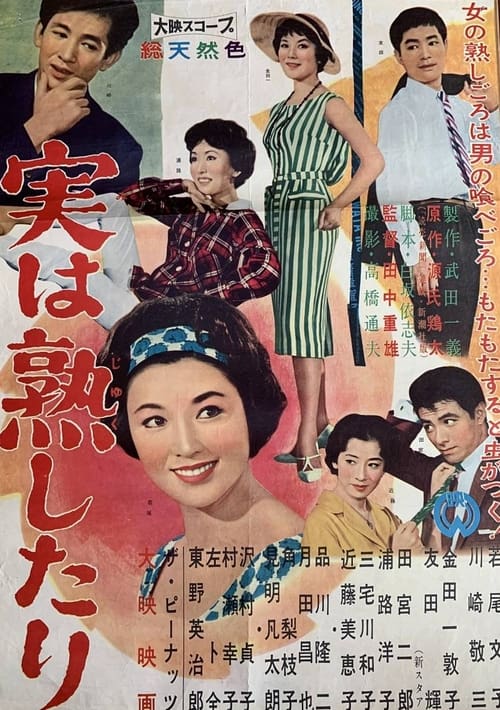
Kyoko is the third daughter of the Nonomiya family, a very ordinary family. Momoko, the eldest daughter, is married to Ichiro, the president of Mihara Shoji, and Riko, the second daughter, is married to Jiro, the managing director, and they plot to marry Kyoko to Saburo, the third son of the Mihara family. Kyoko is angry at the marriage talk that is being pushed forward without her permission, and declares that she "definitely won't get married," but before she knows it, she begins to become aware of the other person...
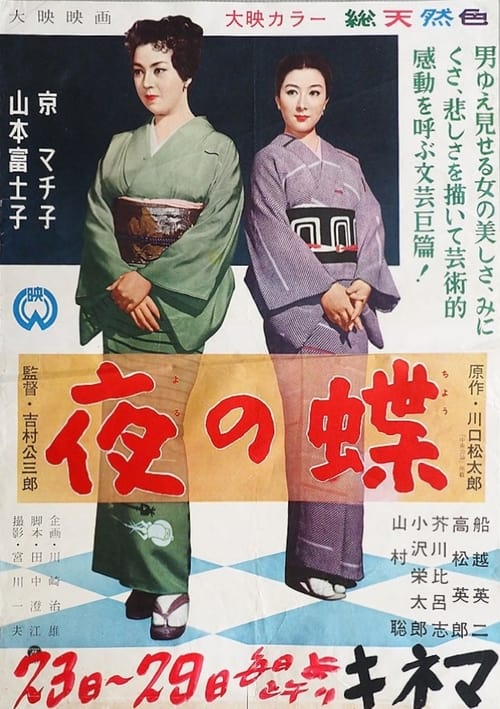
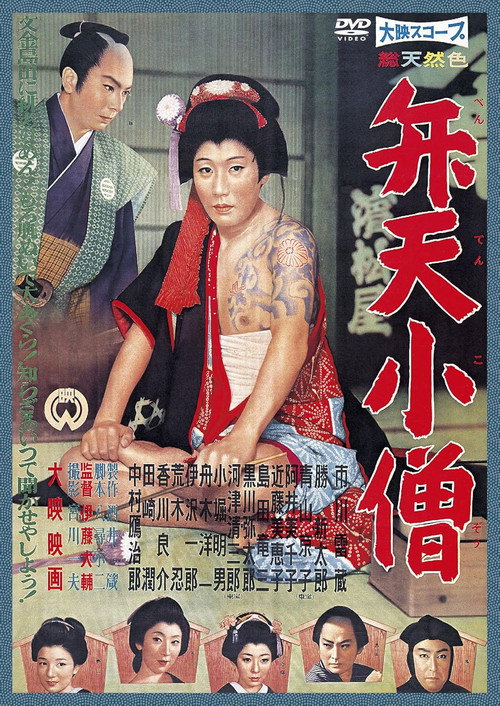
A traditional bar mistress in Kyoto clashes with her Tokyo rival.
A story loosely based on the affair between Empress Kōken-Shōtoku and the monk Dōkyō, set during the Nara period (710–794 A.D.).
Fascinated with women from an early age, Yonosuke had his first sexual encounter at the age of seven. From that day on, he recklessly and forwardly pursues women, feeding his fascination and experience. As Yonosuke's salacious behavior brings much cause for shame to the family, his father eventually breaks relations with him. Expelled from the family, 19-year-old Yonosuke embarks on a pilgrimage of lust, traveling far and wide to acquaint himself with women of all walks.
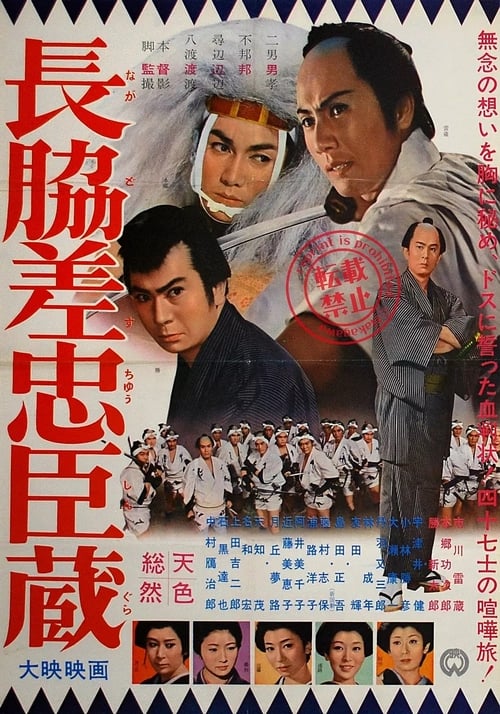
During the reign of Shogun Hidetada, both Hirate Musashi and Okamoto Musashi strive to become the finest swordsman in the land by defeating the Yagyu clan's top instructors and then taking on Sasaki Kojiro!
No description available.
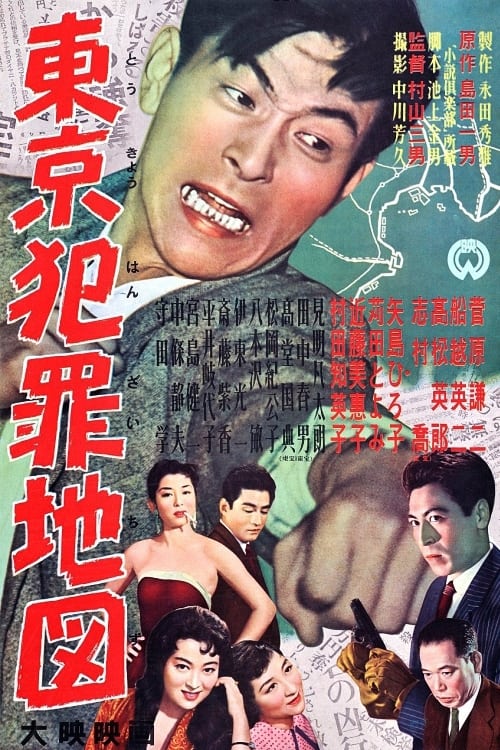
An exciting film about thugs, in which murders and drugs, justice and resentment explode in the dark city of Tokyo with the help of guns and violence.
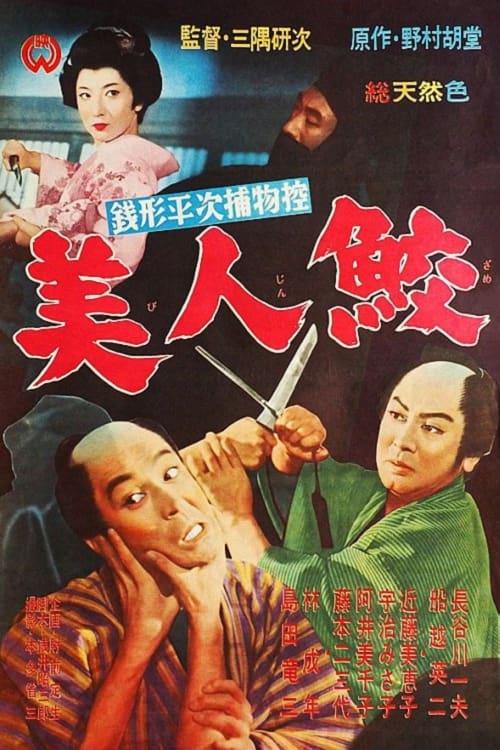
The hairpin murdered a young girl. Detective Zenigata Heiji begin to investigate. Suddenly a murder case turns into a case of smuggling.
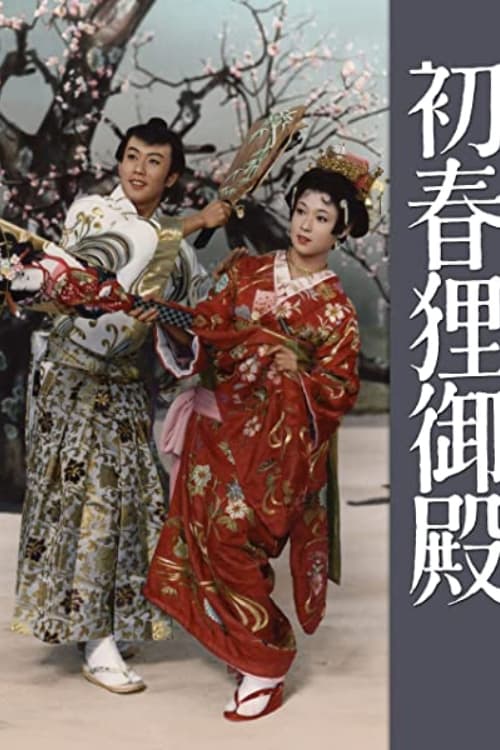
Once upon a time, Okuro (Ayako Wakao), a young female racoon, lived poorly with her drunken father. One day after they disguised themselves as parasols, they were wrongly brought to the Racoon Palace, where the young racoon princess (also Ayako Wakao) made a mess of her arranged marriage with the beautiful racoon prince (Raizô Ichikawa). Pretty princess ran away. In order not to spoil the promising marriage, people tried to make use of resemblances between Okuro and the princess. Before long, Okuro and the Prince fell in love with each other...
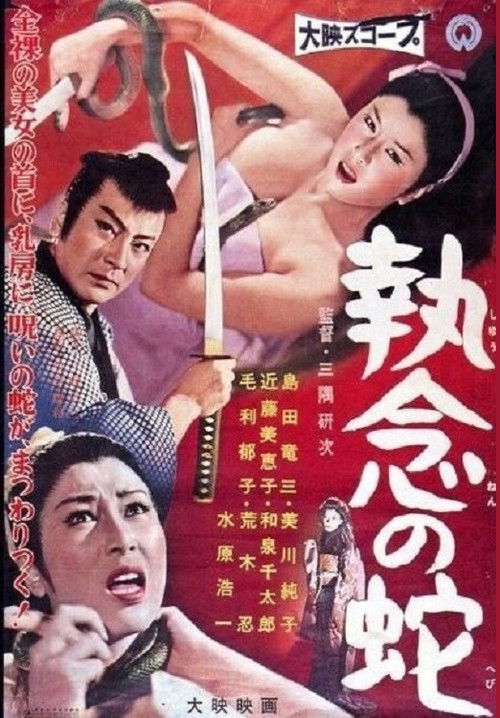
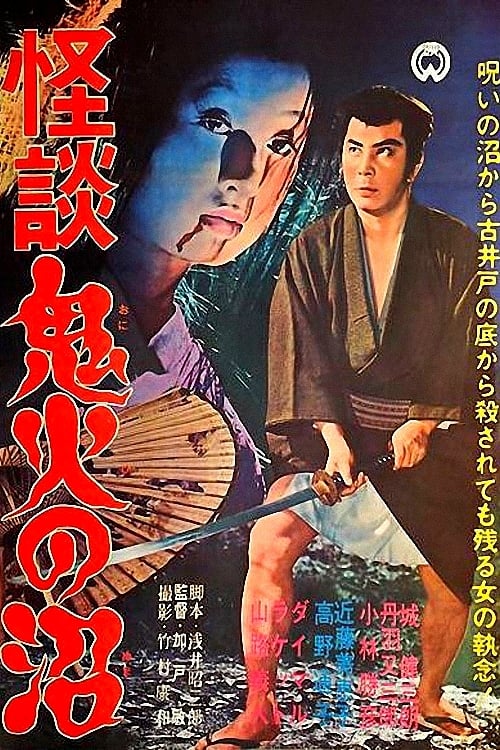
Utaji heard that her ex-lover Seijirou would get married to Ochiyo a daughter of Ise-ya. She murdered Ochiyo and took over the Ise-ya's shop with Hikoroku a head clerk of Ise-ya. Moreover Utaji killed Hikoroku. But...
Nishina Saburouta is powerful but corrupted priest. One night, an old samurai who couldn't bear him any more, attempts to kill him, but without success. Saburouta is rescued by his niece, Keisuke at the last moment. Keisuke is a a good-for-nothing. Since that event, he always turns to his uncle when he needs money. Recently Keisuke feels his uncle isn't as generous as he used to be, he suspects that Saburouta has found out the illicit relation between Keisuke and his uncle's young mistress, Ohasu.
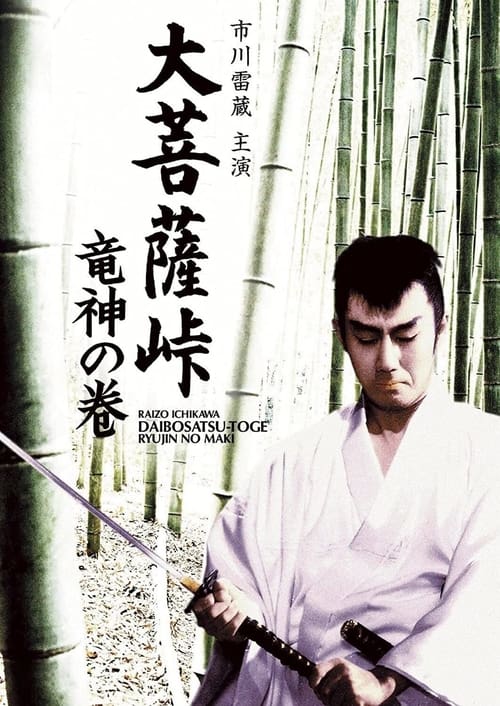
The sequel to Daibosatsu tôge (1960) and the second of the trilogy follows the adventures of Ryunosuke Tsukue after he is blinded.
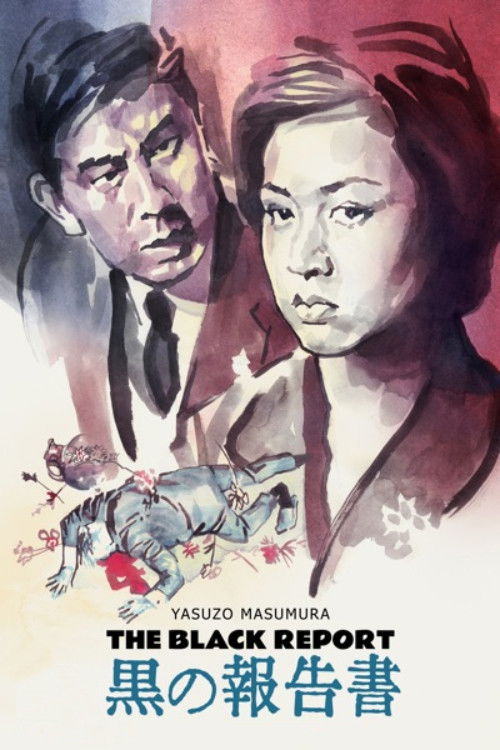
After a businessman is murdered, an investigation identifies a suspect who is then put on trial for that crime.
1959 youth comedy.
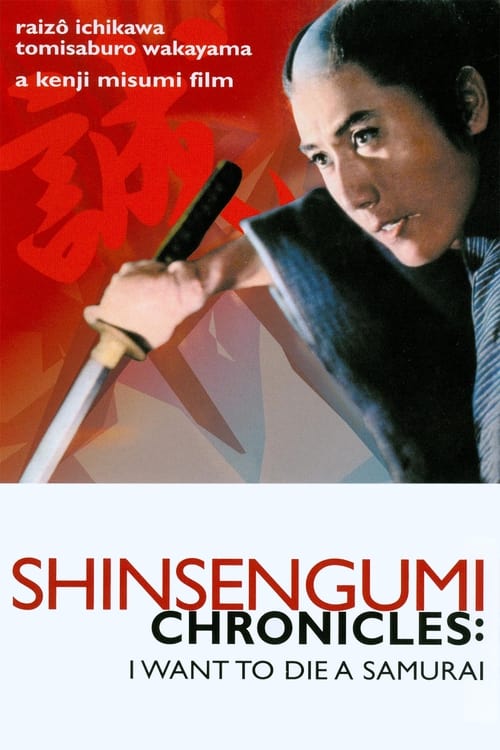
As winds of change sweep Japan, an honest man joins the Shinsengumi out of admiration for its leader, and because he wants to live and die as a samurai. However, as his involvement grows, reality and idealism come into deadly conflict.
The film won 1959 Blue Ribbon Awards for best actor Raizo Ichikawa and for best cinematography Kazuo Miyagawa. The film also won 1959 Kinema Junpo Award for best actor Raizo Ichikawa.
1957 Japanese movie
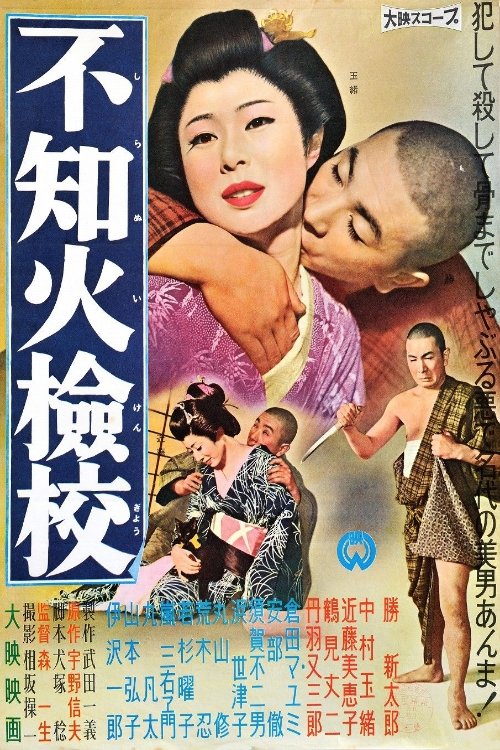
This is the story of a blind masseur who tricks people, steals, and kills; he is the anti-Zatoichi.
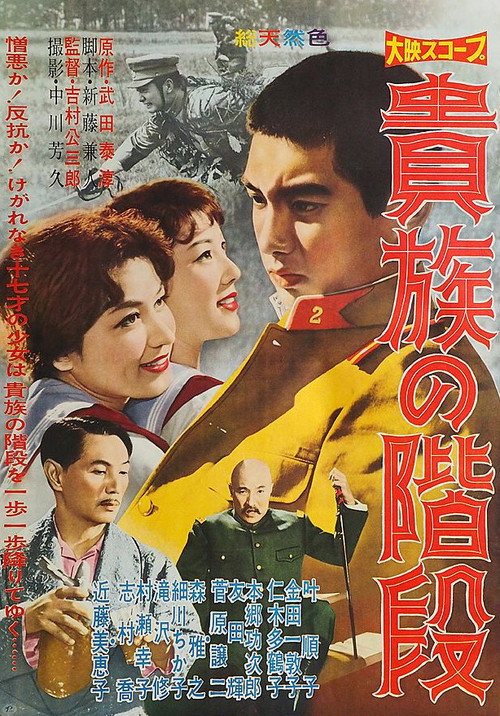
A romantic tale depicting the beautiful and tragic love between a young man and woman from aristocratic families who are caught in the crossfire of the February 26 Incident.
Legendary yakuza Shimizu Jirocho and his 28 henchmen travel the unruly path from a 'Fire Festival' in Akiba to a decisive battle by the Fujigawa.