Directing
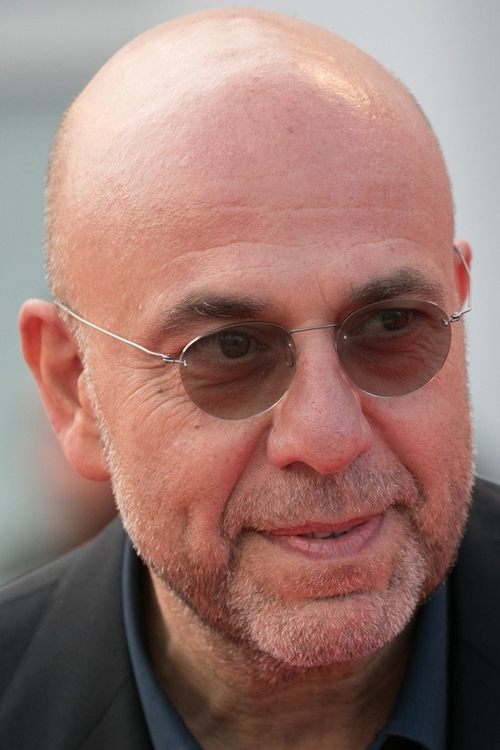
Paolo Virzì is an Italian film director and screenwriter.
2049. Emanuela Fanelli is 63 years old and lives alone in a small isolated mountain village in Valle d'Aosta. She doesn't act anymore, she shied away from cameras and has been forgotten by the showbiz. Through a ironic and speculative tone, Peccato interrogates on the reasons of the actress' retreat, by a "what if" narrative that goes back through Fanelli's carreer and the mysterious scandal that caused her downfall.180
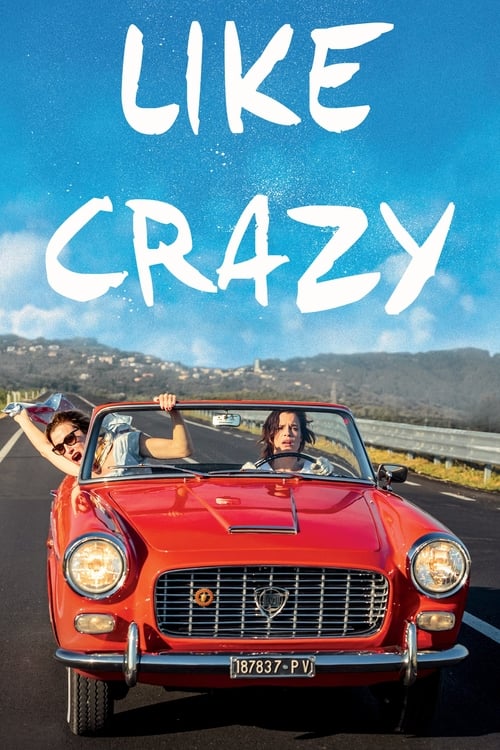
A runaway couple go on an unforgettable journey from Boston to Key West, recapturing their passion for life and their love for each other on a road trip that provides revelation and surprise right up to the very end.
No description available.
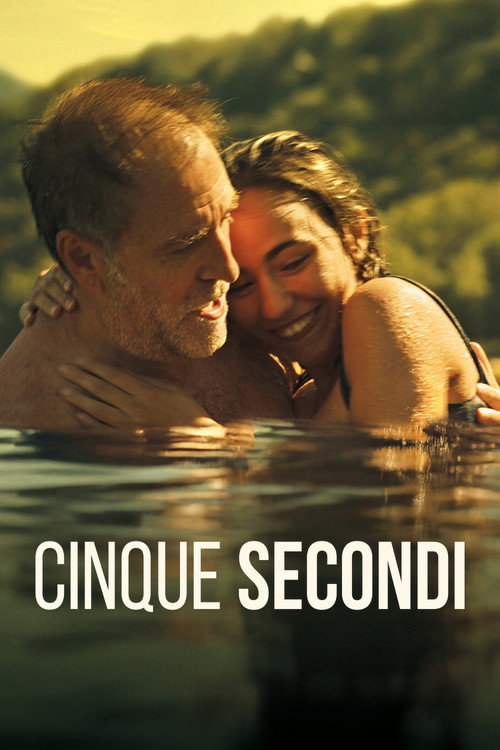
The destinies of two families are irrevocably tied together after a cyclist is hit off the road by a jeep in the night before Christmas Eve.
Adriano is a middle-aged man living in a dilapidated villa in Tuscany, when a group of young idealistic students arrives to restore the villa's vineyards.
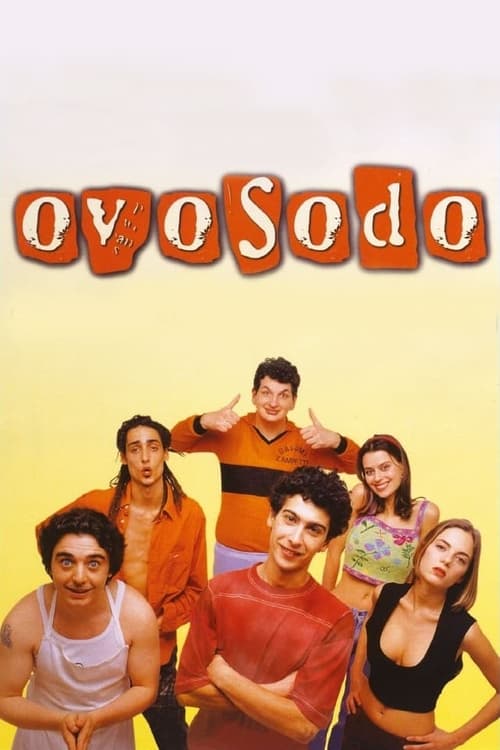
Two mental patients with opposite personalities ditch their Tuscan hospital and embark on an unpredictable exploration of the real world.
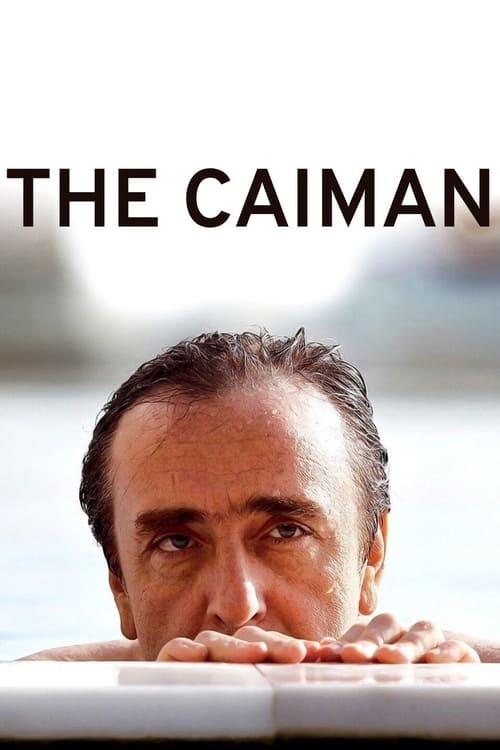
Bruno Bonomo was a famous producer of B-movies in the ‘70s. After a long hiatus, Bonomo offers a screenplay to RAI centered on the figure of Italy’s prime minister and media tycoon Silvio Berlusconi, a subject so controversial that even the public television broadcaster refuses to produce it
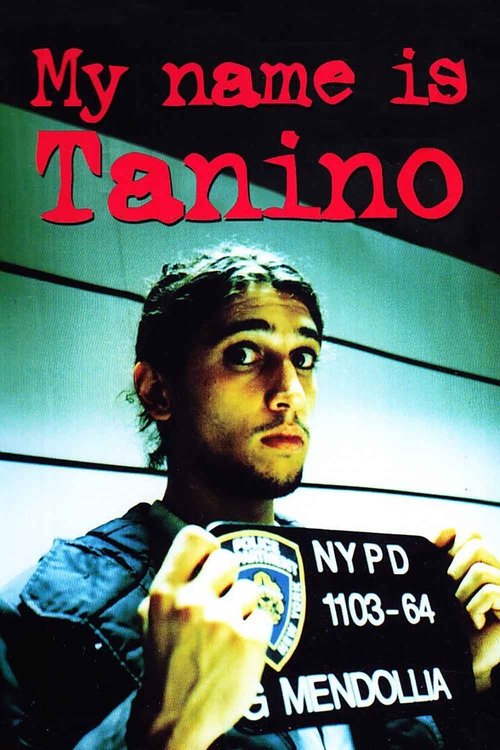
During a sun-soaked Sicilian summer, aimless filmmaking undergrad and back-seat radical Tanino has a fling with Sally, a dreamy American tourist from an upper background. When summer ends, Sally flies back home, without ever reaching out. Clueless, a smitten Tanino decides to pay her a surprise visit under the pretense of returning a camera she left behind. But when he gets there, he quickly realizes the reality of America—and his relationship with Sally's—is far from the idealized version his small-town boy imagination conjured.
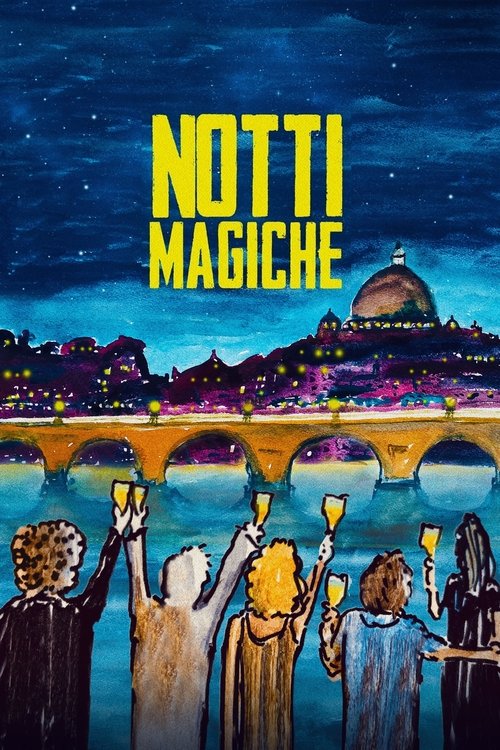
Rome, 1990. The night Italy's national football team is eliminated from the World Cup by Argentina on penalty kicks, a well-known film producer is found dead in the Tiber river. The main suspects for the murder are three young aspiring screenwriters, who–promptly taken to the police–start to tell their version of the story.
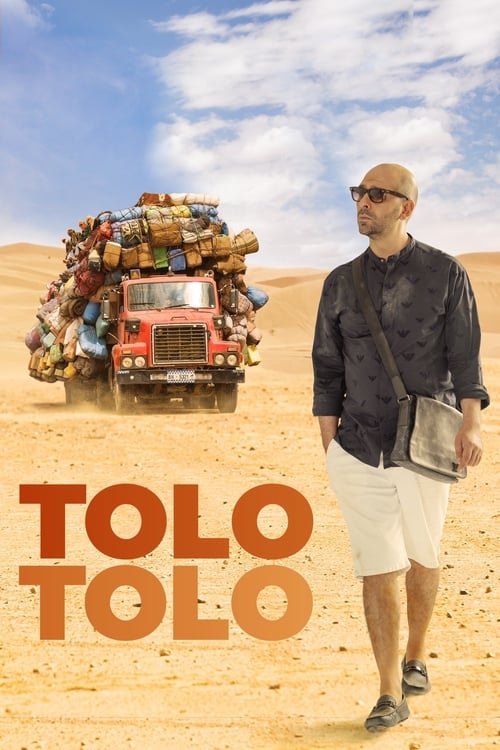
Checco is a young Apulian entrepreneur dreamer who has opened a sushi restaurant in his Apulia. However, after one month, the restaurant went bankrupt and he chose to emigrate to Africa to escape from debt. Here he adapts to being a waiter in a resort in Kenya, but at the outbreak of a civil war he decides to embark on a stowaway trip on a boat for migrants to Europe and chooses to do it with his African friends. However, he would not like to return to Italy, but rather to go to Liechtenstein where banking secrecy is in force and there is a lower tax burden than in Italy.
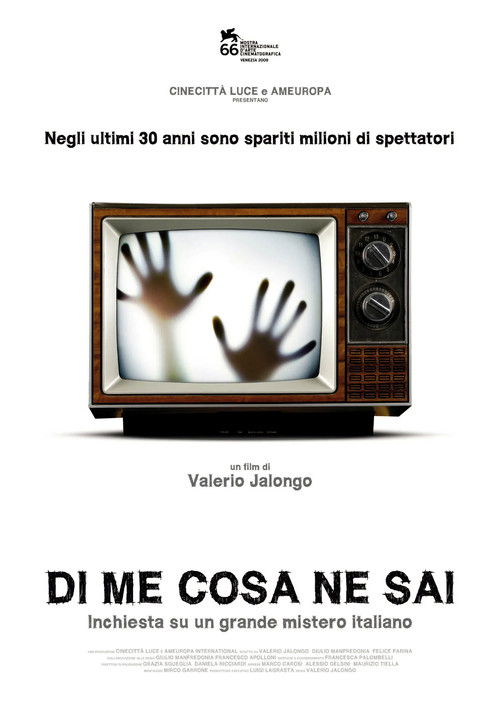
Until the 1970s, Italian cinema dominated the international scene, even competing with Hollywood. Then, in just a few years, came its rapid decline, the flight of our greatest producers, a crisis among the best writer-directors, the collapse of production. But what are the true causes and circumstances of this decline? In an attempt to provide an answer to this question, Di Me Cosa Ne Sai strives to depict this great cultural change. Begun as a loving examination of Italian cinema, the film transformed into a docu-drama that alternates between interviews with the great names of the past and fragments of cultural and political life of the last 30 years. It is a travel diary that shows Italy from north to south, through movie theatres; television-addicted kids; Berlusconi and Fellini; shopping centers; TV news editors; stories of impassioned film exhibitors and directors who fight for their films; and interviews with itinerant projectionists and great European directors.
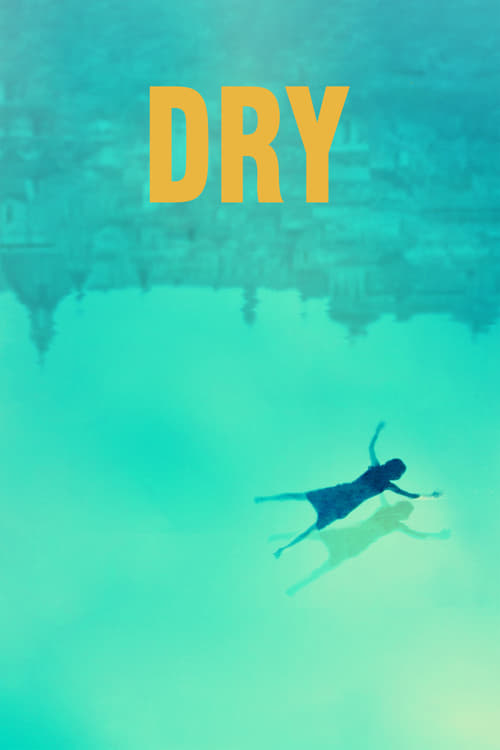
In Rome it hasn’t rained for three years and the lack of water is overturning rules and habits. Through the city dying of thirst and prohibitions moves a chorus of people, young and old, marginalised and successful, victims and profiteers. Their lives are linked in a single design, while each seeks his or her deliverance.
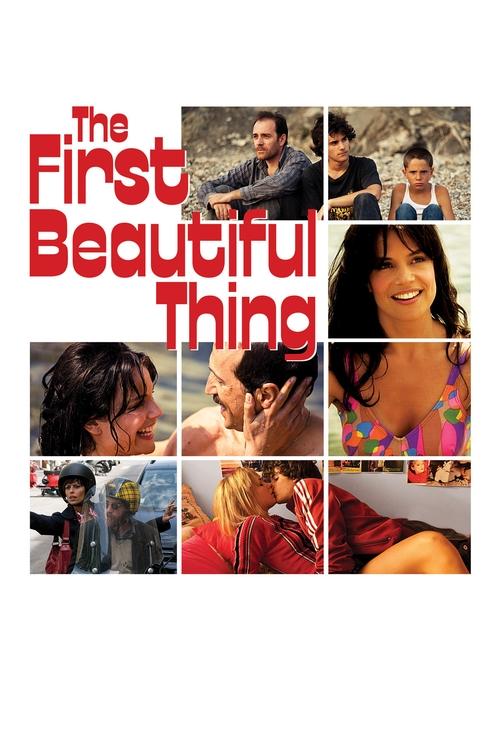
The film tells the story of the Michelucci family, from the nineteen-seventies to the present day: the central character is the stunningly beautiful Anna, the lively, frivolous and sometimes embarrassing mother of Bruno and Valeria. Everything begins in the Summer of 1971, at the annual Summer beauty pageant held at Livorno’s most popular bathing establishment. Anna is unexpectedly crowned “Most Beautiful Mother”, unwittingly stirring the violent jealousy of her husband. From then on, chaos strikes the family and for Anna, Bruno and his sister Valeria, it is the start of an adventure that will only end thirty years later.
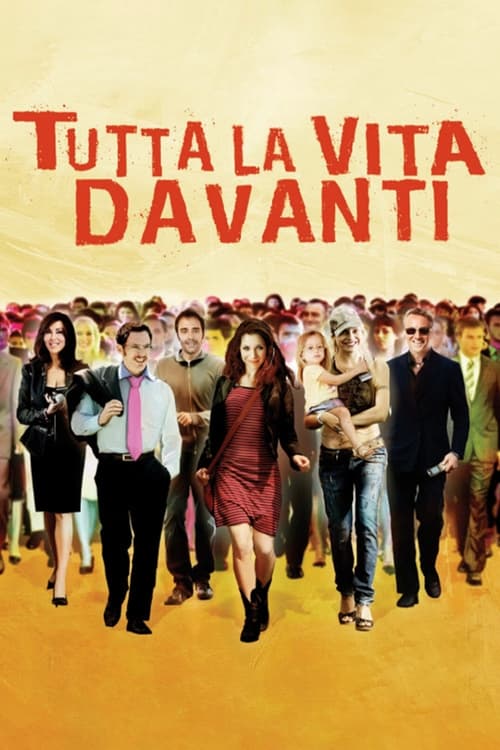
25-year-old philosophy major Marta faces the ugly truth for many young Italians — a complete lack of career opportunities. While babysitting for single mother Sonia, she starts to work as a telemarketer, experiencing first-hand the fanatical and exploitative rat-race culture pushed on employees while quickly rising through the ranks of the company. Around her revolve people like delusional supervisor Daniela, her womanizing boss Claudio, fragile coworker Lucio "2", and well-meaning but inconsistent union rep Giorgio.
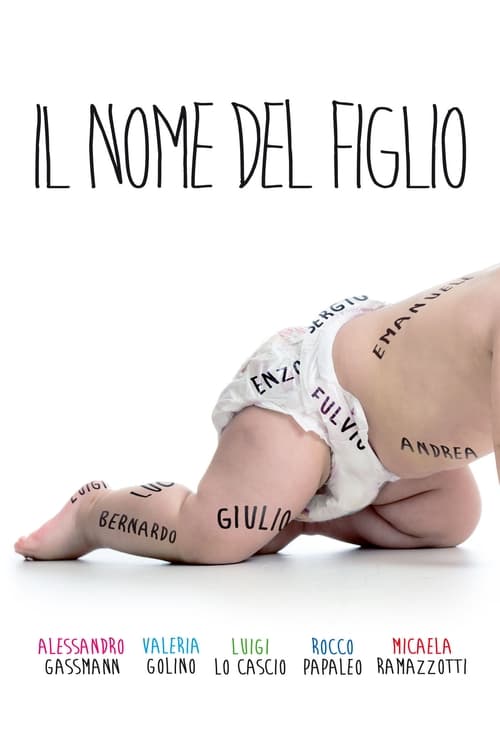
Paolo is an outgoing and handsome real estate broker married to Simona, a beautiful woman from the rough outskirts of Rome who has become an author of spicy bestsellers and is pregnant with their child. Betta, Paolo’s sister and her husband Sandro organise a dinner party with Paolo, Simona and their childhood friend, the eccentric musician Claudio. During the lively gathering Paolo reveals what he would like to name his son, causing reactions to steam up and a torrent of revelations to follow reaching climactic proportions.
From childhood to fatherhood, Piero learns things the hard way while growing up in a working-class neighborhood of Livorno.
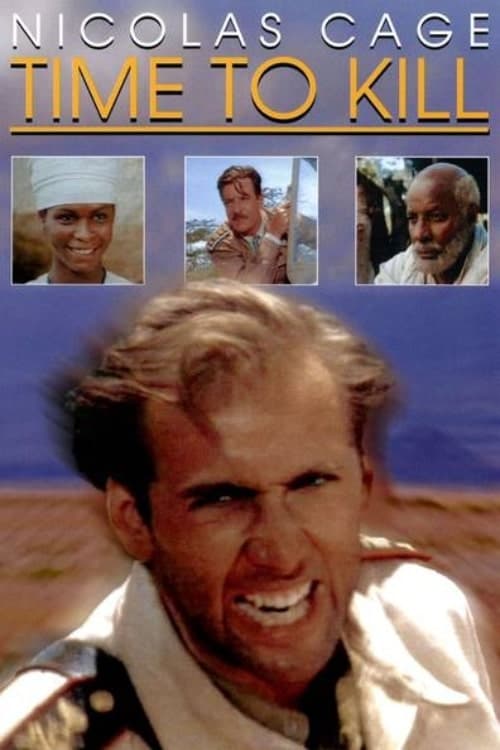
During the invasion of Ethiopia in 1936, a wounded Italian soldier ends up stranded in the desert after a truck wreck. He makes his way to the nearest army hospital, losing his sanity in the process.
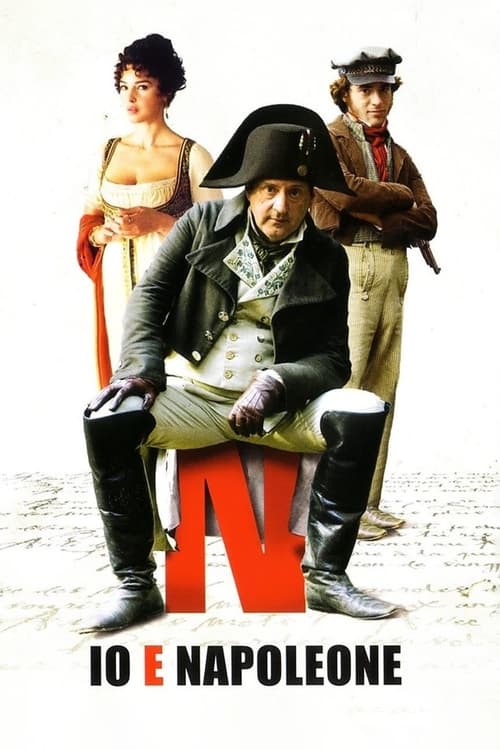
Elba island, 1814. Martino is a young teacher, idealist and strongly anti Napoleon, in love with the beautiful and noble Baroness Emily. The young man finds himself serving as librarian to the Great Emperor in exile, whom he deeply hates, yet soon begins recording Napoleon's memoirs, getting to know and learning to value the man behind the myth. Among seductions and affairs, expectations and fears, he will craft a precise portrait that nevertheless will not manage to hide a final, inevitable, disappointment.