Robert Quarry
Acting
Biography
From Wikipedia, the free encyclopedia Robert Walter Quarry (3 November 1925 – 20 February 2009) was an American actor, known for several prominent horror film roles. Quarry was born in Santa Rosa, California, the son of Mable and Paul Quarry, a doctor. His films include Count Yorga, Vampire (1970), its sequel The Return of Count Yorga (1971), and Dr. Phibes Rises Again (1972), in which he played alchemist Dr. Biederbeck pitted against Vincent Price's Phibes in a race to find the mythical elixir of eternal life. Although it is well-known that Price did not care for his co-star - once, when Quarry was singing in his dressing room during the making of Dr Phibes Rises Again, he said to Price, "You didn't know I could sing did you?" and Price replied: "Well I knew you couldn't act." - the two were later also paired in Madhouse (1974). American International Pictures had plans for Quarry to succeed Price, but the decline in the company's fortunes, and old style horror films falling out of fashion, meant that it never happened. Quarry did make further horror film appearances, as the hippy guru vampire Khorda in 1973's The Deathmaster and as a gangster in the 1974 zombie movie Sugar Hill. A third Count Yorga film was often rumored to be in the works, but never materialised. Quarry's career was further set back by a road accident that resulted in serious facial injuries (in which he was hit by a drunk driver), but he made several memorable guest appearances on TV shows, notably The Rockford Files episode, "Requiem For a Funny Box", as Lee Russo. He also played disfigured gunrunner Commander Corliss in the Buck Rogers in the 25th Century episode "Return of the Fighting 69th". In the 1980s and 1990s, he returned to film, becoming a favorite of director Fred Olen Ray. Quarry died at the Motion Picture & Television Country House and Hospital in Woodland Hills, California at the age of 83. Description above from the Wikipedia article Robert Quarry, licensed under CC-BY-SA, full list of contributors on Wikipedia.
Known For

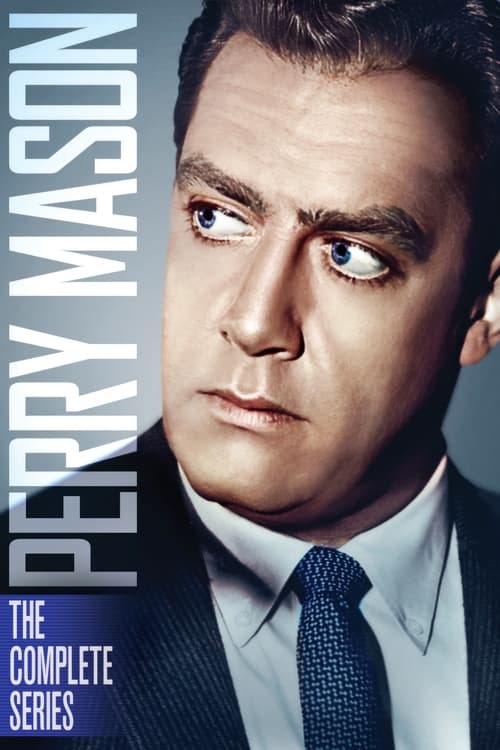
The cases of master criminal defense attorney Perry Mason and his staff who handled the most difficult of cases in the aid of the innocent.
Perry Mason

Richard Kimble is falsely convicted of his wife's murder and given the death penalty. En route to death row, Kimble's train derails and crashes, allowing him to escape and begin a cross-country search for the real killer, a "one-armed man". At the same time, Dr. Kimble is hounded by the authorities, most notably dogged by Police Lieutenant Philip Gerard.
The Fugitive

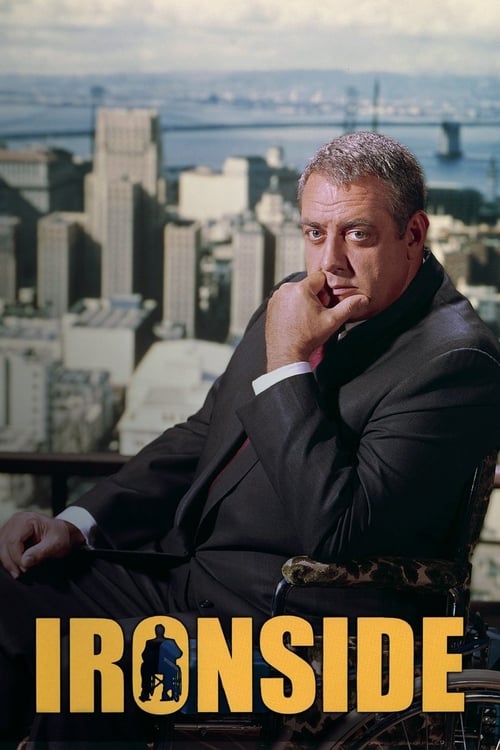
When an assassin's bullet confines him to a wheelchair for life ending his career as Chief of Detectives, Robert T. Ironside becomes a consultant to the police department. Detective Sergeant Ed Brown and policewoman Eve Whitfield join with him to crack varied and fascinating cases. Ex-con Mark Sanger is employed by the chief as home help but eventually becomes a fully fledged member of the team also. Officer Whitfield leaves after 4 years service, and is replaced by Officer Fran Belding.
Ironside

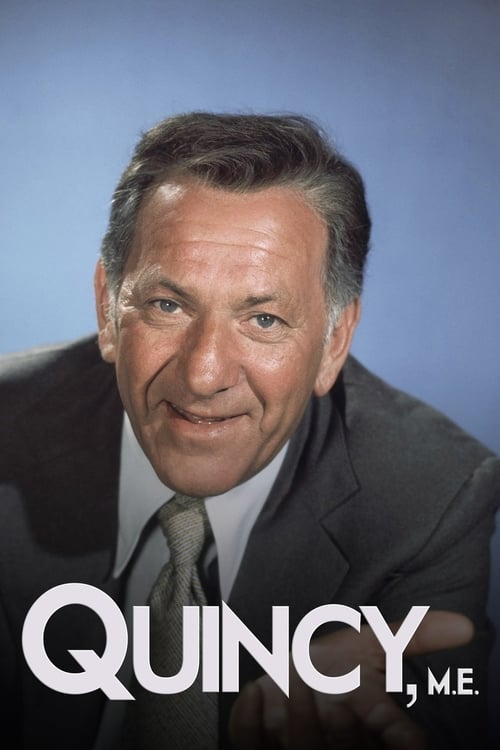
Los Angeles County medical examiner Quincy routinely engages in police investigations.
Quincy, M.E.

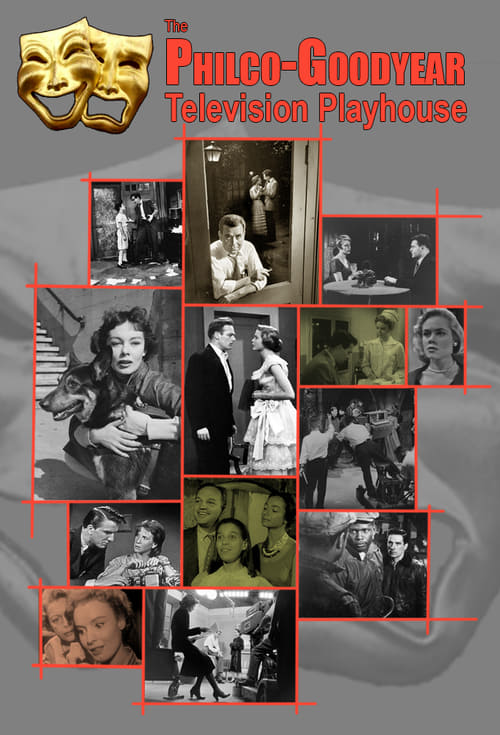
The Philco Television Playhouse is an American anthology series that was broadcast live on NBC from 1948 to 1955. Produced by Fred Coe, the series was sponsored by Philco. It was one of the most respected dramatic shows of the Golden Age of Television, winning a 1954 Peabody Award and receiving eight Emmy nominations between 1951 and 1956.
The Philco Television Playhouse

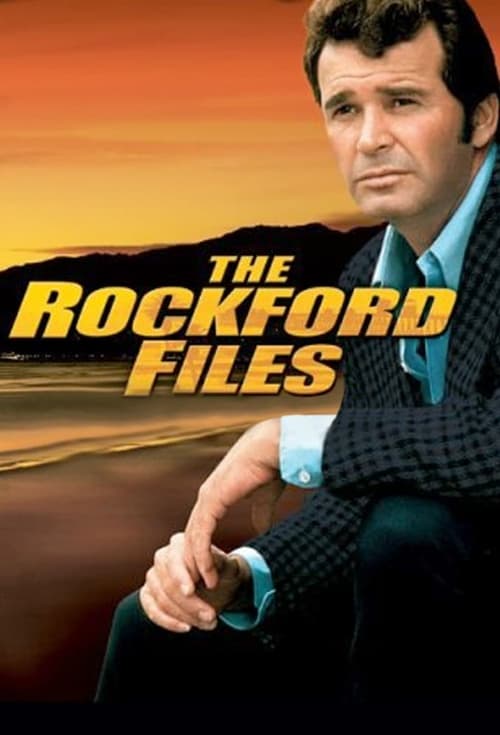
Cranky but likable L.A. PI Jim Rockford pulls no punches (but takes plenty of them). An ex-con sent to the slammer for a crime he didn't commit, Rockford takes on cases others don't want, aided by his tough old man, his lawyer girlfriend and some shady associates from his past.
The Rockford Files

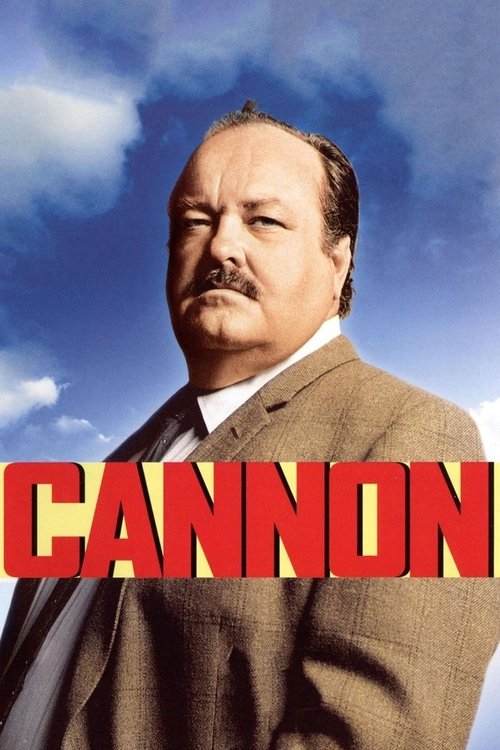
Cannon is a CBS detective television series produced by Quinn Martin which aired from March 26, 1971 to March 3, 1976. The primary protagonist is the title character, private detective Frank Cannon, played by William Conrad. He also appeared on two episodes of Barnaby Jones. Cannon is the first Quinn Martin-produced series to be aired on a network other than ABC. A "revival" television film, The Return of Frank Cannon, was aired on November 1, 1980. In total, there were 124 episodes.
Cannon

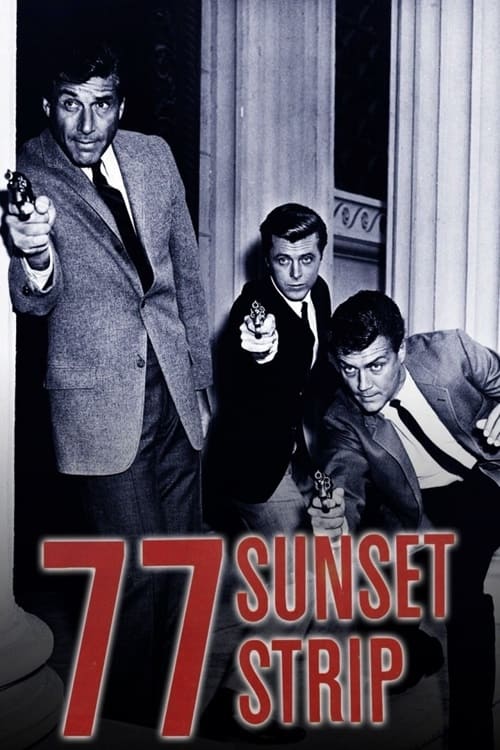
Stu Bailey and Jeff Spencer are the wisecracking, womanizing private-detective heroes of this Warner Brothers drama. They work out of an office located at 77 Sunset Strip in Los Angeles, California, right next door to a snazzy restaurant where Kookie works as a valet. The finger-snapping, slang-talking Kookie occasionally helps Stu and Jeff with their cases, and eventually becomes a full-fledged member of the detective agency. Rex Randolph and J.R. Hale also join the firm, and Suzanne is their leggy secretary.
77 Sunset Strip

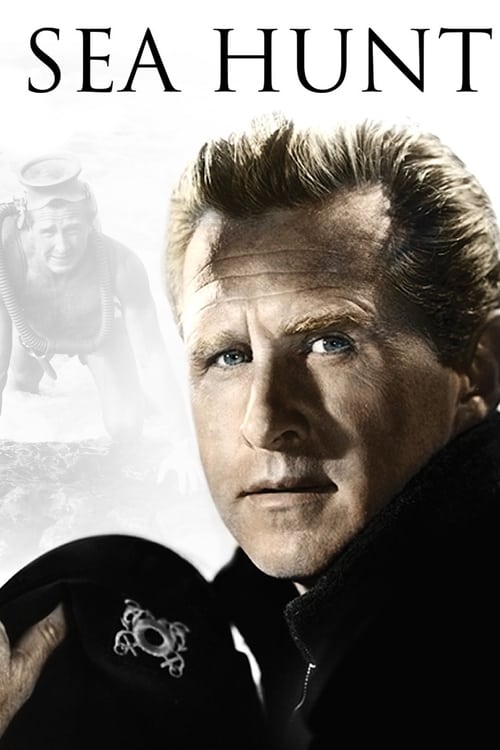
Sea Hunt is an American adventure television series that aired in syndication from 1958 to 1961 and was popular in syndication for decades afterwards. The series originally aired for four seasons, with 155 episodes produced. It stars Lloyd Bridges as ex-Navy frogman Mike Nelson, and was produced by Ivan Tors.
Sea Hunt

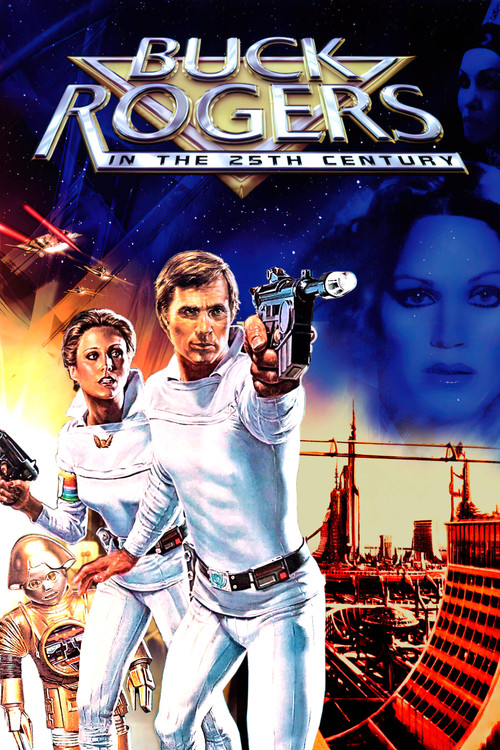
20th-century astronaut Buck Rogers awakens in the 25th century after a freak accident puts him in suspended animation for 500 years. Upon returning to Earth and discovering the planet is recovering from a nuclear war, Buck uses his combat skills and ingenuity to protect Earth and fight evil throughout the galaxy alongside starfighter pilot Colonel Wilma Deering and robot companion Twiki.
Buck Rogers in the 25th Century

Richard Diamond, Private Detective is an American detective drama which aired on radio from 1949 to 1953, and on television from 1957 to 1960.
Richard Diamond, Private Detective

No description available.
Kraft Suspense Theatre

An anthology series that explored the ways sudden and unexpected wealth changed life for better or for worse. It told the stories of people who were given one million dollars from a benefactor who insisted they never know him, with one exception.
The Millionaire

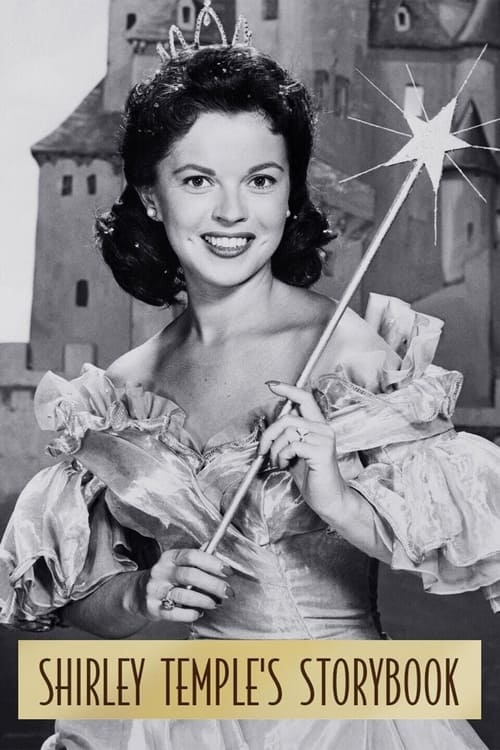
Shirley Temple's Storybook is an American children's anthology series hosted and narrated by actress Shirley Temple. The series features adaptations of fairy tales like Mother Goose and other family-oriented stories performed by well-known actors, although one episode, an adaptation of The House of the Seven Gables, was meant for older youngsters. Temple's three children made their acting debuts in the last episode of the first season, "Mother Goose".
Shirley Temple's Storybook
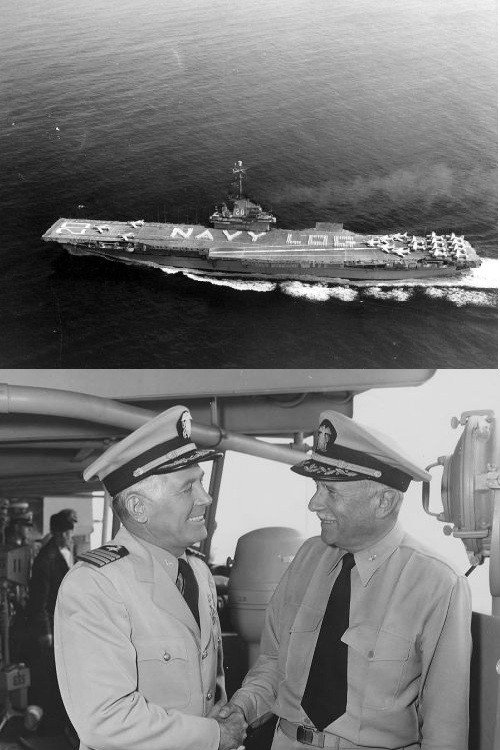
Navy Log is an American drama anthology series that initially aired for one season on CBS. It relates the greatest survival war stories in the history of the United States Navy. This series premiered on September 20, 1955, but the following year, it was moved to ABC, where it aired until September 25, 1958. The program aired for a total of three seasons and 102 episodes.
Navy Log

Mickey Spillane's Mike Hammer is the title used for two syndicated television series that followed the adventures of fictional private detective Mike Hammer. The gritty, crime fighting detective—created by American crime author Mickey Spillane—has also inspired several feature films and made-for-TV movies.
Mickey Spillane's Mike Hammer

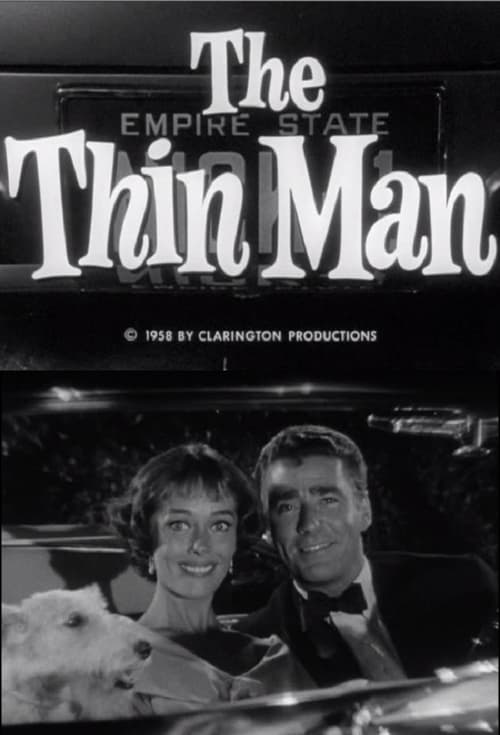
Nick Charles was a private detective who married the wealthy Nora and decided to settle down and leave the good life. Unfortunately for the couple, Nick's past frequently caught up with him and got the couple involved in mystery after mystery. The series was based on the popular MGM series of movies of the 1930's starring William Powell and Myrna Loy. Peter Lawford and Phyllis Kirk starred as the televison versions of Nick and Nora which ran on NBC for two seasons from 1957-59.
The Thin Man

A short-lived anthology series narrated by Westbrook Van Voorhis. Each episode tells its own thriller story and featured its own unique cast.
Panic!
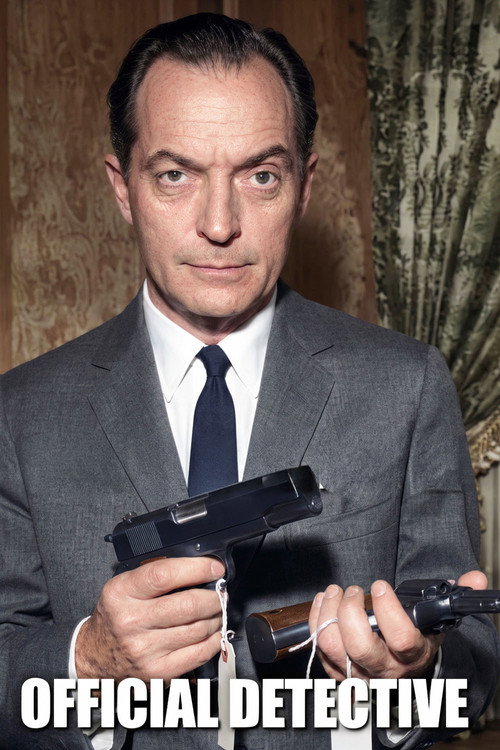
An American anthology television series which aired in syndication from 1957 to March 19, 1958. The series was hosted by veteran film actor Everett Sloane.
Official Detective

Long-running anthology program sponsored by Hallmark Cards. Beginning in 1951 and continuing into 2019, the series received 80 Emmy Awards, 24 Christopher Awards, 11 Peabody Awards, 9 Golden Globes, and 4 Humanitas Prizes. Early seasons were a weekly live drama, eventually transitioning to videotaped and then filmed productions broadcast as occasional specials.