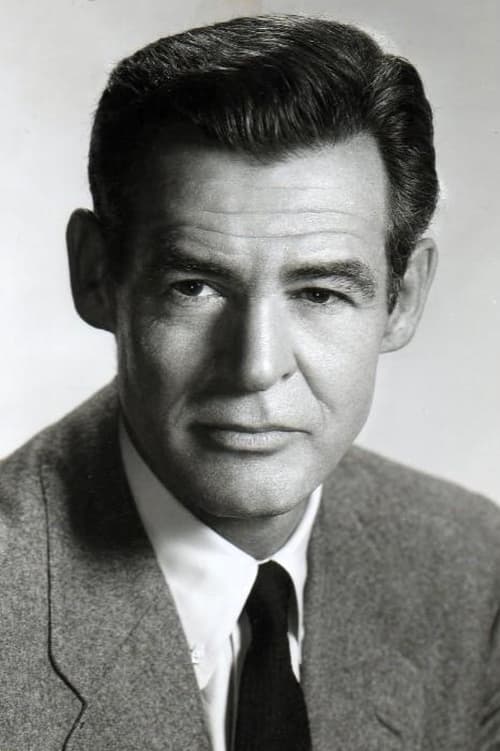
Robert Ryan
Acting
Biography
Robert Bushnell Ryan (November 11, 1909 – July 11, 1973) was an American actor who often played hardened cops and ruthless villains. Ryan was born in Chicago, Illinois, the first child of Timothy Ryan and his wife Mabel Bushnell Ryan. He graduated from Dartmouth College in 1932, having held the school's heavyweight boxing title all four years of his attendance. After graduation, the 6'4" Ryan found employment as a stoker on a ship, a WPA worker, and a ranch hand in Montana. Ryan attempted to make a career in show business as a playwright, but had to turn to acting to support himself. He studied acting in Hollywood and appeared on stage and in small film parts during the early 1940s. In January 1944, after securing a contract guarantee from RKO Radio Pictures, Ryan enlisted in the United States Marine Corps and served as a drill instructor at Camp Pendleton, in San Diego, California. At Camp Pendleton, he befriended writer and future director Richard Brooks, whose novel, The Brick Foxhole, he greatly admired. He also took up painting. Ryan's breakthrough film role was as an anti-Semitic killer in Crossfire (1947), a film noir based on Brooks's novel. The role won Ryan his sole career Oscar nomination, for Best Supporting Actor. From then on, Ryan's specialty was tough/tender roles, finding particular expression in the films of directors such as Nicholas Ray, Robert Wise and Sam Fuller. In Ray's On Dangerous Ground (1951) he portrayed a burnt-out city cop finding redemption while solving a rural murder. In Wise's The Set-Up (1949), he played an over-the-hill boxer who is brutally punished for refusing to take a dive. Other important films were Anthony Mann's western The Naked Spur, Sam Fuller's uproarious Japanese set gangland thriller House of Bamboo, Bad Day at Black Rock, and the socially conscious heist movie Odds Against Tomorrow. He also appeared in several all-star war films, including The Longest Day (1962) and Battle of the Bulge (1965), and The Dirty Dozen. He also played John the Baptist in MGM's Technicolor epic King of Kings (1961) and was the villainous Claggart in Peter Ustinov's adaptation of Billy Budd (1962). In his later years, Ryan continued playing significant roles in major films. Most notable of these were The Dirty Dozen, The Professionals (1966) and Sam Peckinpah's highly influential brutal western The Wild Bunch (1969). Ryan appeared several times on the Broadway stage. His credits there include Clash by Night, Mr. President and The Front Page, the comedy drama about newspapermen. He appeared in many television series as a guest star, including the role of Franklin Hoppy-Hopp in the 1964 episode "Who Chopped Down the Cherry Tree?" on the NBC medical drama about psychiatry, The Eleventh Hour. Similarly, he guest starred as Lloyd Osment in the 1964 episode "Better Than a Dead Lion" in the ABC psychiatric series, Breaking Point. In 1964, Ryan appeared with Warren Oates in the episode "No Comment" of CBS's short-lived drama about newspapers, The Reporter, starring Harry Guardino in the title role of journalist Danny Taylor. Ryan appeared five times (1956–1959) on CBS's Dick Powell's Zane Grey Theater and twice (1959 and 1961) on the Zane Grey spin-off Frontier Justice. He appeared three times (1962–1964) on the western Wagon Train.
Known For
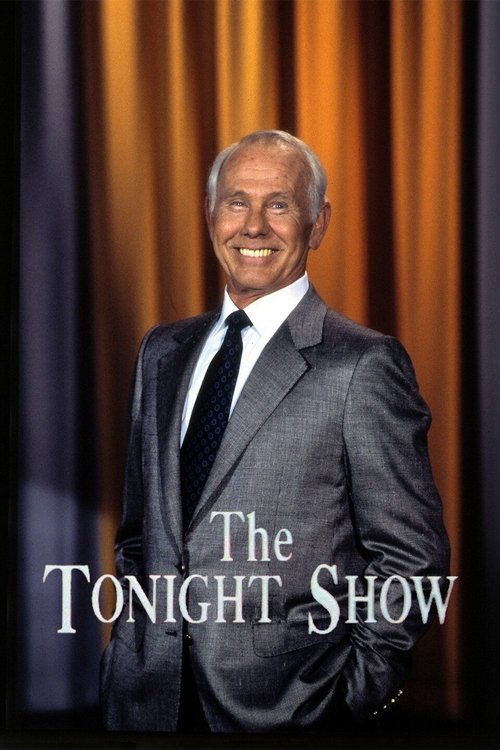
The Tonight Show Starring Johnny Carson is a talk show hosted by Johnny Carson under The Tonight Show franchise from 1962 to 1992. It originally aired during late-night. For its first ten years, Carson's Tonight Show was based in New York City with occasional trips to Burbank, California; in May 1972, the show moved permanently to Burbank, California. In 2002, The Tonight Show Starring Johnny Carson was ranked #12 on TV Guide's 50 Greatest TV Shows of All Time.
The Tonight Show Starring Johnny Carson
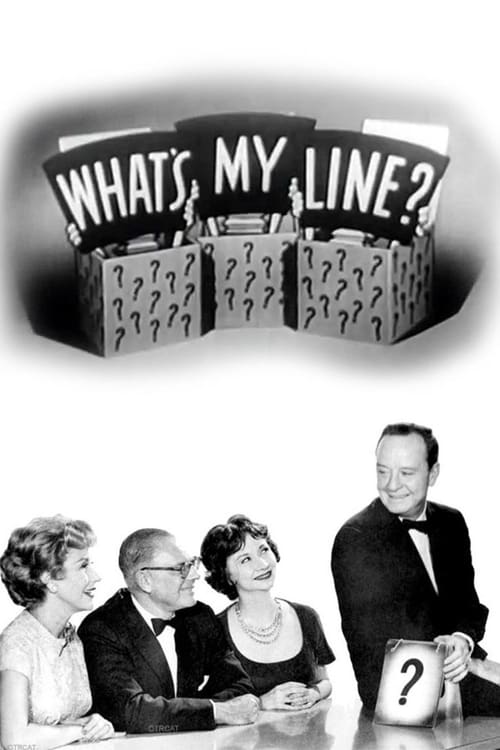
Four panelists must determine guests' occupations - and, in the case of famous guests, while blindfolded, their identity - by asking only "yes" or "no" questions.
What's My Line?
No description available.
Bob Hope Presents the Chrysler Theatre
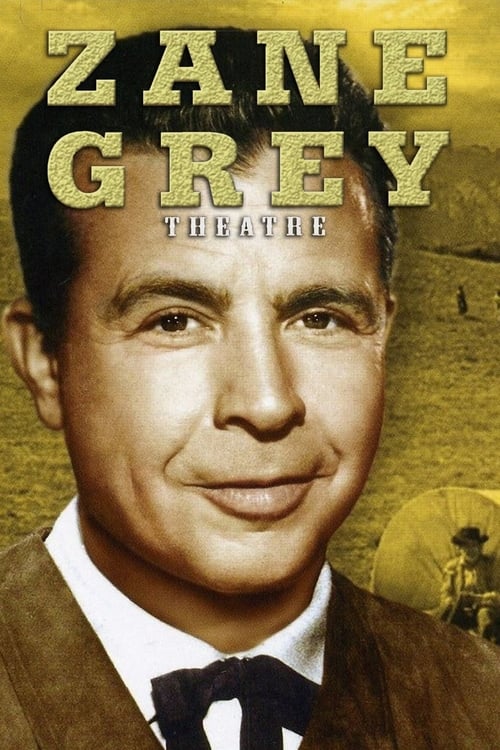
Dick Powell's Zane Grey Theatre, sometimes simply called Zane Grey Theatre, is an American Western anthology series which ran on CBS from 1956 to 1961.
Dick Powell's Zane Grey Theatre
An annual American awards ceremony honoring cinematic achievements in the film industry. The various category winners are awarded a copy of a statuette, officially the Academy Award of Merit, that is better known by its nickname Oscar.
The Oscars
No description available.
The Steve Allen Show
No description available.
Kraft Suspense Theatre
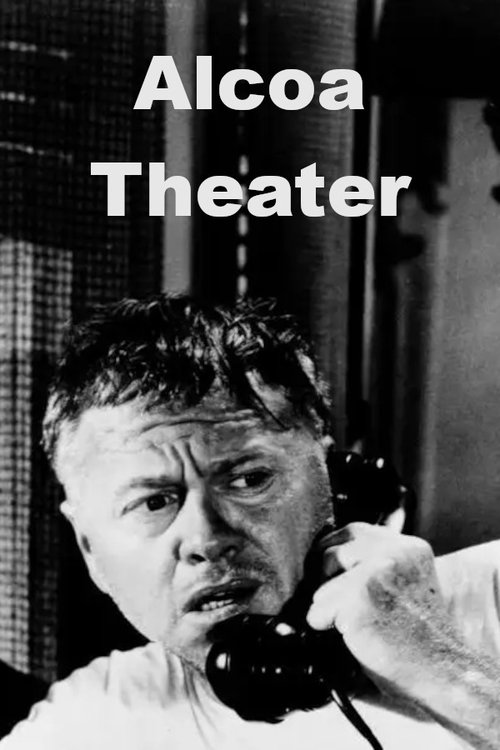
Alcoa Theatre is a half-hour American anthology series telecast on NBC at 9:30 pm on alternate Monday nights from October 7, 1957 to September 16, 1960. The program also aired under the title Turn of Fate, with the stories depicting the difficulties faced by individuals who are suddenly thrust into unexpected and perilous dangers. Alcoa Theatre was syndicated together with Goodyear Theatre as Award Theatre. In 1955, The Alcoa Hour premiered in a one-hour format aired on Sunday nights, but it was reduced to 30 minutes, retitled Alcoa Theatre, and moved to Monday evening in 1957. The show employed an alternating rotating company of actors: David Niven, Robert Ryan, Jane Powell, Jack Lemmon and Charles Boyer. Each appeared in dramatic and light comedic roles through the first season.
Alcoa Theatre
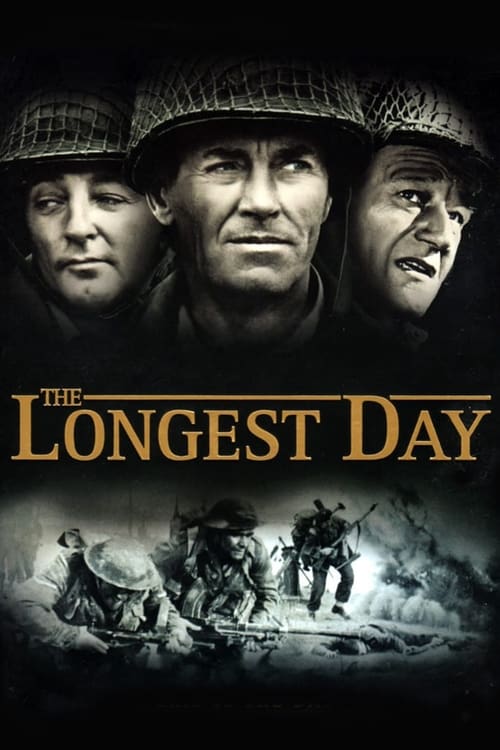
The retelling of June 6, 1944, from the perspectives of the Germans, US, British, Canadians, and the Free French. Marshall Erwin Rommel, touring the defenses being established as part of the Reich's Atlantic Wall, notes to his officers that when the Allied invasion comes they must be stopped on the beach. "For the Allies as well as the Germans, it will be the longest day"
The Longest Day

12 American military prisoners in World War II are ordered to infiltrate a well-guarded enemy château and kill the Nazi officers vacationing there. The soldiers, most of whom are facing death sentences for a variety of violent crimes, agree to the mission and the possible commuting of their sentences.
The Dirty Dozen
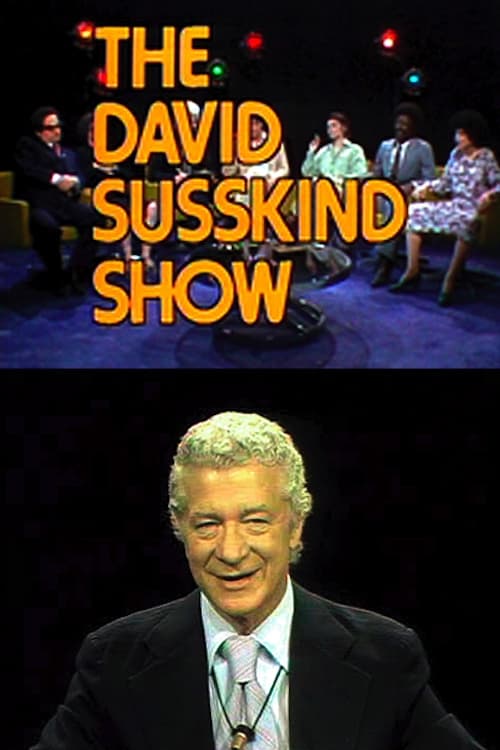
The David Susskind Show is an American television talk show hosted by David Susskind. The program began its existence in 1958 as Open End, and was broadcast by WNTA-TV in New York City. The title referred to the fact that the program continued until Susskind or his guests were too tired to continue late on a Sunday night.
The David Susskind Show
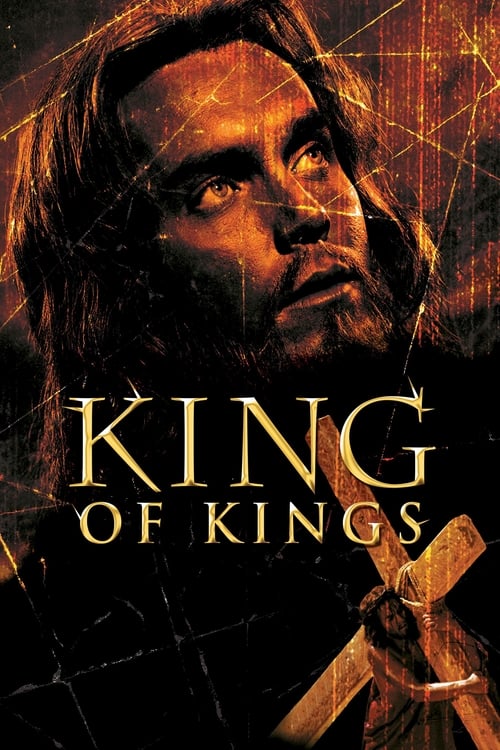
Who is Jesus, and why does he impact all he meets? He is respected and reviled, emulated and accused, beloved, betrayed, and finally crucified. Yet that terrible fate would not be the end of the story.
King of Kings

An aging group of outlaws look for one last big score as the "traditional" American West is disappearing around them.
The Wild Bunch
Goodyear Theatre is a 30-minute dramatic television anthology series telecast on NBC from 1957 to 1960 for a total of 55 episodes. The live show was directed by Don Taylor, Arthur Hiller and James Sheldon. It followed Goodyear Television Playhouse.
Goodyear Theatre
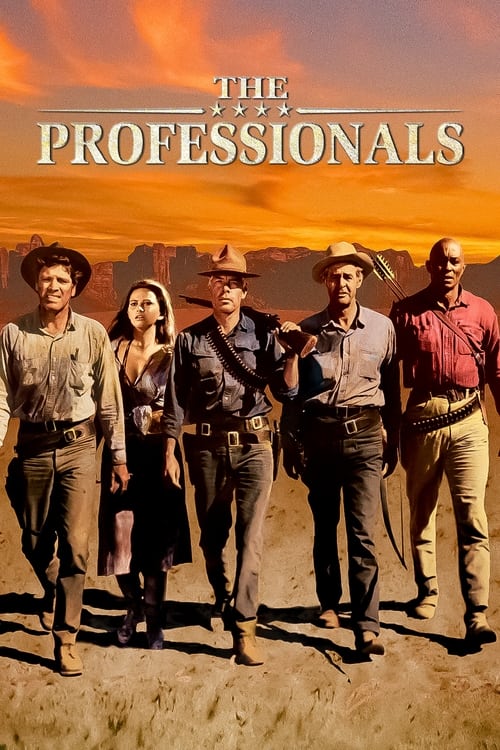
An arrogant Texas millionaire hires four adventurers to rescue his kidnapped wife from a notorious Mexican bandit.
The Professionals
One of the most comprehensive World War 1 documentary series ever made recalls the causes conduct, and aftermath of "The War to End All Wars". Along with the social, political, and economic fabric of the times, the roles of key figures are analyzed in depth. Produced during the Golden Age of CBS TV documentaries, this series, narrated by Robert Ryan, contains some of the highest quality World War 1 footage known to exist.
World War I: The Complete Story
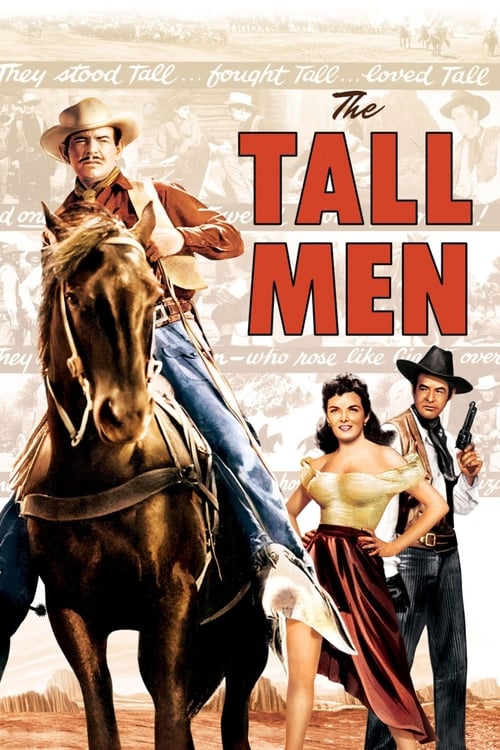
Two brothers discharged from the Confederate Army join a businessman for a cattle drive from Texas to Montana where they run into raiding Jayhawkers, angry Sioux, rough terrain and bad weather.
The Tall Men
In the winter of 1944, the Allied Armies stand ready to invade Germany at the coming of a New Year. To prevent it, Hitler orders an all-out offensive to re-take French territory and capture the major port city of Antwerp.
Battle of the Bulge

An account of the life and work of American film director Sam Peckinpah (1925-84), a tortured artist whose genius and inner demons changed the Western genre forever.
Sam Peckinpah's West: Legacy of a Hollywood Renegade
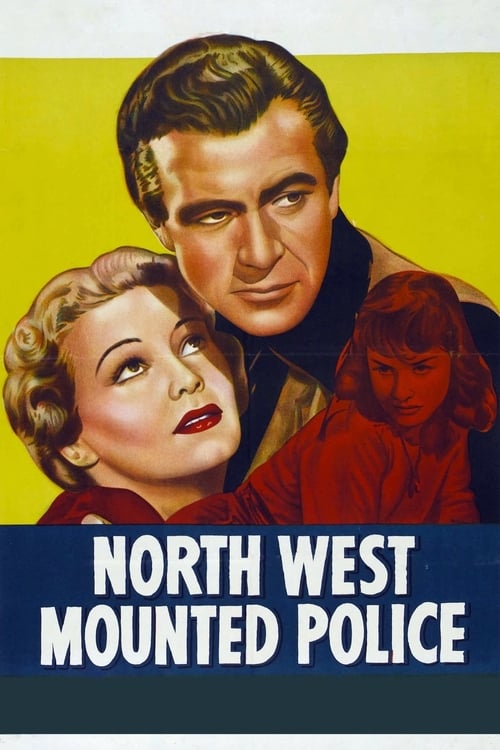
Texas Ranger Dusty Rivers ("Isn't that a contradiction in terms?", another character asks him) travels to Canada in the 1880s in search of Jacques Corbeau, who is wanted for murder. He wanders into the midst of the Riel Rebellion, in which Métis (people of French and Native heritage) and Natives want a separate nation. Dusty falls for nurse April Logan, who is also loved by Mountie Jim Brett. April's brother is involved with Courbeau's daughter Louvette, which leads to trouble during the battles between the rebels and the Mounties. Through it all Dusty is determined to bring Corbeau back to Texas (and April, too, if he can manage it.)