Acting
Hasegawa is a chief police of big heart who leads a band of samurai police and cultivates reformed criminals as informants to solve difficult crimes.
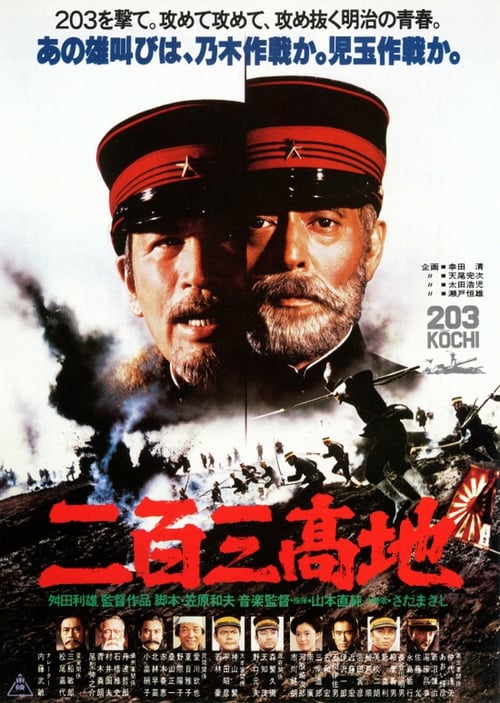
Depicts the bloody siege of the fortress of Port Arthur, one of the most strongly fortified positions in the world, during the Russo-Japanese War of (1904 - 1905). In the story dominated the character Lt Takeshi Kogyo (Teruhiko Aoi), teachers, and a reserve officer who became commander of the platoon and later company. At the same time monitors the conduct of the army commander general Nogi (Tatsuya Nakadai), which was commissioned of the emperor Matsuhito (Toshirô Mifune) to the conquest of the fort.
After yakuza boss Kurata dissolves his own criminal empire, a rival kingpin offers a position to Kurata's top operative, Tetsuya "Phoenix Tetsu" Hondo. When the fiercely loyal Tetsu declines, Otsuka taps unstoppable Tatsuzo the "Viper", a ruthless gun-for-hire, to assassinate him. As the Viper trails his target through the countryside, the agile Phoenix Tetsu grows concerned that one of his former associates has betrayed him.
Taking its title from an archaic Japanese word meaning "ghost story," this anthology adapts four folk tales. A penniless samurai marries for money with tragic results. A man stranded in a blizzard is saved by Yuki the Snow Maiden, but his rescue comes at a cost. Blind musician Hoichi is forced to perform for an audience of ghosts. An author relates the story of a samurai who sees another warrior's reflection in his teacup.
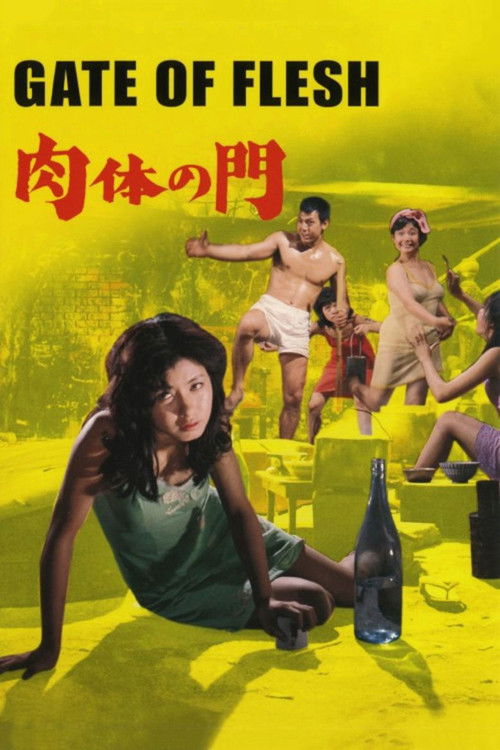
In the shady black markets and bombed-out hovels of post–World War II Tokyo, a tough band of prostitutes eke out a dog-eat-dog existence, maintaining tenuous friendships and a semblance of order in a world of chaos. But when a renegade ex-soldier stumbles into their midst, lusts and loyalties clash, with tragic results. With Gate of Flesh, visionary director Seijun Suzuki delivers a whirlwind of social critique and pulp drama, shot through with brilliant colors and raw emotions.
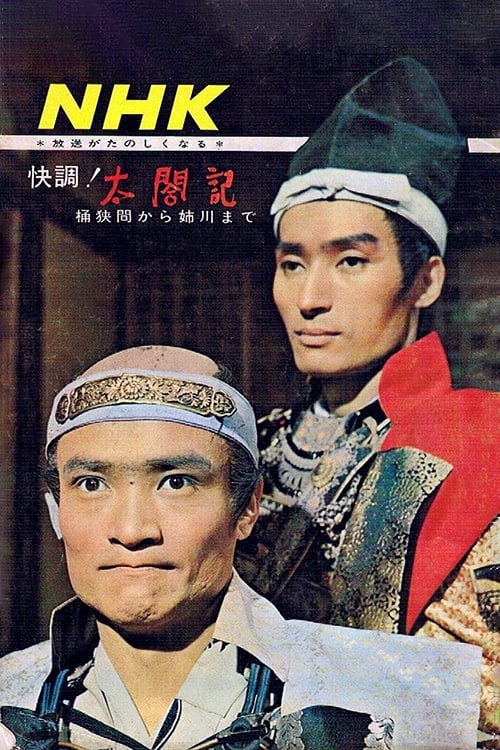
Based on the life of Hideyoshi Toyotomi (February 2, 1537 – September 18, 1598) a Sengoku period daimyo who unified Japan.
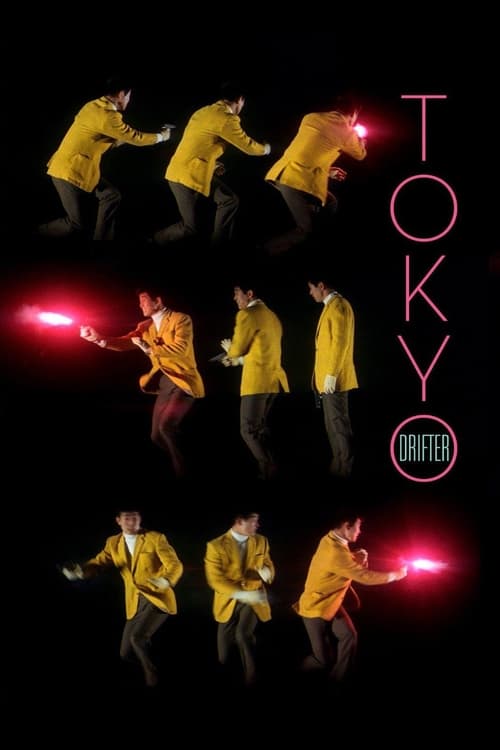
Goro Fujikawa (Tetsuya Watari) was indebted to Mitsugimoto. Sawada, a low rank yakuza with a gambling problem owed Mitsugimoto three million yen. This equation can only lead to one answer. Mitsugimoto needs to pay and Goro's coming to collect.
A dangerous mobster threatens the life of a businessman's mother in this thriller. As Ryuji oversees the building of a bridge in Japan, a powerful gangster plans to stop the project. By any means necessary.
Masao is falsely accused and jailed for the murder of a loanshark to whom he owed a lot of money. His sister Kiriko makes the long trip to Tokyo, specifically to accost Otsuka, Japan's top criminal defence lawyer, and plead with him to take her brother's case. They live in Kitakyushu which, though a city, she contends that the local lawyers are not up to the job. Otsuka contemptuously brushes her off. A year passes. Masao has suicided in jail, his appeal having failed due to the lack of interest and competence of the local defence lawyer. Kiriko returns to Tokyo, planning revenge on Otsuka for refusing the case and causing her brother's death.
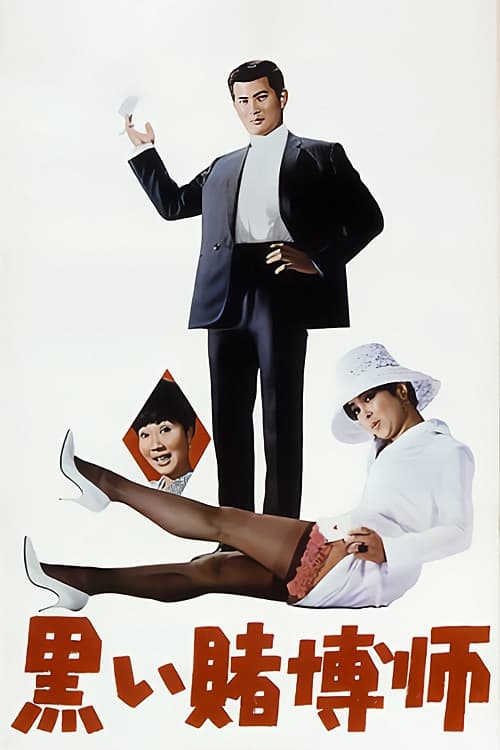
Place your bets! Japan's greatest gambler, Koji Himuro (Akira Kobayashi), faces off against an international cabal of gamblers with only his wits and his incredibly skilled left hand against every conceivable way to cheat someone in a game.
Ginjiro was born to a family of nobility, though he yearned for freedom. To earn this freedom, he affiliates himself with the worst of the worst. Swearing his allegiance to the notorious Kuroiwa crime syndicate, the yakuza family known for its thirst for blood, Ginjiro equips for battle. When a rival family raids their gambling parlor, he slashes a masked henchman. Unbeknown to him, his victim was no henchman.
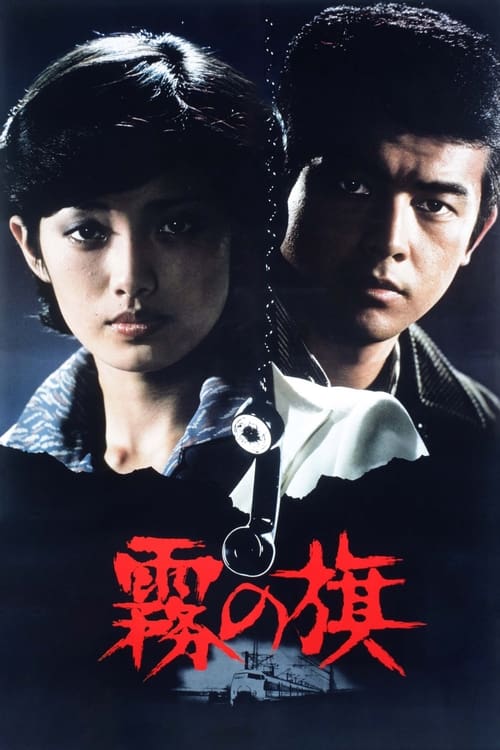
An investigation into a drug smuggler who is assassinated in front of an insurance building sets two detectives, Sumikawa and Akine, into a sprawling investigation through Tokyo's underworld.
A tale of wannabe yakuza youths. When not cooking up scams with his buddies, Zenkichi develops a crush on Taro's disgusted sister, Miki. But soon the young hoods run afoul of their underworld idols when they rob the wrong gang, led by brutal boss Konno. When Zenkichi's pals start to bite the dust, he hooks up with a more traditional yakuza, Tetsugoro, to retaliate.
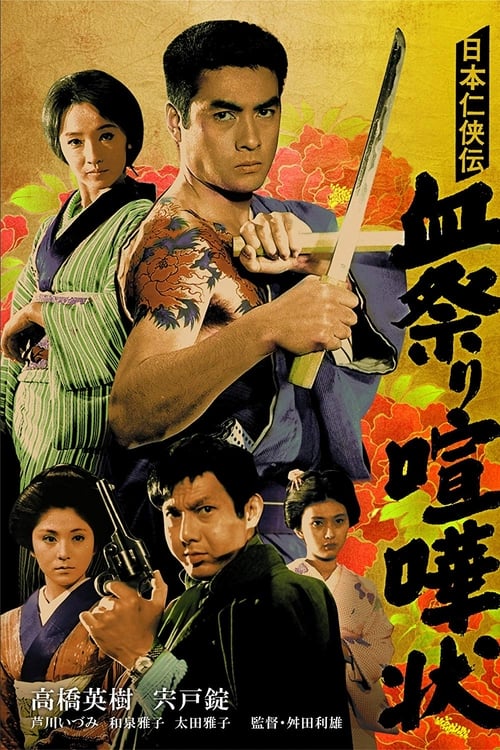
Late Taishō period. The Shibatora family, led by Naojirō, held power over the Tomigawara area in Jōshū. After launching an attack on the Takayasu family for encroaching on their territory, they were instead ambushed by Takayasu's forces. Taking full responsibility, Naojirō turned himself in to the police. Six years later, upon his release, he is enraged to find that everything has changed drastically from how it once was.
A recently released gangster has to cope with the recent shifts of power between gangs, while taking care of a thrill-seeking young woman, who got in bad company while gambling.
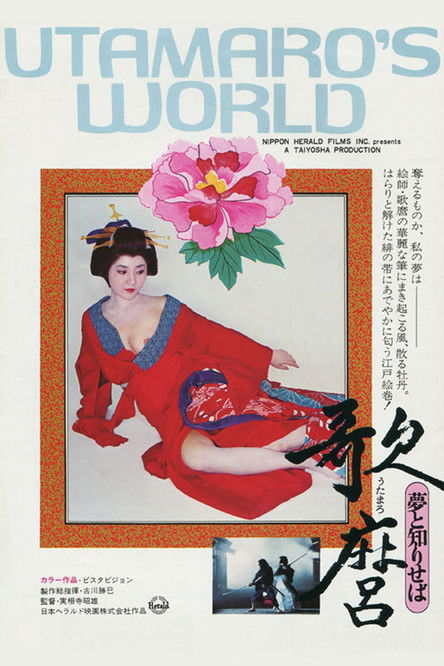
Utamaro was an artist who lived in Edo (which was later to become modern-day Tokyo) in the late 18th century. This film, which has a complex and wide-ranging storyline, recreates the world of that time, as it appeared in Utamaro's paintings.
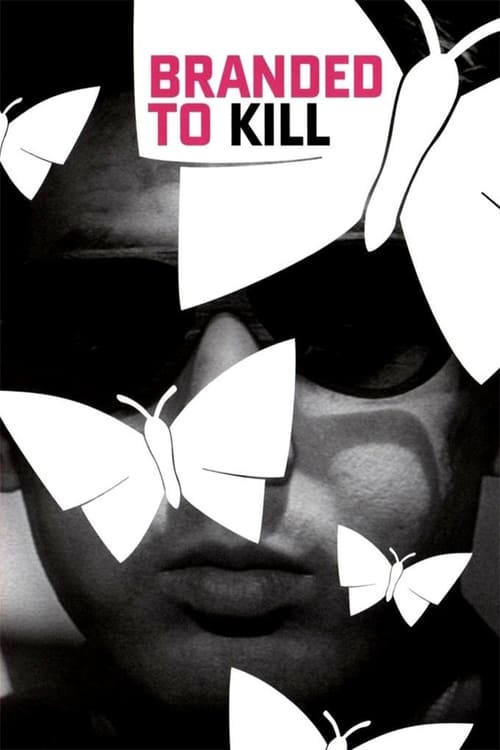
After botching his latest assignment, a third-ranked Japanese hit man becomes the target of another assassin.
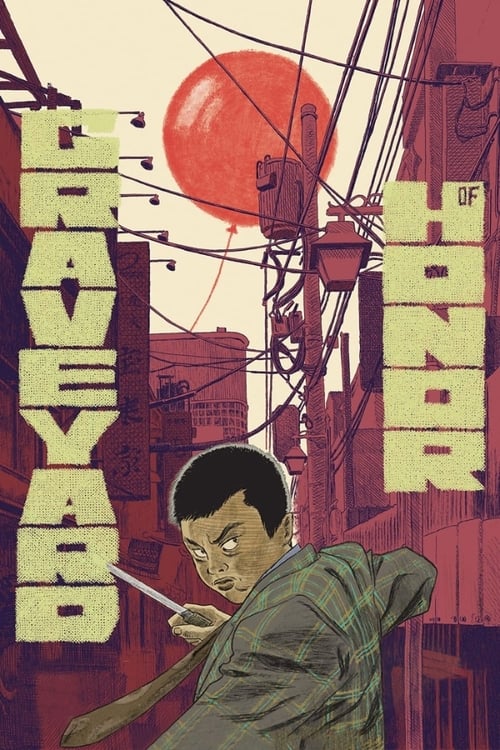
A self-destructive man becomes a powerful member of the yakuza but quickly loses his self-control. Based on the true story of Rikio Ishikawa.
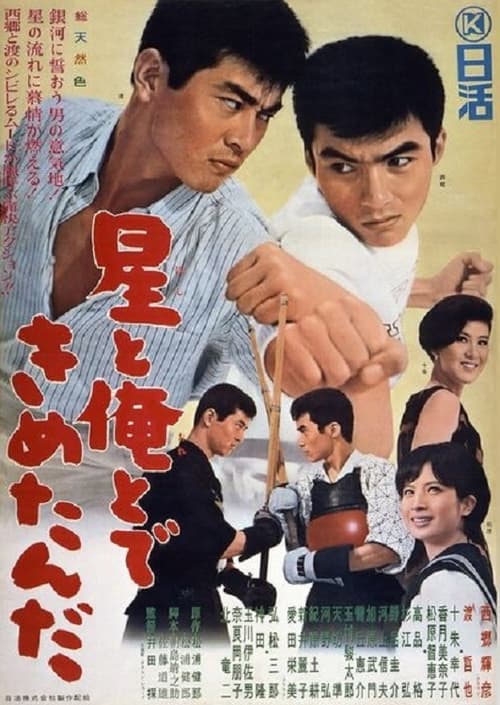
The brother of an up-and-coming kendoka is mysteriously murdered while working on a new model of motorboat.
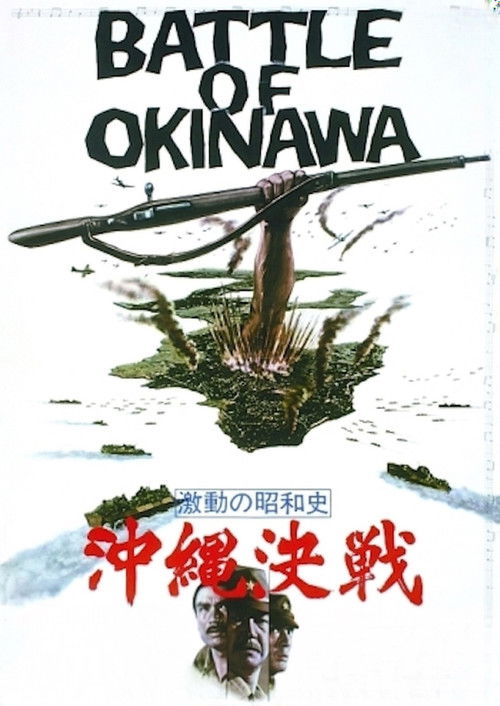
The Americans are swiftly closing on Okinawa, an island just south of the Japanese mainland. The Imperial command sends top generals and several army divisions to defend it at all costs. The mission quickly degenerates as vital resources and troops are diverted to other islands. After a civilian evacuation ends in tragedy most of non-combatants are forced to remain on the island. Many convert to soldier status. Tokyo sends mixed messages that squander time and resources, as when they order the defenders to build an airstrip for aircraft that never come. The truth soon becomes obvious: the high command decides that the island cannot be held and effectively abandons the Okinawan defenders. When the Americans land many troops are deployed in the wrong places. As the slaughter mounts, a suicidal attitude takes hold. Okinawa becomes a death trap, for civilian volunteers and non-combatants as well.