Seijun Suzuki
Directing
Biography
Seijun Suzuki born Seitaro Suzuki (24 May 1923 – 13 February 2017) was a Japanese filmmaker, actor, and screenwriter. His films are renowned by film enthusiasts worldwide for their jarring visual style, irreverent humour, nihilistic cool and entertainment-over-logic sensibility. He made 40 predominately B-movies for the Nikkatsu Company between 1956 and 1967, working most prolifically in the yakuza genre. His increasingly surreal style began to draw the ire of the studio in 1963 and culminated in his ultimate dismissal for what is now regarded his magnum opus, Branded to Kill (1967), starring notable collaborator Joe Shishido. Suzuki successfully sued the studio for wrongful dismissal, but he was blacklisted for 10 years after that. As an independent filmmaker, he won critical acclaim and a Japanese Academy Award for his Taishō Trilogy, Zigeunerweisen (1980), Kagero-za (1981) and Yumeji (1991). His films remained widely unknown outside of Japan until a series of theatrical retrospectives beginning in the mid 1980s, home video releases of key films such as Branded to Kill and Tokyo Drifter in the late 1990s and tributes by such acclaimed filmmakers as Jim Jarmusch, Takeshi Kitano, Wong Kar-wai and Quentin Tarantino signaled his international discovery. Suzuki has continued making films, albeit sporadically. In Japan, he is more commonly recognized as an actor for his numerous roles in Japanese films and television. He passed away on February 13th, 2017. Description above from the Wikipedia article Seijun Suzuki, licensed under CC-BY-SA, full list of contributors on Wikipedia.

Known For

Follow the exciting adventures of Arsene Lupin III, the grandson of the world's greatest thief, Arsene Lupin. Together with Daisuke Jigen, Goemon Ishikawa and his love interest Fujiko Mine, he carries out the greatest robberies of all time, all the while evading the control of Inspector Koichi Zenigata.
Lupin the 3rd

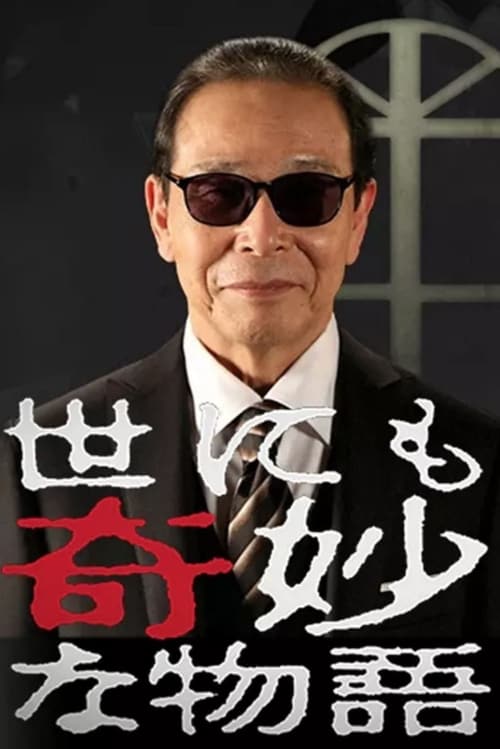
Inspired by American TV movies like "Hitchcock Theater" and "The Twilight Zone," the show features multiple works with Tamori as the storyteller and actors as the main characters. While horror and supernatural themes are predominant, a variety of genres like comedy and drama are also produced. Most episodes, however, have a bad ending.
Tales of the Bizarre

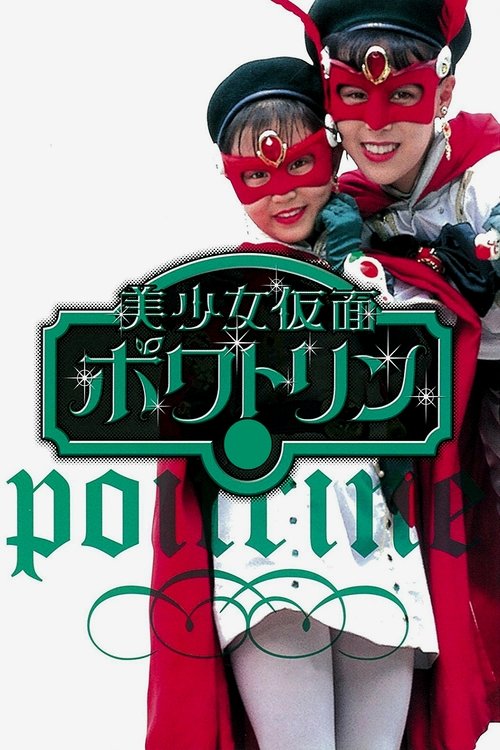
The eleventh entry in the Toei Fushigi Comedy Series. Yuko Murikami stops by a shrine to pray for the new school year. Yuko accidentally breaks the bell and drops it on top of a turtle's head. Because she is the only person that stopped by the shrine in a long time, he grants her the power to become a superheroine, based on another ancient deity. It is her job to protect her neighborhood from the threats it faces. By yelling "Cosmo Magic! Métamorphose!!", she transforms into the Masked Beauty Poitrine!
La Belle Fille Masquée Poitrine

Kato is a small time TV producer. He has a wife Masako, and a young son Taro. Kato also has a friend Yamazaki who he knew since college. Yamazaki has a girl friend Riko who lives with her younger sister Yuko who's an actress. Yamazaki is a lyric writer/womanizer and he starts to have an affair with Masako, but he's still going out with Riko.
Double Bed

Minori Amano becomes a widow on her honeymoon. Still, she becomes part of the Amano family's funeral home business. From now on, the woman not only has to fight with eccentric clients, but the rest of the Amano family who have a lot to say about running the business.
Good Mourning

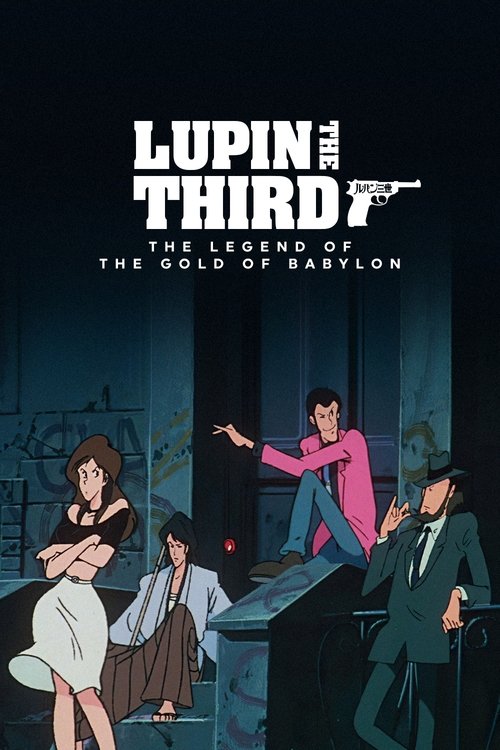
Lupin squares off with two criminal families and Inspector Zenigata's new female patrol to track down a hoard of biblical-era treasure.
Lupin the Third: The Legend of the Gold of Babylon

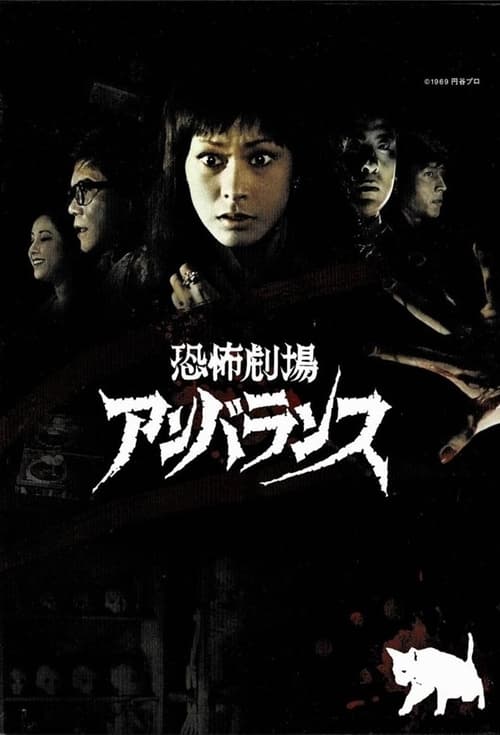
Horror Theater Unbalance is a 1973 Japanese Anthology television series created by Tsuburaya and Fuji TV to air on the Fuji TV network on Monday Nights for 13 episodes. Originally started in production in 1969, it was shelved and took years for its airing debut to begin its broadcast, before production was eventually completed at the end of 1972. It was then aired on Fuji TV in 1973.
Horror Theater Unbalance

Volunteering as a "comfort woman" on the Manchurian front, where she is expected to service hundreds of soldiers, Harumi is commandeered by the brutal Lieutenant Narita but falls for the sensitive Mikami, Narita's direct subordinate. Seijun Suzuki's Story of a Prostitute is a tragic love story as well as a rule-bending take on a popular Taijiro Tamura novel, challenging military and fraternal codes of honor, as seen through Harumi's eyes.
Story of a Prostitute

After botching his latest assignment, a third-ranked Japanese hit man becomes the target of another assassin.
Branded to Kill

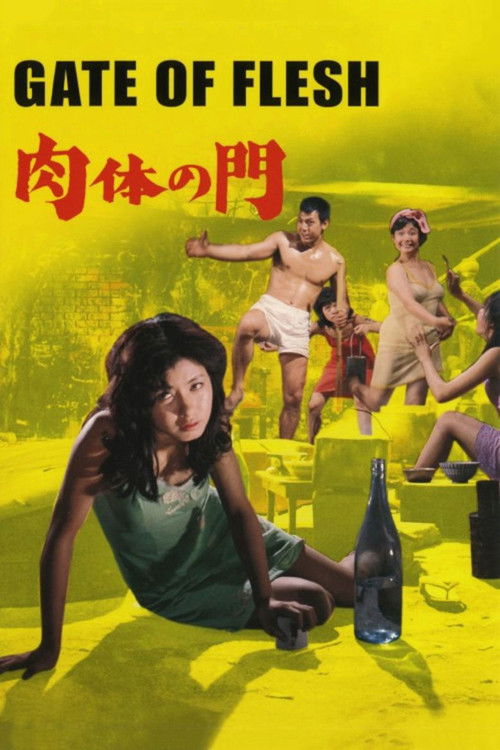
In the shady black markets and bombed-out hovels of post–World War II Tokyo, a tough band of prostitutes eke out a dog-eat-dog existence, maintaining tenuous friendships and a semblance of order in a world of chaos. But when a renegade ex-soldier stumbles into their midst, lusts and loyalties clash, with tragic results. With Gate of Flesh, visionary director Seijun Suzuki delivers a whirlwind of social critique and pulp drama, shot through with brilliant colors and raw emotions.
Gate of Flesh

A 1920s playwright meets a beautiful woman who may be the ghost of his patron's deceased wife.
Kagero-za

A surreal period film following a university professor and his eerie nomad friend as they go through loose romantic triangles and face death in peculiar ways.
Zigeunerweisen

Umiemon is a naniwa-bushi singer who travels with his wife to the United States in hopes of achieving fame and fortune.
Capone Cries a Lot

A sniper kills two prisoners in a police van, and the driver sets out to find the killer.
Take Aim at the Police Van

Kenichi is a half-Japanese, half-Chinese man of the underworld. You can sell him anything except children's organs. His domain is in Kabukicho, a gangland controlled by various Shanghai gangs intent on taking control. His former partner-in-crime, Fu-Chun, is rumored to have returned to Kabukicho, having fled years earlier after killing the number two of gangland boss, Yuan. Yuan wants to get even and attempts to do so by using Kenichi.
Sleepless Town

A compilation of two episodes from the second Lupin III television series that was released on video from Streamline Pictures.
Lupin the Third: Greatest Capers

Handsome young Katsuta tries to follow the yakuza code, but even his boss doesn't believe in it. Diamond Fuyu is less ethical, and allows the idiotic Tetsu to trick a schoolgirl he fancies, Hanako, into a type of bonded prostitution. Because of gang conflict, the Izu family (to whom Katsuta belongs) has their last gambling den taken over, and he seeks revenge. This brings him back into contact with a former lover who is also a card trickster - she is also Diamond Fuyu's sister, and is now married to Okaru-Hachi, who has mastered a clever card cheating trick called Okaru, which involves the deft use of mirrors.
Kanto Wanderer

A newspaper reporter's search for his girlfriend's missing father lead him into heart of the criminal underworld of Yokohama's Chinatown.
The Sleeping Beast Within

Following the life of Japanese artist and poet Yumeji Takehisa through the imagining of an encounter with a beautiful widow with a dark past.
Yumeji

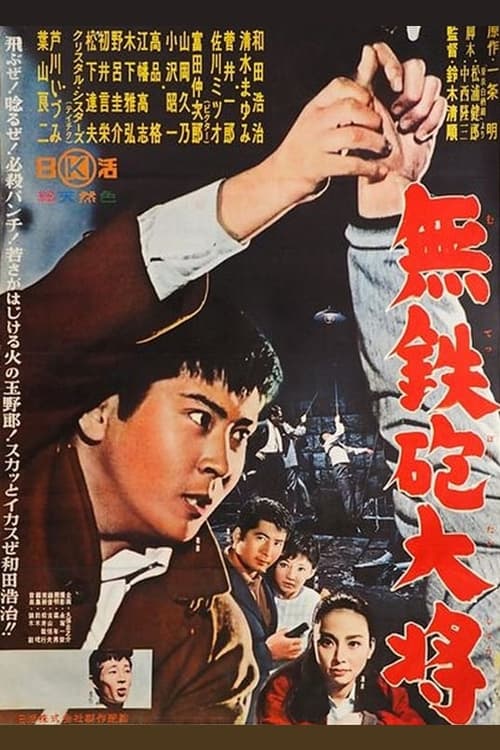
An assassin fends off numerous attacks from her comrades, who are trying to move up in rank by killing off the competition.