FEEL IT.STREAM
Alan Mowbray

Alan Mowbray

Acting

Biography

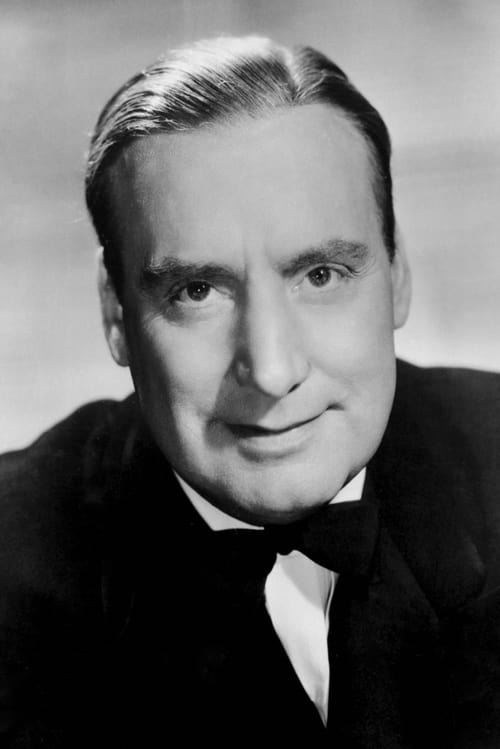
​From Wikipedia, the free encyclopedia Alan Mowbray MM, (18 August 1896 - 25 March 1969), was an English stage and film actor who found success in Hollywood. Born Alfred Ernest Allen in London, England, he served with distinction the British Army in World War I, being awarded the Military Medal for bravery. He began as a stage actor, making his way to the United States where he appeared in Broadway plays and toured the country as part of a theater troupe. As Alan Mowbray, he made his motion picture debut in 1931, going on to a career primarily as a character actor in more than 140 films including the sterling butler role in the comedy Merrily We Live, and playing the title role in the TV series The Adventures of Colonel Flack. During World War II, he made a memorable appearance as the Devil in the Hal Roach propaganda comedy The Devil with Hitler. He appeared in some two dozen guest roles on various television series. Mowbray was a founding member of the Screen Actors Guild, with outside interests that led to membership in Britain's Royal Geographic Society. He played the title role in the television series Colonel Humphrey Flack, which first appeared in 1953-1954 and then was revived in 1958-1959. In the 1954-1955 television season Mowbray played Mr. Swift, the drama coach of the character Mickey Mulligan, in NBC's short-lived situation comedy The Mickey Rooney Show: Hey, Mulligan. Mowbray died of a heart attack in 1969 in Hollywood and was interred in the Holy Cross Cemetery in Culver City, California. Description above from the Wikipedia article Alan Mowbray, licensed under CC-BY-SA, full list of contributors on Wikipedia.
Known For

Matinee Theater
5.3

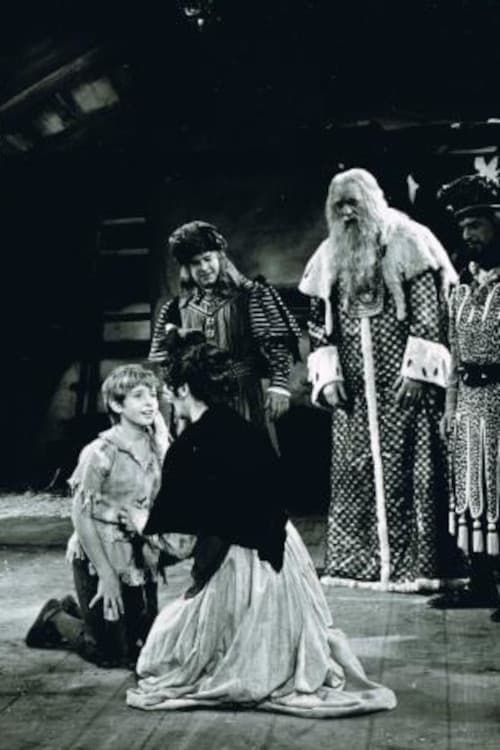
Matinee Theater is an American anthology series that aired on NBC during the Golden Age of Television, from 1955 to 1958. The series, which ran daily in the afternoon, was frequently live. It was produced by Albert McCleery, Darrell Ross, George Cahan and Frank Price with executive producer George Lowther. McCleery had previously produced the live series Cameo Theatre which introduced to television the concept of theater-in-the-round, TV plays staged with minimal sets. Jim Buckley of the Pewter Plough Playhouse recalled: When Al McCleery got back to the States, he originated a most ambitious theatrical TV series for NBC called Matinee Theater: to televise five different stage plays per week live, airing around noon in order to promote color TV to the American housewife as she labored over her ironing. Al was the producer. He hired five directors and five art directors. Richard Bennett, one of our first early presidents of the Pewter Plough Corporation, was one of the directors and I was one of the art directors and, as soon as we were through televising one play, we had lunch and then met to plan next week’s show. That was over 50 years ago, and I’m trying to think; I believe the TV art director is his own set decorator —yes, of course! It had to be, since one of McCleery’s chief claims to favor with the producers was his elimination of the setting per se and simply decorating the scene with a minimum of props. It took a bit of ingenuity.

Matinee Theater

1955Series
Four Star Playhouse
6.8

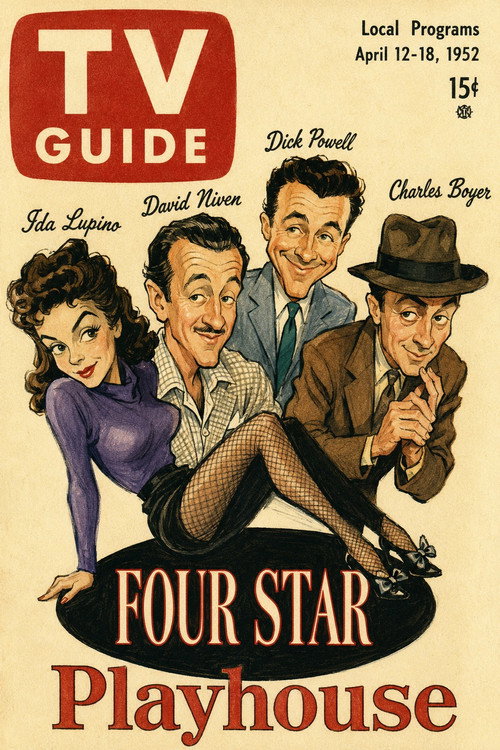
Four Star Playhouse is an American television anthology series that ran from 1952 to 1956, sponsored in its first bi-weekly season by The Singer Company; Bristol-Myers became an alternate sponsor when it became a weekly series in the fall of 1953. The original premise was that Charles Boyer, Ida Lupino, David Niven, and Dick Powell would take turns starring in episodes. However, several other performers took the lead from time to time, including Ronald Colman and Joan Fontaine. Blake Edwards was among the writers and directors who contributed to the series. Edwards created the recurring character of illegal gambling house operator Willie Dante for Dick Powell to play on this series. The character was later revamped and spun off in his own series starring Howard Duff, then-husband of Lupino. The pilot for Meet McGraw, starring Frank Lovejoy, aired here, as did another episode in which Lovejoy recreated his role of Chicago newspaper reporter Randy Stone, from the radio drama Nightbeat.

Four Star Playhouse

1952Series