Benny Goodman
Acting
Biography
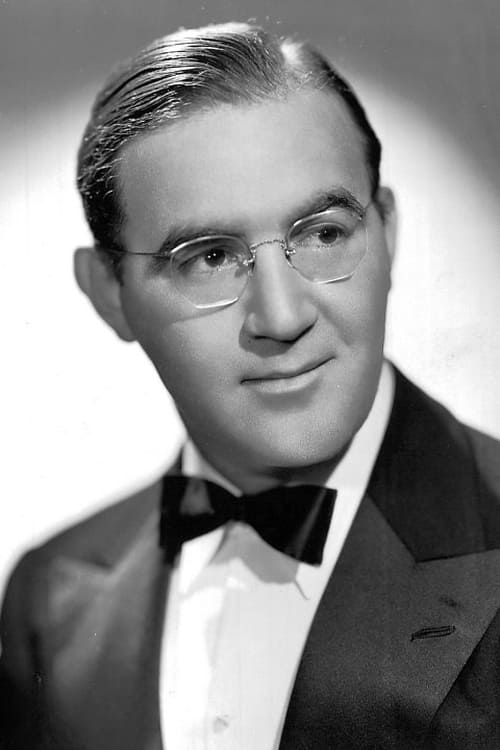
The King of Swing! Famed clarinetist, composer ("Stompin' at the Savoy") and conductor, educated at the Lewis Institute in Chicago and a student of Schillinger and Schoepp. He was a clarinetist with the orchestras of Bix Beiderbecke, Jules Herbuveaux, Arnold Johnson and Ben Pollack, and also played in Broadway theater orchestras. He began to lead his own orchestras in 1934 at the Billy Rose Music Hall, then conducted the orchestra on the weekly radio program "Let's Dance" in 1934-1935, and played at numerous hotels, colleges and theaters. Expanding his musical efforts, he performed in chamber music concerts, later touring throughout the US, Europe, the Far East, South America and the USSR and made many recordings. Joining ASCAP in 1945, his chief musical collaborators included Count Basie, Harry James, Mitchell Parish, Andy Razaf, Edgar M. Sampson, Chick Webb, and Teddy Wilson. Some of his other popular songs and instrumental compositions include "Lullaby in Rhythm," "Don't Be That Way," "Seven Come Eleven," "Flying Home," "Two O'Clock Jump," "Air Mail Special," "Dizzy Spells," "If Dreams Come True," "Georgia Jubilee," "Four Once More," and "The Kingdom of Swing".
Known For

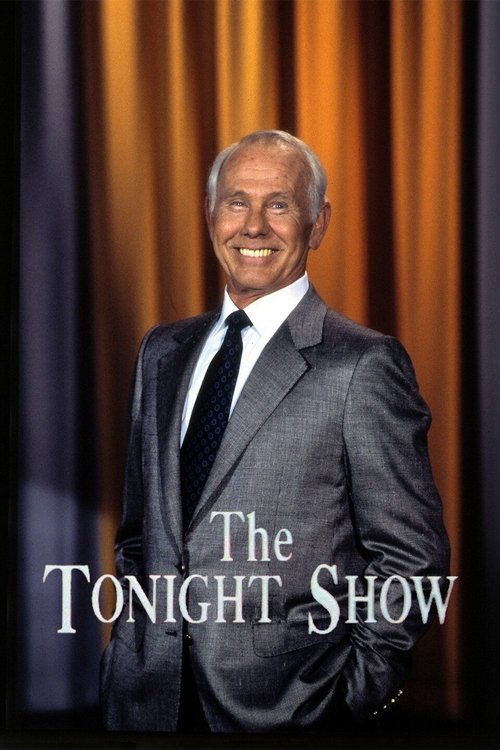
The Tonight Show Starring Johnny Carson is a talk show hosted by Johnny Carson under The Tonight Show franchise from 1962 to 1992. It originally aired during late-night. For its first ten years, Carson's Tonight Show was based in New York City with occasional trips to Burbank, California; in May 1972, the show moved permanently to Burbank, California. In 2002, The Tonight Show Starring Johnny Carson was ranked #12 on TV Guide's 50 Greatest TV Shows of All Time.
The Tonight Show Starring Johnny Carson

The Mike Douglas Show is an American daytime television talk show hosted by Mike Douglas that originally aired only in the Cleveland area during much of its first two years on the air. It then went into syndication in 1963 and remained on television until 1982. It was distributed by Westinghouse Broadcasting and for much of its run, originated from studios of two of the company's TV stations in Cleveland and Philadelphia.
The Mike Douglas Show

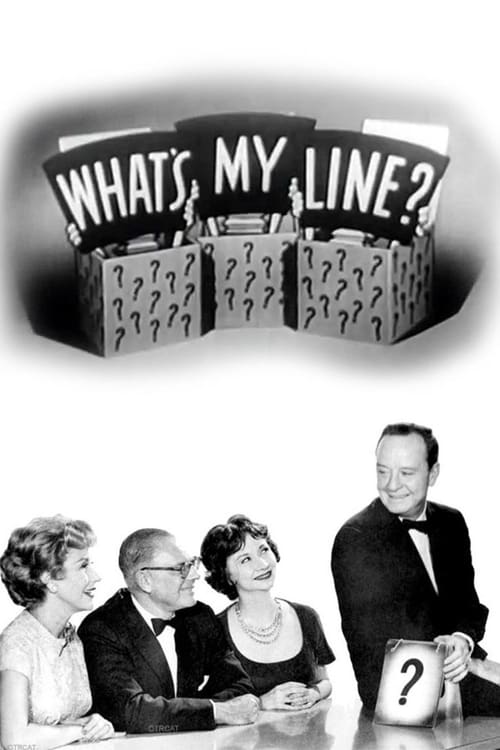
Four panelists must determine guests' occupations - and, in the case of famous guests, while blindfolded, their identity - by asking only "yes" or "no" questions.
What's My Line?

The Dick Cavett Show has been the title of several talk shows hosted by Dick Cavett on various television networks.
The Dick Cavett Show

The Ed Sullivan Show is an American TV variety show that originally ran on CBS from Sunday June 20, 1948 to Sunday June 6, 1971, and was hosted by New York entertainment columnist Ed Sullivan. It was replaced in September 1971 by the CBS Sunday Night Movie, which ran only one season and was eventually replaced by other shows. In 2002, The Ed Sullivan Show was ranked #15 on TV Guide's 50 Greatest TV Shows of All Time.
The Ed Sullivan Show

Le Grand Échiquier is a French variety television program created and presented by Jacques Chancel. It aired at 8:30 pm on the first channel of the ORTF from January 12, 1972 to July 12, 1972, then on the second color channel of the ORTF from September 1972 to December 1974, and finally on Antenne 2 from January 1975 to December 21, 1989. The program returned to France 2 on December 20, 2018 and is hosted by Anne-Sophie Lapix.
Le Grand Échiquier

The Dinah Shore Chevy Show is an American variety series hosted by Dinah Shore, and broadcast on NBC from October 1956 to June 1963. The series was sponsored by the Chevrolet Motor Division of General Motors and its theme song, sung by Shore, was "See the U.S.A. in Your Chevrolet", which continued to be used in Chevrolet advertising for several more years after the cancellation of the show.
The Dinah Shore Chevy Show

The Danny Kaye Show is an American variety show hosted by Danny Kaye that aired on CBS from 1963 to 1967 on Wednesday nights. Directed by Robert Scheerer, the show premiered in black-and-white, but later switched to color broadcasts. At the time, Kaye was at the height of his popularity, having starred in a string of successful films in the 1940s and '50's, made successful personal appearances at such venues as the London Palladium, and appeared many times on television. His most recent films had been considered disappointing, but the television specials he starred in were triumphant, leading to this series. Prior to his television and film career, Kaye had made a name for himself with his own radio show, and numerous other guest appearances on other shows.
The Danny Kaye Show

The Kennedy Center Honors is an annual honor given to those in the performing arts for their lifetime of contributions to American culture.
The Kennedy Center Honors

“The Bell Telephone Hour” was a musical variety show that aired on “NBC” TV from 12 January 1959 to 14 June 1968 that showcased the best in Broadway, Classical, Concert, Jazz and Popular music each week. The series had its’ own house band appropriately named the “Bell Telephone Orchestra”. The show also had its’ own theme song being the “Bell Waltz” composed by “Donald Voorhees” who was also the show's Orchestra conductor. Some of the greatest violinists of the 1960’s performed on this show that aired in the old “Black & White” format. Some of these great violinists included “Erica Mornin”, “Isaac Stern", "Michael Rabin", "Ruggiero Ricci", "Yehudi Menuhin" and "Zino Francesacatti". From time to time some of the great singers and bandleaders of the 1960’s would perform on the show as well. Some of these were “Bing Crosby”, “Gordon MacRae”, “John Gary”, “Leslie Uggams”, “Mary Martin”, “Nelson Eddy”, “Patti Page” and “Roy Rogers”. The TV show followed on the heels of its’ predecessor with the same name on “NBC” radio that aired from 29 April 1940 to 1958 on Monday nights at 8 PM. The name of the show was derived from its’ Major sponsor “Bell Telephone Laboratories”. The TV version began airing on Friday nights at 8:30 PM once a month. It later was given it’s same time slot now airing every other week alternating with another show on the other weeks such as News shows and specials. The show time slot changed quite often over the years. In September 1960 it aired at 9 PM and in September 1961 it moved to 9:30 PM. In October 1963 it moved to Tuesday nights at 10 PM, September 1965 it moved to Sunday night at 6:30 PM and in September 1967 it made its' final move back to Friday night at 10 PM.
The Bell Telephone Hour

DuPont Show of the Month is an acclaimed 90-minute television anthology series that aired monthly on CBS from 1957 to 1961. The DuPont Company also sponsored a weekly half-hour anthology drama series hosted by June Allyson, The DuPont Show with June Allyson. During the Golden Age of Television, DuPont Show of the Month was one of numerous anthology series telecast between 1949 and 1962. Superficially, it resembled Playhouse 90 and other anthologies, but DuPont Show of the Month focused less on contemporary dramas and more on adaptations of literary classics, including Oliver Twist, The Prince and the Pauper, Billy Budd, The Prisoner of Zenda, A Tale of Two Cities and The Count of Monte Cristo.
DuPont Show of the Month
No description available.
Bio’s Bahnhof

Jazz is a ten part series that explores the evolution – and the genius – of America’s greatest original art form, focusing on the extraordinary men and women who could do something remarkable – create art on the spot. Jazz celebrates their profoundly enduring, endlessly varied, and infinitely alluring music in the context of the complicated country that gave birth to and influenced it, and was in turn transformed by it.
Jazz
No description available.
The Big Party

In the tradition of Fantasia, Make Mine Music is a glorious collection of musically charged animated shorts featuring such fun-filled favorites as "Peter and the Wolf", narrated by the beloved voice behind Winnie the Pooh. In addition you'll enjoy such classic cartoon hits as "Casey at the Bat," "The Whale Who Wanted to Sing at the Met" and "Johnnie Fedora and Alice Bluebonnet."
Make Mine Music

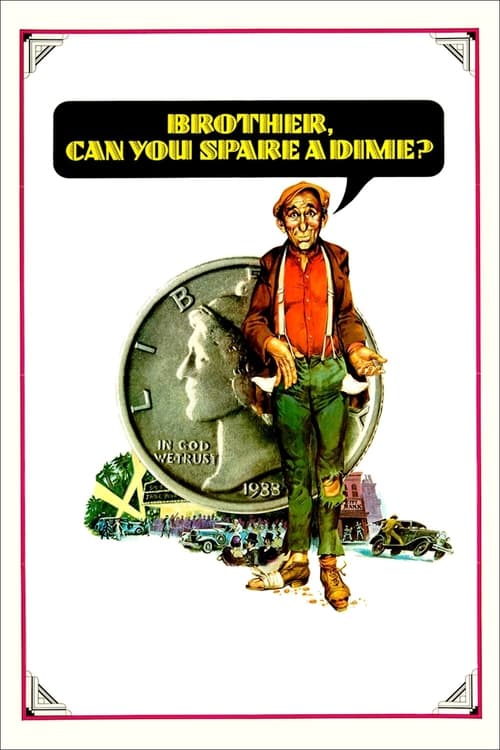
Period music, film clips and newsreel footage combined into a visual exploration of the American entertainment industry during the Great Depression.
Brother, Can You Spare a Dime?
Star Time is an American variety series which aired on the DuMont Television Network from September 5, 1950 to February 27, 1951, and starred singer-actress Frances Langford.
Star Time

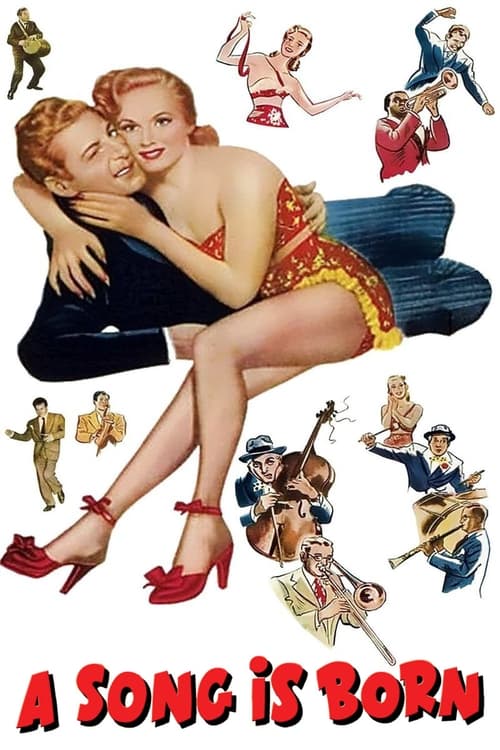
The story of seven scholars in search of an expert to teach them about swing music. They seem to have found the perfect candidate in winsome nightclub singer Honey Swanson. But Honey's gangster boyfriend doesn't want to give her up.
A Song Is Born

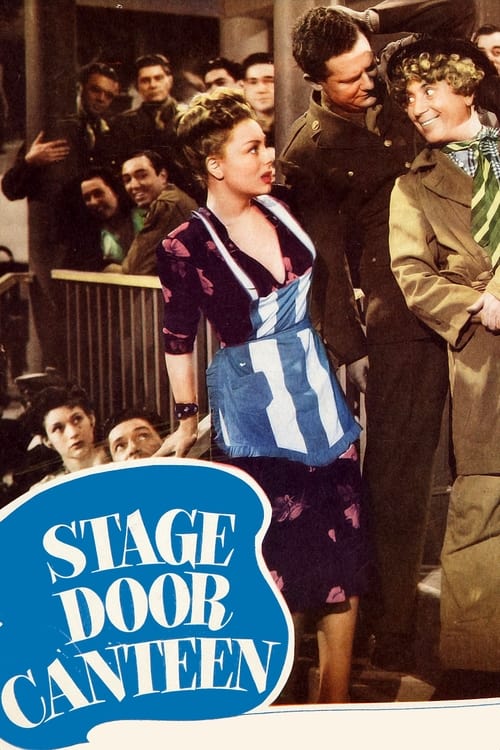
A young soldier on a pass in New York City visits the famed Stage Door Canteen, where famous stars of theatre and film appear and host a recreational center for servicemen during the war. The soldier meets a pretty young hostess and they enjoy the many entertainers and a growing romance.
Stage Door Canteen

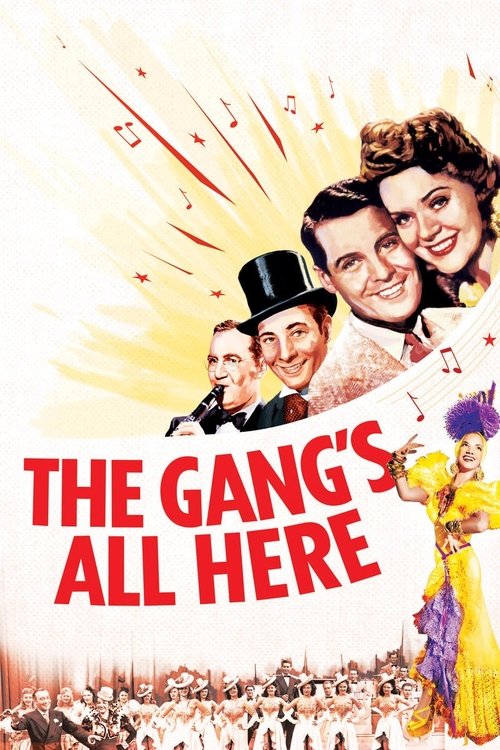
A soldier falls for a chorus girl and then experiences trouble when he is posted to the Pacific.