Acting
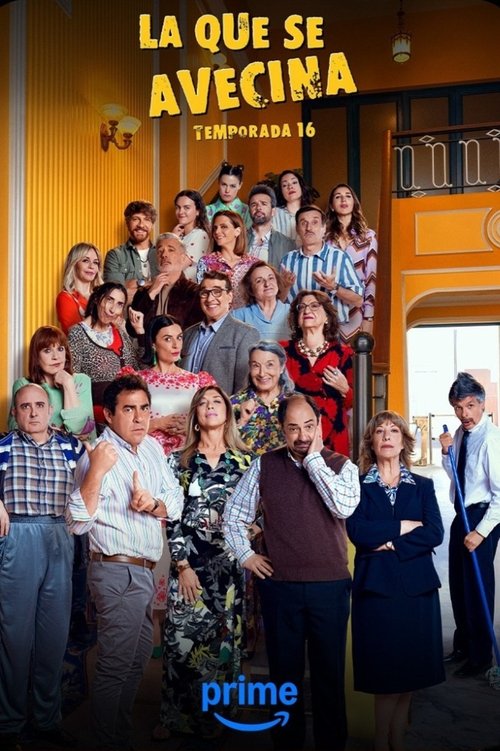
La que se avecina is a Spanish television comedy created by Alberto Caballero, Laura Caballero and Daniel Deorador. The TV-series focusing around the inhabitants of Mirador de Montepinar, a fictional building located on the outskirts of a big city. Both its storylines and cast are heavily based on Aquí no hay quien viva, which ended when Telecinco bought Miramón Mendi, the series production company. The episodes debuted on the Telecinco network, and were later rerun by the same network as well as cable/satellite channels FactoríaDeFicción and Paramount Comedy. The series debuted in 22 April 2007 and became popular thanks to its funny characters, witty script, use of catchphrases and capacity to integrate and poke fun at contemporary issues; the program presents a caustic satire of many of the 'types' found in Spanish society. The name of the show involves wordplay, as "vecina" is the Spanish word for neighbour.
No description available.
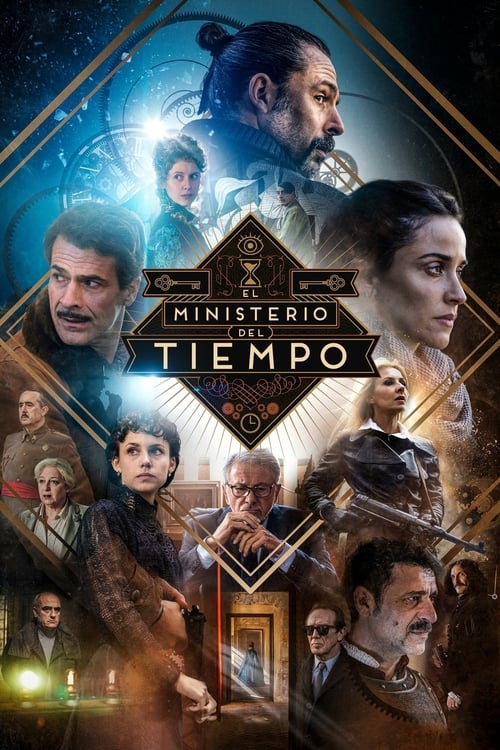
A soldier from the 15th century, a university student from the 19th century and a nurse from the present join the secret 'Department of Time', a secret department within the Spanish government with the ability to travel through time. Their mission is prevent changes in history.
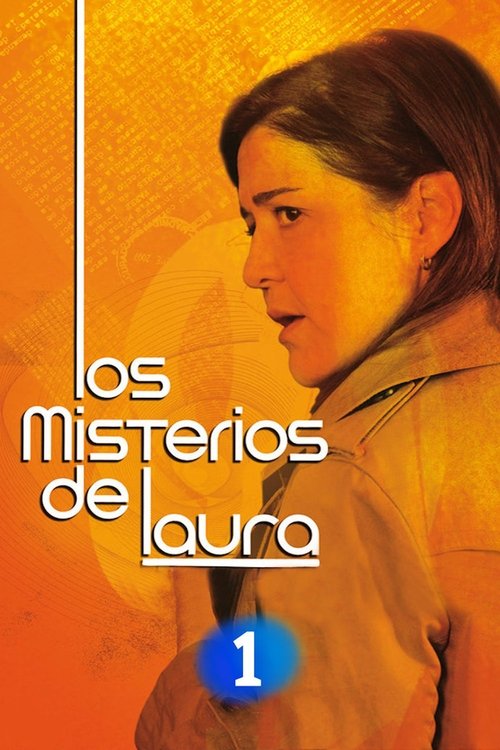
With her intuition and instinct, Laura Lebrel del Bosque, an innocent and intelligent police inspector with very original methods, naturally solves impossible crimes, dismantles alibis, and figures out who the murderer in every episode is. Meanwhile, her marriage with inspector Jacobo is not going through its best phase, she has to deal with her duties as a housewife and a mother of two very naughty five-year-old twins, and her workmate Martín cannot help getting into trouble.
A film director deals with the frustration of not having achieved anything in his life.
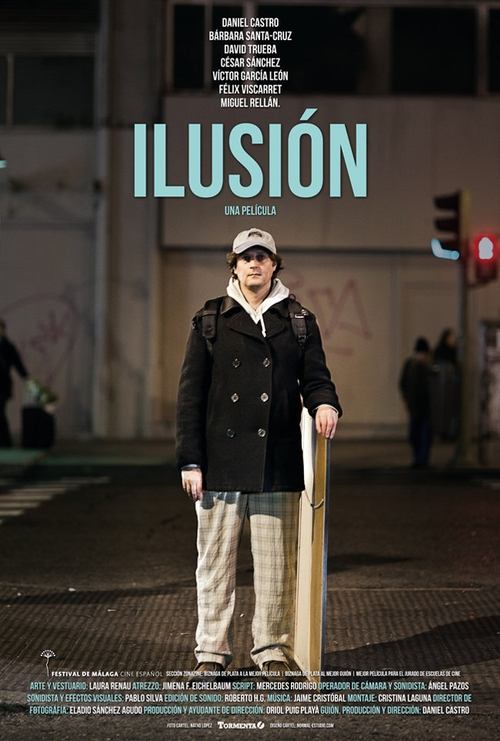
Daniel, a Spanish filmmaker would like to give his country back some of the hope it has lost due to the financial crisis. He's determined to shoot an inspirational movie about the Moncloa Pact, the agreement that brought back Democracy to Spain after the Franco era. The thing is he wants the film to be a musical.
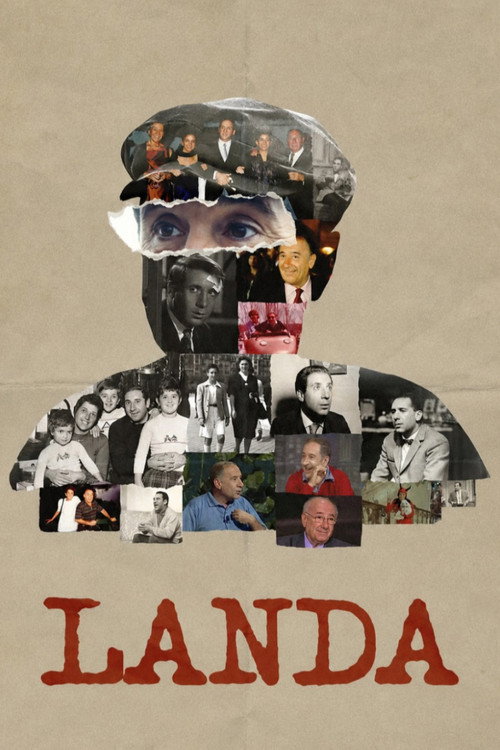
Portrait of Alfredo Landa, Spanish cinema's most popular actor. From landismo to his greatest roles, featuring public affection, prestigious awards, unreleased material, and intimate testimonies about the person behind the performer
A group of patients meet at a prestigious psychologist's office. Apart from the day and time of the appointment, something else unites them all: all six suffer from OCD. But the plane bringing the doctor is unexpectedly delayed, which forces them to spend an endless wait until the doctor shows up. Will they be able to keep their manias, impulses, convulsions, obsessions and rituals at bay during the wait?
Oblivious to the strife that awaits them, a group of young nurses from Spain's upper class head to war-torn Marocco in 1921 to help where help is needed. Many lessons in love and life are learned before they overcome deepest conflicts, grow as human beings and find out what they really want from life and whom they truly love.
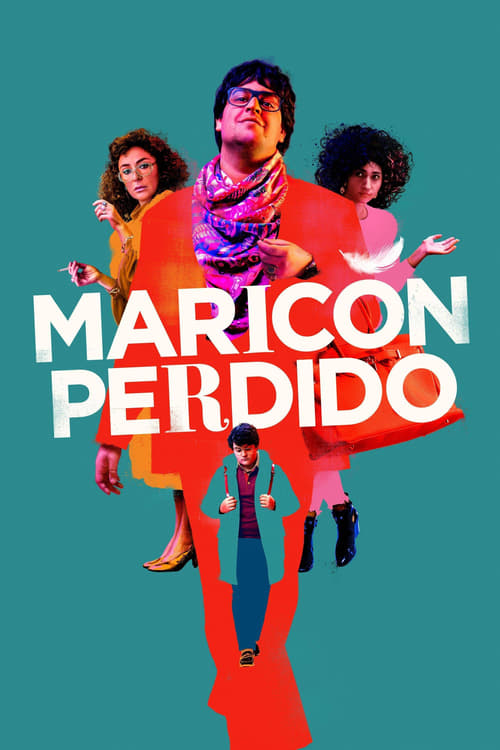
It shows the life trajectory of a gay village boy in search of his own identity.
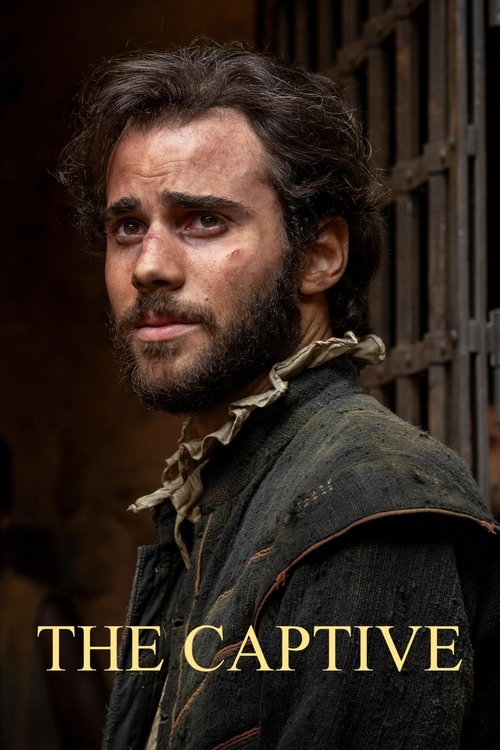
In 1575, the young soldier Miguel de Cervantes is captured on the high seas by Barbary pirates and taken to Algiers as a hostage. Aware that a cruel death awaits him if his family does not pay his ransom soon, he finds refuge in his passion for storytelling.
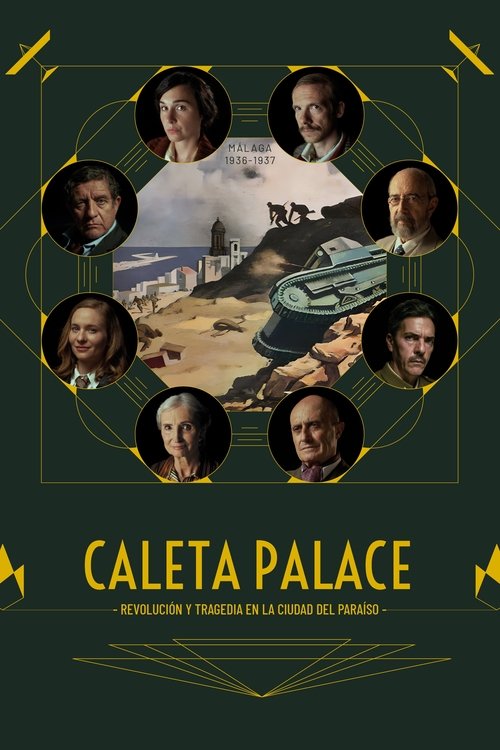
Eight foreign characters recall their exploits and fears in Malaga, a paradise city that starts a revolution on July 18th 1936, as the military coup is stopped by popular rebellion, until February 9th 1937, when Mussolini troops take Malaga and put it under the rule of Franco. Seven months that shape the stark tale of a besieged city, the first capital to be conquered in Spanish Civil War and a prelude of WW2.
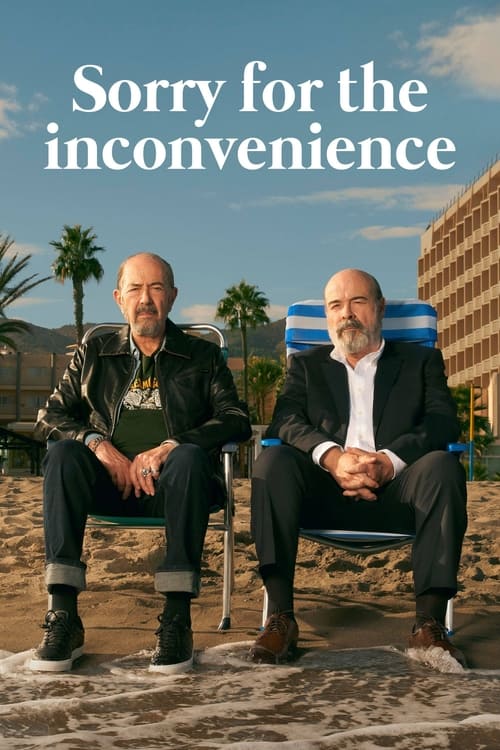
Rafael Müller is an acclaimed conductor; Rafael Jiménez is an old rock glory who refuses to hang his ax. Both will fight to continue fitting in a fast and young world that insists on taking them out of the game.
Comedy set in 1977, in which a renowned playwright (Alberto San Juan) tries to shoot a social protest drama starring a doldrums folk, former child star (Natalie Poza) and produced by a producer and shameless liar (Miguel Rellán). Inexperience, ambition, lack of means and the love-hate relationship with the star director shooting become a craze.
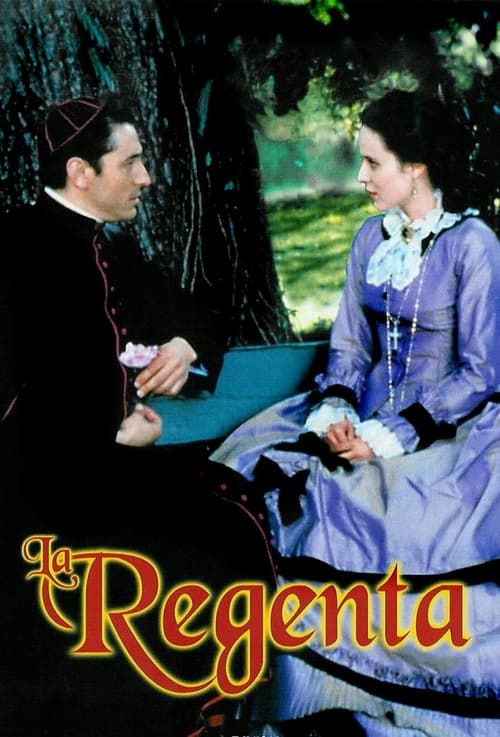
The imaginary city of Vetusta, a symbol of anachronistic and oppressive traditions, is the realm of hypocrisy and intolerance that makes Ana Ozores's life unbearable and inevitably tragic.