FEEL IT.STREAM
Jean Parker

Jean Parker

Acting

Biography

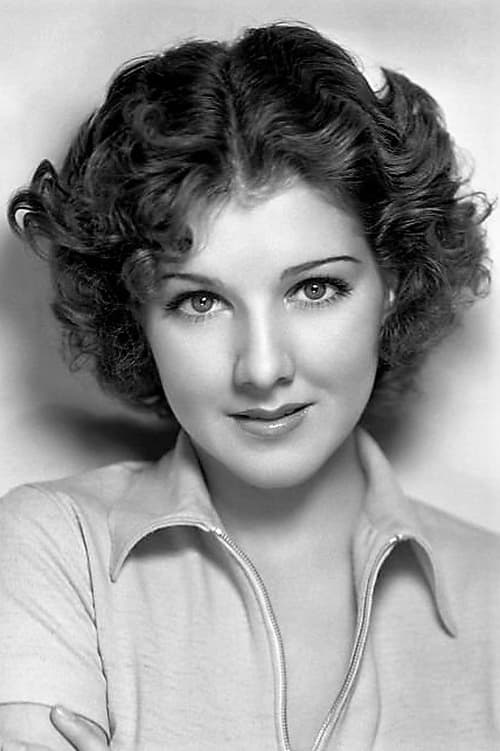
From Wikipedia, the free encyclopedia Jean Parker (born Lois Mae Green; August 11, 1915 – November 30, 2005) was an American film and stage actress. She landed her first screen test while still in high school. She acted opposite such well-known actors as Katharine Hepburn, Robert Donat, Edward G. Robinson, Randolph Scott, and Laurel and Hardy. She was married four times and had one son, Robert Lowery Hanks. Parker appeared in 70 movies from 1932 through 1966. In 1932, she posed as a flower girl and living poster in a float in the Tournament of Roses Parade, where she was seen by Ida Koverman, secretary to MGM mogul Louis B. Mayer. The following day the studio called her on the phone and invited her for a screen test. Parker's film debut came in Divorce in the Family (1932). She had a successful career at MGM, RKO and Columbia including roles in such films as Little Women, Lady for a Day, Gabriel Over the White House, Limehouse Blues, The Ghost Goes West, and Rasputin and the Empress. In 1939, she starred opposite Stan Laurel and Oliver Hardy in RKO's The Flying Deuces. Parker remained active in film throughout the 1940s, playing opposite Lon Chaney in Dead Man's Eyes, and a variety of other films. During World War II, she toured many of the veteran hospitals throughout the U.S. and performed on radio. In the 1950s, Parker co-starred opposite Edward G. Robinson in Black Tuesday; had a small but effective role in The Gunfighter, and appeared in A Lawless Street (1955). Her last film appearance was Apache Uprising (1966). Parker also appeared on Broadway. In 1949, she replaced Judy Holliday in Born Yesterday on Broadway and enjoyed a successful run in this classic. She appeared on Broadway opposite Bert Lahr in the play Burlesque. She did summer stock in Bucks County, Pennsylvania, toured in the play Candlelight and Loco, and performed on stage in other professional productions. In 1954, Parker played the role of "Cattle Kate Watson of Wyoming" in an episode of the syndicated television series Stories of the Century, the first western program to win an Emmy Award. The series starred and was narrated by Jim Davis. Later in her career and life, Parker continued a successful stint on the West Coast theatre circuit and worked as an acting coach. At age 83, Parker moved into the Motion Picture and Television Country House and Hospital in Woodland Hills, California, where she died of a stroke on November 30, 2005, at the age of 90. She was survived by her son, Robert, and granddaughters Katie and Nora Hanks. She was buried at the Forest Lawn Memorial Park in Hollywood Hills.

Known For

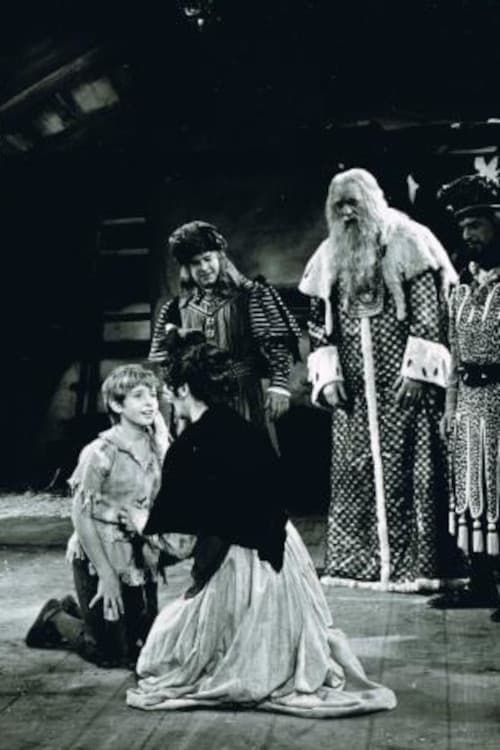
Matinee Theater
5.3

Matinee Theater is an American anthology series that aired on NBC during the Golden Age of Television, from 1955 to 1958. The series, which ran daily in the afternoon, was frequently live. It was produced by Albert McCleery, Darrell Ross, George Cahan and Frank Price with executive producer George Lowther. McCleery had previously produced the live series Cameo Theatre which introduced to television the concept of theater-in-the-round, TV plays staged with minimal sets. Jim Buckley of the Pewter Plough Playhouse recalled: When Al McCleery got back to the States, he originated a most ambitious theatrical TV series for NBC called Matinee Theater: to televise five different stage plays per week live, airing around noon in order to promote color TV to the American housewife as she labored over her ironing. Al was the producer. He hired five directors and five art directors. Richard Bennett, one of our first early presidents of the Pewter Plough Corporation, was one of the directors and I was one of the art directors and, as soon as we were through televising one play, we had lunch and then met to plan next week’s show. That was over 50 years ago, and I’m trying to think; I believe the TV art director is his own set decorator —yes, of course! It had to be, since one of McCleery’s chief claims to favor with the producers was his elimination of the setting per se and simply decorating the scene with a minimum of props. It took a bit of ingenuity.

Matinee Theater

1955
Suspense
5.1

An anthology series adapted from the radio program of the same name. Like the radio program, many scripts were adaptations of literary classics by well-known authors. Classic authors such as Edgar Allan Poe, Agatha Christie, and Charles Dickens all had stories adapted for the series, while contemporary authors such as Roald Dahl and Gore Vidal also contributed.

Suspense

1949
Stories of the Century
7.2

Stories of the Century is a 39-episode Western television series starring Jim Davis that ran in syndication through Republic Pictures between January 23, 1954, and March 11, 1955.

Stories of the Century

1954
Private Secretary
6.0

Private Secretary is an American sitcom that aired from February 1, 1953 to September 10, 1957 on CBS, alternating with The Jack Benny Program on Sundays at 7:30pm EST. The series stars Ann Sothern as Susan Camille "Susie" MacNamara, devoted secretary to handsome talent agent Peter Sands, played by Don Porter.

Private Secretary

1953
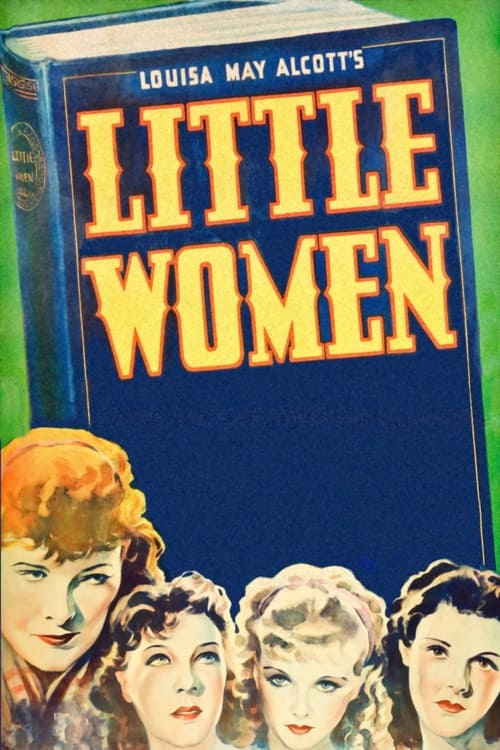
Little Women
6.8

Four sisters come of age in America in the aftermath of the Civil War.

Little Women

1933
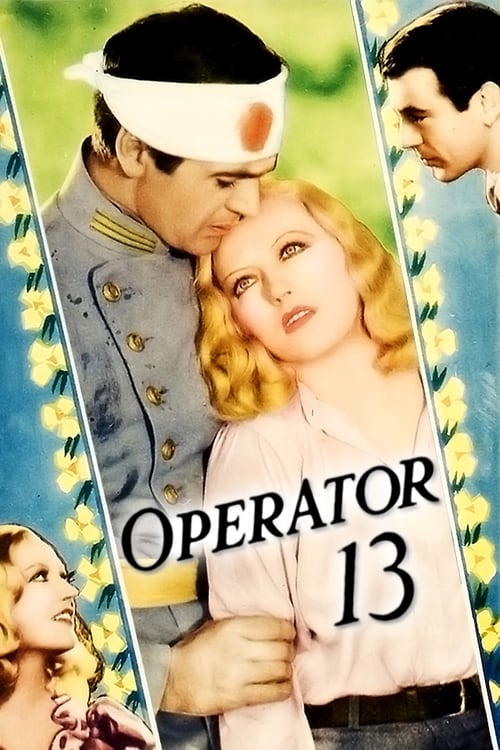
Operator 13
5.9

American Civil War, 1862. After the disaster of the Second Battle of Bull Run, Major Allen, chief of the Secret Service of the Union, asks actress Gail Loveless to become one of his operators and infiltrate enemy territory.

Operator 13

1934
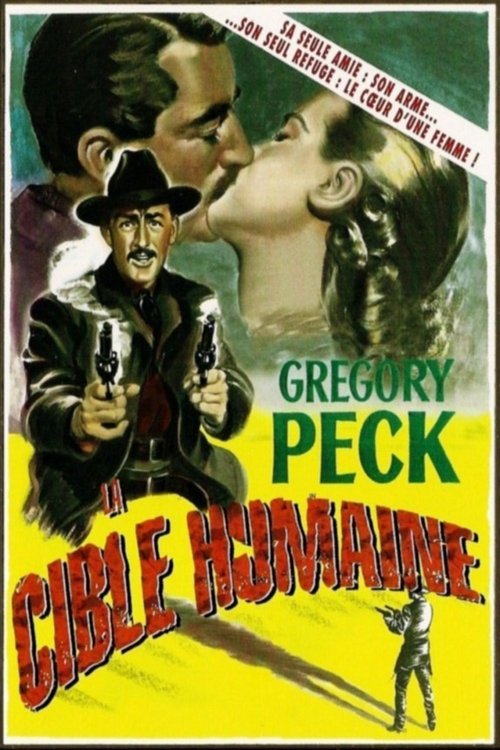
The Gunfighter
7.4

The fastest gun in the West tries to escape his reputation.

The Gunfighter

1950
Lady for a Day
7.1

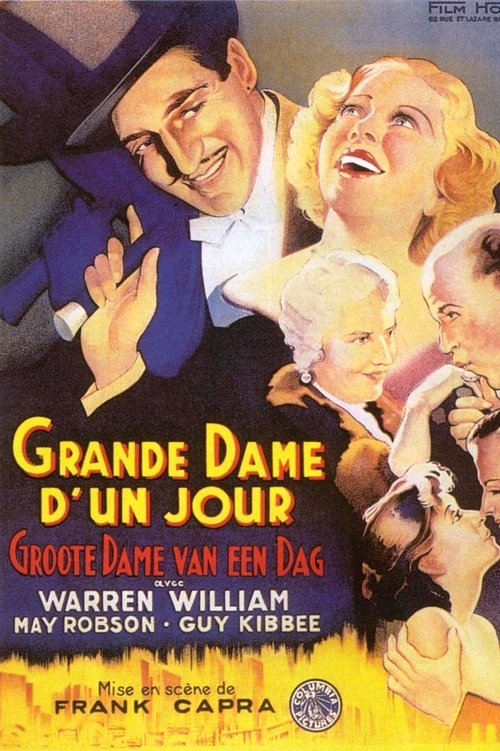
Apple Annie is an aging New York City fruit seller whose daughter Louise has been raised in a Spanish convent since she was an infant. As she grows up, Louise is led to believe that her mother is a society matron called Mrs. E. Worthington Manville. Annie worries that her lie is in danger of being uncovered when she learns that Louise is sailing to New York with her new fiancé and his nobleman father.

Lady for a Day

1933
Apache Uprising
6.4

Various stage coach passengers and outlaws travelling through Indian country are forced to join forces against the Apaches.

Apache Uprising

1965
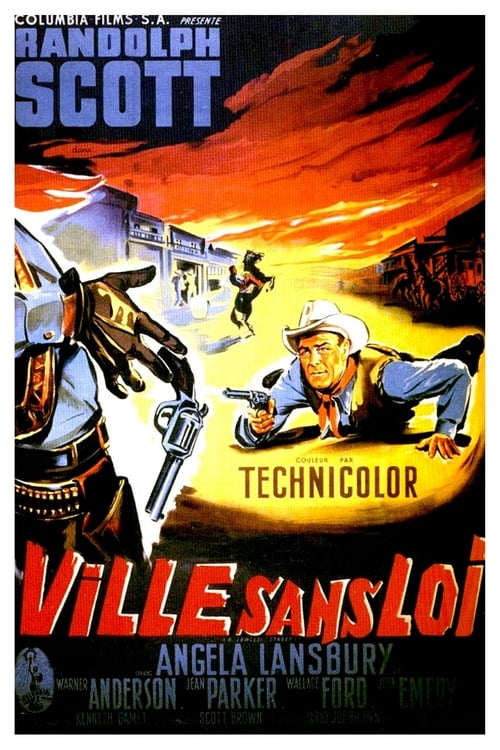
A Lawless Street
5.6

A Marshal must face unpleasant facts about his past when he attempts to run a criminal gang out of town.

A Lawless Street

1955
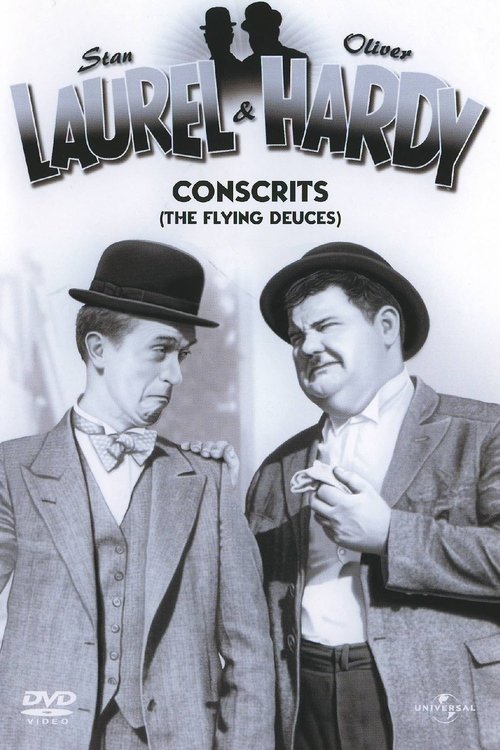
The Flying Deuces
6.4

Ollie falls in love with a woman. When he discovers she's already married, he unsuccessfully attempts suicide but he and Stan then decide to join the Foreign Legion to get away from their troubles. When they’re arrested for soon trying to desert the Legion—they escape a firing squad by stealing an aircraft.

The Flying Deuces

1939
Black Tuesday
6.2

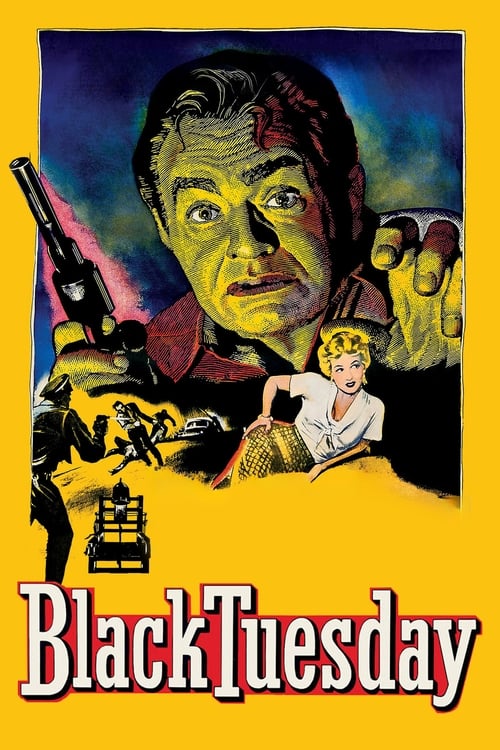
Vicious gangster Vincent Canelli pulls off a daring prison escape just moments before going to the electric chair, taking with him Peter Manning – a bank robber and cop killer who was to die right after him. Taking several hostages along, they try to get their hands on the loot from Manning’s robbery to finance their escape from the country.

Black Tuesday

1954
Those Redheads from Seattle
5.6

A woman takes her four beautiful daughters to Alaska during the Gold Rush to find their fortune.

Those Redheads from Seattle

1953
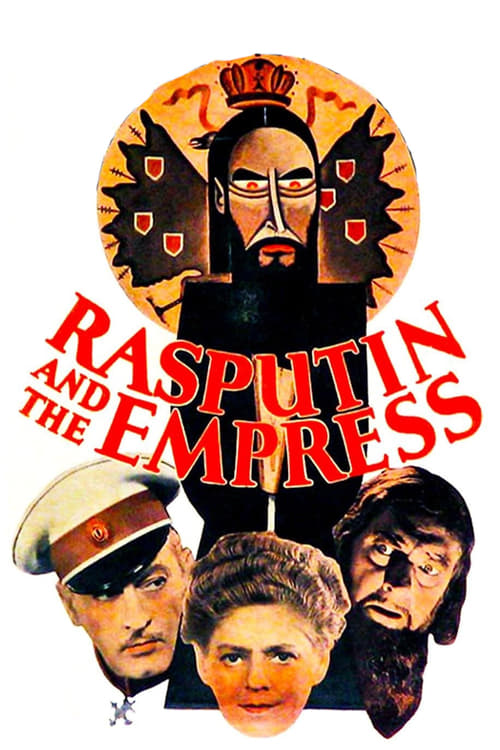
Rasputin and the Empress
5.5

The story of corrupt, power-hungry, manipulative Grigori Rasputin's influence on members of the Russian Imperial family and others, and what resulted.

Rasputin and the Empress

1932
Flight at Midnight
6.0

Spinner McGee, devil-may-care mail pilot volunteers his courage and skill for the task of raising $100,000 to save the small airport owned by Pop Hussey from being condemned.

Flight at Midnight

1939
Gabriel Over the White House
6.9

A political hack becomes President during the height of the Depression and undergoes a metamorphosis into an incorruptible statesman after a near-fatal accident.

Gabriel Over the White House

1933
Zenobia
4.9

A modest country doctor in the antebellum South has to contend with his daughter's upcoming marriage and an affectionate medicine show elephant.

Zenobia

1939
Beyond Tomorrow
6.1

The ghosts of three elderly industrialists killed in an airplane crash return to Earth to help reunite a young couple whom they initially brought together.

Beyond Tomorrow

1940
The Arkansas Traveler
6.7

The Arkansas Traveler, an itinerant printer, returns to a small town to help save The Daily Record, a newspaper started by Mr. Allen, an old friend who is now deceased.

The Arkansas Traveler

1938
The Ghost Goes West
6.7

Donald Glourie shares his crumbling ancestral home with the ghost of his Highland ancestor, Murdoch, who has been condemned to haunt the castle until he avenges a 200-year-old insult from a rival clan. To clear his mounting debts, Donald sells the dilapidated pile to an American businessman, Mr Martin, who has the castle complete with the Glourie ghost transported and rebuilt in Florida. While old-world gentility rubs up comically against 20th-century materialism, Martin's daughter takes a liking to both Donald and Murdoch, convinced they are one and the same man...

The Ghost Goes West

1935