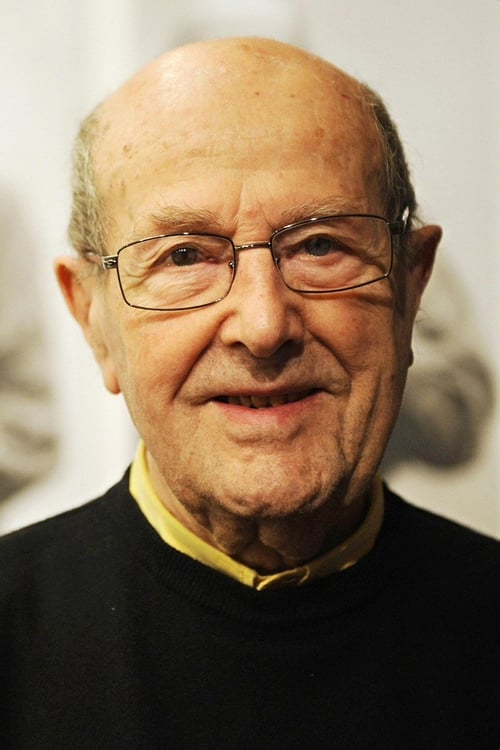
Manoel de Oliveira
Directing
Biography
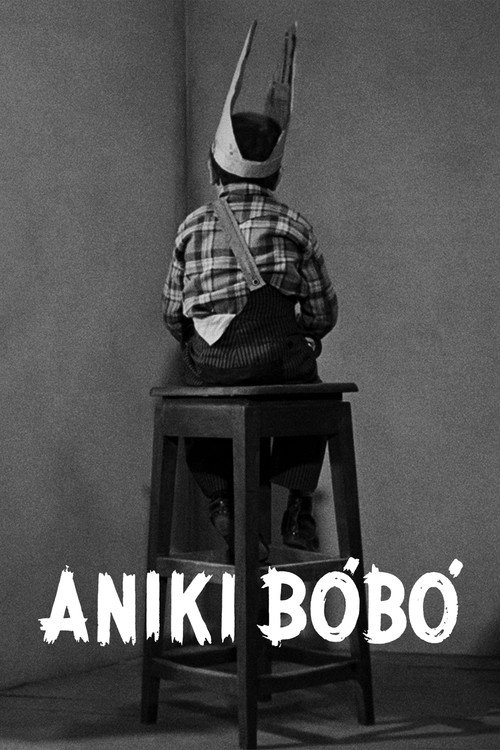
Manoel de Oliveira was born in Porto, Portugal on December 11, 1908, to Francisco José de Oliveira and Cândida Ferreira Pinto. His family were wealthy industrialists. Oliveira attended school in Galicia, Spain and his goal as a teenager was to become an actor. He enrolled in Italian film-maker Rino Lupo's acting school at age 20, but later changed his mind when he saw Walther Ruttmann's documentary Berlin: Symphony of a City. This prompted him to direct his first film, also a documentary, titledDouro, Faina Fluvial (1931). He also acted in the second Portuguese sound film, A Canção de Lisboa (1933). His first feature film came much later, in 1942. Aniki-Bóbó, a portrait of Oporto's street children, was a commercial failure when it opened, and its merit only came to be recognised over time. This drawback forced Oliveira to abandon other film projects he was involved in, and to dedicate himself to running his family vineyard. He re-emerged onto the film scene in 1956 with The Artist and the City, a work that marked a turning point in Oliveira's conception of the cinema. In 1963, O Acto de Primavera (The Rite of Spring), a documentary depicting an annual passion play, marked a turning point for his career. This was shortly followed by A caça (The Hunt), a grim feature film that contrasted with the happy tones of his previous documentary. Despite the widespread acclaim garnered by both films, he would not return to the director's seat until the 1970s. Since 1990 (when he turned 82), he has made at least one film each year. Oliveira has said that he direct movies for the sheer pleasure of doing it, regardless of critical reaction. He maintains a quiet life away from the spotlights, despite multiple honours such as those of the Cannes, Venice and Montreal film festivals. He has been awarded two Career Golden Lions in 1985 and 2004 and a golden palm for his lifetime achievements in 2008.
Known For

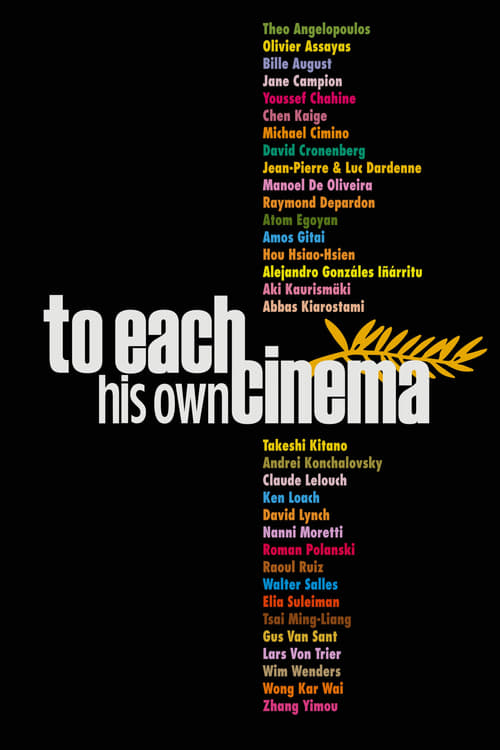
Commissioned to mark the 60th anniversary of the Cannes Film Festival, "To Each His Own Cinema" brought together 33 of the world's pre-eminent filmmakers to produce short pieces exploring the multifarious facets of cinema and their perspective on the state of their chosen artform in the early 21st century.
To Each His Own Cinema

No description available.
Zona+

No description available.
Já Está

Agnès Varda takes us on a journey of discovery as she travels the globe—from Stockholm to St. Petersburg, Lisbon to Rio de Janeiro, Mexico City to Los Angeles—meeting with friends, artists, and fellow filmmakers.
Agnès Varda: From Here to There

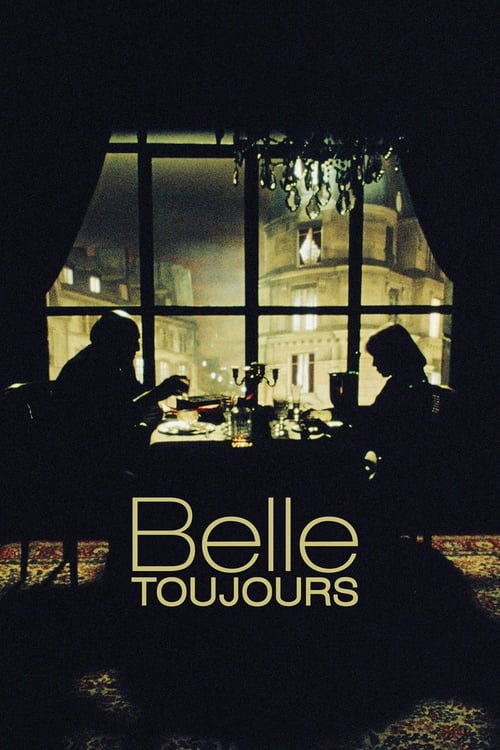
38 years after the events in the Luis Buñuel classic Belle de Jour, Henri Husson thinks he sees Séverine one night at a concert. He follows her and makes her face her past and then takes a slow revenge on her.
Belle Toujours

The journey of Michael Padovic, an American professor who arrives with his wife, Helene, at a Portuguese convent where he expects to find the documents needed to prove his theory: Shakespeare was born in Spain; not in England.
The Convent

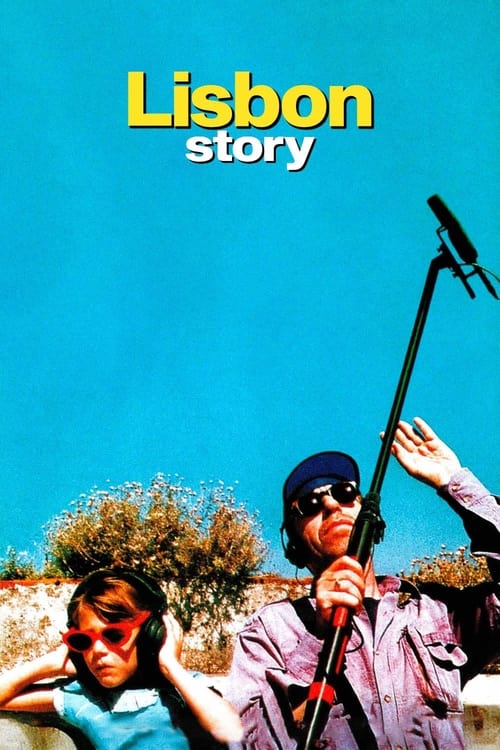
Wim Wenders' homage to Lisbon and films. A sound engineer obtains a mysterious postcard from a friend who at the moment is filming a film in Lisbon. He sets out across Europe to find him and help him.
Lisbon Story

The life of a young man, son of an English officer who lets himself become a prisoner of love resulting in fatalism and disgrace.
Francisca

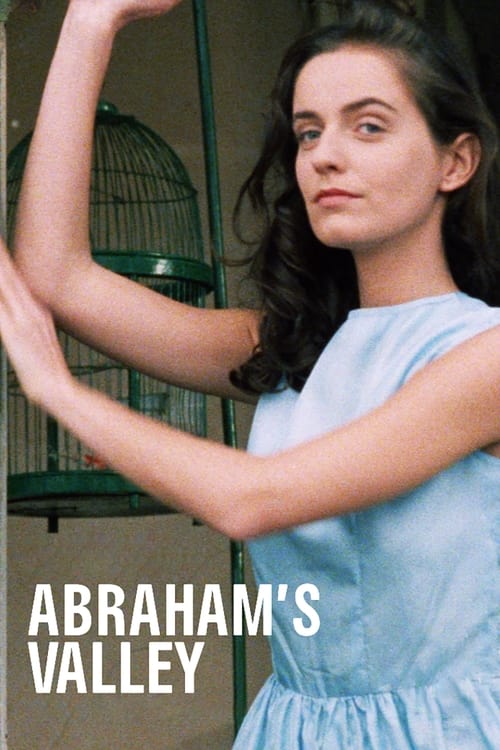
Ema is a very attractive but innocent girl, so pretty that cars crash in her presence. In her youth she marries Dr. Carlos Paiva, her father's friend, to whom she is not attracted. They move to the valley of Abraham. Carlos loves her, but decides to sleep in a separate room to avoid waking Ema when he has to return late at night. As time goes by she begins to feel unhappy about her marriage, so she finds a new lover.
Abraham's Valley

Manoel de Oliveira directs José Régio's historical epic of religious and political power struggles. King Sebastião plans to make Portugal the world's Fifth Empire.
The Fifth Empire

Cinématon is a 156-hour long experimental film by French director Gérard Courant. It was the longest film ever released until 2011. Composed over 36 years from 1978 until 2006, it consists of a series of over 2,821 silent vignettes (cinématons), each 3 minutes and 25 seconds long, of various celebrities, artists, journalists and friends of the director, each doing whatever they want for the allotted time. Subjects of the film include directors Barbet Schroeder, Nagisa Oshima, Volker Schlöndorff, Ken Loach, Benjamin Cuq, Youssef Chahine, Wim Wenders, Joseph Losey, Jean-Luc Godard, Samuel Fuller and Terry Gilliam, chess grandmaster Joël Lautier, and actors Roberto Benigni, Stéphane Audran, Julie Delpy and Lesley Chatterley. Gilliam is featured eating a 100-franc note, while Fuller smokes a cigar. Courant's favourite subject was a 7-month-old baby. The film was screened in its then-entirety in Avignon in November 2009 and was screened in Redondo Beach, CA on April 9, 2010.
Cinématon

An anthology film drama featuring a poetic mirror structure based on existential identity. In "The Immortals," adapted from a Helder Prista Monteiro play, two famous doctors, an 80-year-old father, and his 60-year-old son, contemplate senility and death. "Suzy," from an Antonio Patricio story, is set in the '30s when a young courtesan dies on the operating table. "Mother of the River" is from an Agustina Bessa-Luis fable about eternal life.
Inquietude

Short documentary about the town of Famalicão, in the North of Portugal.
Famalicão

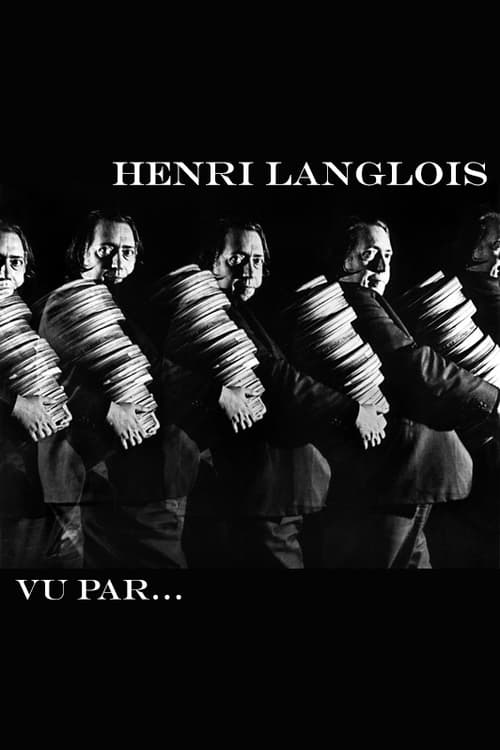
Thirteen filmmakers share personal reflections on Henri Langlois—the visionary founder of the Cinémathèque Française—recounting his influence on their lives, his role in preserving film history, and his enduring impact on world cinema.
Henri Langlois vu par...

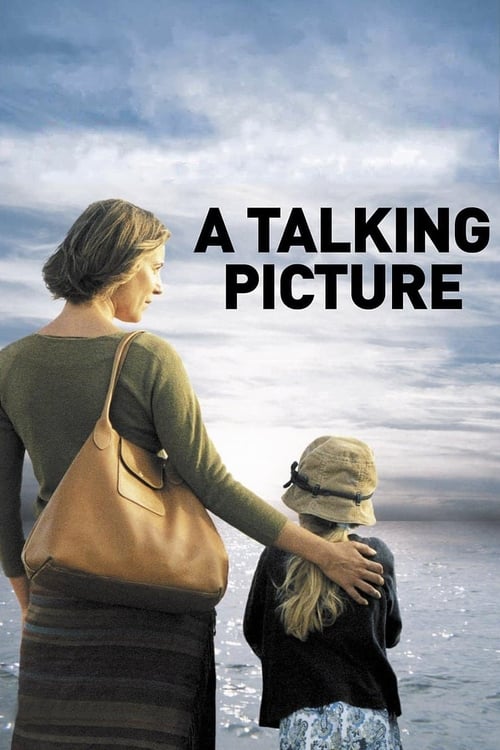
A meditation on civilization. July, 2001: friends wave as a cruise ship departs Lisbon for Mediterranean ports and the Indian Ocean. On board and on day trips in Marseilles, Pompeii, Athens, Istanbul, and Cairo, a professor tells her young daughter about myth, history, religion, and wars. Men approach her; she's cool, on her way to her husband in Bombay. After Cairo, for two evenings divided by a stop in Aden, the captain charms three successful, famous (and childless) women, who talk with wit and intellect, each understanding the others' native tongue, a European union. The captain asks mother and child to join them. He gives the girl a gift. Helena sings. Life can be sweet.
A Talking Picture

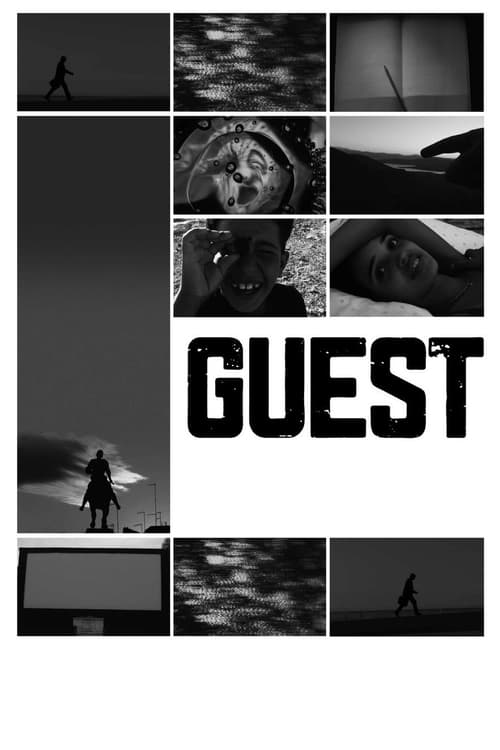
Filmmaker José Luis Guerin documents his experience during a year of traveling as a guest of film festivals to present his previous film. What emerges is a wonderfully humane and sincere portrayal of the people that he meets when he goes off the beaten track in some of the world's major cities.
Guest

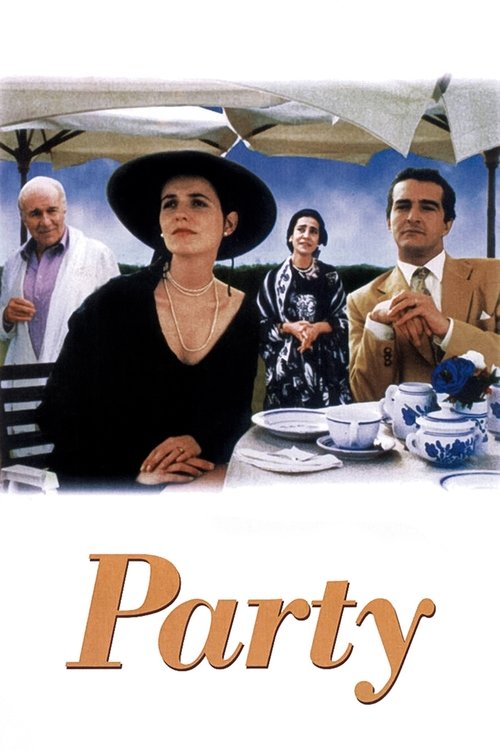
Having lost her place among the social elite, a widow remarries and starts a family.
The Uncertainty Principle

Episodes from throughout the entire military history of Portugal are told through flashbacks as a conscripted student of history recounts them to his fellow soldiers while they march through an African colony in revolt during 1973.
No, or the Vain Glory of Command

Manoel is an aging film director who travels with the film crew through Portugal in search of the origins of Afonso, a famous French actor whose father emigrated from Portugal to France and in process remembers his own youth.
Voyage to the Beginning of the World

A story about doomed love between two people from different worlds and the impact in their lives. Based on the novel of the same name by Portuguese writer Camilo Castelo Branco.