Archie Shepp
Acting
Biography
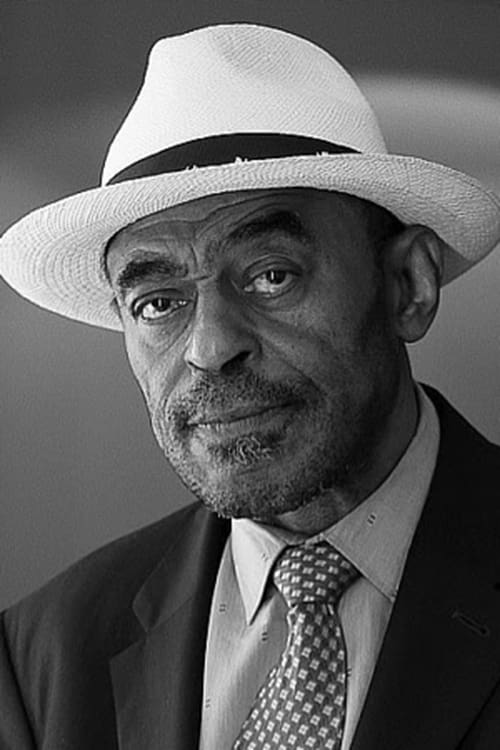
Archie Shepp was born in 1937 in Fort Lauderdale, Florida. He was 7 years old when his family moved to Philadelphia, in the black neighborhood of "Brick Yard". He started playing the banjo with his father, then he studied piano and saxophone at the same time as he did his secondary studies at Germantown College. He entered university, got into theatre, frequented novelists and poets like Leroy Jones, and wrote his first play "The Communist", an allegory on the situation of black Americans. At the end of the 50s, Archie Shepp met the most radical musicians of the time: Lee Morgan, Bobby Timmons, Jimmy Garrisson, Ted Curson, Beaver Harris... During this period, his political conscience found expression in plays and theatrical productions that only allowed him to survive. It was at the beginning of the 60s that he met Cécil Taylor and made two recordings with him that would be decisive. In 1962, he signed his first album as co-leader with Bill Dixon. The following year, he founded the New York Contemporary Five with John Tchicaï, recorded four albums for the Fontana, Storyville and Savoy labels and discovered Europe with the same group. From August 1964, he worked with Impulse: 17 albums were recorded including Four for Trane, Fire Music, Mama too Tight, which are among the classics of Free music. His collaboration with John Coltrane took shape in Ascension in 1965 and marked a turning point in avant-garde music. His participation in the creation of the Composers Guild with Paul and Carla Bley, Sun RA, Roswell Rudd, Cecil Taylor, reflects his militant commitment. In July 1969, he went to Africa for the first time to the Pan-African Festival in Algiers, a city that was home to many black American opponents at the time. On this occasion, he recorded live for the Byg label, the first of six albums in the Actuel series and he played on stage with a group of Tuaregs. From then on, Archie Shepp would multiply the musical encounters "world" with Gwoka from Guadeloupe, Hungarians (CD Hungarian bebop with Mihaly Dresch) and many others. From 1969, he taught ethnomusicology at the University of Amherst, Massachusetts); he continued to perform around the world, asserting his identity as an African American musician. Francis Marmande wrote about him in the Dictionnaire du Jazz (published by Robert Laffont): "An artistic and intellectual personality of the highest order, Archie Shepp, a leading musician of the free avant-garde, was able to join, without abandoning the essential of this aesthetic, the "royal road" of jazz art. By deepening the spirit and the letter of the two sides of the song originating from Negro-American music: the blues and the spiritual. Of which he never ceases, through classical pieces or composed by him (Black Water Blues by Bessie Smith or Mama Rose, etc.) to revive the force of strangeness in the face of European music, in a unique mix of wounded violence and immemorial nostalgia. In recent years Archie Shepp multiplies the audacious encounters without ever fearing to take risks.
Known For

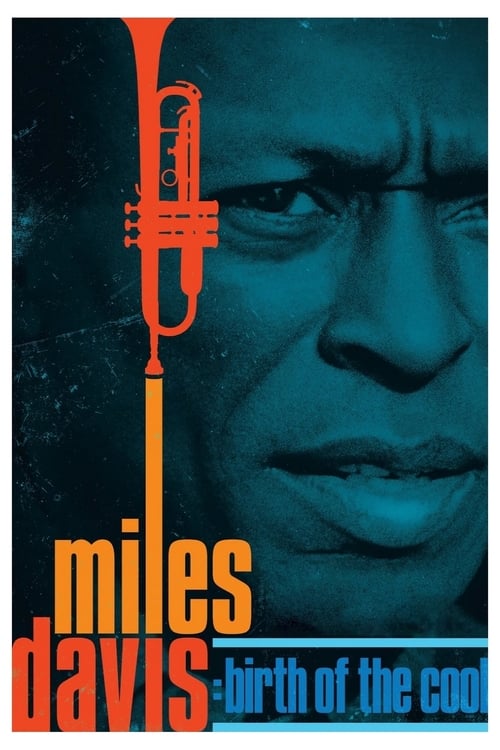
An immersive look at the eventful life and brilliant artistic career of visionary American jazz trumpeter Miles Davis (1926-1991).
Miles Davis: Birth of the Cool

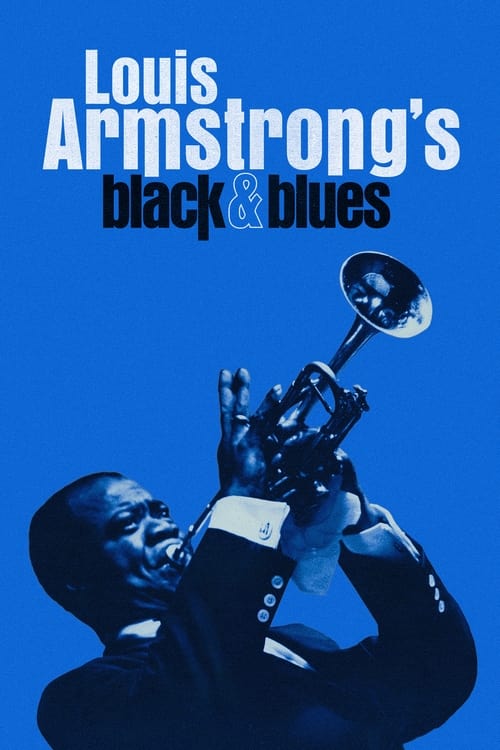
Never-before-heard personal recordings and archival footage tell the story of Louis Armstrong's life from his perspective. From musical phenom to civil rights activist to world-renowned artist, this illuminating film shows sides of Armstrong few have seen.
Louis Armstrong's Black & Blues

Festival panafricain d'Alger is a documentary by William Klein of the music and dance festival held 40 years ago in the streets and in venues all across Algiers. Klein follows the preparations, the rehearsals, the concerts… He blends images of interviews made to writers and advocates of the freedom movements with stock images, thus allowing him to touch on such matters as colonialism, neocolonialism, colonial exploitation, the struggles and battles of the revolutionary movements for Independence.
The Panafrican Festival in Algiers

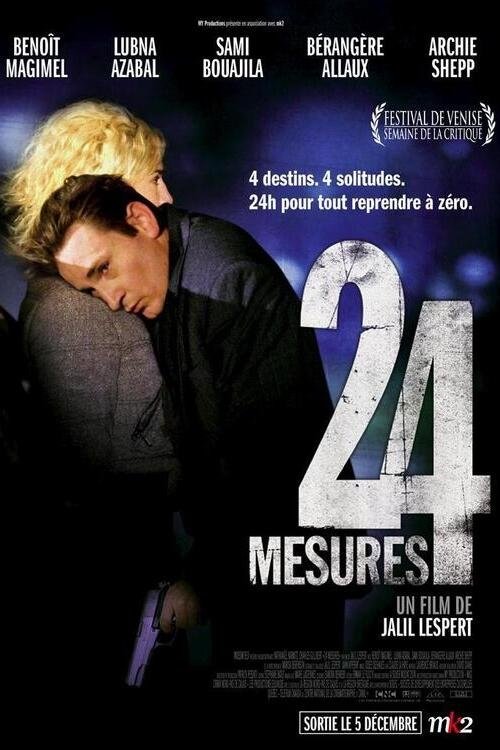
It is Christmas Eve. Separated from her young son, Helly struggles for money. A solitary man, Didier pays her to play his fiancée for the night. But the act comes to a tragic end. Left stunned, Helly meets Marie, who takes her in, on her way to the coast. There they encounter Chris. All three will end the night together. It’s their last move in joy and perdition.
24 Bars

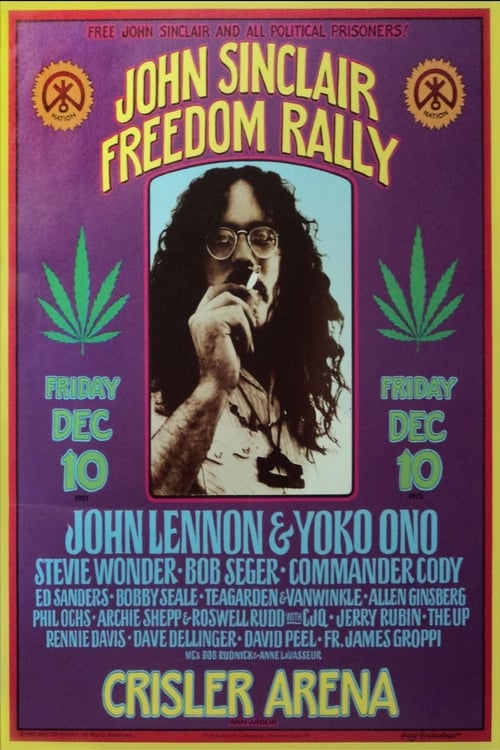
Concert film documentary. The John Sinclair Freedom Rally was a protest and concert in response to the imprisonment of John Sinclair for possession of marijuana held on December 10, 1971. Features performances from John Lennon, Yoko Ono, Stevie Wonder and Bob Seger
Ten for Two: The John Sinclair Freedom Rally

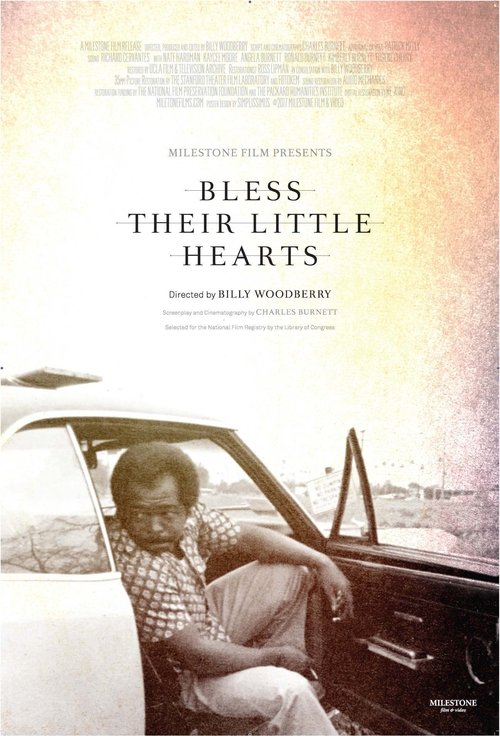
Charlie Banks, chronically unemployed, struggles to find dignity and a meaning for life in the impoverished Los Angeles neighborhood of Watts.
Bless Their Little Hearts

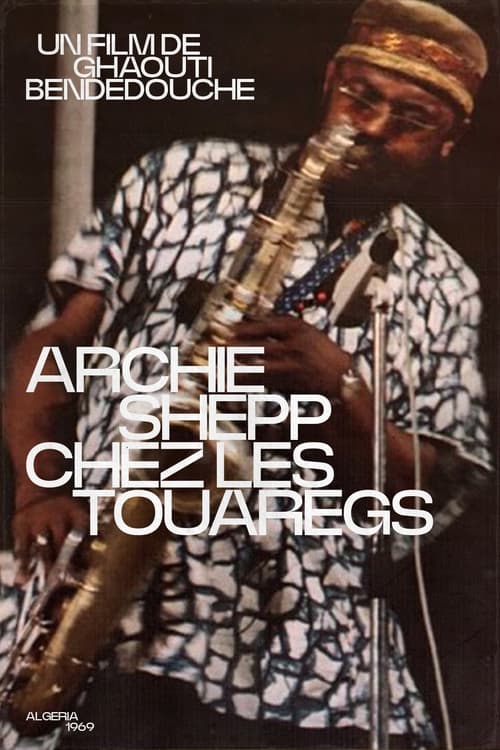
No description available.
Archie Shepp chez les Touaregs

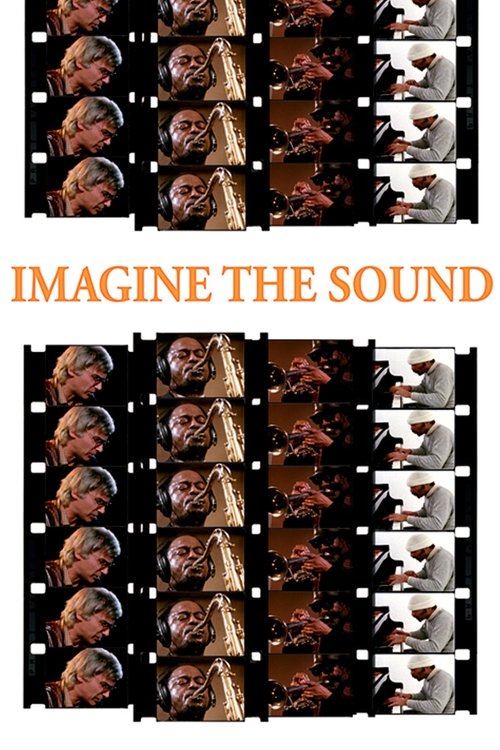
An examination, shown through both interviews and performances, of the avant-garde free jazz movement which reigned during the 1960s.
Imagine the Sound

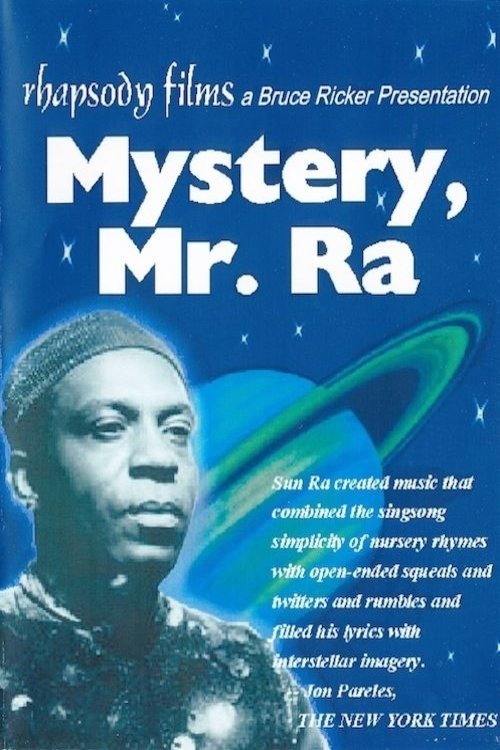
Sun Ra, Archie Shepp and company in concert in Paris, 1984. Documents performances and rehearsals in Paris, France, 1984. It includes the compositions "Love in Outer Space," "Nuclear War," and "1984" by Sun Ra and the standards "Tea for Two" and "Blue Lou," as well as interviews with Sun Ra and Archie Shepp.
Mystery Mister Ra

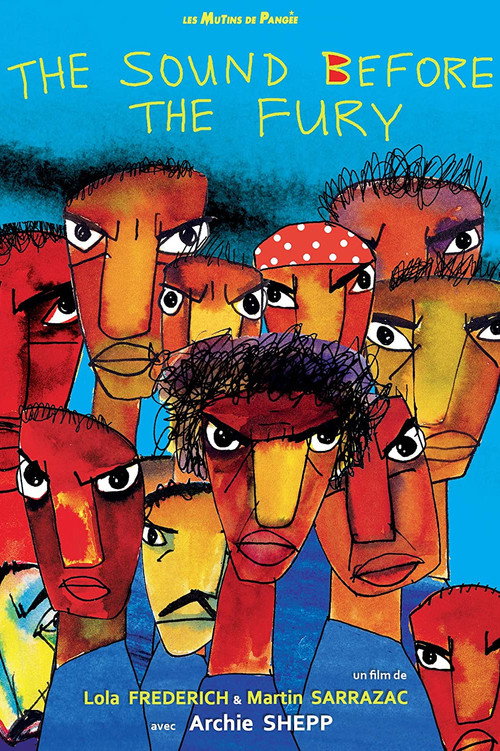
Following the uprising of inmates in the high security prison of Attica, in the state of New York, Archie Shepp launches, with a group of musicians gathered especially for the occasion, an album that will be recorded in the history of music: Attica Blues. After 40 years, the saxophonist decided to play this album again live with a big band, made up of young musicians and musicians his age.
The Sound Before the Fury

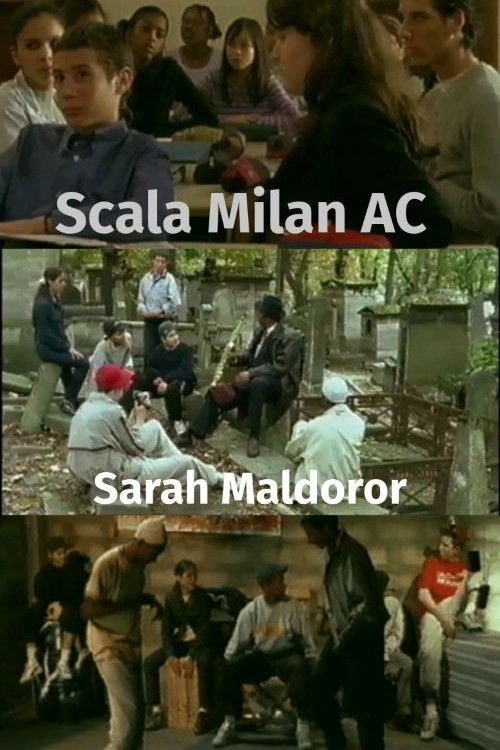
Some teenagers sign up for the contest: "Describe your neighborhood", whose first prize is a trip to Milan. As the youngsters are football fans and fans of Milan AC, they decide to describe the neighbourhood with a rap song, and record a video. Archie Shepp, who also lives in the neighbourhood, watches them and decides to give them a hand.
Scala Milan AC

Foreign Office focuses on the period during which Algiers – between 1962 and 1972– became the “mecca of revolutionaries”, hosting representations of many liberation movements from Africa, Asia and the Americas, such as Eldridge Cleaverʼs International Section of the Black Panther Party, Mandelaʼs ANC, or the PAlGC (African Party for the Independence of Guinea and Cape Verde) founded by Amilcar Cabral. Taking as a starting point this forgotten past of post-independence era and internationalism, Foreign Office, invites to reflect on history and its transmission, and on emancipation as essentially linked to poetry. The film shows two young Algerians “re-writing” this history through images, language, and orality, articulating an historiography defined by “cinematic montage” as well as by translation as forms of writing, investigating, and reflecting on history and its resonances.
Foreign Office

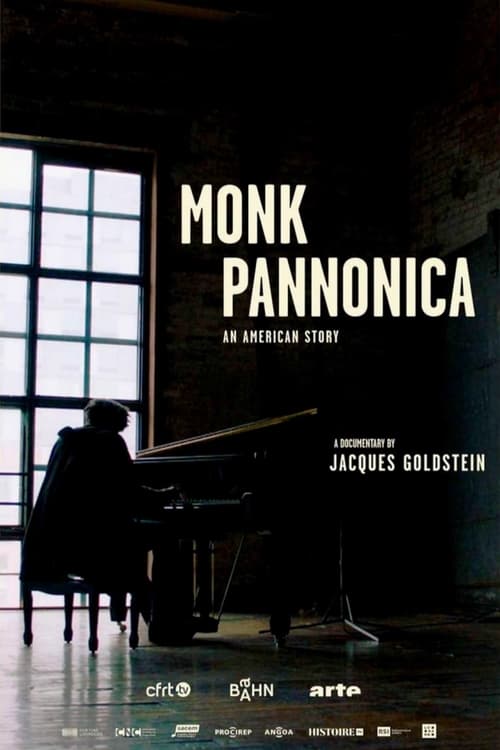
Paris, 1954. The story of the meeting, known thanks to the fortuitous discovery of a forgotten notebook, full of notes and photographs, between a white British aristocrat, Baroness Pannonica de Koenigswarter, writer and jazz patron, and a talented black pianist, Thelonious Monk, one of the best bebop jazz musicians of all time; a prodigious union of wills that overcame the most extreme prejudices of the very conservative US society.
Monk & Pannonica: An American Story

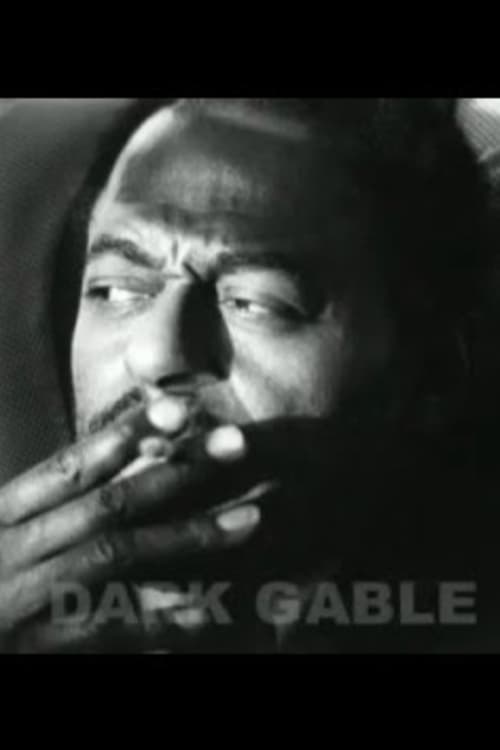
At first glance, the pairing of veteran American saxophonist Archie Shepp and German pianist Joachim Kuhn seems an unlikely one. Performance at the Fondation Cartier pour l'art contemporain - May 2011.
Dark Gable

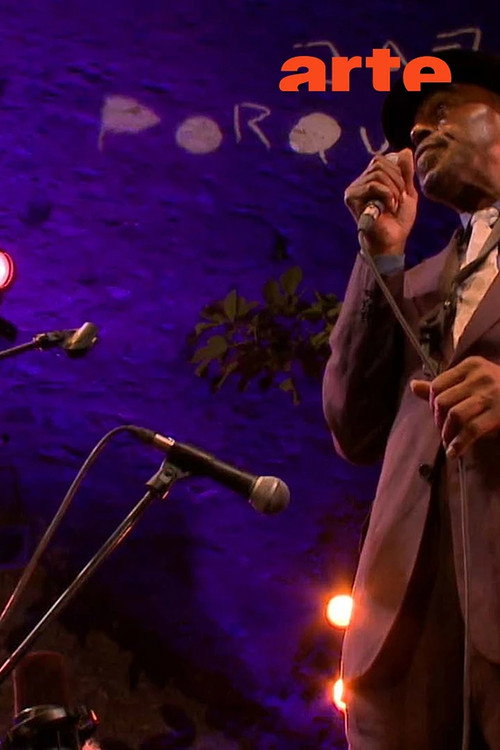
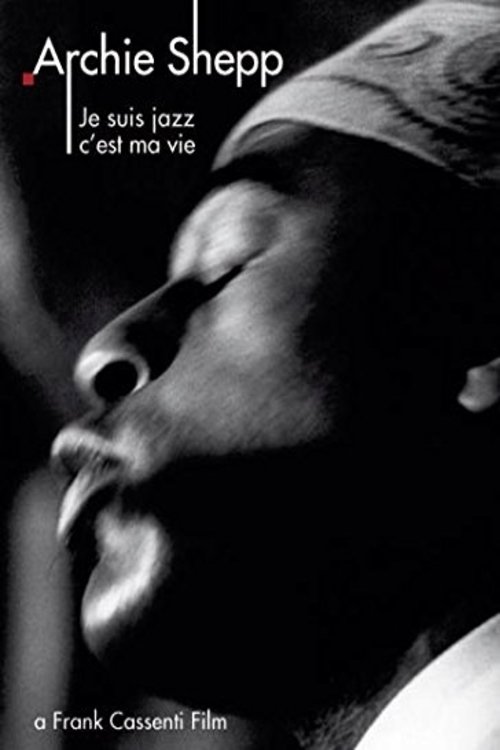
Jazz legend Archie Shepp toplines this unique and informative documentary. It intercuts performance footage of Shepp with interviews where he speaks candidly about such topics as Jazz's African origins, the genre's "revolutionary" purpose, and the social isolation of African Americans today.
Archie Shepp: Je suis jazz... c'est ma vie

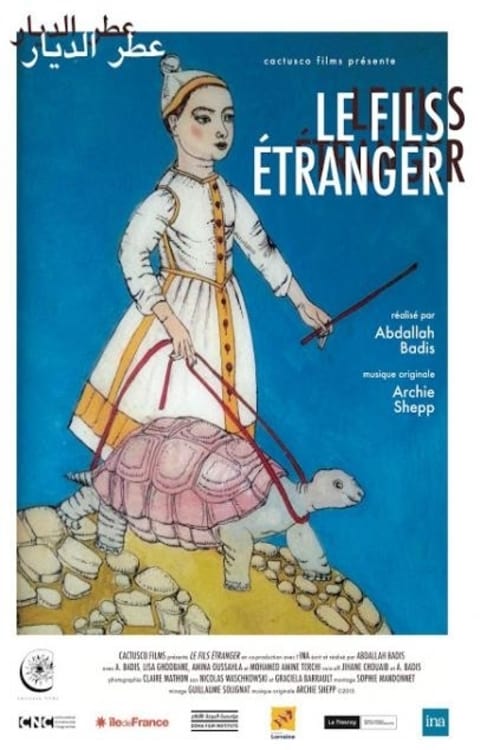
Answering the call of his homeland Algeria, there seems to be a path unfolding in front of him, and it is tortuous. Providence provides a child to guide him. The apparently pristine wilderness is heavy with the history of the land. Along a fine line between reality and fantasy, the past surfaces through archive footage. Strangely, the uncanny trip will lead the foreign son to connect with a landscape he hardly knows, and allow his intimate reunion with an estranged family.
The Foreign Son

No description available.
Le chemin noir

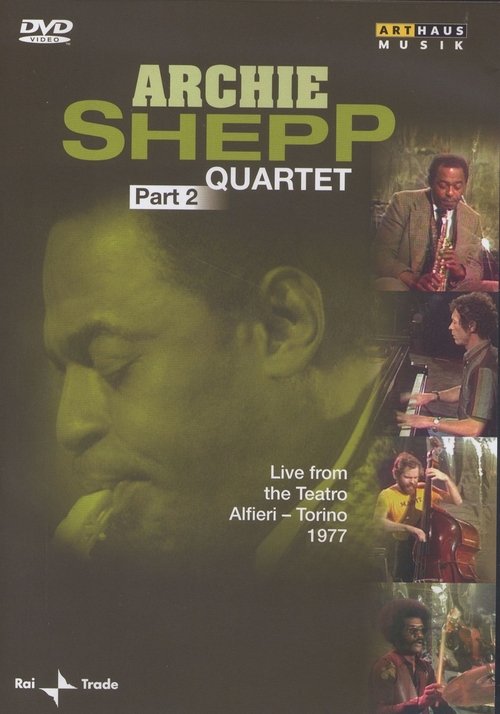
Recorded live at the Teatro Alfieri - Torino, 14 October 1977. Archie Shepp: saxophone. Siegfried Kessler: piano. Cameron Brown: bass. Clifford Jarvis: drums. Setlist: Things Have Got To Change (Calvin Massey). Sophisticated Lady (Duke Ellington). Steam (Archie Shepp). Invitation (Bronislaw Kaper). Sonny's Back (Grachan Moncur III).