Writing
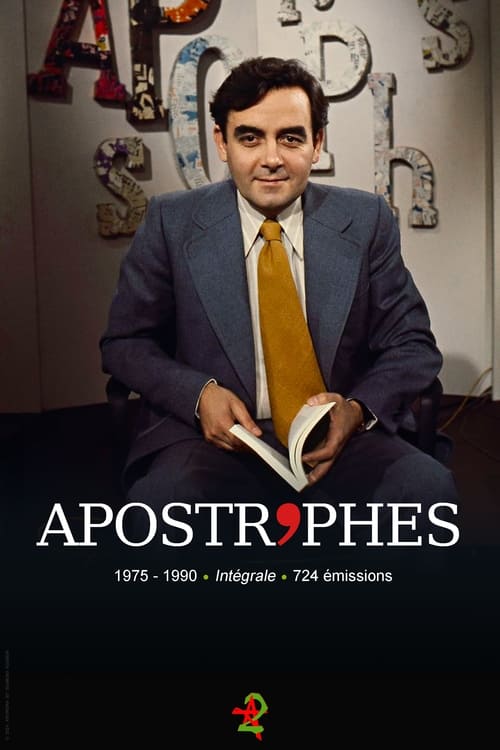
Apostrophes was a live, weekly, literary, prime-time, talk show on French television created and hosted by Bernard Pivot. It ran for fifteen years (724 episodes) from January 10, 1975, to June 22, 1990, and was one of the most watched shows on French television (around 6 million regular viewers). It was broadcast on Friday nights on the channel France 2 (which was called "Antenne 2" from 1975 to 1992). The hourlong show was devoted to books, authors and literature. The format varied between one-on-one interviews with a single author and open discussions between four or five authors.
French current affair show
La Case du Siècle is a French television program launched in 2010 and broadcast on France 5. Hosted by Fabrice d'Almeida, it airs documentaries every Sunday that aim to shed light on the history of the 20th century, both in France and around the world. Through these documentaries, viewers can deepen their knowledge of a specific subject or simply discover a particular era. *La Case du siècle* offers an in-depth look at the events that changed the course of history.
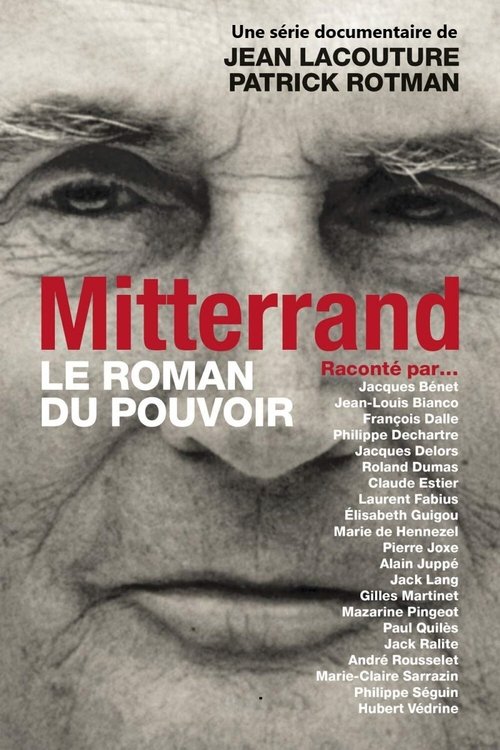
Jean Lacouture and Patrick Rotman interview the witnesses of François Mitterrand's life. Their testimonies, which both complement and contradict each other, write the story of a life: the youth, the Vichy regime and the Resistance during the Second World War, the Fifth Republic and the Algerian war, the conquest of the Elysée, the backstage of power and the secrets of a president.
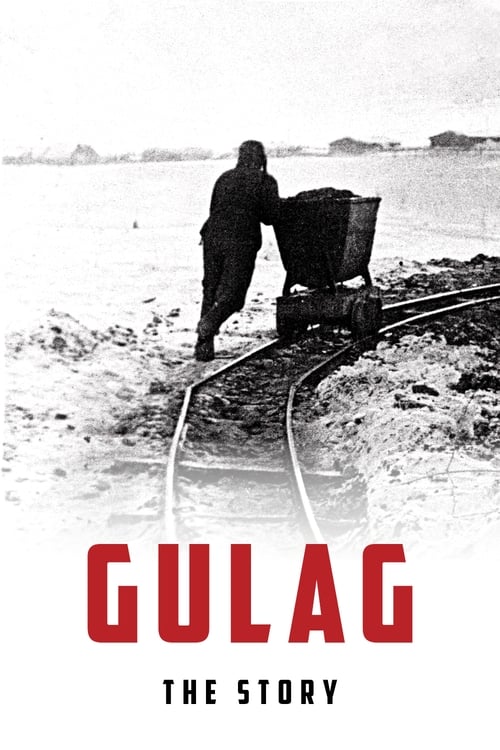
A major political, historical, human and economic fact of the 20th century, the Gulag, the extremely punitive Soviet concentration camp system, remains largely unknown.
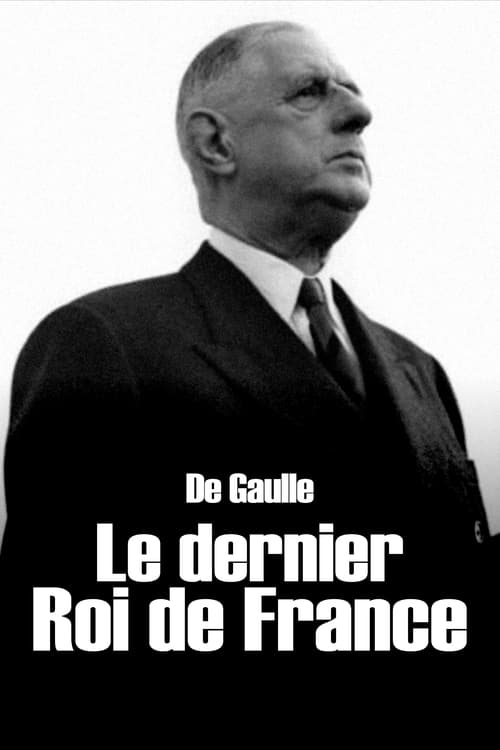
Charles de Gaulle, the first president (1958-1969) of the Vth Republic, France’s current system of government, left his mark on the country . He was statesman of action and has been compared to a monarch. This film depicts the general’s personality through the great events of his presidential term, at a time when the world was undergoing considerable changes.
Communism spread to all of the continents of the word, lasting through four generations and over seven decades. Hundreds of millions of men and women were affected by this political system, one of the most unjust and bloodiest in history. Using newly discovered propaganda films and archival photos, these four episodes explore the mysteries of this totalitarian political machine that lured its share of important followers into the fold. Known as the red church, communism seduced its ardent followers like some earthly religion.
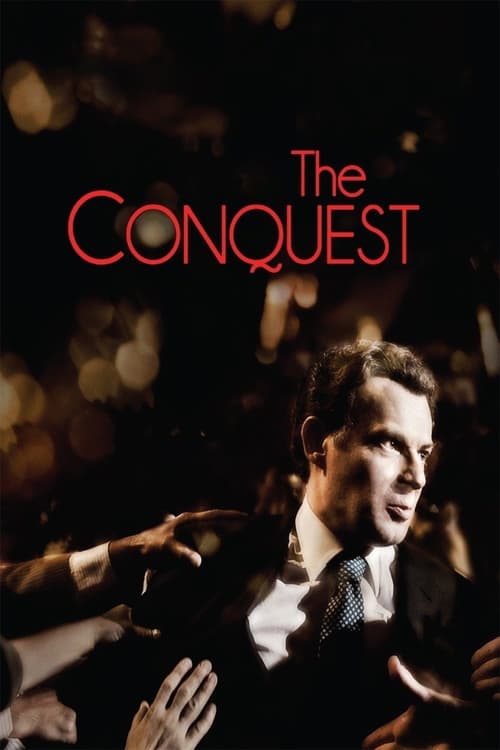
A look at French president Nicolas Sarkozy's rise to power.
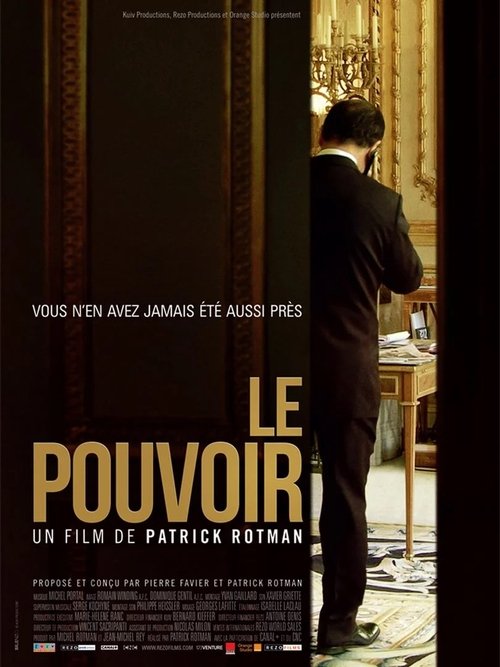
For the very first time and in complete exclusivity, Patrick Rotman films the daily work of french President François Hollande. Through an essential mise-en-scène, the film penetrates and reveals the core of the Elysée Palace.
Parisian authorities clash with the Front de Libération Nationale (FLN) in director Alain Tasma’s recounting of one of the darkest moments of the Algerian War of Independence. As the war wound to a close and violence persisted in the streets of Paris, the FLN and its supporters adopted the tactic of murdering French policemen in hopes of forcing a withdrawal. When French law enforcement retaliated by brutalizing Algerians and imposing a strict curfew, the FLN organizes a peaceful demonstration that drew over 11,000 supporters, resulting in an order from the Paris police chief to take brutal countermeasures. Told through the eyes of both French policemen as well as Algerian protestors, Tasma’s film attempts to get to the root of the tragedy by presenting both sides of the story.
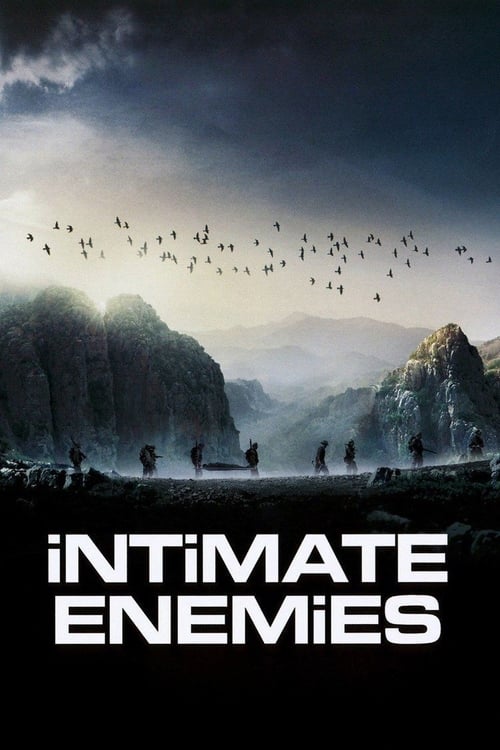
A drama following a French platoon during Algeria's war of independence.
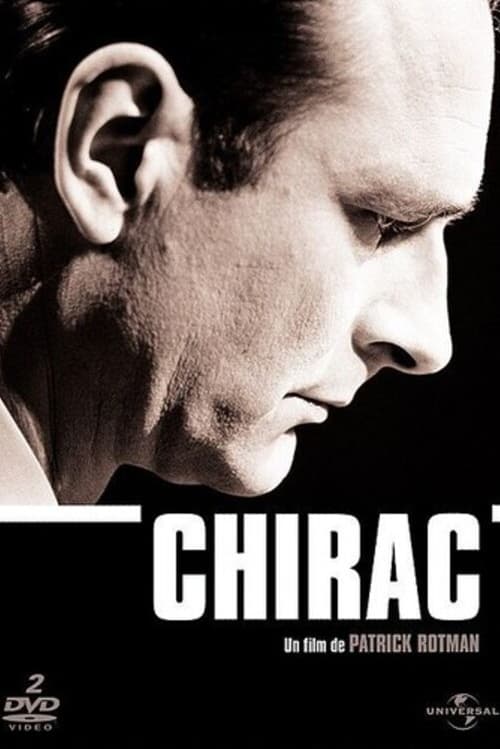
Faced with President François Mitterrand, Jacques Chirac embodied the opposition. In 1986, the right won the legislative elections and he became Prime Minister. After two years of tough cohabitation, François Mitterrand was re-elected in 1988. After a moment of despondency, the Chirac machine started up again. During the referendum on Maastricht, he took a position for the "yes", against the vast majority of his party. In March 1993, the opposition led by Chirac won a crushing victory. Edouard Balladur became Prime Minister. In 1995, Jacques Chirac was elected President of the Republic: thirty years of political life found their fulfillment.
No description available.
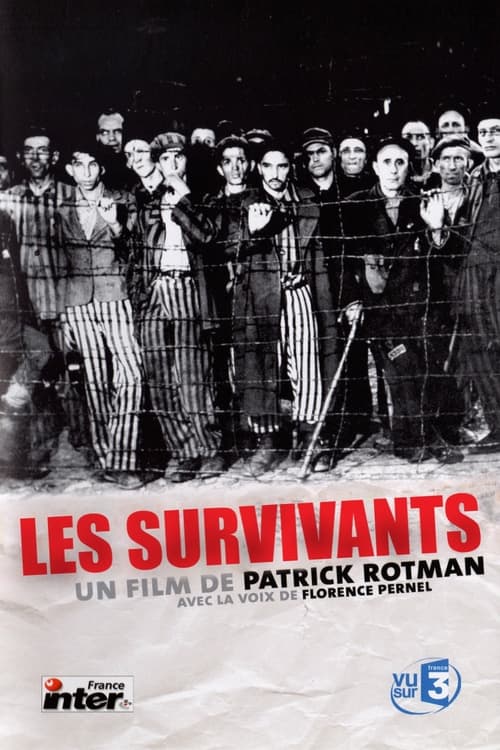
Ten survivors from the nazi camps speak about their struggle.
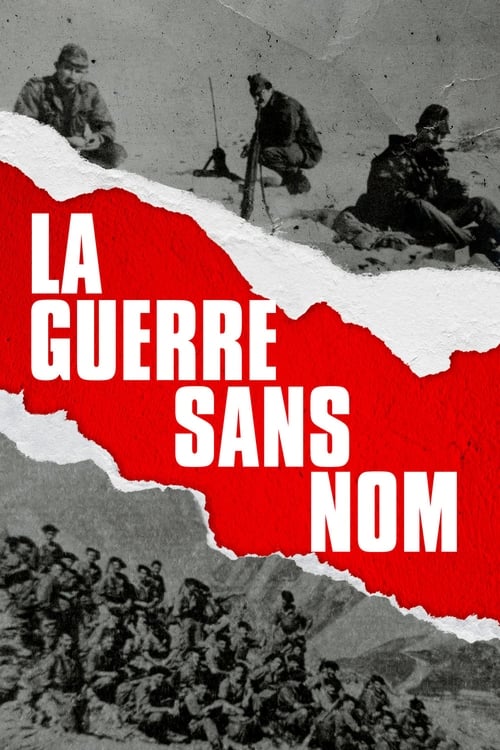
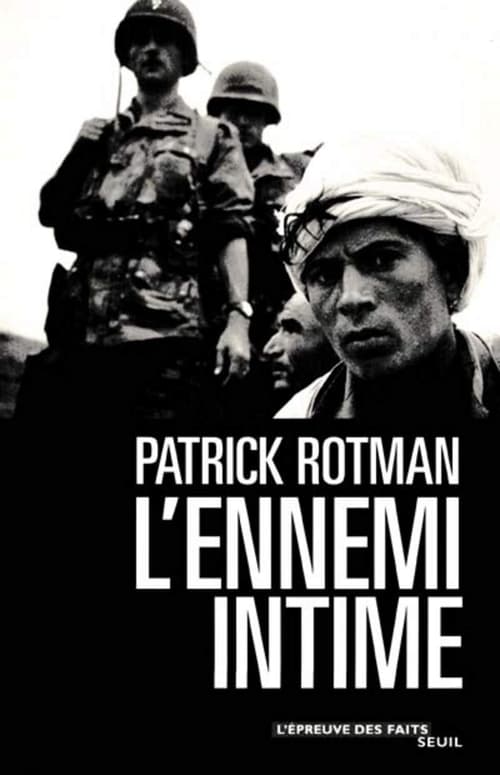
Documentary on the French-Algerian conflict 1954-1962 which was never officially called a "war", including interviews with some of the survivors.
This miniseries on torture in Algeria retraces, in its complexity, the history of torture during this war. It responds to simple questions even if the answers are complex: when, how, why, and how many? Using interviews from soldiers, confessions from the drafted contingent who practiced electric shock treatment in cold blood, stories from doubtful parachutists, interviews from Algerian victims, heads of the FLN (on the exactions they committed), politicians of the period, historians, this film scrupulously brings to its viewers all the historical, political, social, and cultural data that permitted this abomination to develop.
Documentary about Ilyich Ramírez Sánchez, aka "Carlos the Jackal", international terrorist.
François Mitterrand has dominated French history over the last 30 years. Through the longevity of his political career, which spanned two republics; through his rise to the highest office, which he held for 14 years; and through his leadership of the Left, François Mitterrand’s political destiny has been exceptional. Successively leader of a Resistance party a year after leaving Vichy, a minister at the age of 29, leader of the anti-Gaullist movement, the man who reinvented the Socialist Party, President of the Republic and architect of the Maastricht Treaty establishing the European Union, he appears to be a character straight out of a novel, whose life is divided into distinct chapters.