Acting
Aucune description disponible.
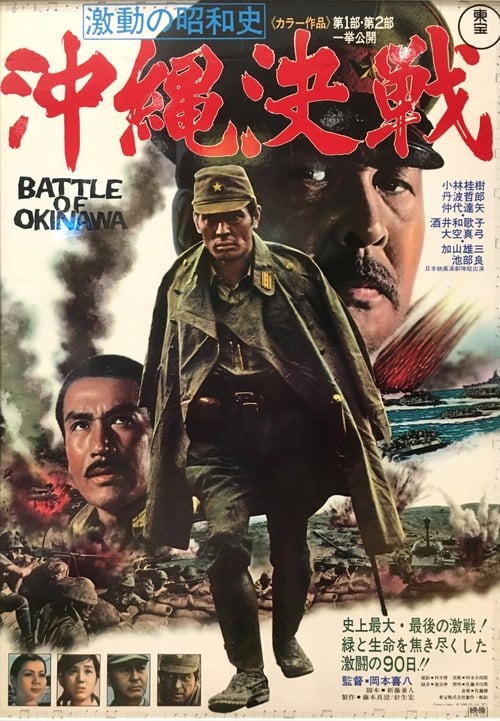
7 Août 1942. L'armée américaine envoie une grande flotte navale à l'assaut de Guadalcanal. Cela a marqué le début du Pacifique la contre-offensive de l'armée américaine. Guadalcanal devait être défendu jusqu'à la mort! Après six mois de bataille mortelle les munitions et vivres de la garnison japonaise étaient épuisés Souffrant de la faim, des blessures, le paludisme et la dysenterie amibienne, ils ont finalement été vaincus la contre-offensive de l'armée américaine qui a conquis Guadalcanal propagation d'île en île comme une avalanche:.. Bougainville, l'archipel Bismarck, Nouvelle-Guinée, Makin, Tarawa et enfin, en 1944, le 7 Juillet, les défenseurs de Saipan ont choisi le chemin de la "gyokusai". (Gyokusai = honorable mort plutôt que de se rendre, soit en luttant contre la mort ou le suicide.)
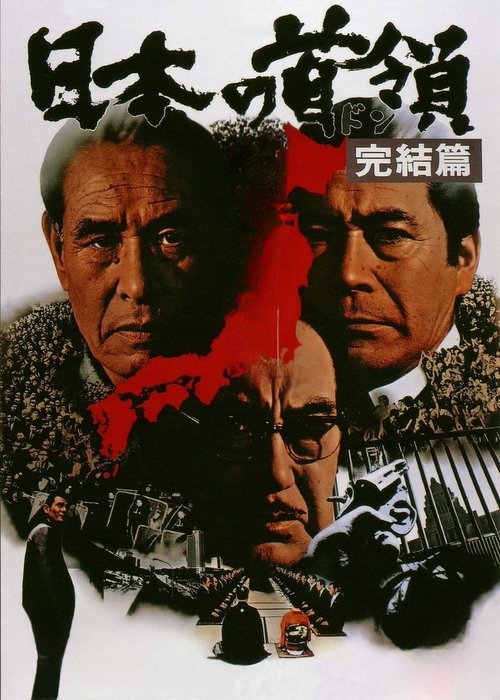
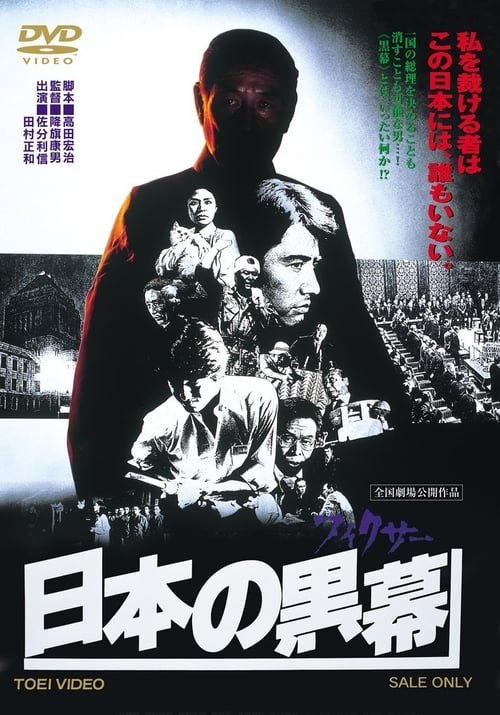
La trilogie se termine alors que trois dirigeants de la pègre s'affrontent pour déterminer qui deviendra Don du Japon.
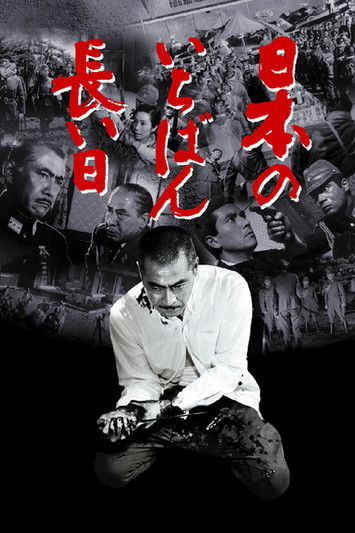
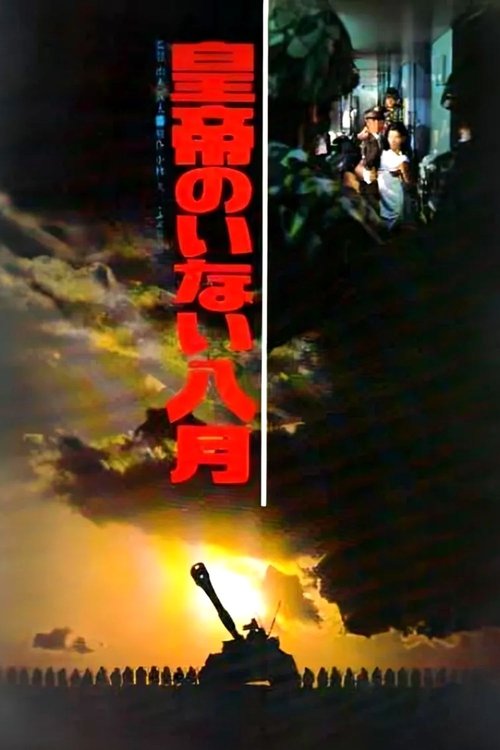
Après la détonation des bombes atomiques sur Hiroshima et Nagasaki, l'armée japonaise et le gouvernement se sont opposés à la demande des Alliés de se rendre sans condition. Le ministre de l'armée Anami conduit les officiers militaires qui se proposent de se battre, même à la mort de tous les citoyens japonais. L'empereur Hirohito, cependant, se joint à ses ministres pour demander l'impensable, la reddition pacifique du Japon. Lorsque les militaires complotent pour renverser le gouvernement civil de l'Empereur, Anami doit faire face au choix entre ses désirs et sa loyauté envers son Empereur.
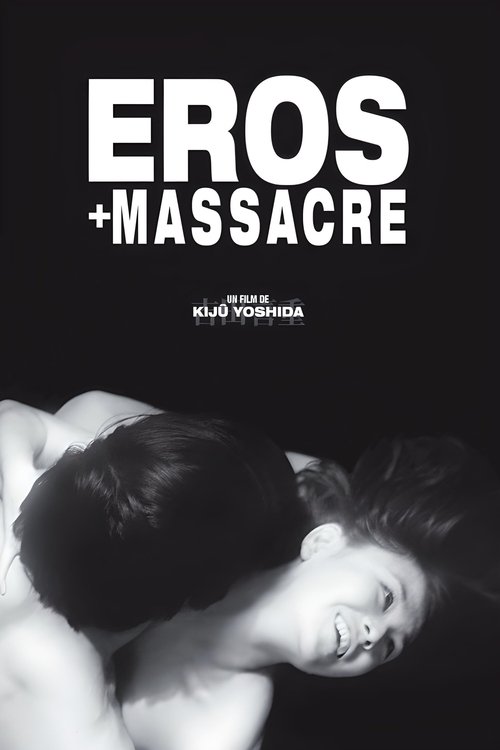
Le film relate la vie de Sakae Osugi, anarchiste et militant japonais, assassiné par la police militaire durant les troubles qui ont suivi le grand tremblement de terre du Kantô de 1923. Le film expose ses relations avec trois femmes différentes : sa femme Yasuko Hori, la militante féministe Itsuko Masaoka, et sa dernière amante Noe Itō, auteur anarchiste et féministe assassinée en même temps que lui. La narration suit deux étudiantes, Eiko Sokuta et son amie Wada, qui découvrent en 1969 les idées politiques et le concept d'« amour libre » formulé par Ōsugi.
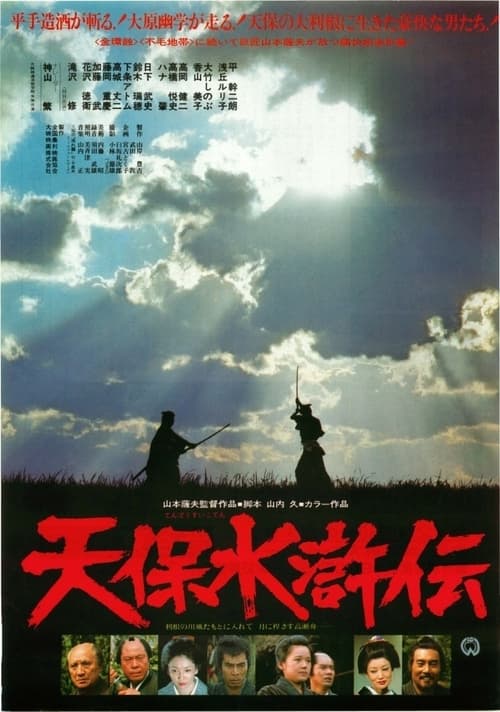
Le puissant seigneur Yagyu est prêt à tous les sacrifices pour maintenir au pouvoir le shogun que l'on veut évincer pour raisons de santé; même à faire assassiner son propre fils.
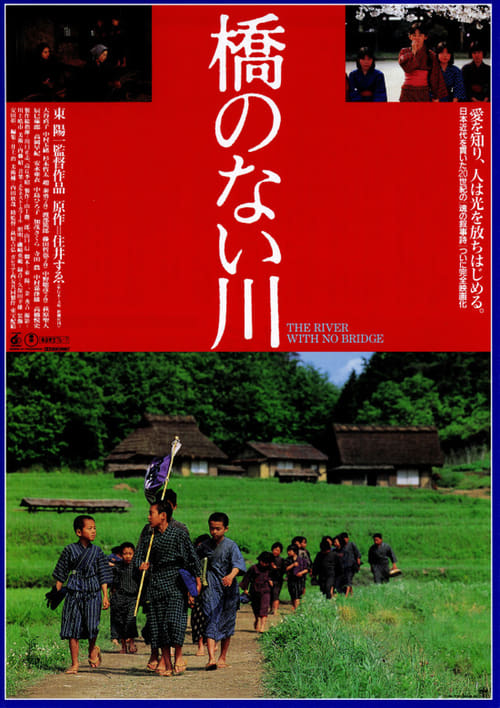
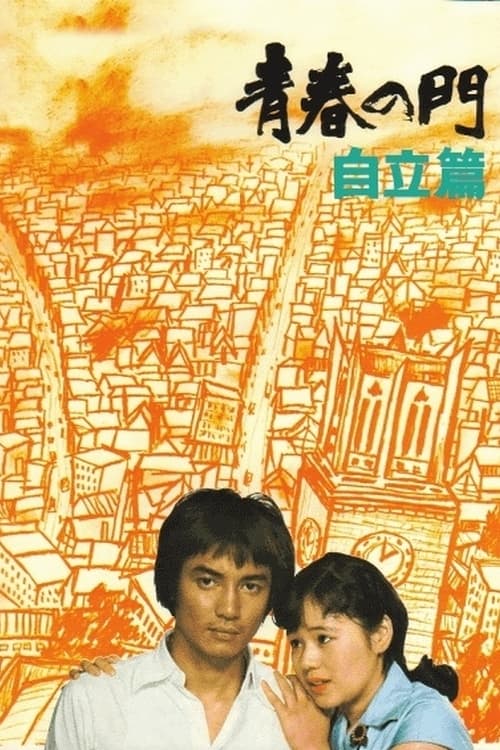
Une veuve et ses deux fils, Seitaro et Koji, vivent dans la petite ville de Komori, où les Buraku (descendants de la classe des parias de l'époque féodale) sont contraints de résider. Les deux garçons sont continuellement harcelés par leurs professeurs et camarades de classe tout au long de leur enfance en raison de leur héritage Buraku. Au milieu des grandes émeutes du riz de 1918 à Osaka, Seitaro rencontre Asako, la fille d'un propriétaire de magasin de riz, et tombe amoureux d'elle. Elle aussi est d'origine Buraku. À la même période, Hideaki, un vieil ami des frères, revient à Komori, et lui, avec Koji et les habitants de la ville, créent "Zenkoku Suiheisha", l'Association nationale des niveleurs, une organisation qui s'est engagée à construire un pont sur le fleuve de la discrimination, faisant tous les peuples égaux en tous points.
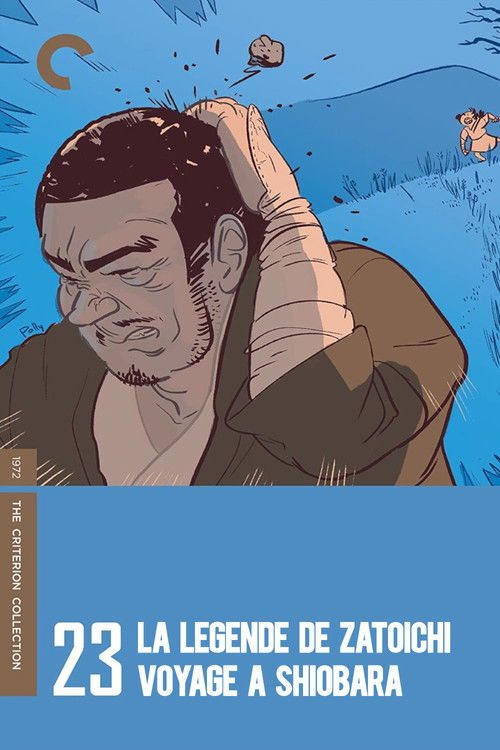
Zatoichi porte secours à une voyageuse en train d’accoucher et qu’un yakuza vient de détrousser. Il sauve le bébé, mais la mère meurt en prononçant le nom du père: “Sataro, à Shiobara”. Zatoichi prend le nourrisson sous sa protection, tandis qu’un mystérieux enfant l’épie, jusqu’à Shiobara où il ne trouve que la sœur de Sataro, Oyaé, harcelée par des yakuzas. Elle attend son frère, d’une province voisine, qui doit apporter l’argent destiné à payer sa dette. Quand Sataro se fait enfin expliquer les circonstances du drame, l’enfant (qui n’est autre que son fils aîné) réapparaît et accuse le masseur aveugle du meurtre de sa mère...
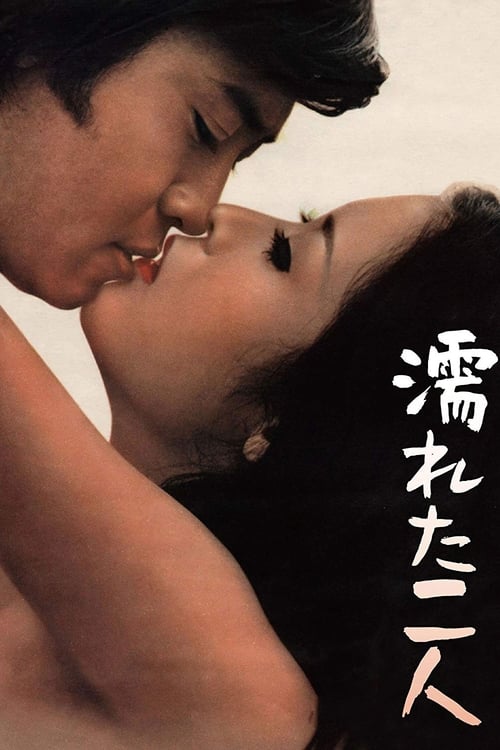
Il n'y avait pas d'amour dans son mariage. Un jour, elle rencontre un sculpteur, ancien amant de sa mère. Elle en tombe amoureuse.
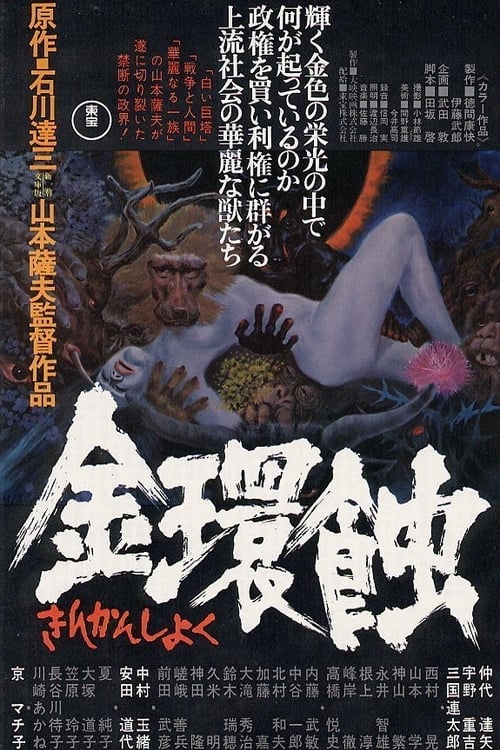
Le film dépeint la collusion entre les organisations politiques japonaises et le monde de l'entreprise.