Acting
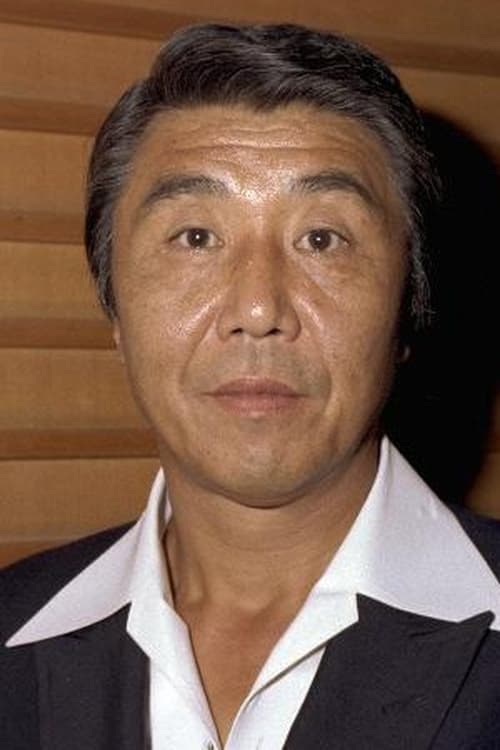
Japanese actor, voice actor, and narrator.
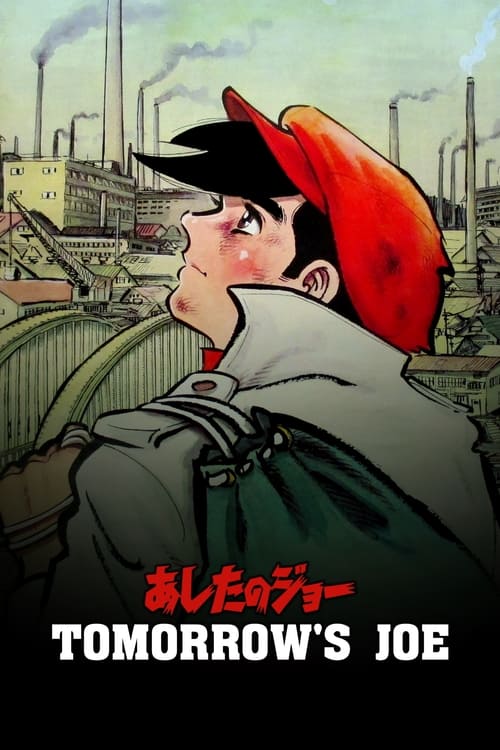
A young drifter named Joe Yabuki wanders through the slums of Tokyo, but when the local ruffians try to give him a hard time he teaches them a rough lesson with his fists. The spectacle sparks a gleam in the eye of an old drunk who happens to be watching—Danpei Tange, a failed boxer and former coach who sees something special in the boy. He pleads with Joe to train with him off, but the cocky young fighter brushes him. Later, though, when Joe is arrested and put in a juvenile detention facility, he realizes that he’s going to need to hone his raw fighting skills if he wants to survive. Thus is born a partnership that might just take Joe all the way to the top…
The adventures of Leo, a young lion cub who becomes king of the jungle when his father, the previous king of the jungle is killed by a human hunter.
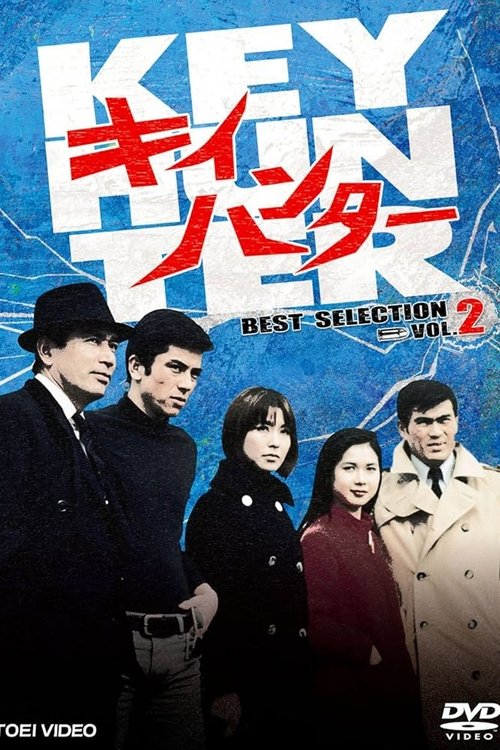
Key Hunter is a prime-time Japanese television detective series. It aired on Saturday nights in the 9:00–9:56 p.m. time slot on the Tokyo Broadcasting System network from April 6, 1968 to April 7, 1973. There were a total of 262 episodes, and it was one of the most popular action dramas in Japan at the time. The story involved "Key Hunter", a special clandestine unit of the International Police, which endeavored to solve various crimes. "Key Hunter" was a unique TV show, which started out as a grand scale spy thriller never before seen in Japan. The episodes were individually themed on global crimes and political strife. The initial hardboiled theme later evolved to include intellectual elements involving action, and occasionally with comical elements as well. Tetsuro Tamba starred in the 1967 film You Only Live Twice as Japanese Secret Service agent Tiger Tanaka, an ally of James Bond. This role greatly influenced his image in "Key Hunter".
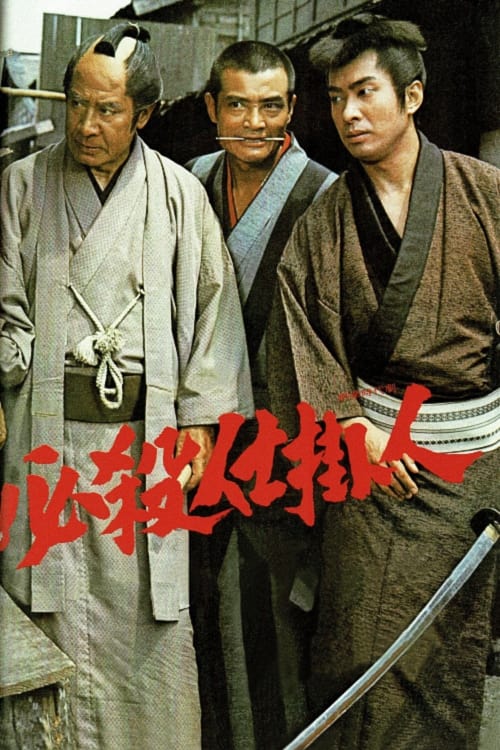
A shikakenin was an under-the-cover trade that undertook killing in Edo. Hanemon of Otowa, an agency that introduced laborers and maids, was also one of these. Katsugoro Iseya was a timber dealer who had come in as a client. His target was the constructions magistrate Hanno, and the Tatsumiya who sipped on the benefits. Hanemon who had a stong code towards killing, where he would only kill those who do no good to be in the world, accepts this request. Baian Fujieda, a needle doctor would carry out the killing. However, the professional killer Baian fails to bring down Tatsumiya. Hanemon then looks to another shikakenin, the ronin Sanai Nishimura for the role. Although Sanai's ability with the sword is good, he lives poorly in a tenement, and accepts this commission on the condition that it is kept a secret from his wife and child. Here, they close in on Hanno and Tatsumiya again...
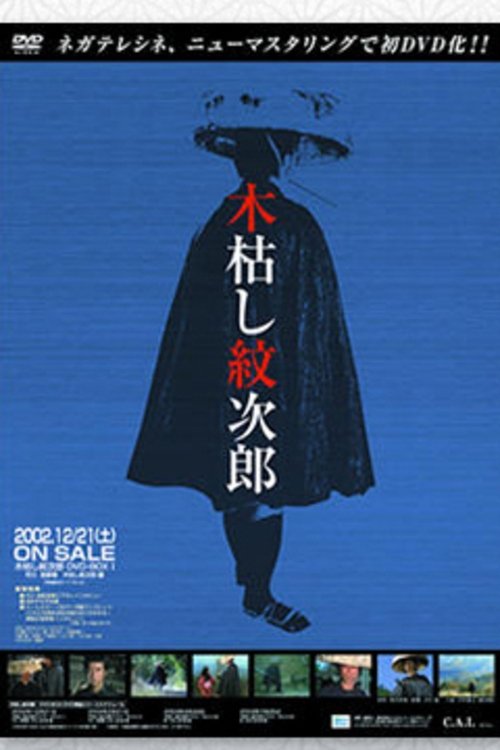
Monjiro was born into a poor farm family in Mikazuki Village, Nitta County, Ueshu, and abandoned his hometown when he was 10 years old. He has been traveling aimlessly with a long toothpick in his mouth. Monjiro avoided getting involved in anything, but wherever he went, he ended up getting involved in incidents
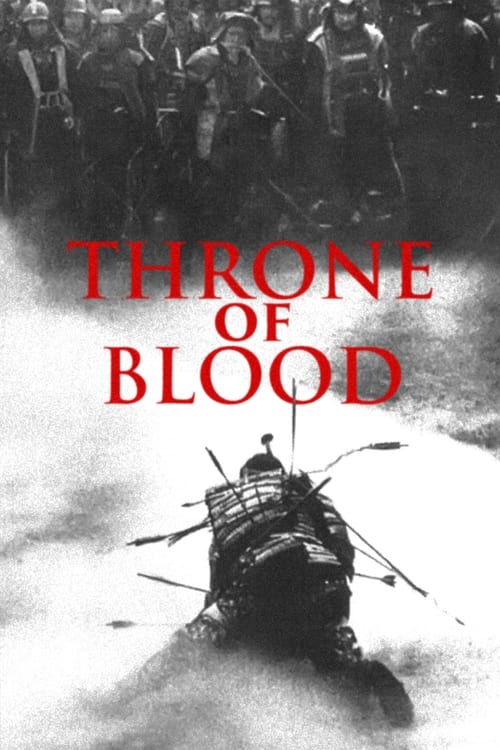
Returning to their lord's castle, samurai warriors Washizu and Miki are waylaid by a spirit who predicts their futures. When the first part of the spirit's prophecy comes true, Washizu's scheming wife, Asaji, presses him to speed up the rest of the spirit's prophecy by murdering his lord and usurping his place. Director Akira Kurosawa's resetting of William Shakespeare's "Macbeth" in feudal Japan is one of his most acclaimed films.
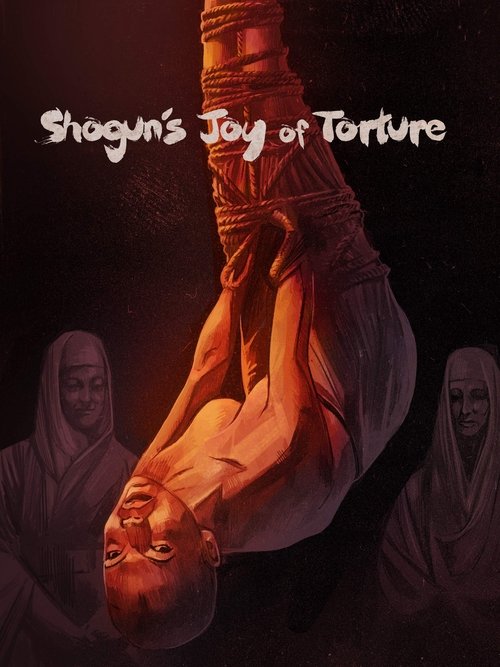
A young magistrate recalls three tales of heinous crimes committed by women, and the brutal punishments that ensued.
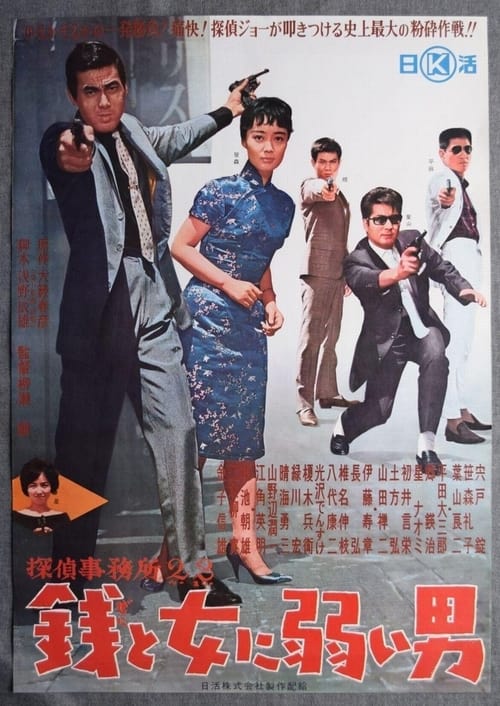
A sequel to Detective Bureau 2-3: Go To Hell Bastards!
A celebrity, dissatisfied with his personal and professional lives, impulsively leaves fast-paced Tokyo to deliver a much-needed jeep to a remote village. When his controlling manager, the woman he loves, follows, the two must reconcile while dodging reporters.
No description available.
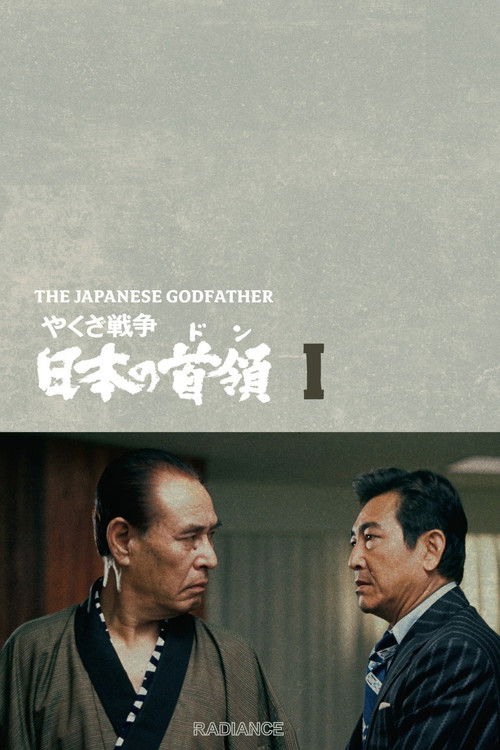
In the teeming black markets of postwar Japan, Shozo Hirono and his buddies find themselves in a new war between factious and ambitious yakuza.
In Osaka's slum, capricious folks without futures engage in pilfering, assault and robbery, prostitution, and the trading of ID cards and blood.
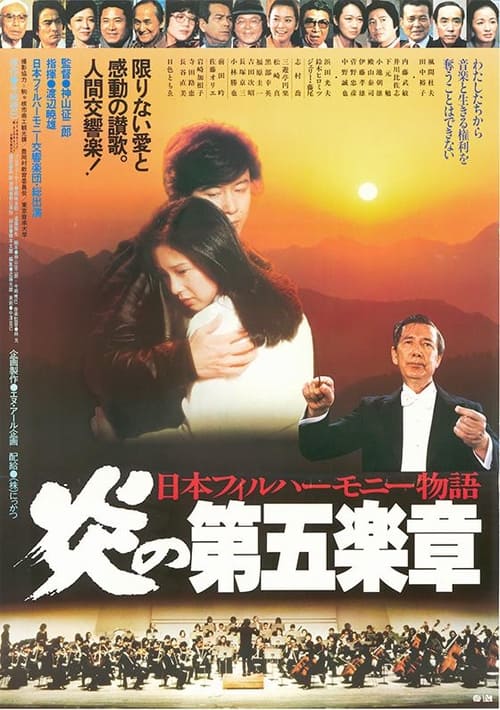
When a broadcasting company takes away its financial support from a symphony orchestra, some of the members refuse to admit defeat. The first violinist returns to his home and manages to get the orchestra back together for a grandiose performance, saved at the last minute by their original conductor -- and boding well for the future of the die-hard musicians.
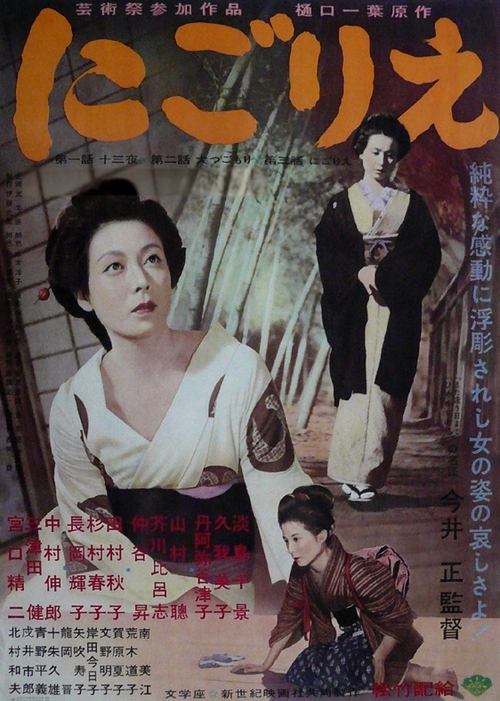
A Japanese woman writes down three stories she has witnessed or heard of in her diary, each about the difficult situation a young woman finds herself in.
On a cold winter day, Goro Fujikawa (Tetsuya Watari) and Masahiko murder the mob boss of Meishin-Kai. The deed costs them time in prison, but Goro had no shred of regret. When Goro is released 2 years later, Masahiko is dying in prison hospital and entrusts his last wish; "find my sister and take care of her." Goro leaves as a free man with a mission, but soon finds that he might have been better off in jail.
A yakuza leader must balance his violent tactics necessary for the rough streets of 1960s Tokyo with the domestic needs of his daughters.
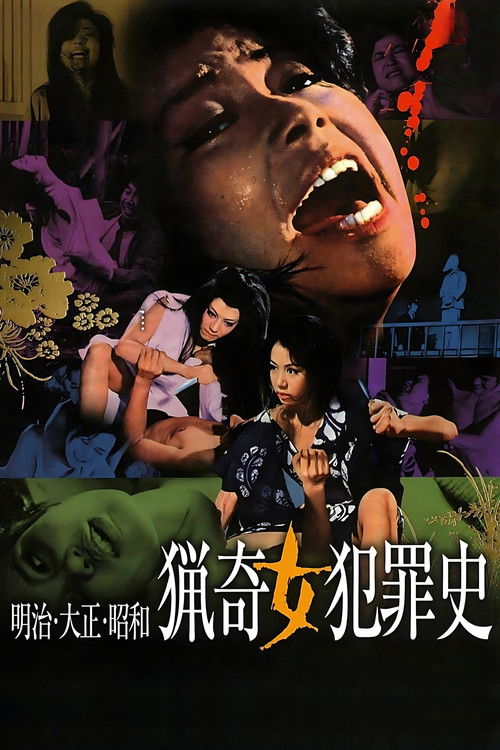
Discover 4 famous Japanese murderers: Takahashi Oden, the last woman beheaded in Japan, Sada Abe, a crazy lover, Kunihiko Kodaira, a rapist-killer and finally, the Toyokaku case, a woman who did everything to own a hotel.
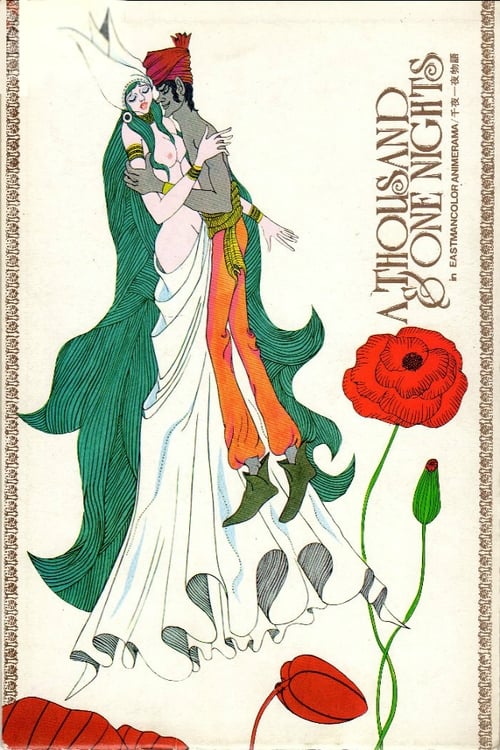
Aldin, a vagabond water vendor, embarks of a series of fantastical and tragic misadventures through the Middle East in search of love, fortune, and power.
Japanese film.