FEEL IT.STREAM
Hurd Hatfield

Hurd Hatfield

Acting

Biography

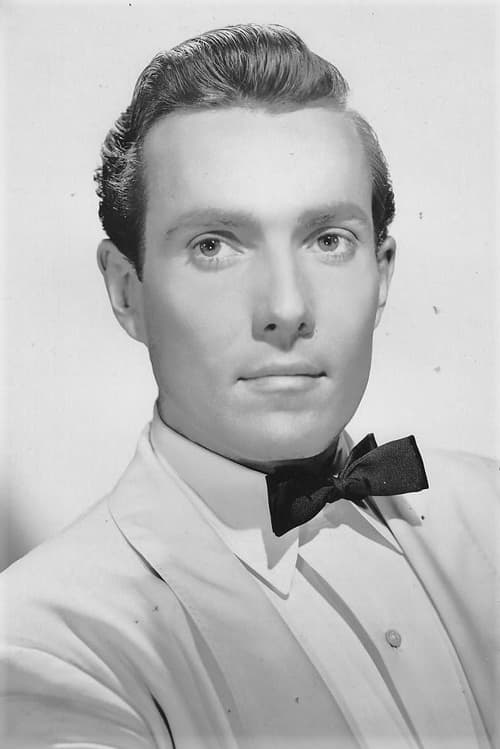
William Rukard Hurd Hatfield was an American actor, best known for often playing characters of handsome, narcissistic young men, most notably Dorian Gray in the film The Picture of Dorian Gray. Hatfield was born in New York City to William Henry Hatfield, who died in 1954, an attorney who served as deputy attorney general for New York, and his wife, Adele (née McGuire). Hurd was educated at Columbia University, then moved to London, England where he studied drama and began acting in theatre. He returned to America for his film debut in Dragon Seed, in which he and his co-stars (Katharine Hepburn, Akim Tamiroff, Aline MacMahon, Turhan Bey) portrayed Chinese peasants, some more convincingly than others. Hatfield's second film, The Picture of Dorian Gray, made him a star. As Oscar Wilde's ageless anti-hero, Hatfield received widespread acclaim for his dark good looks as much as for his acting ability. However, the actor was ambivalent about the role and his performance. "The film didn't make me popular in Hollywood," he commented later. "It was too odd, too avant-garde, too ahead of its time. The decadence, the hints of bisexuality and so on, made me a leper! Nobody knew I had a sense of humor, and people wouldn't even have lunch with me." His follow-up films, The Diary of a Chambermaid, The Beginning or the End, and The Unsuspected), were successful, but Joan of Arc was a critical and financial failure. Hatfield's film career began to lose momentum very quickly in the 1950s, and he returned to the stage. Subsequent movies included supporting roles in The Left Handed Gun, King of Kings (as Pontius Pilate), El Cid, Harlow (as Paul Bern), and The Boston Strangler. He cut back on performing in the 1970s. His later movies included King David and Her Alibi. He appeared frequently on television and received an Emmy Award nomination for the Hallmark Hall of Fame videotaped play The Invincible Mr. Disraeli). In 1957, he appeared in Beyond This Place, directed by Sidney Lumet. Other television credits include three guest appearances on Murder She Wrote, opposite his Picture of Dorian Gray costar Angela Lansbury, who had become a lifelong friend. He also appeared as the villain in the second episode of Voyage to the Bottom of the Sea. He appeared in Alfred Hitchcock Presents in "None Are So Blind". In 1952, Hatfield appeared as Joseph in Westinghouse Studio One's The Nativity. This was a rare commercial network staging of a 14th-century mystery play, adapted from the York and Chester plays. According to the magazine Films in Review, Hatfield was ambivalent about having played Dorian Gray, feeling that it had typecast him. "You know, I was never a great beauty in Gray...and I never understood why I got the part and have spent my career regretting it", he is reported to have said. He died in his sleep of a heart attack at a friend's home, aged 81, after celebrating Christmas dinner. Description above from the Wikipedia article Hurd Hatfield, licensed under CC-BY-SA, full list of contributors on Wikipedia.
Known For

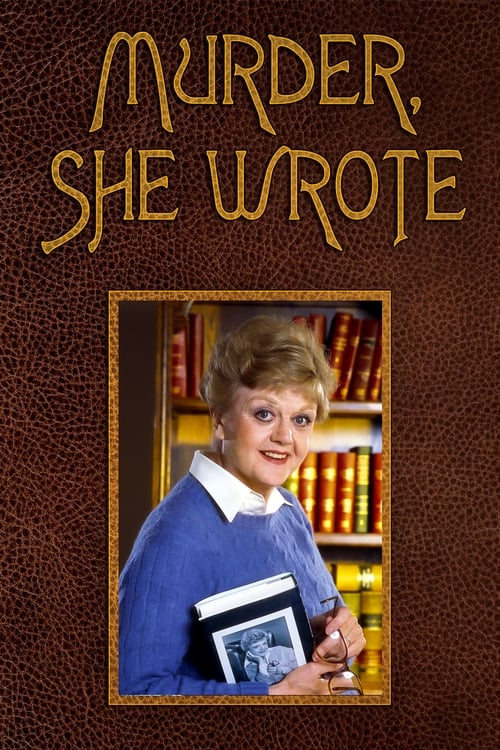
Murder, She Wrote
7.5

An unassuming mystery writer turned sleuth uses her professional insight to help solve real-life homicide cases.

Murder, She Wrote

1984
Robert Montgomery Presents
6.0

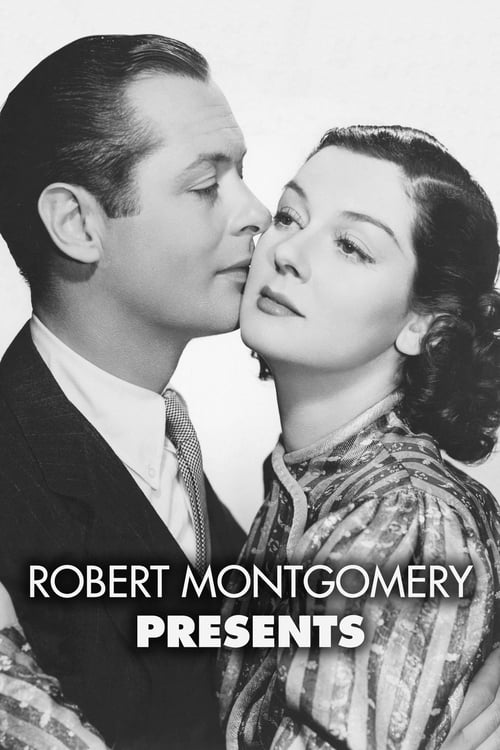
Robert Montgomery Presents is an American dramatic television series which was produced by NBC from January 30, 1950 until June 24, 1957. The live show had several sponsors during its seven-year run, and the title was altered to feature the sponsor, usually Lucky Strike cigarettes, for example, Robert Montgomery Presents Your Lucky Strike Theater, ....The Johnson's Wax Program, and so on.

Robert Montgomery Presents

1950
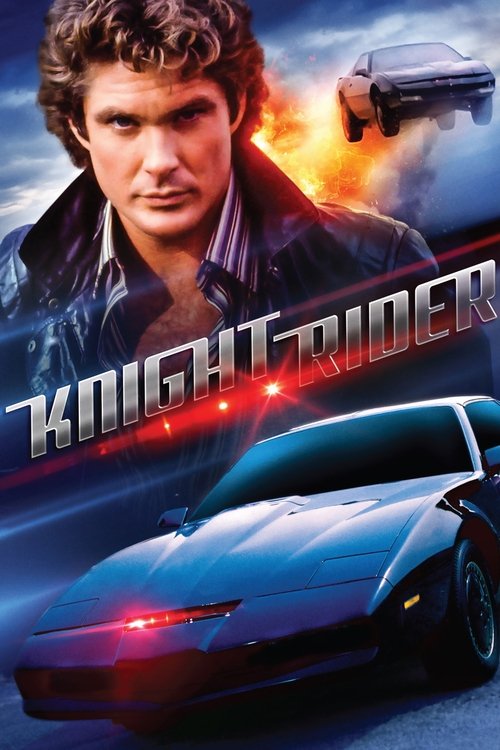
Knight Rider
7.5

Michael Long, an undercover police officer, is shot while investigating a case and left for dead by his assailants. He is rescued by Wilton Knight, a wealthy, dying millionaire and inventor who arranges life-saving surgery, including a new face and a new identity--that of Michael Knight. Michael is then given a special computerized and indestructible car called the Knight Industries Two Thousand (nicknamed KITT), and a mission: apprehend criminals who are beyond the reach of the law. The series depicts Michael's exploits as he and KITT battle the forces of evil on behalf of the Foundation for Law and Government.

Knight Rider

1982
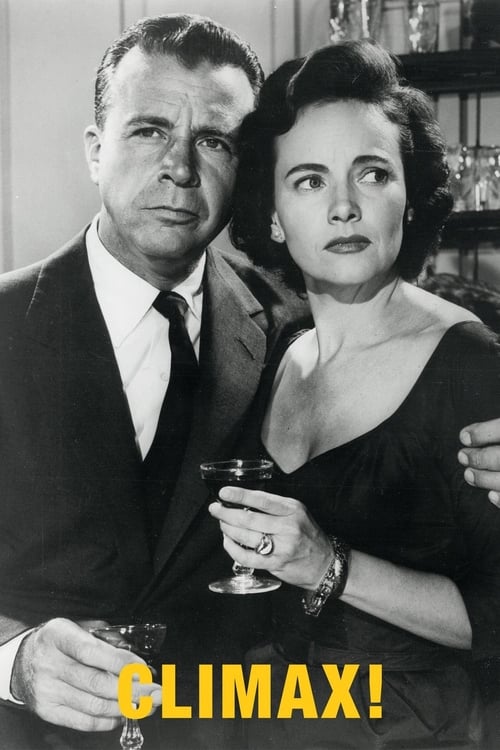
Climax!
3.8

Climax! is an American anthology series that aired on CBS from 1954 to 1958. The series was hosted by William Lundigan and later co-hosted by Mary Costa. It was one of the few CBS programs of that era to be broadcast in color. Many of the episodes were performed and broadcast live.

Climax!

1954
No image
5.9

No description available.

Bob Hope Presents the Chrysler Theatre

1963
The Wild Wild West
7.6

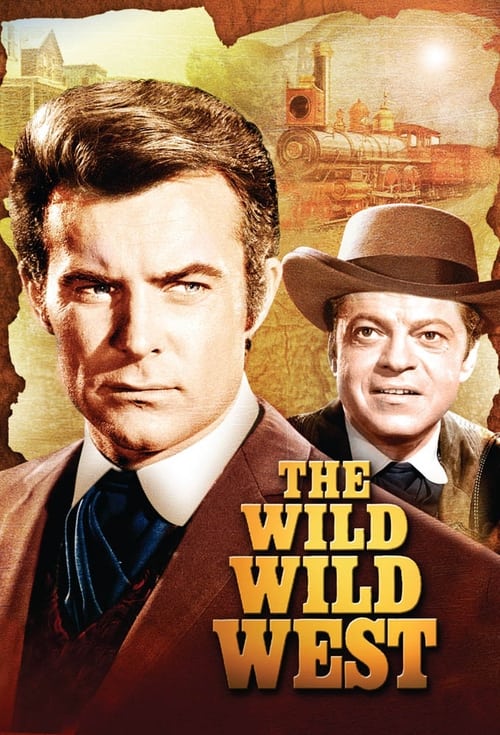
The Wild Wild West is an American television series. Developed at a time when the television western was losing ground to the spy genre, this show was conceived by its creator, Michael Garrison, as "James Bond on horseback." Set during the administration of President Ulysses Grant, the series followed Secret Service agents James West and Artemus Gordon as they solved crimes, protected the President, and foiled the plans of megalomaniacal villains to take over all or part of the United States. The show also featured a number of fantasy elements, such as the technologically advanced devices used by the agents and their adversaries. The combination of the Victorian era time-frame and the use of Verne-esque style technology have inspired some to give the show credit for the origins of the steam punk subculture.

The Wild Wild West

1965
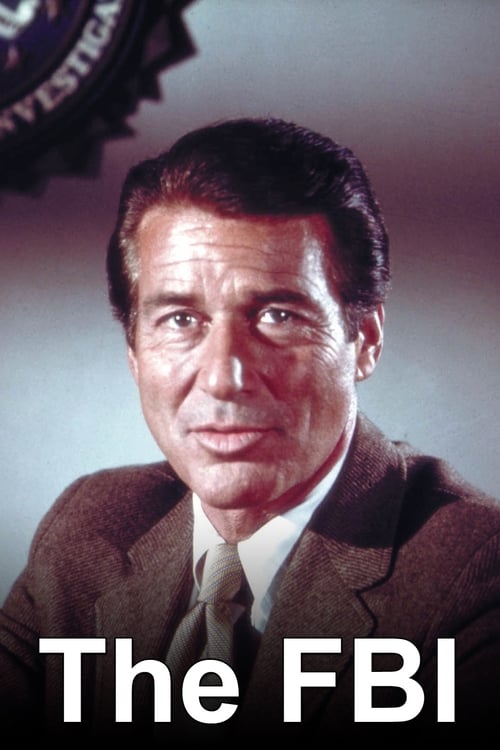
The F.B.I.
5.6

The F.B.I. is an American television series that was broadcast on ABC from 1965 to 1974. It was sponsored by the Ford Motor Company, and the characters almost always drove Ford vehicles in the series. Alcoa was co-sponsor of Season One only.

The F.B.I.

1965
Studio One
5.4

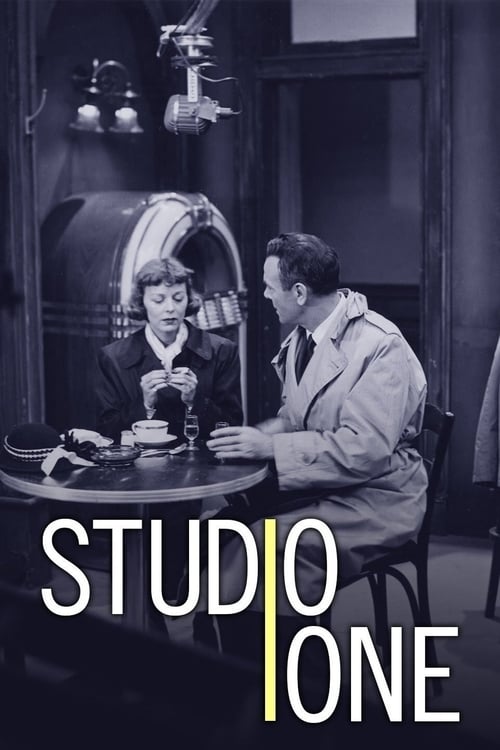
An American radio–television anthology series, created in 1947 by Canadian director Fletcher Markle, who came to CBS from the CBC. Studio One, presented by Westinghouse, was one of the first of the anthology TV programs. The episodes were often abridged remakes of movies from years gone by and many future well-known television and movie actors appeared in the productions.

Studio One

1948
The Ed Sullivan Show
6.8

The Ed Sullivan Show is an American TV variety show that originally ran on CBS from Sunday June 20, 1948 to Sunday June 6, 1971, and was hosted by New York entertainment columnist Ed Sullivan. It was replaced in September 1971 by the CBS Sunday Night Movie, which ran only one season and was eventually replaced by other shows. In 2002, The Ed Sullivan Show was ranked #15 on TV Guide's 50 Greatest TV Shows of All Time.

The Ed Sullivan Show

1948
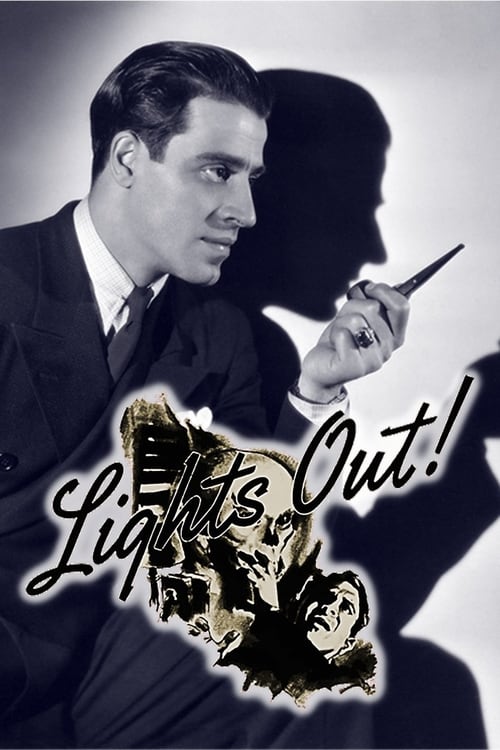
Lights Out
6.0

Lights Out was an extremely popular American old-time radio program, an early example of a network series devoted mostly to horror and the supernatural, predating Suspense and Inner Sanctum. Versions of Lights Out aired on different networks, at various times, from January 1934 to the summer of 1947 and the series eventually made the transition to television. In 1946, NBC Television brought Lights Out to TV in a series of four specials, broadcast live and produced by Fred Coe, who also contributed three of the scripts. NBC asked Cooper to write the script for the premiere, "First Person Singular", which is told entirely from the point of view of an unseen murderer who kills his obnoxious wife and winds up being executed. Variety gave this first episode a rave review ("undoubtedly one of the best dramatic shows yet seen on a television screen"), but Lights Out did not become a regular NBC-TV series until 1949.

Lights Out

1949
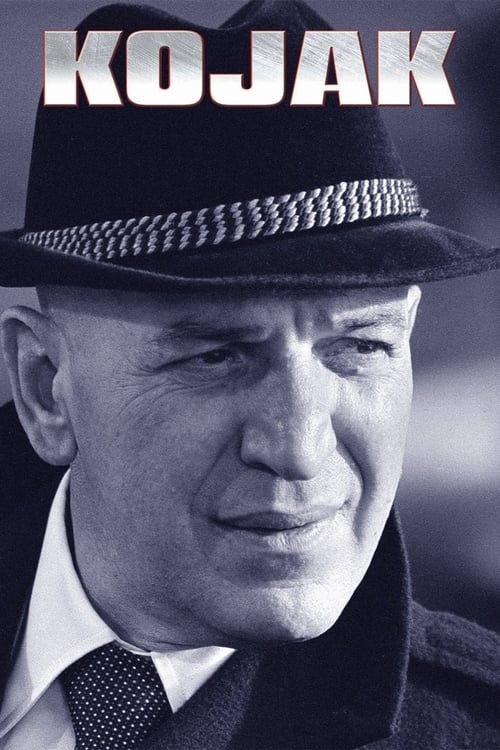
Kojak
7.2

A bald, lollipop sucking police detective with a fiery righteous attitude battles crime in New York City.

Kojak

1973
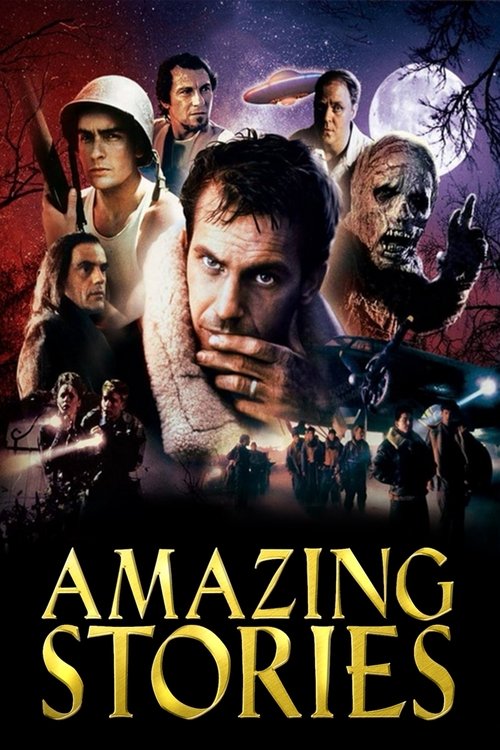
Amazing Stories
7.5

A truly amazing, fantastical, science fiction, funny and odd, and sometimes scary, sad and endearing anthology series presented by Steven Spielberg with guest appearances by many famous actors, actresses, and directors.

Amazing Stories

1985
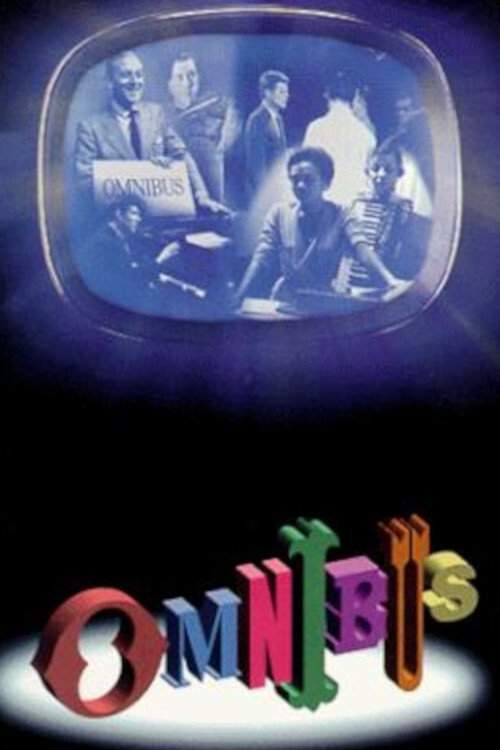
Omnibus
6.3

Omnibus is an American, commercially sponsored, educational television series.

Omnibus

1952
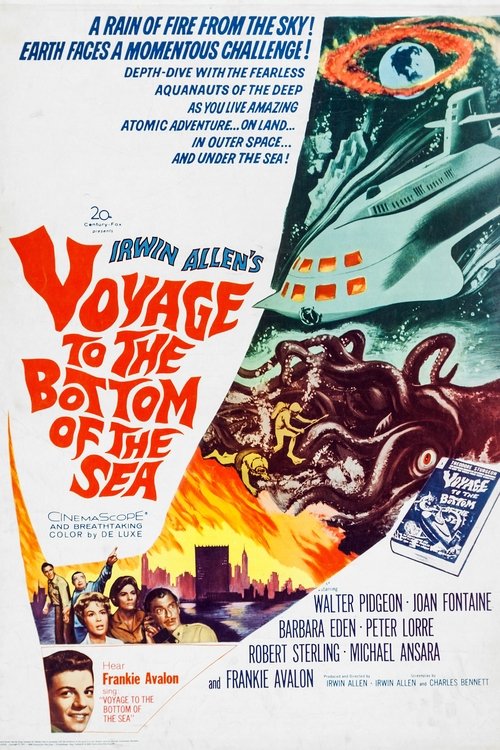
Voyage to the Bottom of the Sea
7.7

Join the crew of the Seaview aboard their super high-tech submarine, where no mission is too dangerous and no threat is too deadly, be it enemy agents, mad scientists, deadly sea creatures, or impending nuclear disaster.

Voyage to the Bottom of the Sea

1964
Alfred Hitchcock Presents
7.8

A television anthology series hosted by Alfred Hitchcock featuring dramas, thrillers, and mysteries.

Alfred Hitchcock Presents

1955
Suspense
5.1

An anthology series adapted from the radio program of the same name. Like the radio program, many scripts were adaptations of literary classics by well-known authors. Classic authors such as Edgar Allan Poe, Agatha Christie, and Charles Dickens all had stories adapted for the series, while contemporary authors such as Roald Dahl and Gore Vidal also contributed.

Suspense

1949
The Millionaire
5.8

An anthology series that explored the ways sudden and unexpected wealth changed life for better or for worse. It told the stories of people who were given one million dollars from a benefactor who insisted they never know him, with one exception.

The Millionaire

1955
No image
6.7

Lux Video Theatre is an American anthology series that was produced from 1950 until 1959. The series presented both comedy and drama in original teleplays, as well as abridged adaptations of films and plays.

Lux Video Theatre

1950
Search
7.1

Search is an American science fiction series that aired on Wednesday nights on NBC at 10 pm ET, from September 1972 to August 1973. It ran for 23 episodes, not including the two-hour pilot film originally titled Probe. When picked up for series production, the title had to be changed because Probe was the name of an existing PBS series. In the UK the series aired on BBC 1 under the title Search Control. The show was created by Leslie Stevens, and produced by Leslie Stevens, Robert Justman, John Strong and Tony Spinner. The high concept was described as "science fiction in today's world" and the episodes featured many high-tech elements which are considered common in current science fiction shows.

Search

1972
DuPont Show of the Month
7.4

DuPont Show of the Month is an acclaimed 90-minute television anthology series that aired monthly on CBS from 1957 to 1961. The DuPont Company also sponsored a weekly half-hour anthology drama series hosted by June Allyson, The DuPont Show with June Allyson. During the Golden Age of Television, DuPont Show of the Month was one of numerous anthology series telecast between 1949 and 1962. Superficially, it resembled Playhouse 90 and other anthologies, but DuPont Show of the Month focused less on contemporary dramas and more on adaptations of literary classics, including Oliver Twist, The Prince and the Pauper, Billy Budd, The Prisoner of Zenda, A Tale of Two Cities and The Count of Monte Cristo.

DuPont Show of the Month

1957