Acting
Musician Max Tooney goes to sell his prized Conn trumpet to a music shop, where he plays the instrument one last time. The shopkeeper recognises the song as one on a record matrix he found and asks who the piece is by. Tooney tells the story of an infant found abandoned in the first class dining room of the four-stacker ocean-liner SS Virginian on 1 January 1900. Danny Boodman, a coal-man from the boiler room, names the boy Danny Boodman T. D. Lemon 1900, after himself, the fruit crate the boy was found in, and the year, and raises him as his own.
No description available.
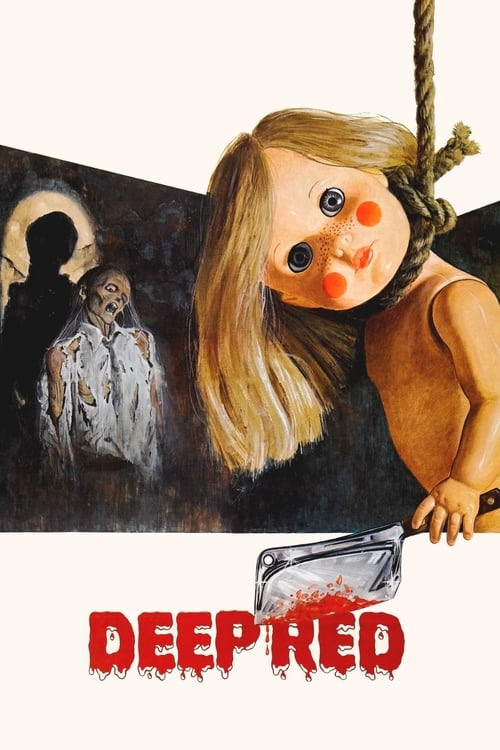
An English pianist living in Rome witnesses the brutal murder of his psychic neighbor. With the help of a tenacious young reporter, he tries to discover the killer using very unconventional methods. The two are soon drawn into a shocking web of dementia and violence.
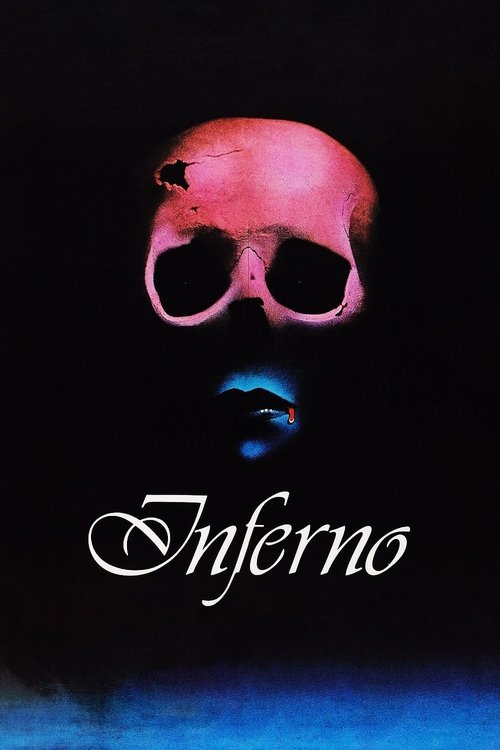
A young man returns from Rome to his sister's satanic New York apartment house.
In 1920s Bagheria, Giuseppe 'Peppino' Torrenuova works as a shepherd to financially help his poor family. Over the next fifty years, Giuseppe's life, as well as the life of the village, is observed. Giuseppe grows up, joins the Communist Party, marries a local girl, has children, and forges a political career for himself.
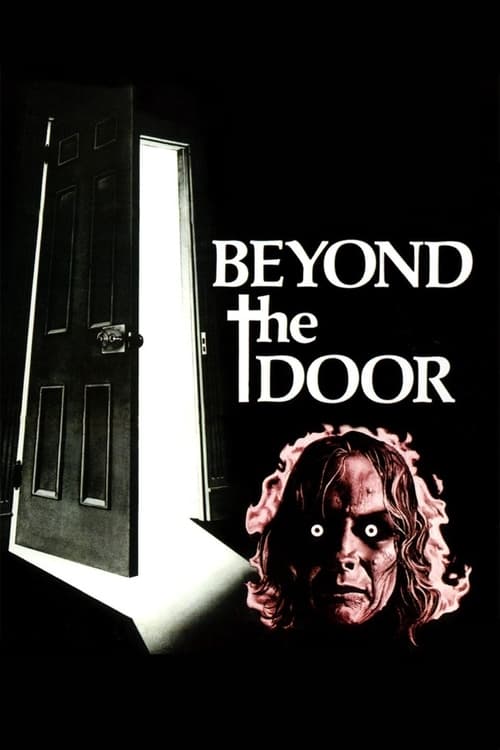
Jessica Barrett, wife and mother of two young children, begins to show signs of demonic possession while pregnant with her third child. As she seeks help from her husband and doctor, a mysterious man approaches her and seems to have some answers.
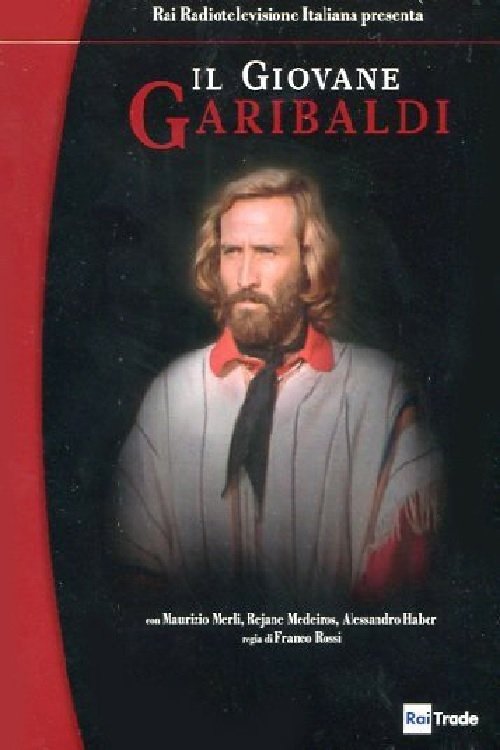
Miniseries about the early life of Garibaldi.
An elderly and retired police detective and a young amateur sleuth team up to find a serial killer whom has resumed a killing spree in Turin, Italy after a 17-year hiatus.
A young journalist buys a used typewriter and notices some text still legible on the ribbon; he reconstructs the story of a scientist who discovered that some types of terrain have the power to revive the dead.
In Mussolini's Rome a murderer is targeting young girls. The movie explores how the fascist mind works, how it plays its values off the sentiment of the masses and explores the role of the press in creating a unified narrative.
A middle-class Italian family is tore apart when the father meets an old flame, the mother—a frustrated onetime actress—auditions for a play, their insecure son tries to make friends through drugs, and their underaged daughter—who has already figured out how to use sex to her advantage—does what she does best to appear on TV.
A woman catches her husband in bed with a much younger lady. Shocked and distraught, the woman leaves her husband. She decides to embark on a road trip of erotic self discovery. The woman meets a cartoonist during her sensual pilgrimage and gets involved in a torrid sexual affair with him.
She was tall, dark and thin, with a proud and voluptuous bust. They called her "The she-wolf" because she seemed never to be satisfied. All the men were obsessed with her but one day the she-wolf fell madly in love with young Nanni.
In Gabriele Lavia's triumphant 2010 Bologna production, the linking of Salome's naive insouciance, sexual obsession and cruelty as portrayed by Erika Sunnegårdh is also subtly reflected in the scenic representation. Under the musical direction of internationally acclaimed conductor Nicola Luisotti, the stellar cast of experienced singers including Mark S. Doss as Jochanaan, Robert Brubaker as Herodes and Dalia Schaechter as Herodias give an energetic performance of Strauss' early masterpiece.
In Milan and Como during the month of May 1176. Milanese soldiers defend the city under the command of Rolando. He is reunited with Arrigo, his friend from Verona, who had been presumed dead in battle. Arrigo also meets Lida, his former fiancée, who, at her father’s behest, has married Rolando. Meanwhile, Rolando, who is preparing to leave for battle, is approached by Marcovaldo, a German prisoner of war, who hands him a letter from Lida for Arrigo. Rolando’s anger turns to a desire for revenge. Catching Lida and Arrigo in the middle of a conversation, he has his “rival” imprisoned in a tower. “La battaglia di Legnano” (The Battle of Legnano) is a four-act opera by Giuseppe Verdi with a libretto by Salvatore Cammarano, premiered at the Teatro Argentina in Rome on January 27, 1849. From the “Tutto Verdi” box set of 27 Verdi operas. Recorded live at the Teatro Lirico “Giuseppe Verdi” in Trieste on February 23 and 29 and March 2, 2012.
Fascism has forced the leadership of the Italian Communist Party to settle in Paris. In Italy arrests of militants are decimating the organization, so Emilio is sent on a mission in the area of Turin, to put out of harm whistleblowers.
A young writer is invited to stay in a religious hostel run by a sinister, manipulative nun who plays deadly psychological games with the inhabitants.