Acting
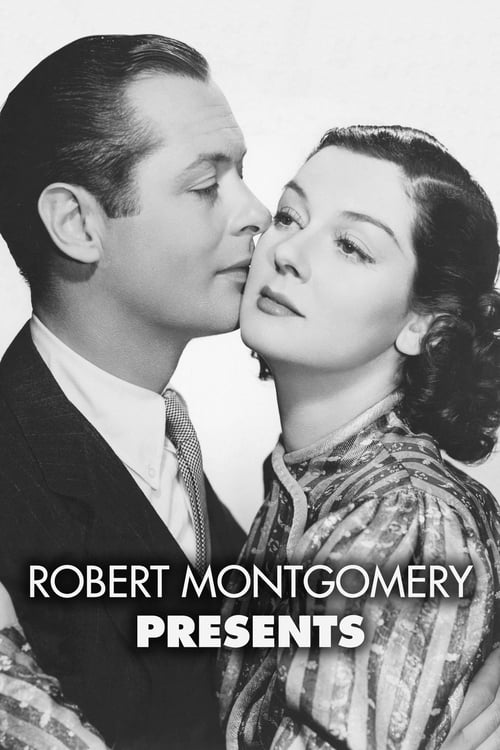
Robert Montgomery Presents is an American dramatic television series which was produced by NBC from January 30, 1950 until June 24, 1957. The live show had several sponsors during its seven-year run, and the title was altered to feature the sponsor, usually Lucky Strike cigarettes, for example, Robert Montgomery Presents Your Lucky Strike Theater, ....The Johnson's Wax Program, and so on.
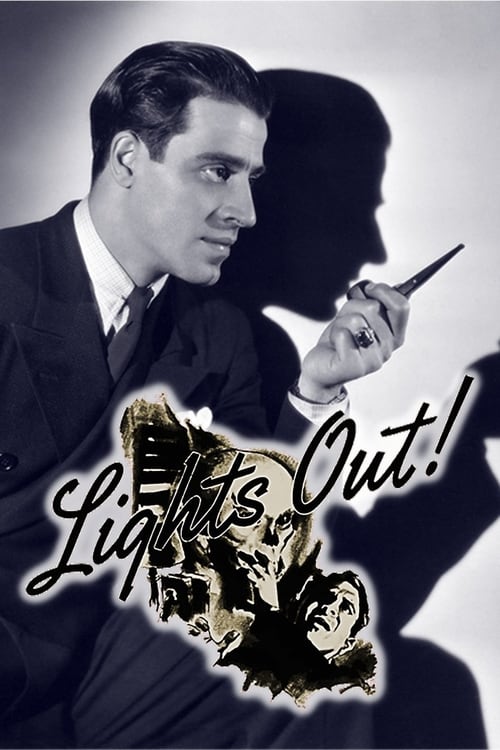
Lights Out was an extremely popular American old-time radio program, an early example of a network series devoted mostly to horror and the supernatural, predating Suspense and Inner Sanctum. Versions of Lights Out aired on different networks, at various times, from January 1934 to the summer of 1947 and the series eventually made the transition to television. In 1946, NBC Television brought Lights Out to TV in a series of four specials, broadcast live and produced by Fred Coe, who also contributed three of the scripts. NBC asked Cooper to write the script for the premiere, "First Person Singular", which is told entirely from the point of view of an unseen murderer who kills his obnoxious wife and winds up being executed. Variety gave this first episode a rave review ("undoubtedly one of the best dramatic shows yet seen on a television screen"), but Lights Out did not become a regular NBC-TV series until 1949.
A television anthology series hosted by Alfred Hitchcock featuring dramas, thrillers, and mysteries.
ABC Stage 67 is the umbrella title for a series of 26 weekly shows that included dramas, variety shows, documentaries, and original musicals. It premiered on American Broadcasting Company on September 14, 1966 with Murray Schisgal's The Love Song of Barney Kempinksi, directed by Stanley Prager and starring Alan Arkin as a man enjoying the sights and sounds of New York City in his last remaining hours of bachelorhood. Arkin was nominated for an Emmy Award for Outstanding Single Performance By An Actor in a Leading Role in a Drama and the program was nominated as Outstanding Dramatic Program. Future programs included appearances by Petula Clark, Bobby Darin, Sir Laurence Olivier, Albert Finney, Peter Sellers, David Frost, and Jack Paar. ABC's effort to bring culture to the masses was a noble but unsuccessful experiment. Scheduled first against I Spy on Wednesdays and then The Dean Martin Show on Thursdays, the show consistently received low ratings. Its last production, an adaptation of Jean Cocteau's one-woman play The Human Voice starring Ingrid Bergman, aired on May 4, 1967. "Stage 67" was not actually a part of the primary ABC facilities in Los Angeles. It was produced at the old Monogram Studios backlot that was later sold to KCET.
Long-running anthology program sponsored by Hallmark Cards. Beginning in 1951 and continuing into 2019, the series received 80 Emmy Awards, 24 Christopher Awards, 11 Peabody Awards, 9 Golden Globes, and 4 Humanitas Prizes. Early seasons were a weekly live drama, eventually transitioning to videotaped and then filmed productions broadcast as occasional specials.
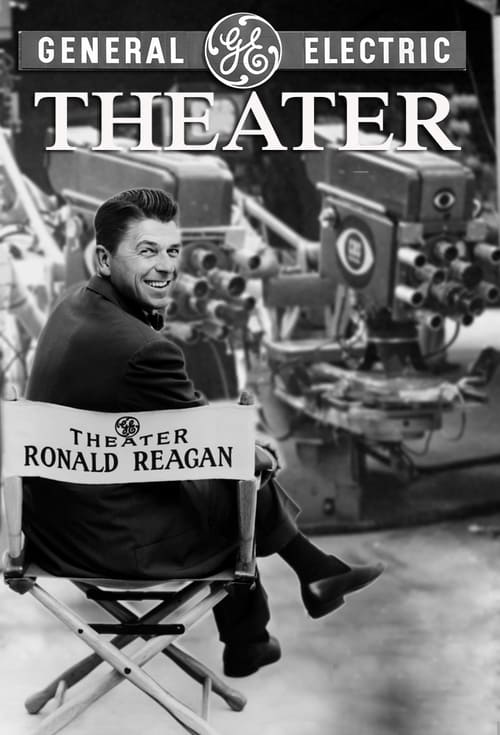
General Electric Theater is an American anthology series hosted by Ronald Reagan that was broadcast on CBS radio and television. The series was sponsored by General Electric's Department of Public Relations.
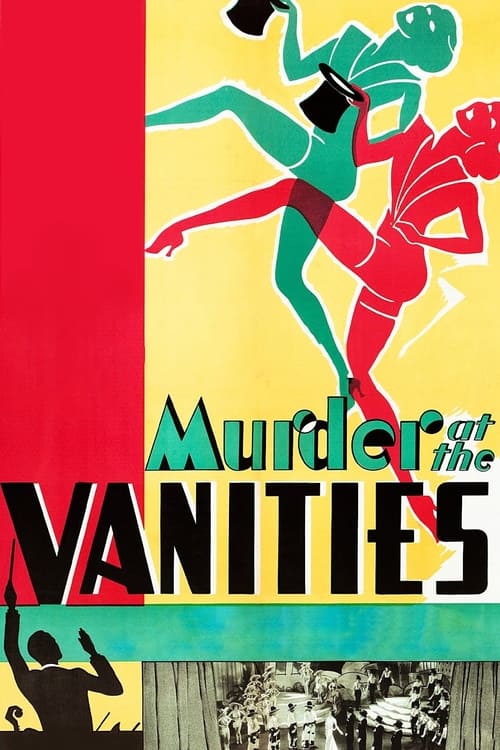
Shortly before the curtain goes up the first time at the latest performance of Earl Carroll's Vanities, someone is attempting to injure the leading lady Ann Ware, who wants to marry leading man Eric Lander. Stage manager Jack Ellery calls in his friend, policeman Bill Murdock, to help him investigate. Bill thinks Jack is offering to let him see the show from an unusual viewpoint after he forgot to get him tickets for the performance, but then they find the corpse of a murdered woman and Bill immediately suspects Eric of the crime.
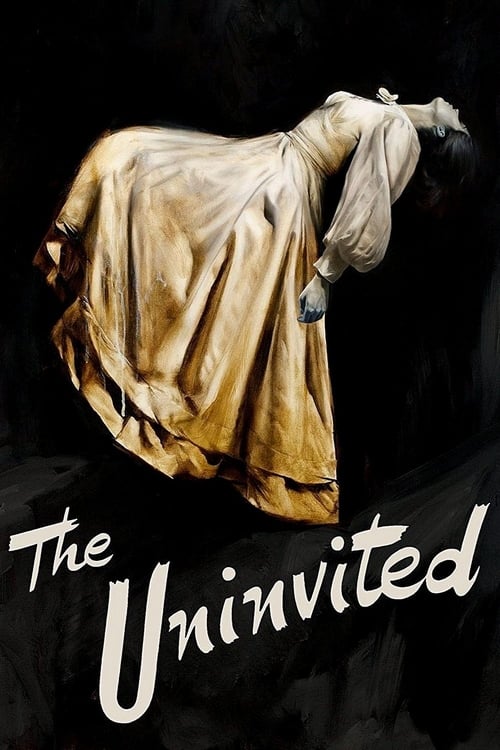
A pair of siblings from London purchase a surprisingly affordable, lonely cliff-top house in Cornwall, only to discover that it actually carries a ghostly price—and soon they’re caught up in a bizarre romantic triangle from beyond the grave.
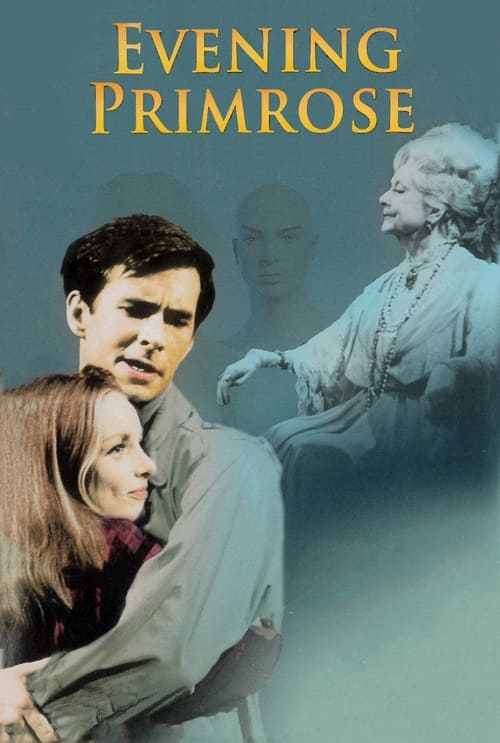
A man becomes part of a secret society of people who live in a department store and quickly falls in love with their leader’s young maid.
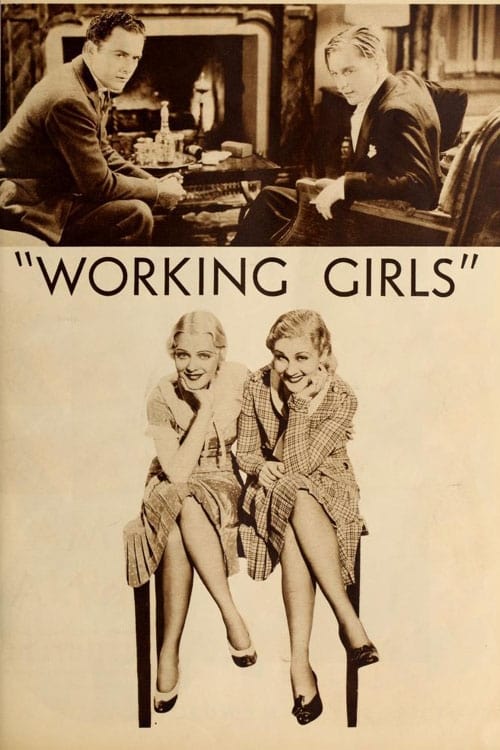
Two sisters from Indiana, the wide-eyed and innocent Mae Thorpe, and her more streetwise sister June, move into the Rolf House for Homeless Girls in New York. With June's help, Mae obtains a job as a stenographer for the scientist Joseph von Schraeder, while June gets work as a telegraph operator at Western Union.
Julie Andrews was nominated for an Emmy for portraying the titular scullery maid who finds true love with a prince in this legendary adaptation of one of the most famous fairy tales of all time. A musical, made-for-television, with music by Richard Rodgers and book and lyrics by Oscar Hammerstein II, it is the only of the legendary composing team's musicals created specifically for that medium. It was originally broadcast live on CBS on March 31, 1957, and was a phenomenal success, viewed by more than 107 million people. Though it originally aired in full color, only a black & white kinescope of the production has survived.
An Irish cabby in the Bronx watches his wife go overboard planning their daughter's wedding.
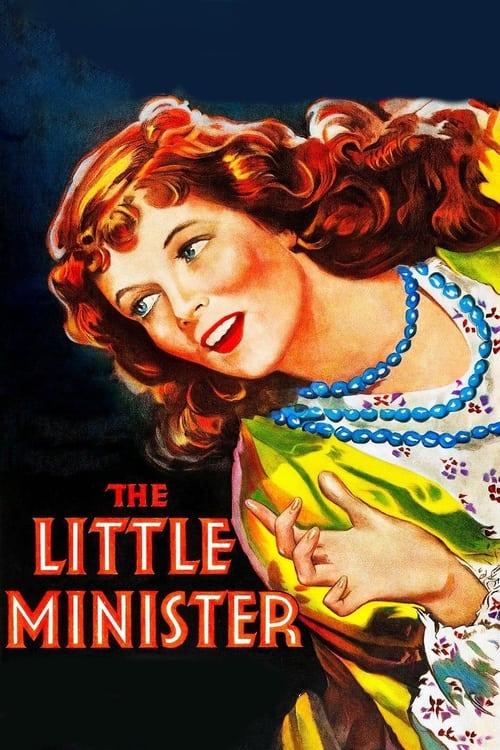
The stoic, proper Rev. Gavin Dishart, newly assigned to a church in the small Scottish village of Thrums, finds himself unexpectedly falling for one of his parishioners, the hot-blooded Gypsy girl Babbie. A village-wide scandal soon erupts over the minister's relationship with this feisty, passionate young woman, who holds a secret about the village's nobleman, Lord Milford Rintoul, and his role in an increasingly fractious labor dispute.
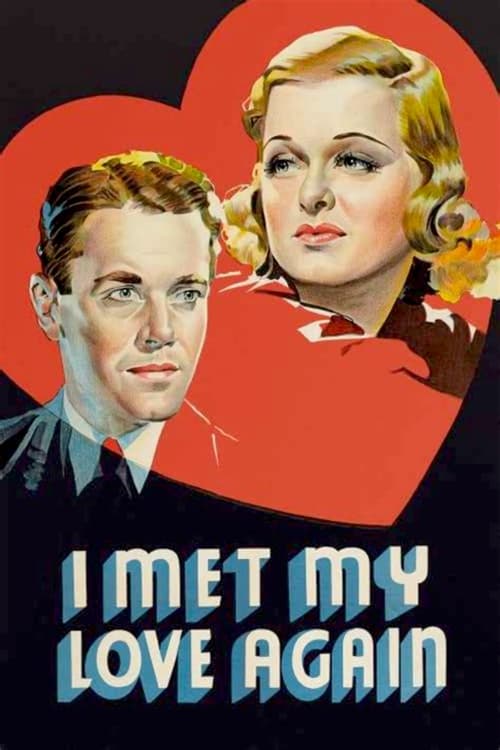
In Vermont, college student Ives Towner refuses to marry his longtime girlfriend, Julie Weir, until he has a career. Soon after, Julie meets and grows infatuated with handsome writer Michael Shaw, and they marry and move to Paris. Years later, Julie moves back home to live with her aunt and finds Ives again.
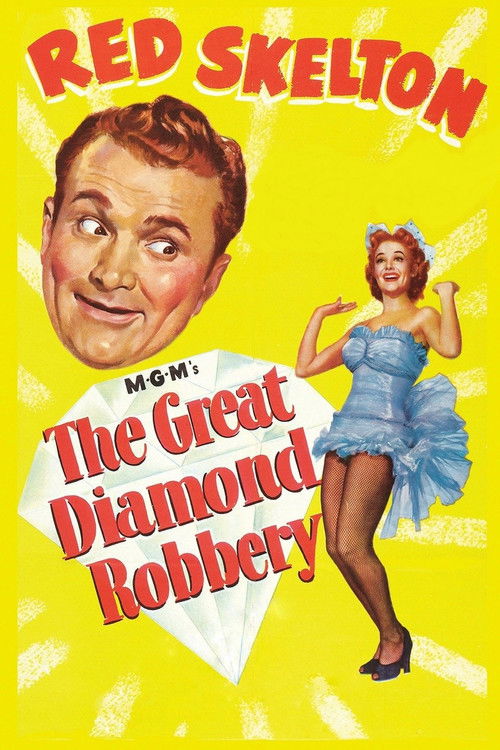
Ambrose C. Park, left on a park bench as an infant with an impulsive need to find his parents, is an assistant to a diamond cutter. Shyster lawyer Remlick, in a strategy to get a fabulous uncut diamond through Ambrose, arranges for Emily Drummon, Duke Fargoh and Maggie Drummon to pose as Ambrose's long-lost parents and sister. The diamond, through many comic situations, is acquired and the gang is going to have Ambrose cut the diamond, and relieve him of the two stones and his parental illusions at the same time. But Maggie, who has no taste for the deception, tips Ambrose off and a wild chase ensues. At the end, Ambrose is very happy as he can now marry his "sister."
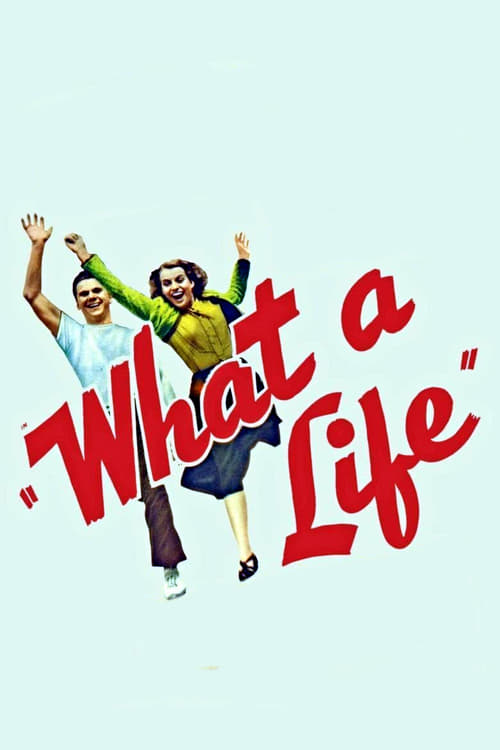
Jackie Cooper stars in this first film in the wholesome "Henry Aldrich" series of teen comedies.
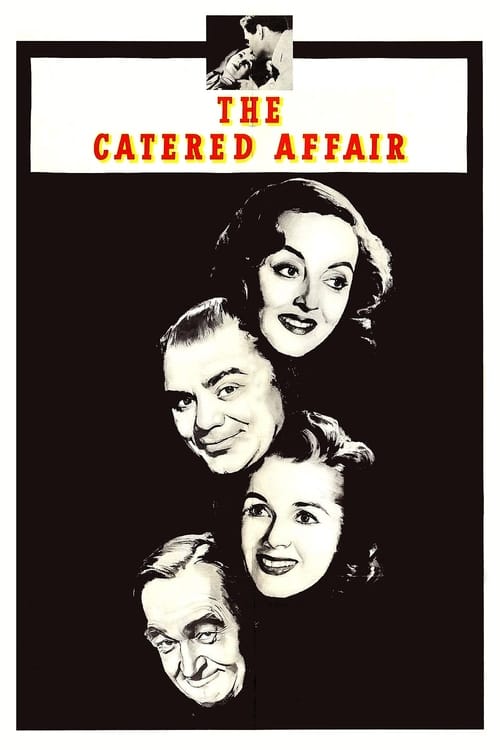
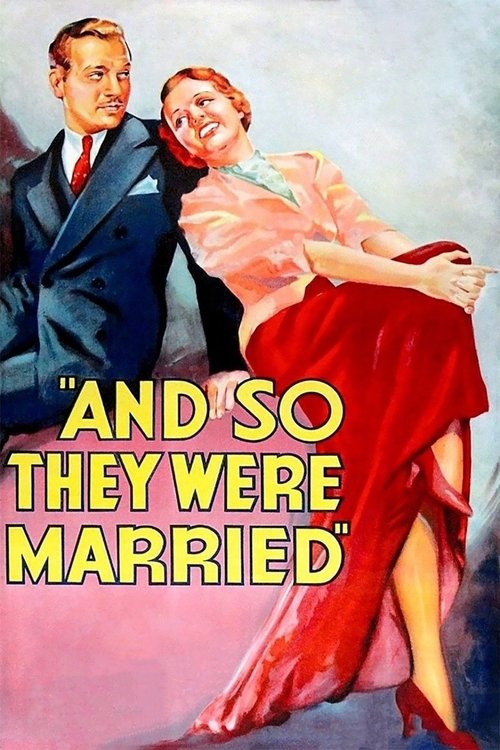
A bitter widow and a grumpy widower find themselves stuck in a hotel that is cut off from the outside by a snowstorm. Although both have no intention of getting married again, they begin to fall for each other. Their children, however, are determined to see that the "romance" never gets off the ground and do everything they can to see that they are kept apart.
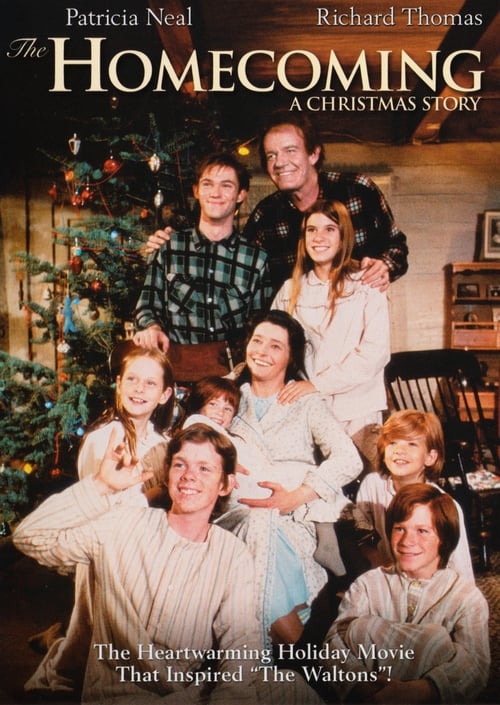
It's Christmas Eve, early 1930s on Walton's Mountain. As the family prepares for the holiday, they anxiously await Pa's return home from his job in the city some 50 miles away. He is late, and Ma and the grandparents hear on the radio a report of a bus accident that worries them. Oldest son John-Boy must step up to help grandfather cut down a Christmas tree, and upon learning the concern about Daddy sets out to find him.
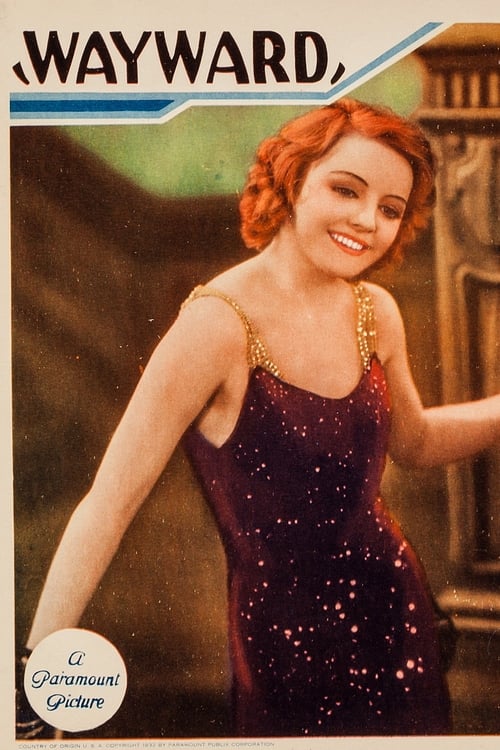
Story of a mother's antagonism to her son's wife. Based on the novel "Wild Beauty" by Mateel Howe Farnham.
A man living in the towering shadow of his aging father finds it difficult to start a new chapter in his life by marrying his girlfriend and moving to California.