Michael Glawogger
Directing
Biography
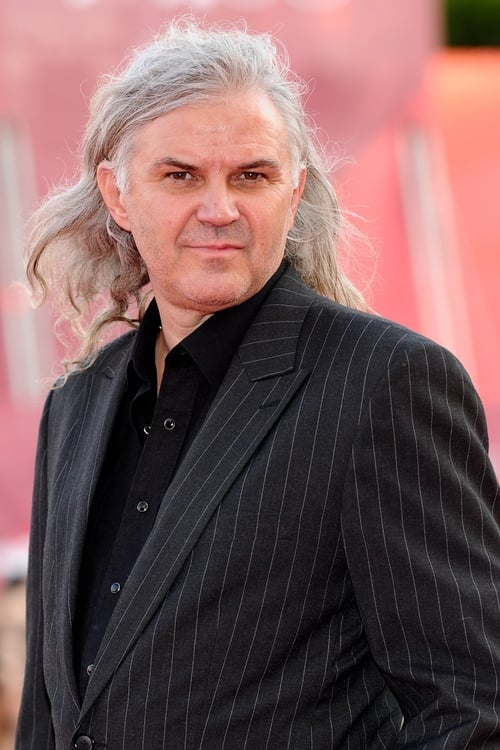
Michael Glawogger (3 December 1959 – 23 April 2014) was an Austrian film director, screenwriter and cinematographer. From 1981 to 1982, Glawogger studied at the San Francisco Art Institute, and from 1983 to 1989 at the Vienna Film Academy. Like fellow Austrian director Ulrich Seidl, with whom he collaborated several times, he was mainly known for his documentary films, such as Megacities (1998), Workingman's Death (2005) and Whores' Glory (2011). In 2008 he was a member of the jury at the 30th Moscow International Film Festival. In 2013, Glawogger contributed one chapter to "Cathedrals of Culture", a 3-D film on architecture produced by Wim Wenders. Four days after incorrectly being diagnosed with typhus, he died from malaria on 22 April 2014 shortly before midnight in Monrovia, Liberia during a movie production. In February 2015, a book of stories entitled 69 Hotelzimmer was released. The stories used hotel rooms Glawogger had visited (or in some cases only heard about in passing) as a departure for stories that reflect the visual richness for which his films are celebrated.
Known For
No description available.
German Film Award

An anthology of one-minute films created by 51 international filmmakers on the theme of the death of cinema. Intended as an ode to 35mm, the film was screened one time only on a purpose-built 20x12 meter public cinema screen in the Port of Tallinn, Estonia, on 22 December 2011. A special projector was constructed for the event which allowed the actual filmstrip to be burnt at the same time as the film was shown.
60 Seconds of Solitude in Year Zero

Gangster boss Carlos orders the dodgy Viennese junkyard owner Harry to bring him a bag from Poland. Harry passes the order on to his "best man" Schorsch. Schorsch, not exactly the brightest, is currently without a driver's license and completely fixated on the 24-hour car race of Le Mans. So he gives the order to Mao and sends in their place the takeaway lessees Hans and Max to Poland. Their journey leads to a seemingly endless drug trip full of extraordinary phenomena.
Contact High

MISSION X tracks down the mysteries that triggered spectacular turning points in our history. Alert minds with the courage to go new and different ways, with ideas and a sense of adventure, created the remarkable turns of events that were responsible for making us what we are today.
Mission X

In Bangkok, Thailand, women punch a clock and wait for clients in a brightly lit glass box; in the red-light district of Faridpur, Bangladesh, a madam haggles over the price of a teenage girl; and in the border town of Reynosa, Mexico, crack-addicted women pray to a deity named Lady Death.
Whores' Glory

Based on the true story of Benjamin Prufer and Sreykeo Solvan. The unexpected and uncertain love story of Sreykeo, a 21 year old bar girl in Phnom Penh and Ben, a young German student traveling to Cambodia on a post graduation summer trip. When Ben returns home to Germany he discovers that Sreyko is sick and he takes on the responsibility to save her. On the way he discovers a world where not everyone is dealt the same cards and where motivations are not always pure.
Same Same But Different

"If buildings could talk, what would they say about us?" CATHEDRALS OF CULTURE offers six startling responses. This 3D film project about the soul of buildings allows six iconic and very different buildings to speak for themselves, examining human life from the unblinking perspective of a manmade structure. Six acclaimed filmmakers bring their own visual style and artistic approach to the project. Buildings, they show us, are material manifestations of human thought and action: the Berlin Philharmonic, an icon of modernity; the National Library of Russia, a kingdom of thoughts; Halden Prison, the world's most humane prison; the Salk Institute, an institute for breakthrough science; the Oslo Opera House, a futuristic symbiosis of art and life; and the Centre Pompidou, a modern culture machine. CATHEDRALS OF CULTURE explores how each of these landmarks reflects our culture and guards our collective memory.
Cathedrals of Culture

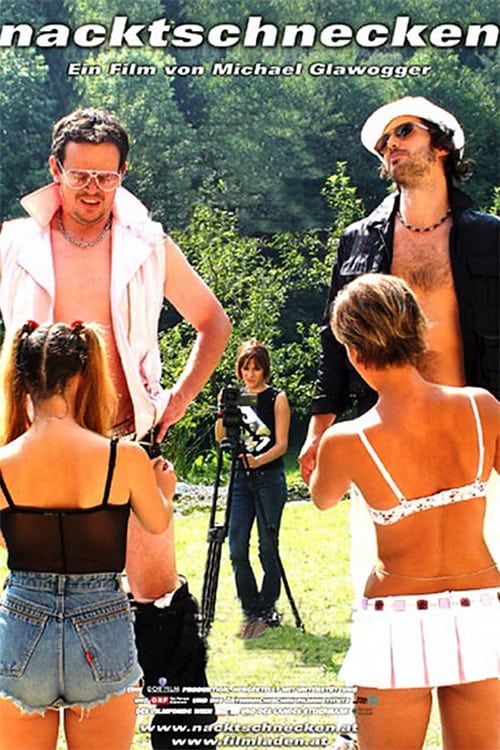
Three loser-type ex-students who earn too little money and don´t get laid as much as they want, try to change that by producing a home made porn movie starring themselves. They loan money from a pimp and begin casting the girls. When filming starts they find out that sex in front of the camera is hard work. Also you should know how to work a video camera. Frustration, relationship problems and cabin fever culminate in a dope induced garden orgy. But is it a film?
Slugs

Ever had an idea for a film? Ever actually visualised this film in your mind? Or even sketched out scenes and camera angles? Plenty of film buffs have. Michael Glawogger invited 12 people to talk about their ideas for a film and then shot short fragments for them. The result is a crime-story-erotic-lyrical-experimental-vampire-fantasy-horror-soap-opera-splatter-trash-road-movie-melodrama posing as a documentary!
Kino im Kopf

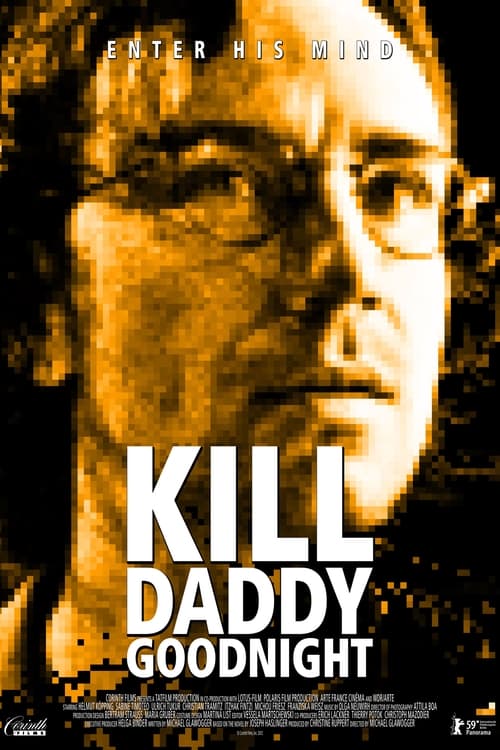
The story and fate of three families: A Jewish family destroyed by the massacres of the Nazis in Lithuania; the family of the culprit, who flew to America and keeps grotesque family cohesion; the family of Ratz, a social democratic family, dissolving itself miserably in today's Vienna. The condemnation of the last century bundled in these three families showing clearly that one could never escape from its own past. Written by themoth-1
Kill Daddy Good Night

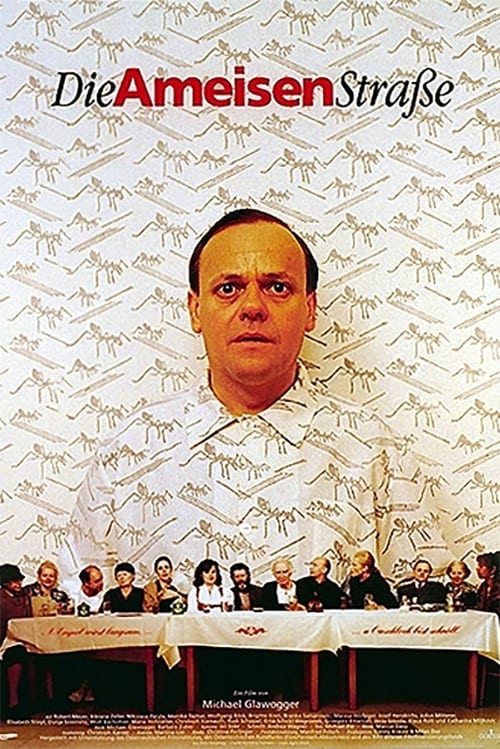
Set within a Viennese apartment block, this affectionate Austrian comedy makes fun of the strange habits of the famed city's residents. The building is located in a middle-class area and has residents from many age groups and walks of life. Many of the tenants are much older, but there are also a few children about. In one apartment lives a large group of Polish construction workers, while a Yugoslavian woman and her huge family attempt to survive in their tiny flat. The episodic story of the lives of these and other tenants is framed by a visit from a civil servant from the Office of Statistics.
Ant Street

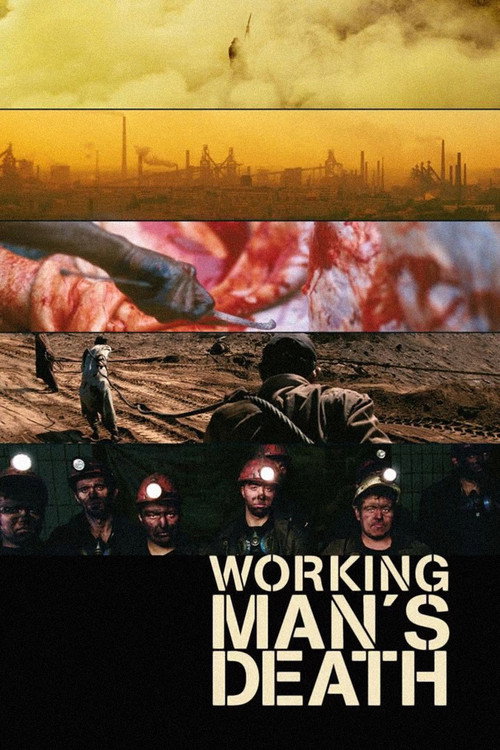
Is heavy manual labour disappearing or is it just becoming invisible? Where can we still find it in the 21st century? Workingman's Death follows the trail of the HEROES in the illegal mines of the Ukraine, sniffs out GHOST among the sulphur workers in Indonesia, finds itself face to face with LIONS at a slaughterhouse in Nigeria, mingles with BROTHERS as they cut a huge oil tanker into pieces in Pakistan, and joins Chinese steel workers in hoping for a glorious FUTURE.
Workingman's Death

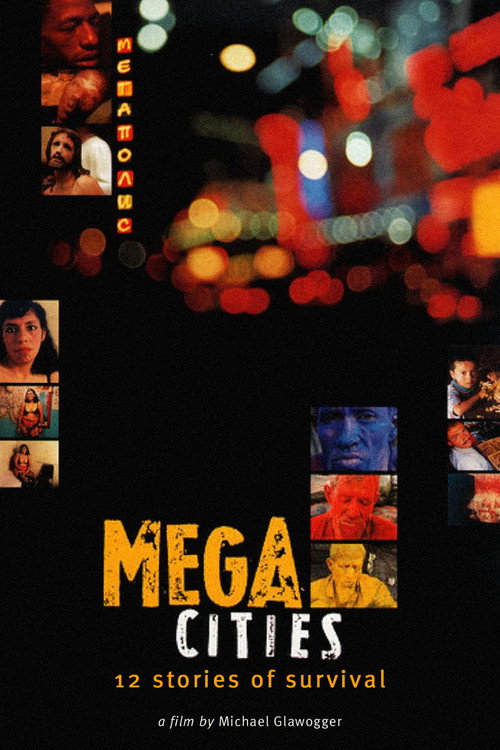
Megacities is a documentary about the slums of five different metropolitan cities.
Megacities

Mao inherits her uncle Waberl’s – a former icon of Sex, Drugs and Rock’n’Roll – hotel on the countryside. With the help of her friends Max (a wannabe entertainer with brilliant concepts but lacking structure) and Jerry (a skilled Guitarrero but less skilled chef) they try to put together a hotel band to save Rock’n’Roll as well as their bankrupt hotel.
Hotel Rock'n'Roll

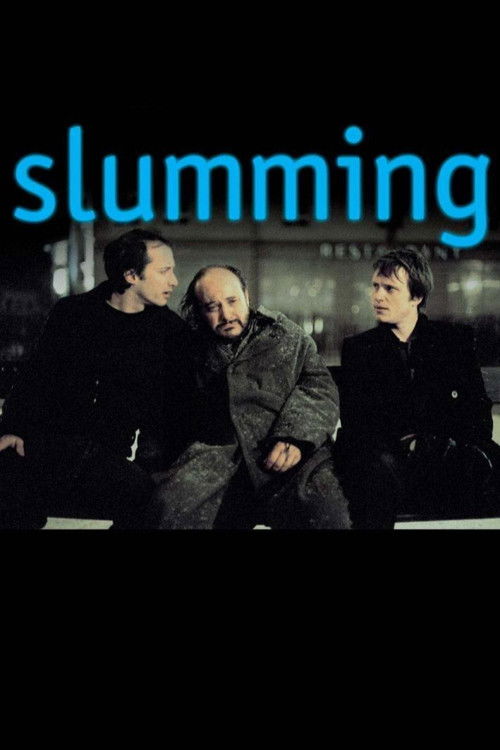
Two yuppies play mean pranks on those around them until one joke has unexpected consequences.
Slumming

Ozren is raised in Vienna by his mother Silvija, who works as a prostitute, and his aunt and uncle. The film shows the demimonde of Vienna in the early 1990ies and deals with Ozren's finding out that his mother is not a waitress (as he was initially told) and with the way he copes with it.
The Whore's Son

Depicts Carl Andersens uncommon art and life. Born in Vienna, the capital of Austria in 1958, he participated in the development of Viennas subculture through his bar called "Fun Factory". It was a unique place to have some cheap drinks, see strange movies and join concerts in the cellar. He also influenced the Viennese film community by bringing art house and underground movies, like "Liquid Sky" (1982), or "The Texas Chainsaw Massacre" (1973) in uncut versions to the theaters. As he was a film maniac he started to direct movies by himself. His first two movies "I was a Teenage Zabbadoing" (1988) and "Mondo Weirdo - a Trip to Paranoia Paradise"(1990) became underground classics. In the late 80's Andersen went to Berlin. There he directed and produced more than 10 No-Budget movies. Diffic ult relationships and the process of filmmaking itself were his main themes. He got lost in alcoholism and committed suicide in August 2012.
Carl Andersens Underground der Liebe

This documentary, Ulrich Seidl's full-length film debut, examines the lives of the street newspaper sellers in Vienna, a mixture of men from Turkey, India, Pakistan, Egypt and Eastern Europe, standing out in all weathers, peddling the trivial Viennese tabloids. We see their lives on the street, their cramped living quarters, their minders, the 'training' days, and the inhumane process which keeps them working endless hour for little reward.
Good News: Newspaper Salesmen, Dead Dogs and Other People from Vienna
A man reads a book. Ordinary enough, except that he is sentenced to death and scheduled to be shot in ten minutes. Obviously, he will not get to the end of the story. Based on an unfinished short story by Arthur Schnitzler.
Tod eines Lesenden

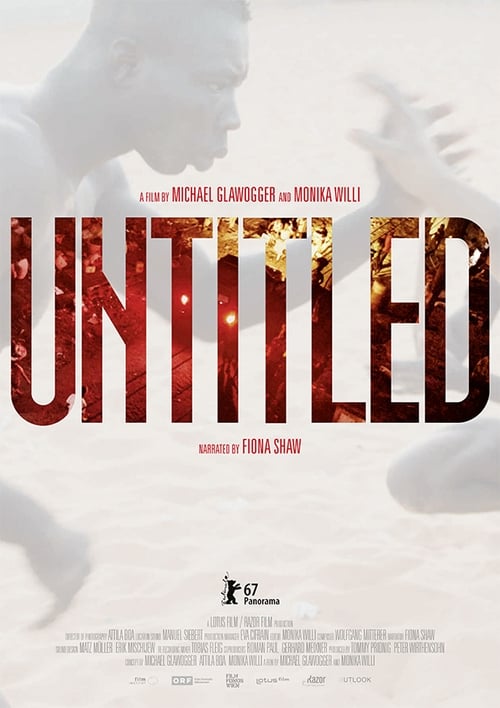
More than two years after the sudden death of Michael Glawogger in April 2014, film editor Monika Willi realizes a film out of the film footage produced during 4 months and 19 days of shooting in the Balkans, Italy, Northwest and West Africa. A journey into the world to observe, listen and experience, the eye attentive, courageous and raw. Serendipity is the concept - in shooting as well as in editing the film.