Directing
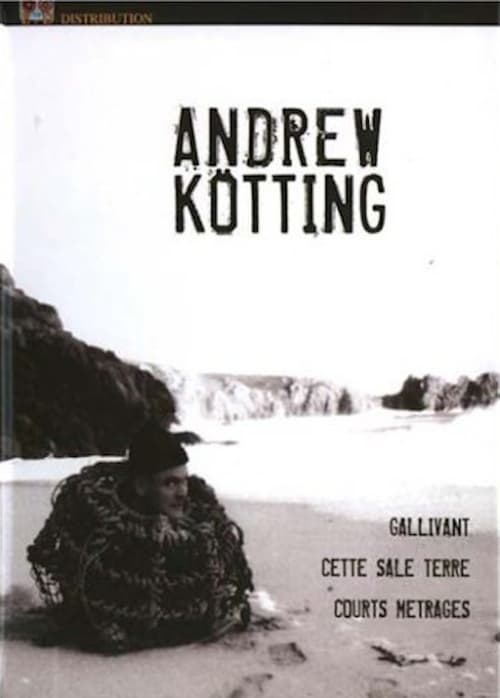
Andrew Kötting is a British artist, writer, and filmmaker
"A post punk piece of pagan sensibility, complete with beastiality buggery and boundless energy. Maniacal filmmaking at its best. He takes his horse with him everywhere." Andrew Kötting
The last day of creation. A stranger arrives in London. No one knows who he is or where he has come from. By the time he leaves, the entire universe will have been erased.
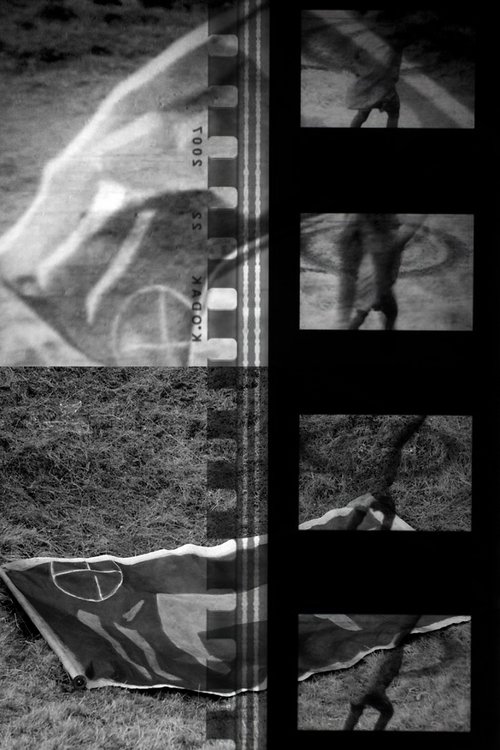
Shot in Nunhead Cemetery, South East London with Heilco Van der Ploeug and Leila McMillan. Designed to run as a super 8 projection for the performances that we were making in and around London as BEING KARNAL. Music BEING KARNAL (Heilco Van der Ploeug and Andrew Kotting)
A documentary examining the causes and effects of Joubert syndrome – a rare hereditary brain disorder, which affects both the motor and intellectual development of its sufferers.
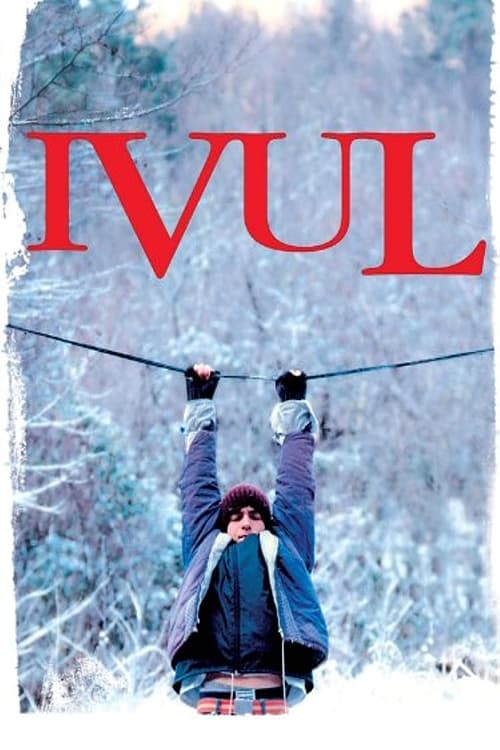
IVUL is the extraordinary story of Alex (Jacob Auzanneau), a young man who climbs on to the roof of his house and refuses to ever come back down to earth. His actions devastate his beloved family and we watch as their world falls apart. A dark and mysterious gardener (Tchili from This Filthy Earth) keeps watch over the family but is powerless to exorcise the curse that he feels has befallen them. Meanwhile the twin sisters (Manon and Capucine) provide light but sometimes macabre relief. The world of IVUL is a world of both fairytale and nightmare with the family manor house and forest landscape providing a compelling backdrop to the story.
A sad tale that waxes lyrical, replete with the diabolical bastardisation of various Greek myths.
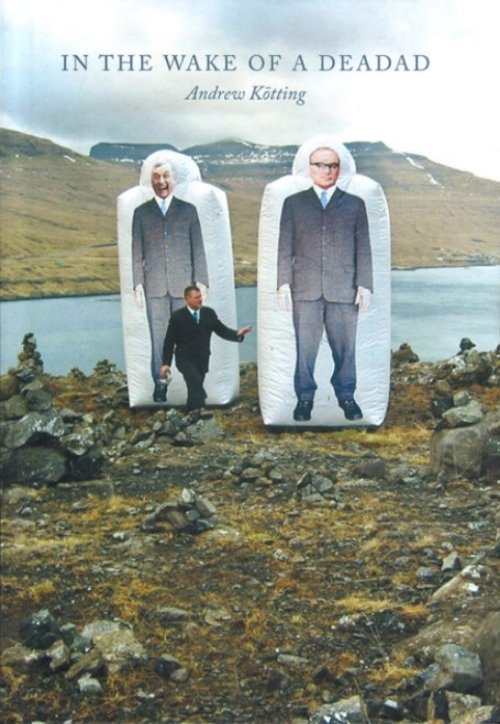
In the Wake of a Deadad is Kötting's powerful, often uncomfortable reflection on the recent death of his father. His Deadad.
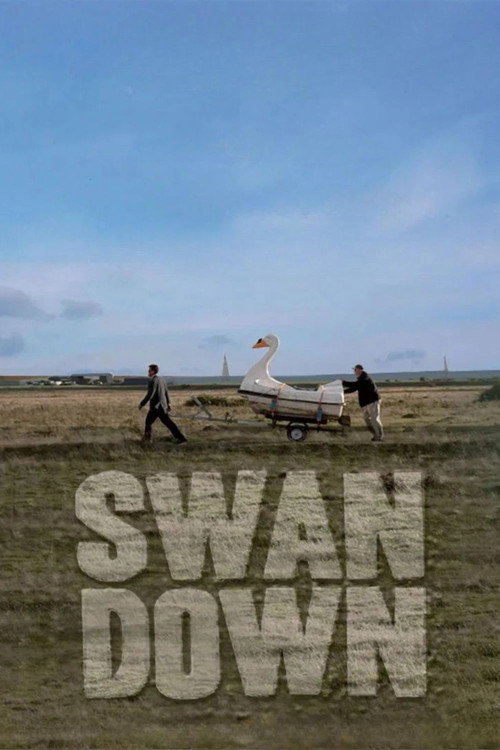
Director Andrew Kötting and writer Iain Sinclair sail a swan-shaped pedalo from Hastings to Hackney in London in the build-up to the 2012 Olympic Games.
‘A few drops of pond water rich in bottom sediments, seen under a microscope can quickly confirm the existence of another world. This is the Kingdom of Protista and like all living things it needs to try to suck itself off.’
Historical voices and images relay the experiences of tuberculosis, Knightwick Sanatorium and London Fever Hospital.
"The film attempts to invoke a sense of the past via the here-and-now. Drawing on my own extensive Super 8 archive and a growing body of Mini DV footage the film portrays a fragmented and nostalgic view of a part of the world that has proved vital to the very fabric of my existence. Amongst the sonic flotsam and jetsam lie littoral truths, half-truths and coastal myths. Both melancholic and absurd the ‘coastcard’ is a confusing missive from a place of hope. It is a reminisce and flawed celebration. Hastings as a place where both memories and people are pulled towards the sea in a strange state of ‘reverse evolution’." – Andrew Kötting
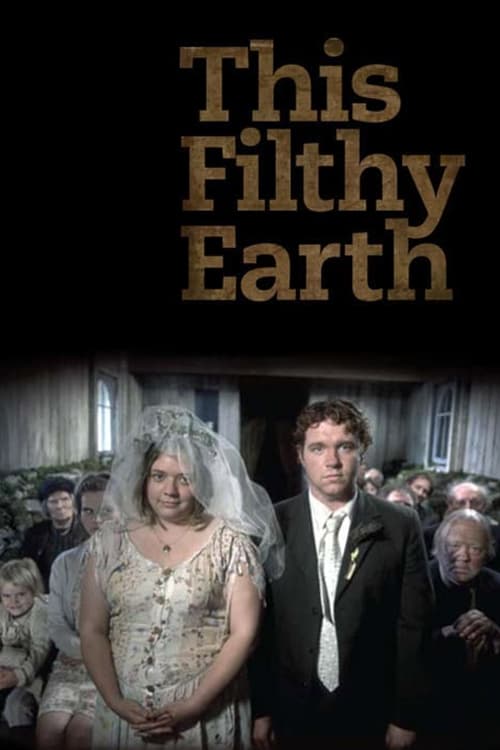
The tragic story of two sisters whose lives are disrupted by two men. Amidst a landscape of rural hardship and a community consumed with superstition, events unfurl which threaten their sibling bond.
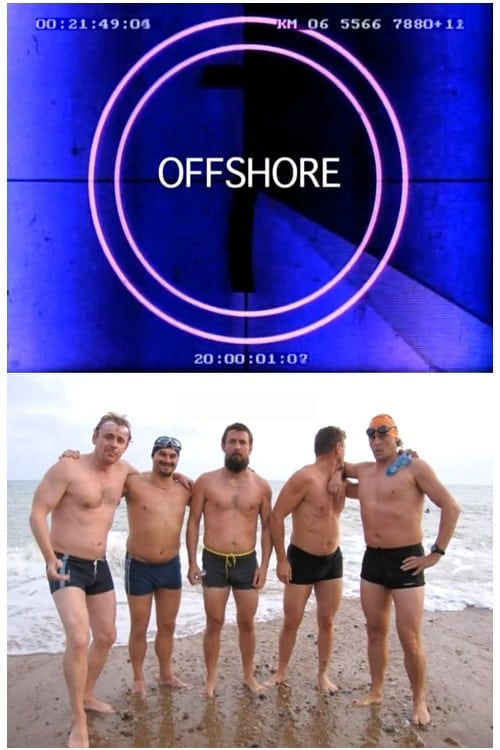
Beginning in the pitch-black early hours of a September morning, the film follows a 14hr 17min cross-channel relay swim that I made along with my brothers Mark and Joey, a friend Ian Dale, the actor and comedian Sean Lock (Smart Alek and co-writer of This Filthy Earth) and the actor Tchili (This Filthy Earth and Ivul). The attempt was witnessed by the writer and wordsmith Iain Sinclair and is narrated by Eden Kötting. The film came about in 2006 (the 10 year anniversary since the release of the original film Gallivant) and the chance discovery of a boat called The Gallivant, which offered to shadow us across the Channel as a support vessel. Flotsam and jetsam in the form of conversations, field recordings and the voices of Gladys and Eden from the original film invade. The film shows scenes of explicit vomiting.
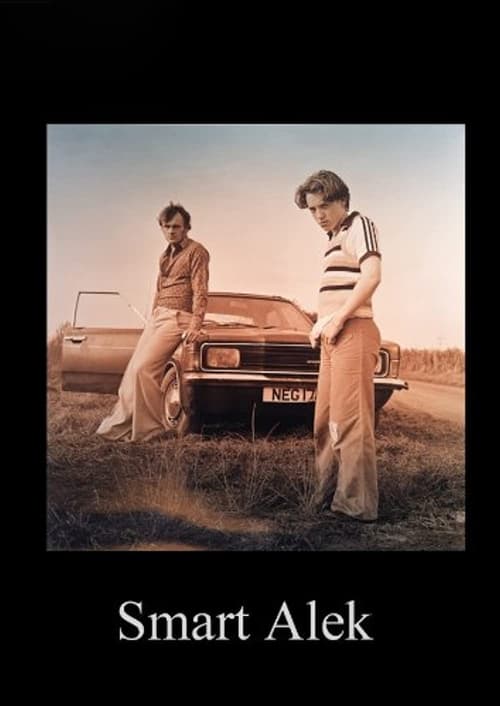
In 1972 a family are on their way for a holiday in Essex. The parents argue and the son swears, making obscene gestures. So the father throws him out, drives on and crashes the car. The grandmother flags down a car with three men in it. Too late she recognises one as the man who shot a neighbour...
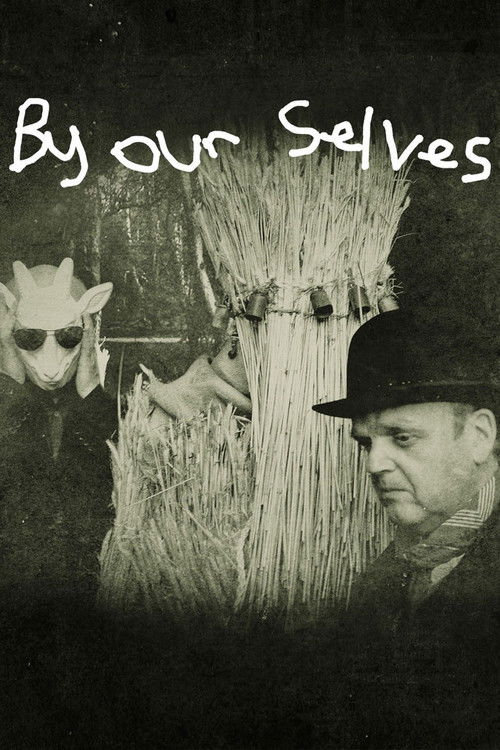
Andrew Kötting's film retraces John Clare's journey from Epping Forest to Northamptonshire accompanied by a straw bear.
Iain Sinclair walks a section of Watling Street, the Roman road said to have much older origins, from Canterbury to London.
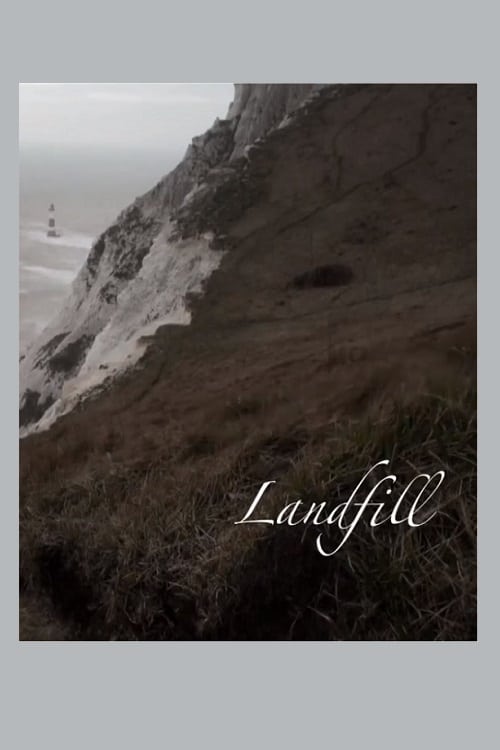
A site specific performance piece for camera, filmed on location at Beachy Head, a metaphor for our collective headlong rush over the edge when it comes to our dealings with the environment. But rather than a decisive leap off the cliff, the piece has a much slower, more erosive pace with Paris and Hill gradually sinking in a deep fissure near the cliff edge. Seemingly oblivious, they chat bravely on mixing the banal with specific personal fixations on environment. Time-lapse cinematography marks time passing, clouds and shadows moving as the women slowly descend into the earth. They are very positive, very upbeat, but their sinking is inevitable. They keep talking until they are no longer visible; the last sentence breathed out through a crack in the earth and carried off in the wind. Then they are gone without a trace, and the viewer is confronted with the precipice, which in their absence becomes the foreground rather than the background.
Various characters appear stranded on a beach buried under large piles of their own memorabilia and self-importance.
This film was inspired by Aurelia Petit who invited Andrew Kötting to make a work contemplating themes around the 'Exquisite Corpse' game in which a collection of words and images are collectively assembled. It is the second part of his Head Trilogy and investigates the ideas behind travel into the woods with nothing but a shot gun and animal heads for company.
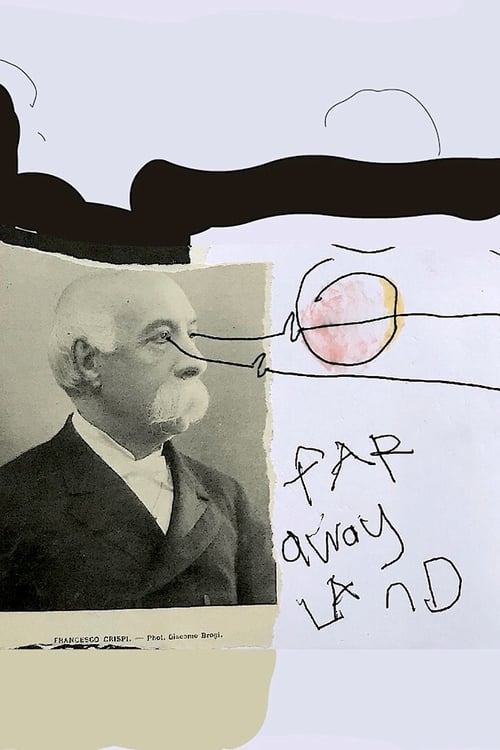
Back stroke butterfly, front crawl and bras, we are awash in an ocean of bubbles. Meanwhile Captain Ahab sets sail on his magic carpet in search of the whale. All is not well in the world but Eden is there, fresh from her garden, tuning into “The Far Away Land”. We are deep in the cloud of our own making but help is at hand, and everything might yet be alright.