
Luis Buñuel
Directing
Biography
Luis Buñuel Portolés (Spanish: [ˈlwis βuˈɲwel poɾtoˈles]; 22 February 1900 – 29 July 1983) was a Spanish filmmaker who worked in France, Mexico, and Spain. He has been widely considered by many film critics, historians, and directors to be one of the greatest and most influential filmmakers of all time. Buñuel's work was known for its avant-garde surrealism which was also infused with political commentary and social satire. Often associated with the surrealist movement of the 1920s, Buñuel made films from the 1920s through the 1970s. He collaborated with prolific surrealist painter Salvador Dali creating the films Un Chien Andalou (1929), which was made in the silent era and L'Age d'Or (1930). The two films are seen as the birth of Cinematic surrealism. From 1947 to 1960 he developed his skills as a director filming in Mexico making grounded and human melodramas such as Gran Casino (1947), Los Olvidados (1950), and Él (1953). Here is where he gained the fundamentals of storytelling. Buñuel than transitioned into making artful, unconventional, surrealist, and political satirical films. He earned acclaim with the morally complex arthouse drama film Viridiana (1961) which criticized the Francoist dictatorship. The film won the Palme d'Or at the 1961 Cannes Film Festival. He then criticized political and social conditions in The Exterminating Angel (1962), and The Discreet Charm of the Bourgeoise (1972) the later of which won the Academy Award for Best International Feature Film. He also directed Diary of a Chambermaid (1964), and Belle de Jour (1967), as well as his final film That Obscure Object of Desire (1977) the later of which earned the National Society of Film Critics Award for Best Director. Buñuel earned five Cannes Film Festival prizes, two Berlin International Film Festival prizes, and a BAFTA Award as well as nominations for two Academy Awards. Buñuel received numerous honors including National Prize for Arts and Sciences for Fine Arts in 1977, the Moscow International Film Festival Contribution to Cinema Prize in 1979, and the Career Golden Lion in 1982. He was nominated once for the Nobel Prize in Literature in 1968. Seven of Buñuel's films are included in Sight & Sound's 2012 critics' poll of the top 250 films of all time.
Known For
No description available.
Cinépanorama

No description available.
Reflets de Cannes
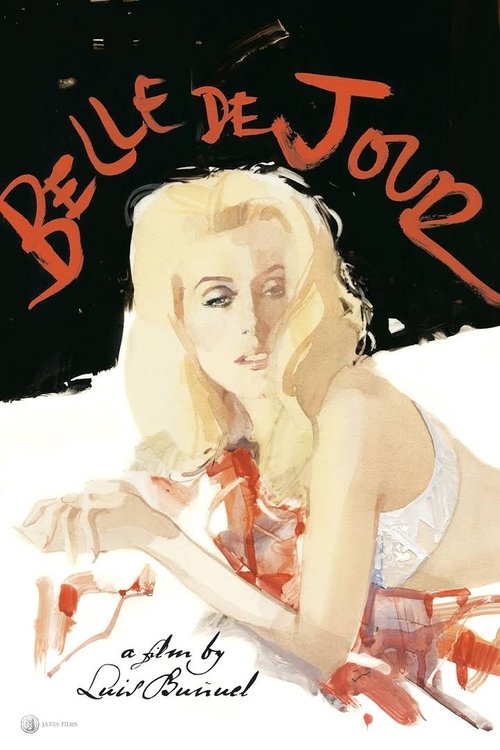
Beautiful young housewife Séverine Serizy cannot reconcile her masochistic fantasies with her everyday life alongside dutiful husband Pierre. When her lovestruck friend Henri mentions a secretive high-class brothel run by Madame Anais, Séverine begins to work there during the day under the name Belle de Jour. But when one of her clients grows possessive, she must try to go back to her normal life.
Belle de Jour
Produced for television by Claude-Jean Philippe, the « Encyclopédie audiovisuelle du cinéma », recounts the history of French cinema from its birth to the beginning of the 1960s. With commentary read by Jean Rochefort.
Encyclopédie audiovisuelle du cinéma
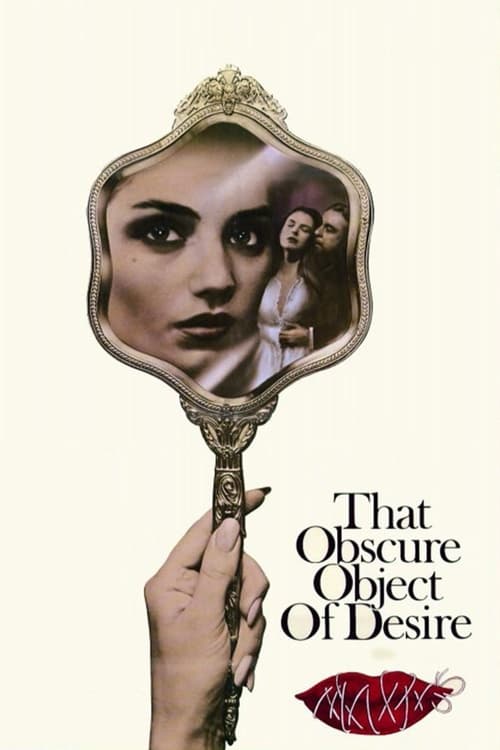
After dumping a bucket of water on a beautiful young woman from the window of a train car, wealthy Frenchman Mathieu, regales his fellow passengers with the story of the dysfunctional relationship between himself and the young woman in question, a fiery 19-year-old flamenco dancer named Conchita. What follows is a tale of cruelty, depravity and lies -- the very building blocks of love.
That Obscure Object of Desire

In Luis Buñuel’s deliciously satiric masterpiece, an upper-class sextet sits down to dinner but never eats, their attempts continually thwarted by a vaudevillian mixture of events both actual and imagined.
The Discreet Charm of the Bourgeoisie
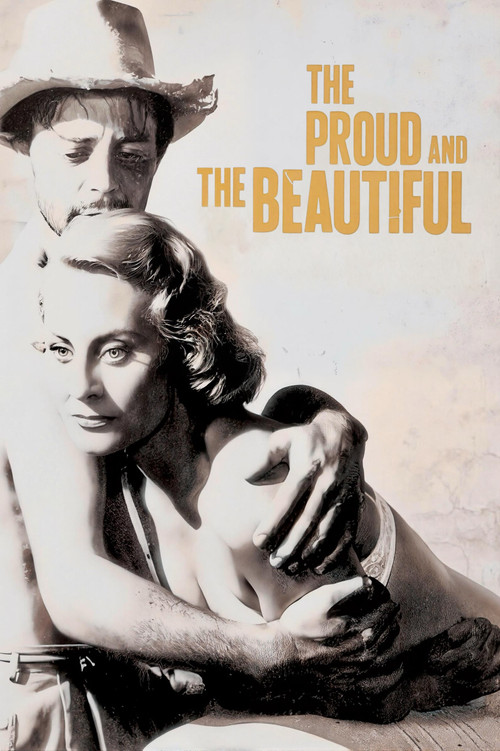
Life in a small Mexican village where joy and misery, hope and pain, passion and guilt, love and decay, life and death are mixed in the peasants life and two French citizens who end up stranded in there, during a typhoid epidemic.
The Proud and the Beautiful
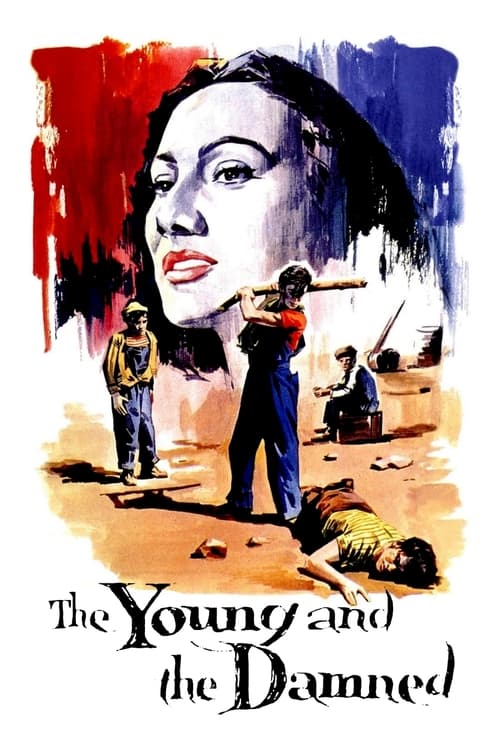
A group of juvenile delinquents live a violent life in the infamous slums of Mexico City; among them Pedro, whose morality is gradually corrupted and destroyed by the others.
The Young and the Damned
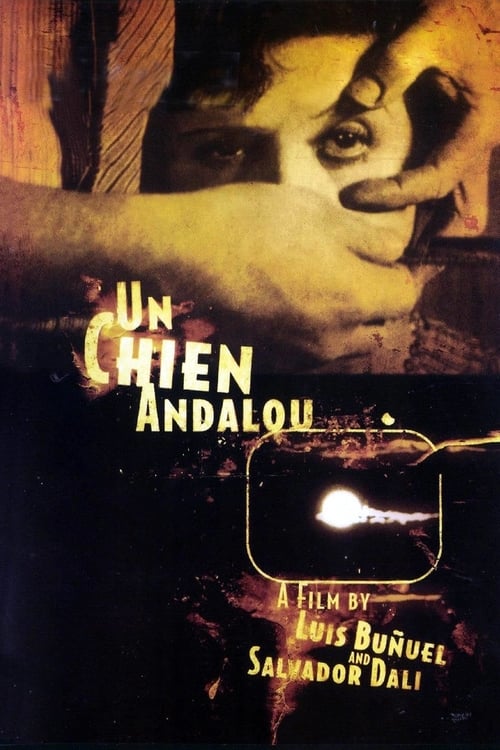
Un Chien Andalou is an European avant-garde surrealist film, a collaboration between director Luis Buñuel and Salvador Dali.
Un Chien Andalou
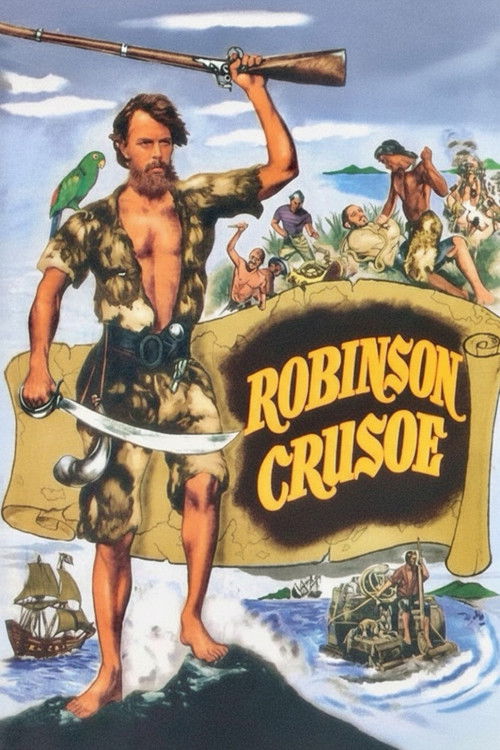
The titular adventurer, after defying his parents to go to sea, survives a shipwreck and becomes a castaway on a deserted island for nearly thirty years, learning to build a new life from scratch, discovering companionship with a native man he names Friday, and eventually returning to civilisation a changed man, finding wealth and new challenges.
Robinson Crusoe
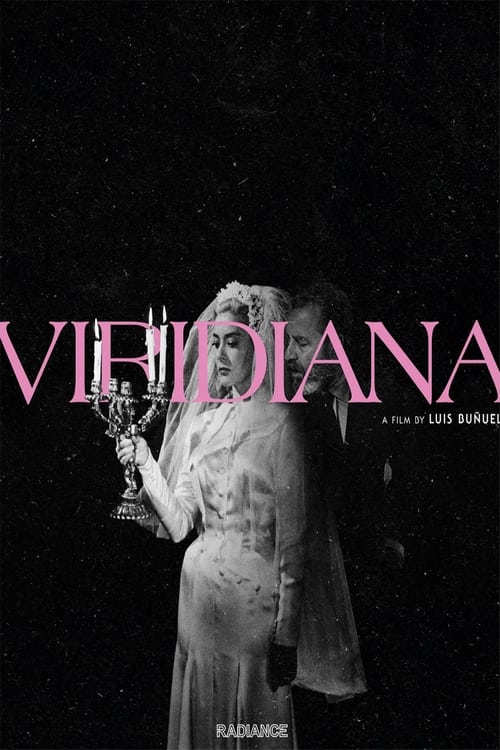
Viridiana is preparing to start her life as a nun when she is sent, somewhat unwillingly, to visit her aging uncle, Don Jaime. He supports her; but the two have met only once. Jaime thinks Viridiana resembles his dead wife. Viridiana has secretly despised this man all her life and finds her worst fears proven when Jaime grows determined to seduce his pure niece. Viridiana becomes undone as her uncle upends the plans she had made to join the convent.
Viridiana
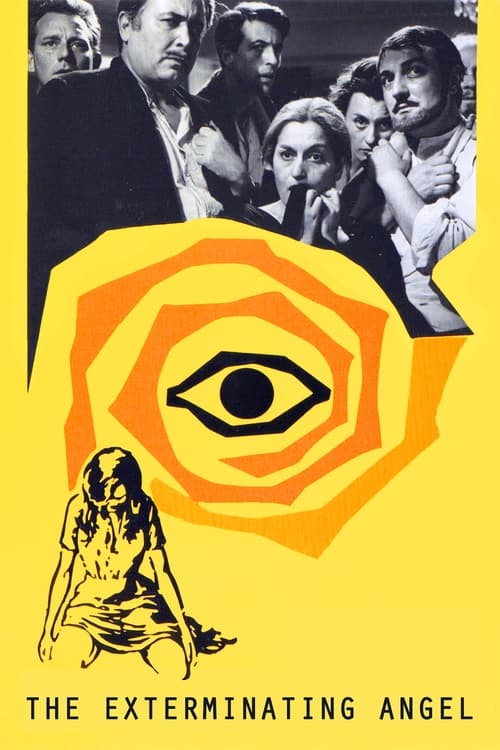
After a lavish dinner party, the guests find themselves unable to depart... and, over the next few days, all of their elaborate societal pretenses and façades deteriorate as they are reduced to living like animals.
The Exterminating Angel
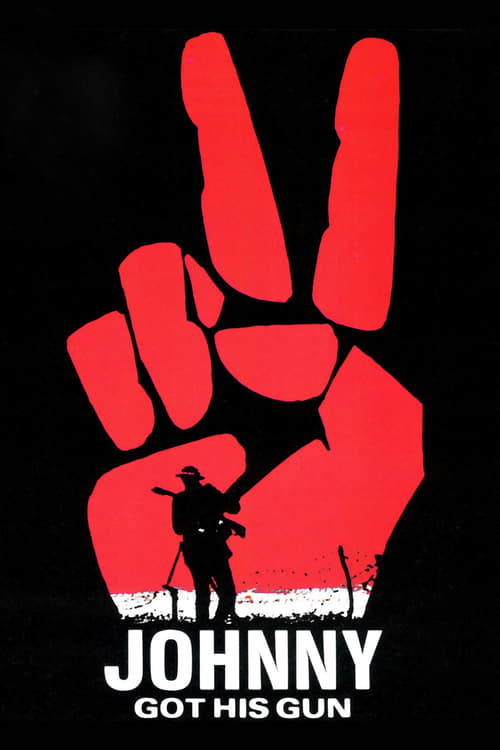
A young American soldier, rendered in pseudocoma from an artillery shell from WWI, recalls his life leading up to that point.
Johnny Got His Gun
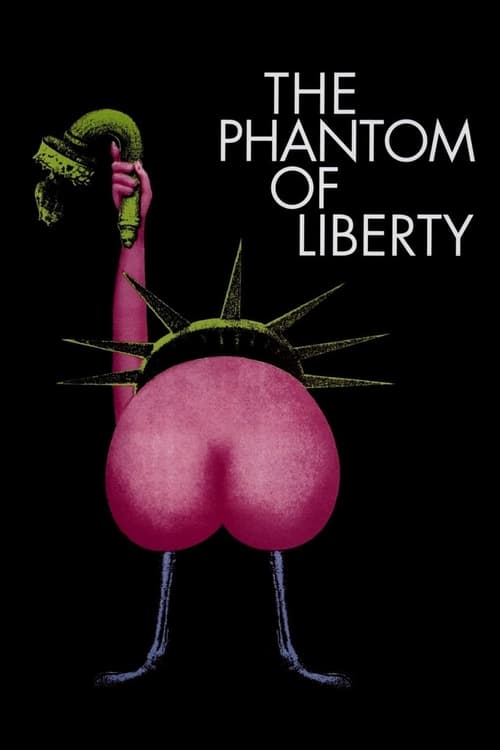
This Surrealist film, with a title referencing the Communist Manifesto, strings together short incidents based on the life of director Luis Buñuel. Presented as chance encounters, these loosely related, intersecting situations, all without a consistent protagonist, reach from the 19th century to the 1970s. Touching briefly on subjects such as execution, pedophilia, incest, and sex, the film features an array of characters, including a sick father and incompetent police officers.
The Phantom of Liberty
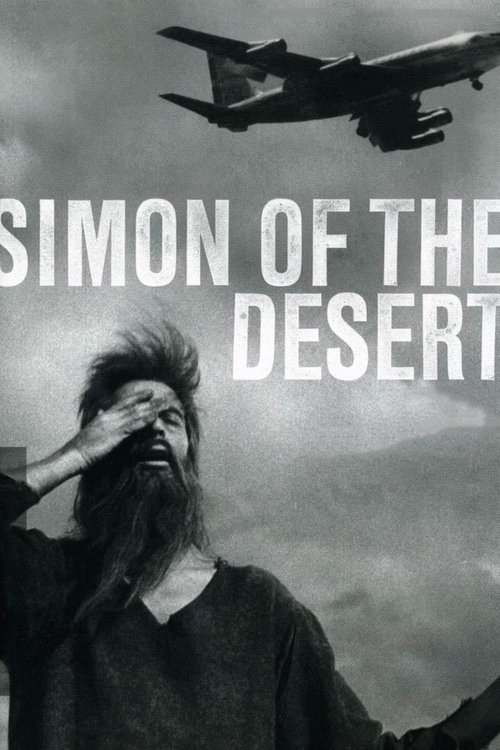
Simon, a deeply religious man living in the 4th century, wants to be nearer to God so he climbs a column. The Devil wants him come down to Earth and is trying to seduce him.
Simon of the Desert

A tough young man, who helps to kick poor people out of their houses, falls in love with a girl. She lives with her father in the building about to be demolished.
The Brute
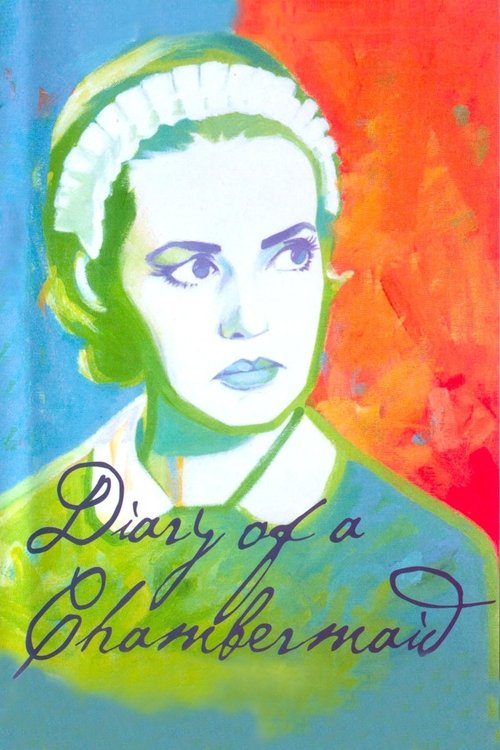
Celestine has a new job as a chambermaid for the quirky M. Monteil, his wife and her father. When the father dies, Celestine decides to quit her job and leave, but when a young girl is raped and murdered, Celestine believes that the Monteils' groundskeeper, Joseph, is guilty, and stays on in order to prove it. She uses her sexuality and the promise of marriage to get Joseph to confess -- but things do not go as planned.
Diary of a Chambermaid
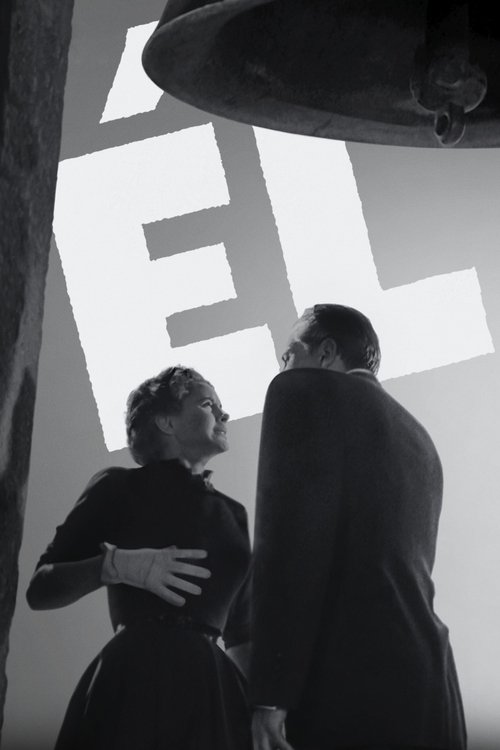
Gloria encounters Francisco, a man whose social veneer betrays a truer self burrowed underneath.
Él

An exploration —manipulated and staged— of life in Las Hurdes, in the province of Cáceres, in Extremadura, Spain, as it was in 1932. Insalubrity, misery and lack of opportunities provoke the emigration of young people and the solitude of those who remain in the desolation of one of the poorest and least developed Spanish regions at that time.
Land Without Bread
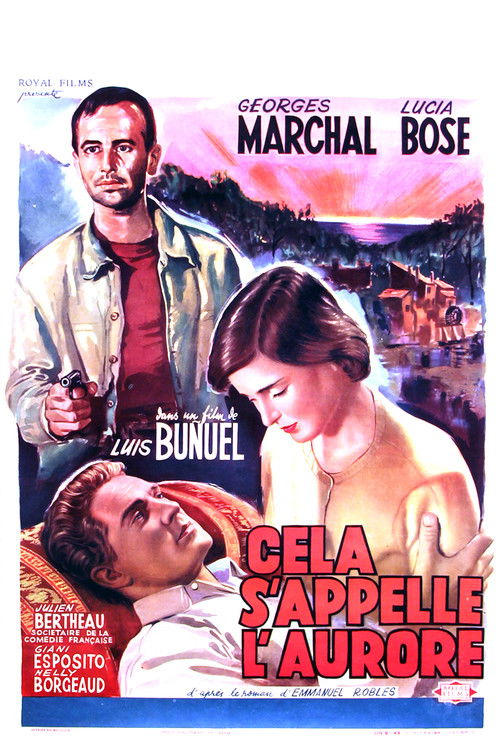
A generous doctor is aghast that the population of a small island is being oppressed and mistreated, but is seemingly unable to do anything about it, until the arrival of a young woman and the death of one of his friends prompts him into action.