FEEL IT.STREAM
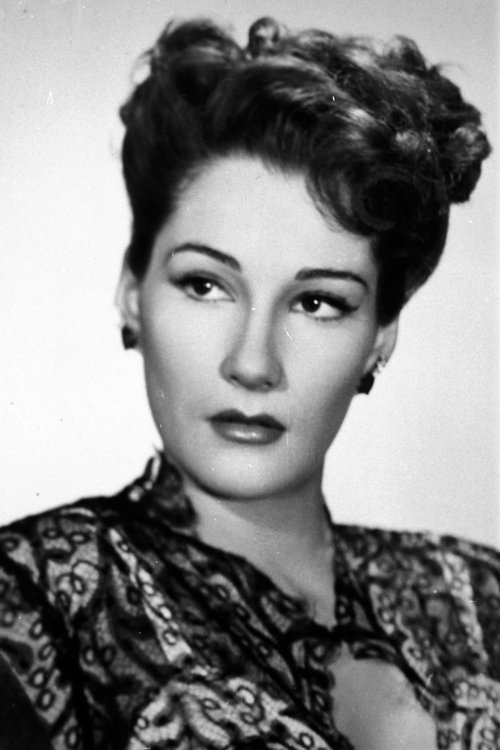
Doris Dowling

Doris Dowling

Acting

Biography

From Wikipedia, the free encyclopedia. Doris Dowling (May 15, 1923 – June 18, 2004) was an American actress of film, stage and television. After her time as a chorus-girl on Broadway, Detroit-born Doris Dowling followed her elder sister Constance to Hollywood. Her first credited film role was that of Gloria, barfly and drinking companion to fellow alcoholic Ray Milland in the 1945 film The Lost Weekend. She next appeared in The Blue Dahlia, which starred Alan Ladd and Veronica Lake. As post-war work became more scarce, she emigrated to Italy to revive her career, as her sister had done. In Italy, Dowling starred in several acclaimed films including Bitter Rice. She appeared in Orson Welles's European production of Othello in 1952, playing Bianca. Upon returning to the US, much of her work was in theatre and on television. She appeared in such television shows as Alfred Hitchcock Presents, Bonanza, Perry Mason, The Andy Griffith Show, and, late in her career, The Incredible Hulk, Kojak and finally, The Dukes of Hazzard in 1984. She also co-starred with Bob Cummings and Julie Newmar in the sitcom My Living Doll. In 1973, Dowling shared an Outer Critics Circle award for her performance in a revival of The Women on Broadway. Personal life Dowling dated Billy Wilder and married three times. She was band leader Artie Shaw's 7th wife, by whom she had a son, Jonathan. Her other husbands were Robert F. Blumofe (1956–1959) and Leonard B. Kaufman (1960 until her death in 2004).
Known For

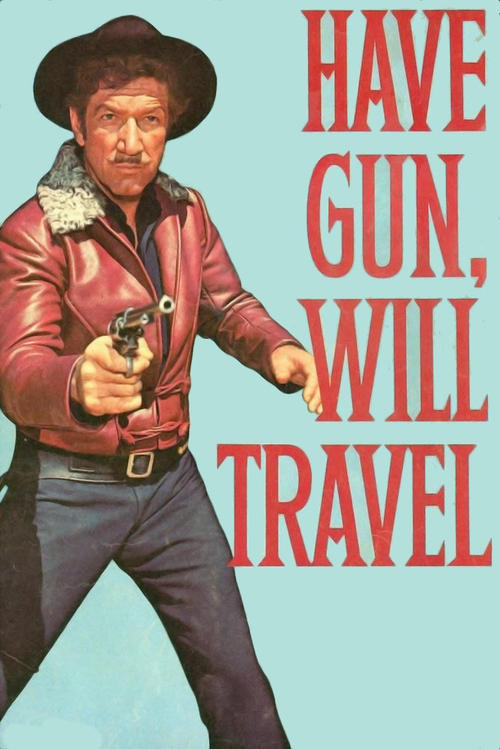
Have Gun, Will Travel
7.3

Have Gun – Will Travel is an American Western television series that aired on CBS from 1957 through 1963. It was rated number three or number four in the Nielsen ratings every year of its first four seasons. It was one of the few television shows to spawn a successful radio version. The radio series debuted November 23, 1958. The television show is presently shown on the Encore-Western channel. Have Gun – Will Travel was created by Sam Rolfe and Herb Meadow and produced by Frank Pierson, Don Ingalls, Robert Sparks, and Julian Claman. There were 225 episodes of the TV series, 24 written by Gene Roddenberry. Other contributors included Bruce Geller, Harry Julian Fink, Don Brinkley and Irving Wallace. Andrew McLaglen directed 101 episodes and 19 were directed by series star Richard Boone.

Have Gun, Will Travel

1957Series
Lights Out
6.0

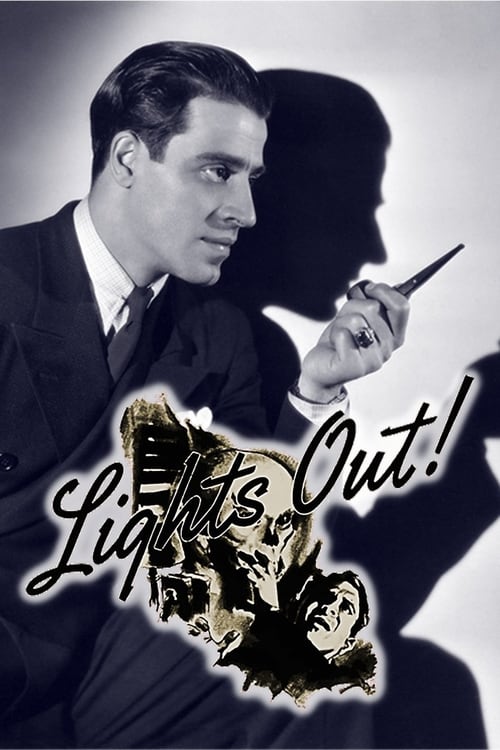
Lights Out was an extremely popular American old-time radio program, an early example of a network series devoted mostly to horror and the supernatural, predating Suspense and Inner Sanctum. Versions of Lights Out aired on different networks, at various times, from January 1934 to the summer of 1947 and the series eventually made the transition to television. In 1946, NBC Television brought Lights Out to TV in a series of four specials, broadcast live and produced by Fred Coe, who also contributed three of the scripts. NBC asked Cooper to write the script for the premiere, "First Person Singular", which is told entirely from the point of view of an unseen murderer who kills his obnoxious wife and winds up being executed. Variety gave this first episode a rave review ("undoubtedly one of the best dramatic shows yet seen on a television screen"), but Lights Out did not become a regular NBC-TV series until 1949.

Lights Out

1949Series