FEEL IT.STREAM
William Bendix

William Bendix

Acting

Biography

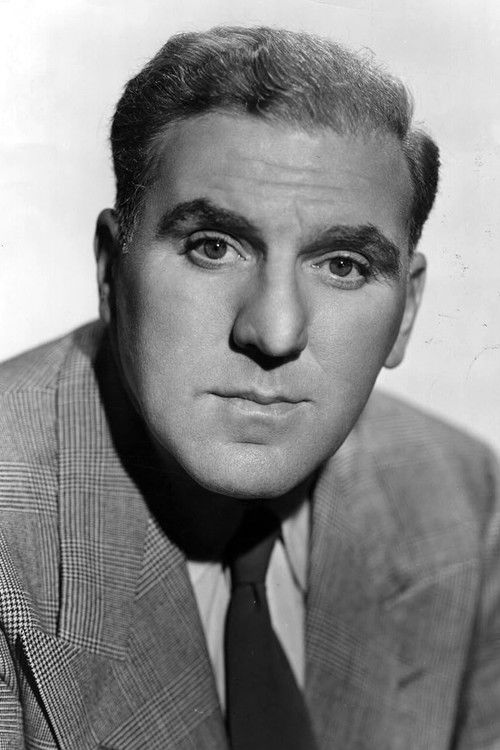
William Bendix (January 14, 1906 – December 14, 1964) was an American film, radio, and television actor, best remembered in movies for the title role in the movie The Babe Ruth Story and for portraying clumsily earnest aircraft plant worker Chester A. Riley in radio and television's The Life of Riley. He also received an Academy Award nomination as Best Supporting Actor for Wake Island (1942).
Known For

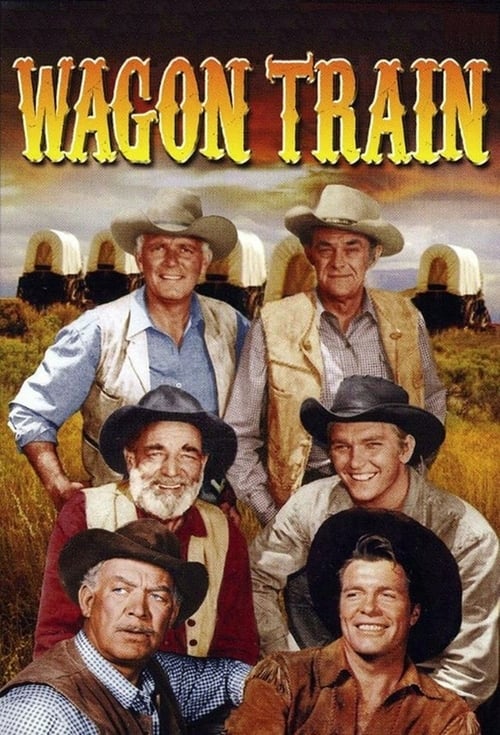
Wagon Train
6.6

The series initially starred veteran movie supporting actor Ward Bond as the wagon master, later replaced upon his death by John McIntire, and Robert Horton as the scout, subsequently replaced by lookalike Robert Fuller a year after Horton had decided to leave the series. The series was inspired by the 1950 film Wagon Master directed by John Ford and starring Ben Johnson, Harry Carey Jr. and Ward Bond, and harkens back to the early widescreen wagon train epic The Big Trail starring John Wayne and featuring Bond in his first major screen appearance playing a supporting role. Horton's buckskin outfit as the scout in the first season of the television series resembles Wayne's, who also played the wagon train's scout in the earlier film.

Wagon Train

1957
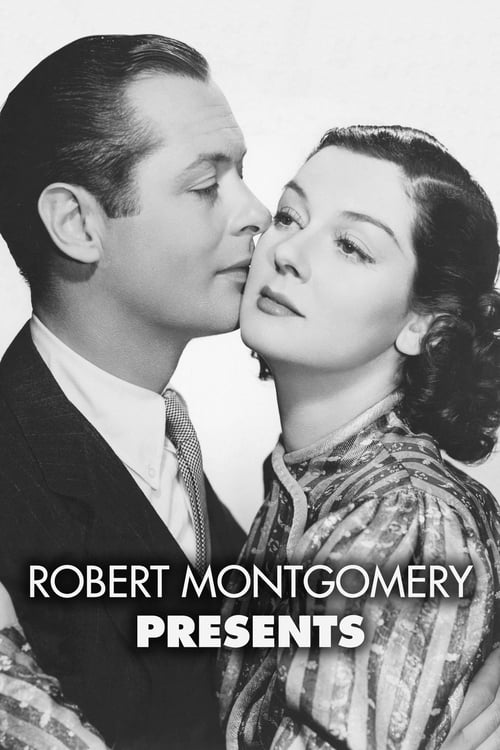
Robert Montgomery Presents
6.0

Robert Montgomery Presents is an American dramatic television series which was produced by NBC from January 30, 1950 until June 24, 1957. The live show had several sponsors during its seven-year run, and the title was altered to feature the sponsor, usually Lucky Strike cigarettes, for example, Robert Montgomery Presents Your Lucky Strike Theater, ....The Johnson's Wax Program, and so on.

Robert Montgomery Presents

1950
The Philco Television Playhouse
6.6

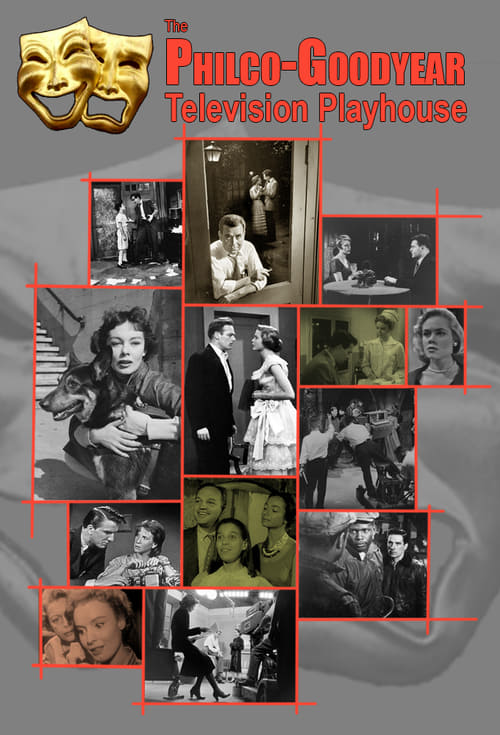
The Philco Television Playhouse is an American anthology series that was broadcast live on NBC from 1948 to 1955. Produced by Fred Coe, the series was sponsored by Philco. It was one of the most respected dramatic shows of the Golden Age of Television, winning a 1954 Peabody Award and receiving eight Emmy nominations between 1951 and 1956.

The Philco Television Playhouse

1948
The Untouchables
7.9

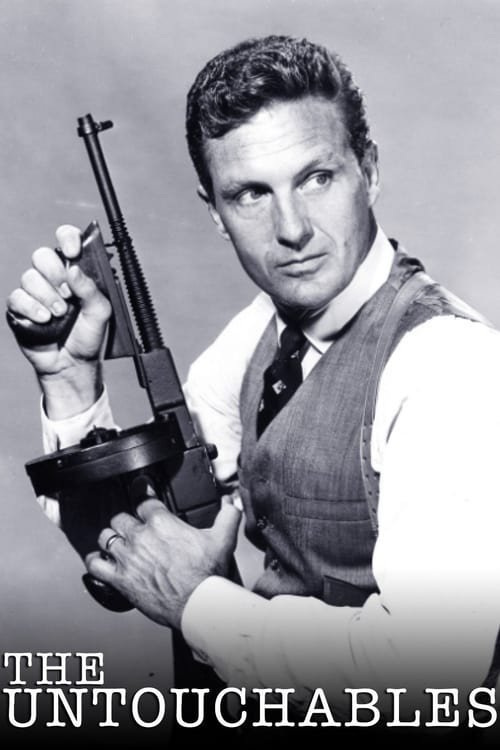
Special Agent Eliot Ness and his elite team of incorruptible agents battle organized crime in 1930s Chicago.

The Untouchables

1959
Burke's Law
6.3

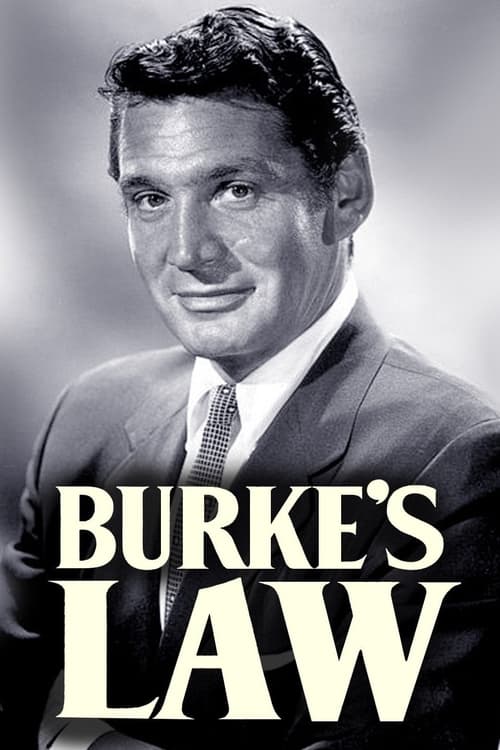
Burke's Law is an American detective series that ran on ABC from 1963 to 1965 and was revived on CBS in the 1990s. The show starred Gene Barry as Amos Burke, millionaire captain of Los Angeles police homicide division, who was chauffeured around to solve crimes in his Rolls-Royce Silver Cloud II.

Burke's Law

1963
The Colgate Comedy Hour
6.9

The Colgate Comedy Hour is an American comedy-musical variety series that aired live on the NBC network from 1950 to 1955. The show starred many notable comedians and entertainers of the era, including Eddie Cantor, Dean Martin and Jerry Lewis, Fred Allen, Donald O'Connor, Bud Abbott and Lou Costello, Bob Hope, Jimmy Durante, Ray Bolger, Gordon MacRae, Ben Blue, Robert Paige, Tony Curtis, Burt Lancaster, Broadway dancer Wayne Lamb and Spike Jones and His City Slickers.

The Colgate Comedy Hour

1950
Mister Ed
6.8

Wilbur Post and his wife Carol move into a beautiful new home. When Wilbur takes a look in his new barn, he finds that the former owner left his horse behind. This horse is no ordinary horse . . . he can talk, but only to Wilbur, which leads to all sorts of misadventures for Wilbur and his trouble-making sidekick Mister Ed.

Mister Ed

1961
The Ed Sullivan Show
6.8

The Ed Sullivan Show is an American TV variety show that originally ran on CBS from Sunday June 20, 1948 to Sunday June 6, 1971, and was hosted by New York entertainment columnist Ed Sullivan. It was replaced in September 1971 by the CBS Sunday Night Movie, which ran only one season and was eventually replaced by other shows. In 2002, The Ed Sullivan Show was ranked #15 on TV Guide's 50 Greatest TV Shows of All Time.

The Ed Sullivan Show

1948
The Steve Allen Show
6.2

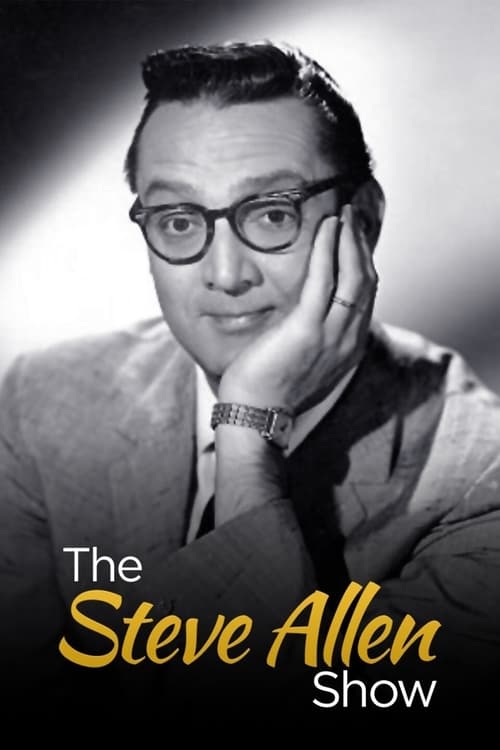
No description available.

The Steve Allen Show

1956
What's My Line?
7.0

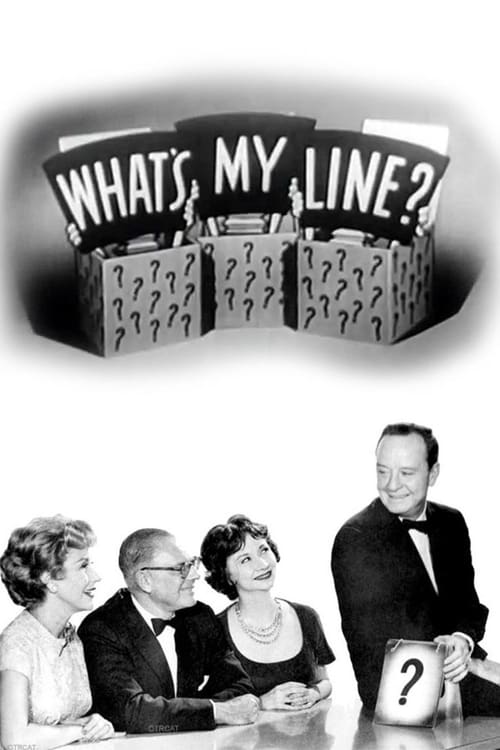
Four panelists must determine guests' occupations - and, in the case of famous guests, while blindfolded, their identity - by asking only "yes" or "no" questions.

What's My Line?

1950
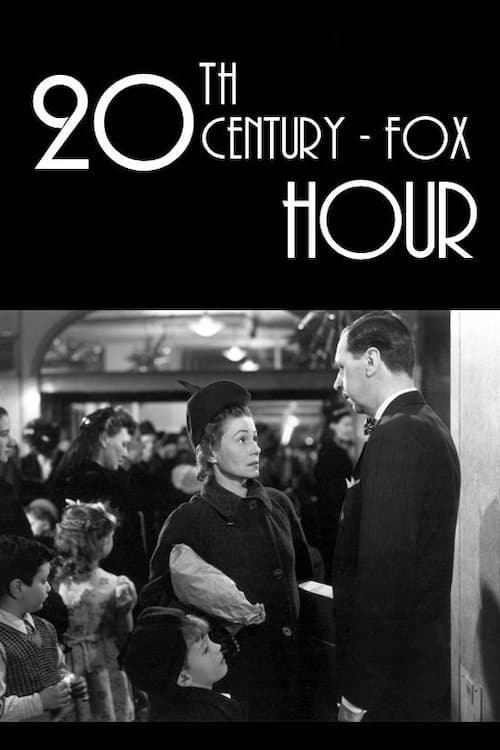
The 20th Century Fox Hour
6.0

The 20th Century Fox Hour is an American drama anthology series televised in the United States on CBS from 1955 to 1957. Some of the shows in this series were restored, remastered and shown on the Fox Movie Channel in 2002 under the title Hour of Stars. The season one episode Overnight Haul, starring Richard Conte and Lizabeth Scott, was released in Australia as a feature film.

The 20th Century Fox Hour

1955
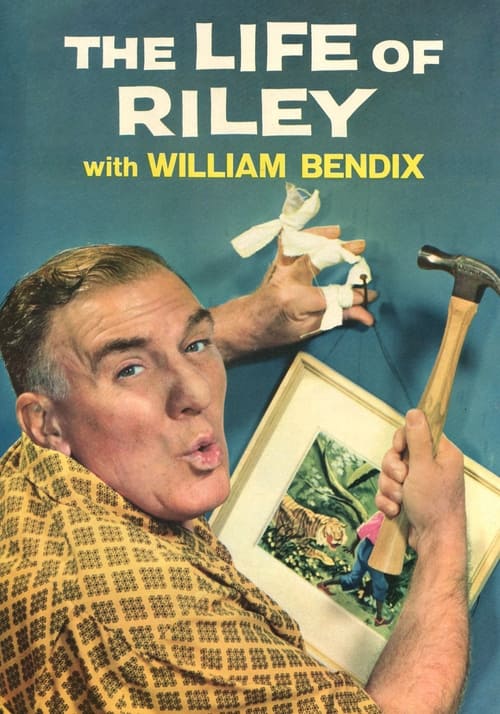
The Life Of Riley
6.7

Riley worked in an aircraft plant in California, but viewers usually saw him at home, cheerfully disrupting life with his malapropisms and ill timed intervention into minor problems.

The Life Of Riley

1953
No image
7.5

Tonight Starring Jack Paar is an American talk show hosted by Jack Paar under The Tonight Show franchise from 1957 to 1962. It originally aired during late-night. During most of its run it was broadcast from Studio 6B inside the RCA Building. The same studio would also host early episodes of The Tonight Show Starring Johnny Carson, and Late Night with Jimmy Fallon. Its theme song was an instrumental version of "Everything's Coming Up Roses", and the closing theme was "So Until I See You" by Al Lerner.

Tonight Starring Jack Paar

1957
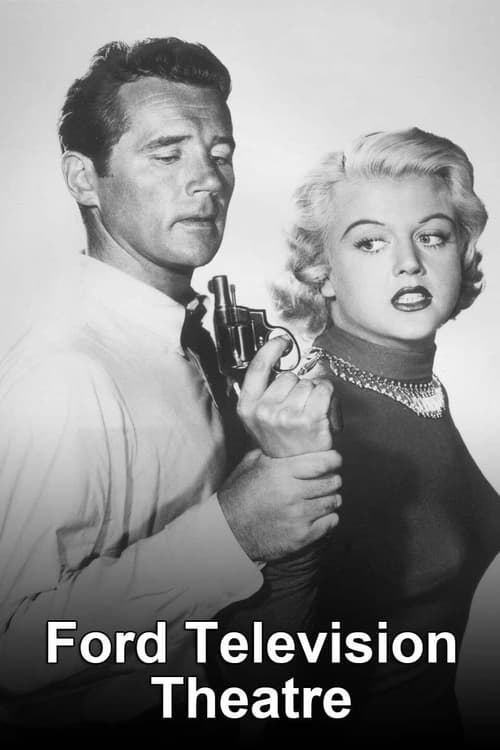
The Ford Television Theatre
7.8

This show started in New York City, with Broadway actors and actresses. It then moved to Hollywood, California, where Hollywood actors and actresses headed the cast.

The Ford Television Theatre

1952
Lights Out
6.0

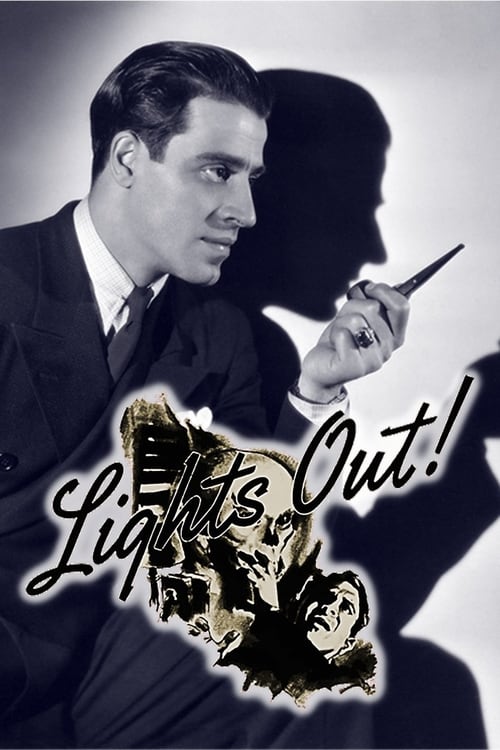
Lights Out was an extremely popular American old-time radio program, an early example of a network series devoted mostly to horror and the supernatural, predating Suspense and Inner Sanctum. Versions of Lights Out aired on different networks, at various times, from January 1934 to the summer of 1947 and the series eventually made the transition to television. In 1946, NBC Television brought Lights Out to TV in a series of four specials, broadcast live and produced by Fred Coe, who also contributed three of the scripts. NBC asked Cooper to write the script for the premiere, "First Person Singular", which is told entirely from the point of view of an unseen murderer who kills his obnoxious wife and winds up being executed. Variety gave this first episode a rave review ("undoubtedly one of the best dramatic shows yet seen on a television screen"), but Lights Out did not become a regular NBC-TV series until 1949.

Lights Out

1949
The Dinah Shore Chevy Show
6.4

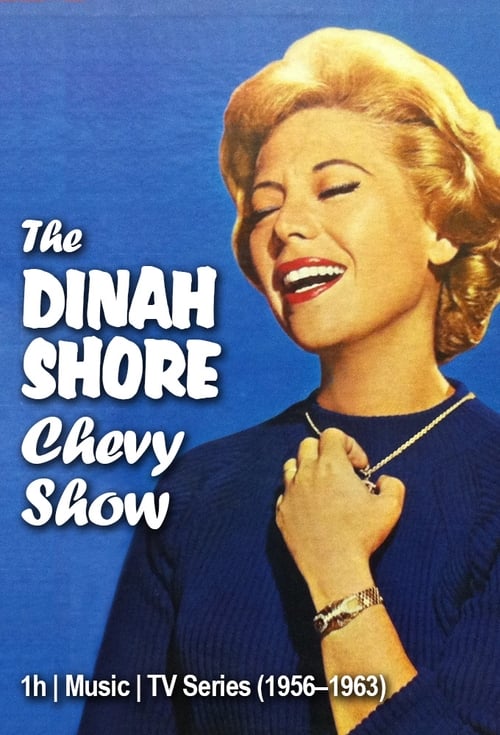
The Dinah Shore Chevy Show is an American variety series hosted by Dinah Shore, and broadcast on NBC from October 1956 to June 1963. The series was sponsored by the Chevrolet Motor Division of General Motors and its theme song, sung by Shore, was "See the U.S.A. in Your Chevrolet", which continued to be used in Chevrolet advertising for several more years after the cancellation of the show.

The Dinah Shore Chevy Show

1956
Westinghouse Desilu Playhouse
6.3

Westinghouse Desilu Playhouse is an American television anthology series produced by Desilu Productions. The show ran on CBS television between 1958 and 1960. Two of its 48 episodes served as pilots for the 1950s television series The Twilight Zone and The Untouchables.

Westinghouse Desilu Playhouse

1958
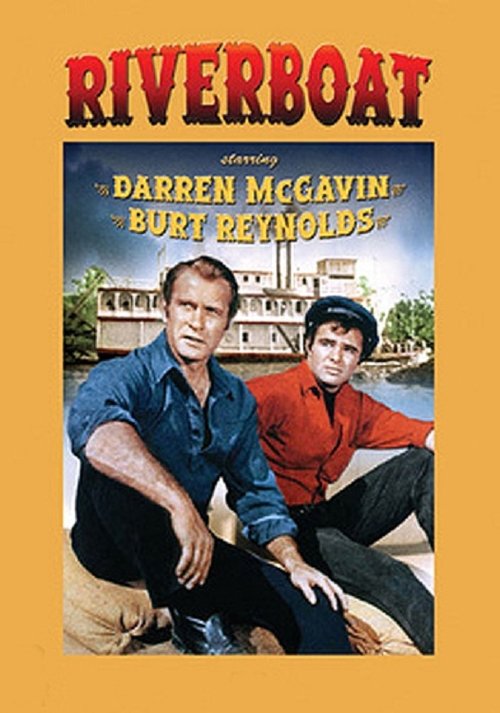
Riverboat
6.5

Riverboat is a 44-episode western television series starring Darren McGavin and Burt Reynolds broadcast on the NBC television network from September 13, 1959 until January 2, 1961. It was produced by Revue Studios.

Riverboat

1959
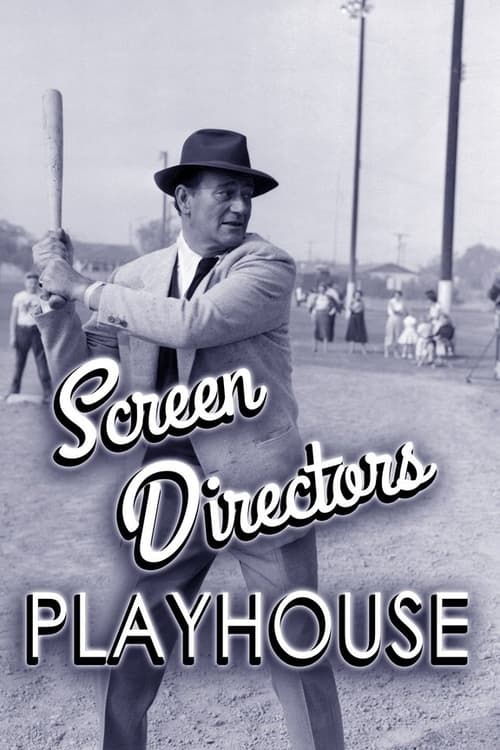
Screen Director's Playhouse
7.0

Presented by Eastman Kodak, this show was a series of original scripts directed by acclaimed directors and featuring well-known performers. The stories ranged from musicals to comedies and dramas.

Screen Director's Playhouse

1955
No image
6.7

Lux Video Theatre is an American anthology series that was produced from 1950 until 1959. The series presented both comedy and drama in original teleplays, as well as abridged adaptations of films and plays.

Lux Video Theatre

1950