FEEL IT.STREAM
Fritz Rasp

Fritz Rasp

Acting

Biography

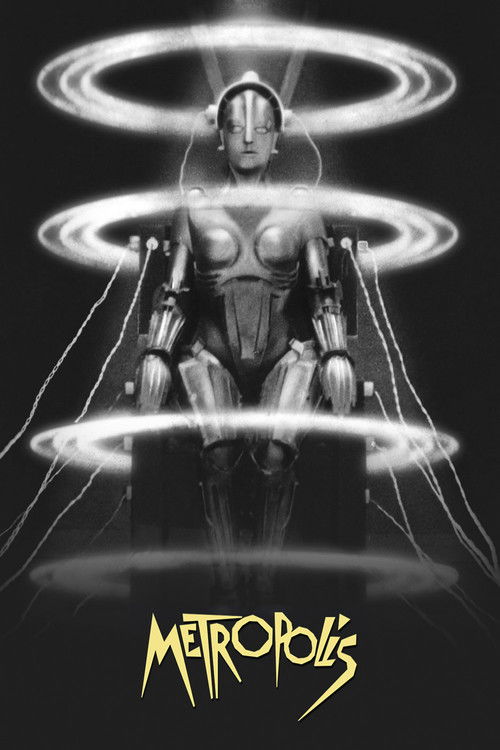
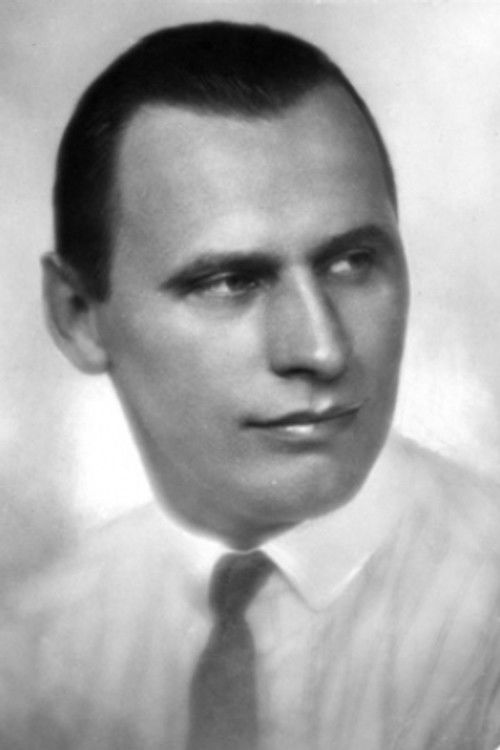
From Wikipedia, the free encyclopedia. Fritz Heinrich Rasp (13 May 1891; Bayreuth – 30 November 1976; Gräfelfing) was a German film actor who appeared in 104 films between 1916 and 1976. His most notable film roles were J.J. Peachum in The Threepenny Opera (1931), as Meinert in Diary of a Lost Girl (1929), and as "Der Schmale" ("The Thin Man") in Fritz Lang's Metropolis (1927). Many of the scenes in which he appears in the latter film are part of the Metropolis footage long believed lost until their recovery in 2008. Rasp's obituary in Der Spiegel described him as "the German film villain in service, for over 60 years." He played numerous scoundrels or shady characters during the Golden Age of German cinema in the 1920s. He is considered to be one of the most successful film villains in German film history.
Known For

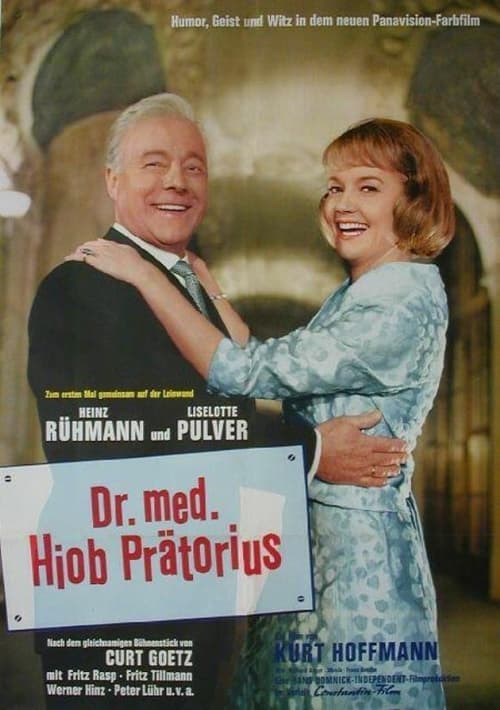
Dr. med. Hiob Prätorius
4.7

Dr. med. Job Prätorius enjoys great popularity among patients, doctors and students alike thanks to his kindness and philanthropy. Only his colleague Prof. Speiter begrudges him his success. When his patient Maria Violetta wants to commit suicide because of an extramarital pregnancy, Prätorius takes care of the young woman. When he tries to gently prepare her father for the news, the latter considers Praetorius to be a more than welcome admirer of his daughter. As a deep affection develops between the doctor and his patient, the two eventually marry. Their private happiness fuels Prof. Speiter's envy. With the help of Praetorius' mysterious factotum Shunderson, he finally believes that he can uncover some dark secrets from the doctor's past. But Praetorius manages to refute all the accusations in a court of honor with wit and astonishing revelations.

Dr. med. Hiob Prätorius

1965Movie
Spring Awakening
10.0

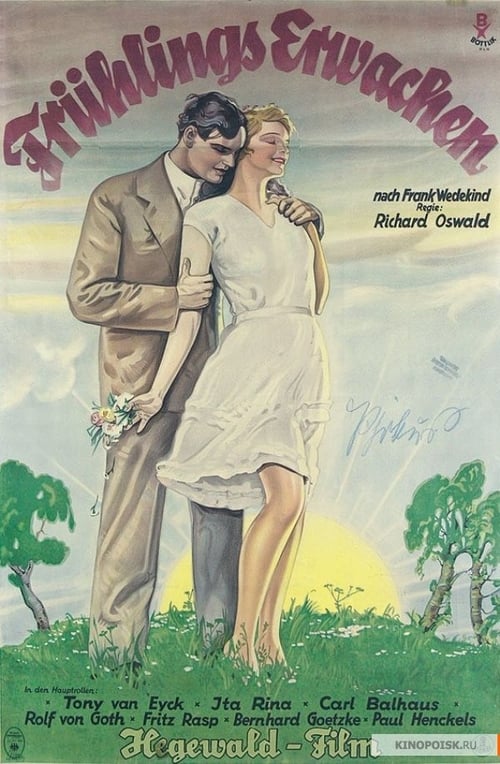
Moritz Stiefel faces expulsion due to poor marks. When he is caught with an essay titled “Shame and Lust”, he is indeed kicked out – instead of classmate Melchior Gabor, who actually penned it. Gabor was drawing on his experiences with neighbourhood girl Wendla. Then Wendla turns up pregnant. Stiefel descends into despair ... Exploitation between Eros and Thanatos in this “sexual tragedy of youth” based on Frank Wedekind’s play. Setting the film in the 1920s provided a chance to explore “modern” youth culture, complete with cigarettes, jazz music, the gramophone, and a goodly bit of alcohol. Richard Oswald, a master of films of manners and young sex beginning in the 1910s, fully explores the temptations of the youthful body, even early childhood flirtatiousness. At the same time, with his target audience in mind, the film laments the bigotry and double standards of the adult world.

Spring Awakening

1929Movie