Acting
Boris is an Italian television series created by Luca Manzi and Carlo Mazzotta, initially produced from 2007 to 2010, with a revival season premiered in 2022. The show brings to the stage the behind the scenes of a television set where a troupe is shooting Gli occhi del cuore 2 (The eyes of the heart 2), a satirical portrait of the many fictions airing on the Italian TV networks.
A Late Show with a strong identity that bears the name of Alessandro Cattelan: surprising interviews, monologues, music and guests who face all the challenges, even the most unlikely, but without ever taking themselves seriously.
Is a comedy show where ten professional comedians face off for six hours in a row to keep a straight face, while they try to make their opponents laugh. The first time someone laughs the contestant gets warned, the second time, they get eliminated from the game. Whoever manages to resist without laughing all the way through the six hours wins EUR100,000 to turn over to the charity of their choice.
A patch is something commonly used to cover a hole in a dress. Valerio Lundini is a Roman surrealist comedian, who is called every night to replace a programme that, for various reasons, cannot go on air -- he basically puts "a patch" in a TV schedule. But can he?
Diego is a successful entrepreneur. Rich and not caring for the good of others, no scruples to belittle the next. His attitude turns against him when he forgets in his airport bathroom his latest-generation mobile phone with social profiles, contacts and credit cards.
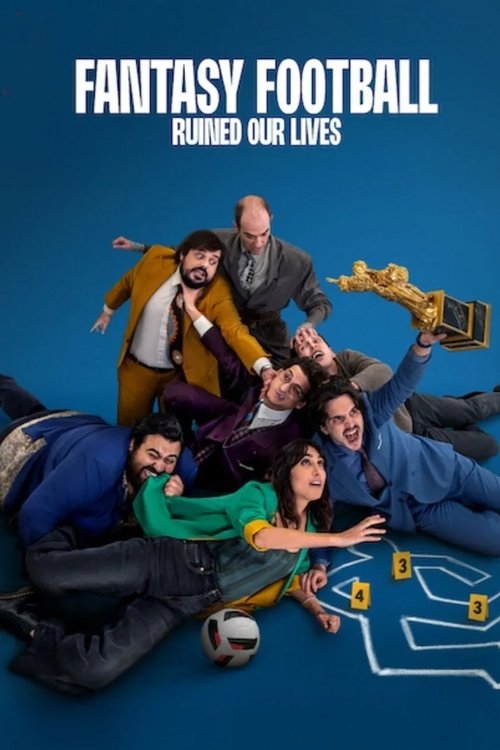
When a member of their fantasy football league vanishes on his wedding day, a motley group of friends recount the lead-up to his chaotic bachelor party.
A bumbling Christmas elf whose Santa's helper job is jeopardized by a complete inability in building toys teams up with a kid harassed by bullies.
No description available.
Reality commented by Gialappa's Band
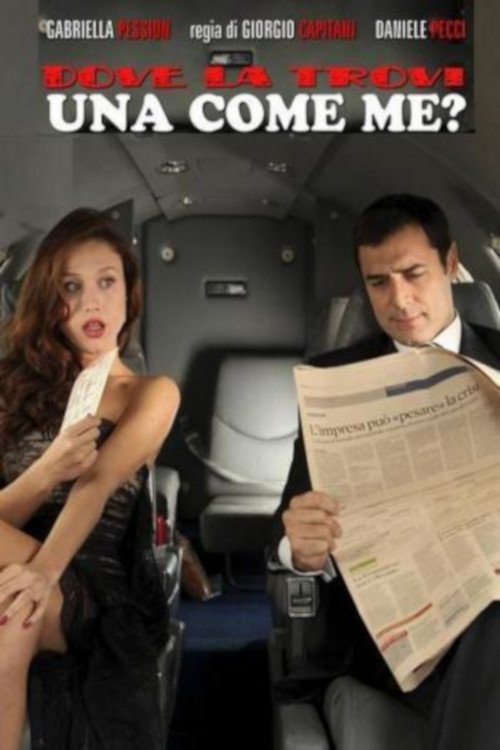
35-year-old Alice has a husband and a son. Her life seems a beautiful dream, but it soon turns out to be a nightmare. Her husband dies in a car accident and her lawyer tells her that she is on her uppers. The only way she has to earn money in a short time is by resorting to the oldest job in history.
Nicola, a policeman in Puglia, is a reformed ladies' man with his heart set on marrying the daughter of the Indian ambassador.
When the kooky tenants of an apartment block experience a sudden and shocking situation, they let their private lives, past secrets and crazy passions intervene as the confessions and absurd twists come thick and fast. Previous lovers, wild accusations, a possible murder and more boil to the surface days before New Year’s Eve, but can they even make it until then?
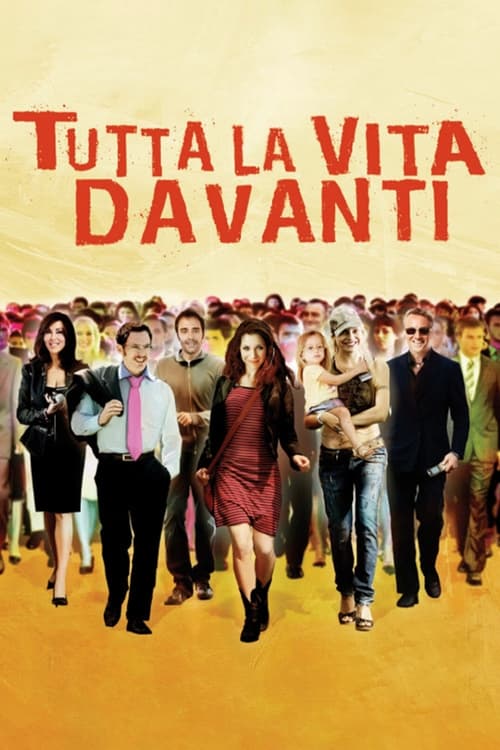
25-year-old philosophy major Marta faces the ugly truth for many young Italians — a complete lack of career opportunities. While babysitting for single mother Sonia, she starts to work as a telemarketer, experiencing first-hand the fanatical and exploitative rat-race culture pushed on employees while quickly rising through the ranks of the company. Around her revolve people like delusional supervisor Daniela, her womanizing boss Claudio, fragile coworker Lucio "2", and well-meaning but inconsistent union rep Giorgio.
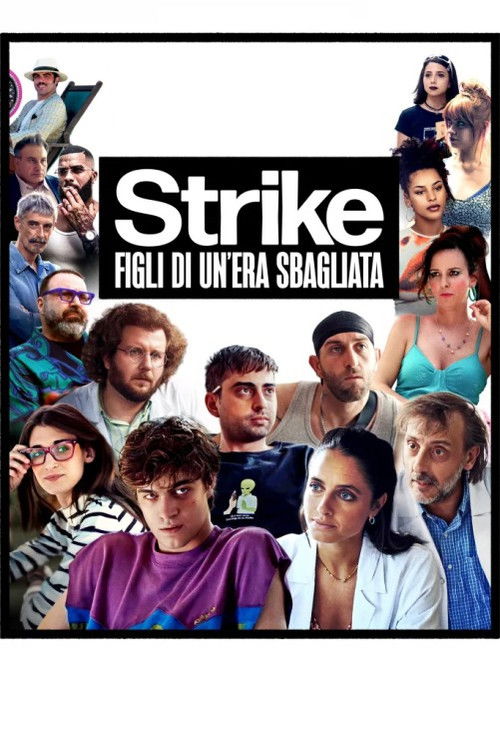
Teenage Elsa has leukemia, and she needs a bone marrow transplant immediately. The only compatible donor? Someone she’s never met and whose name she doesn’t even know: her father. But thanks to Edo, a boy her age she met in the hospital, outgoing and irreverent, she decides to go on and find that man. Apparently, Elsa and Edo have nothing in common except for the illness they both share, but the journey they embark on together will change their lives forever.
ESAMI is a series that recounts the pyrotechnic world of Italian universities. For those who attend it, those who have avoided it, those who have never left it.
At a rehab center, 3 unlikely friends, an awkward psychology student on placement, a misbehaving student, and a reformed troublemaker - bond over hilarious misadventures and heartfelt advice, facing life's challenges together.
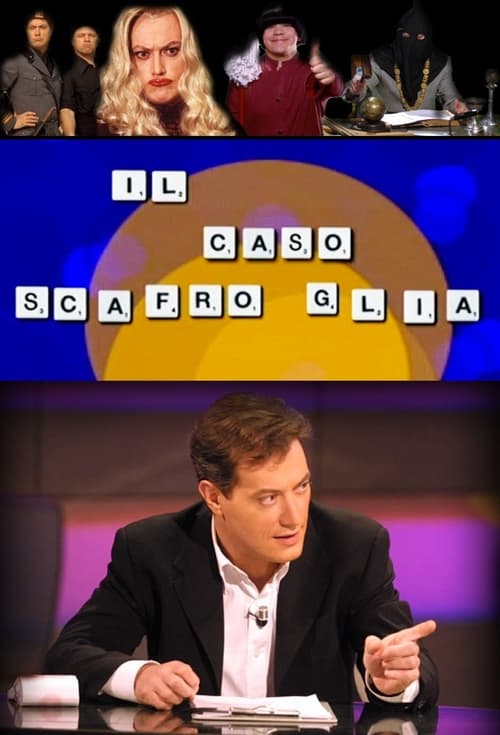
Satirical television program aired from November 4 to December 18, 2002. The transmission was intended to shed light on a case (of course fantasy) of a missing person, Mario Scafroglia. The hypothesis was that the man had voluntarily lost track of himself, which offered in each episode new food for thought to deepen in a satirical way themes of current affairs, politics and costume, in an attempt to understand the reasons that had driven Scafroglia to flee.