Fiorenzo Serra
Acting
Biography
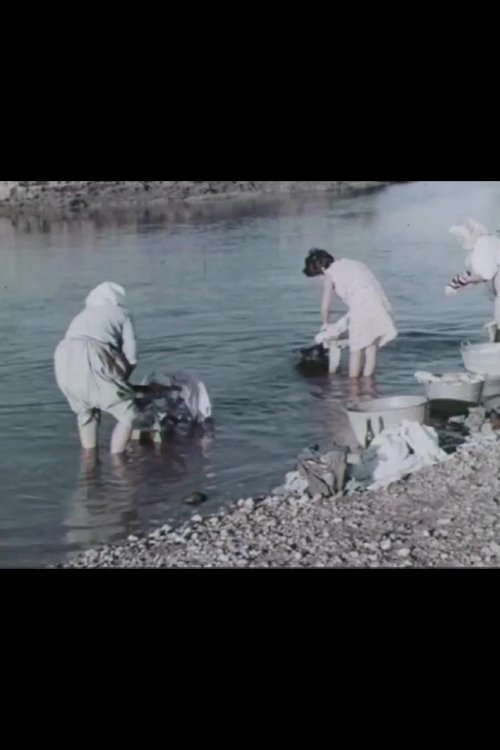
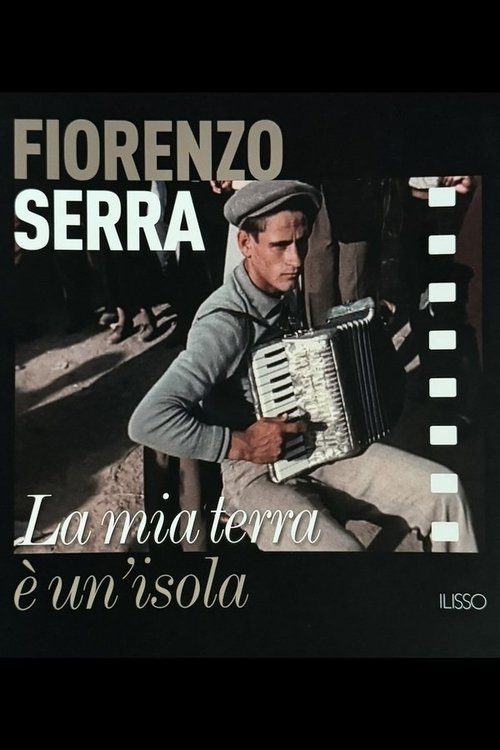
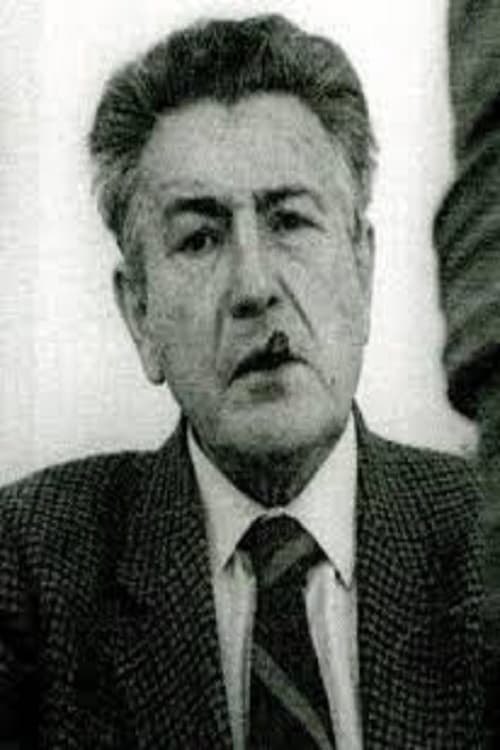
Fiorenzo Serra (3 May 1921, in Porto Torres – 28 September 2005, in Sassari) was an Italian film director and documentarist. He produced 66 movies and documentaries, mainly based on Sardinia's ethnographic, social and cultural themes. He won the Agis Prize for the documentary L'Ultimo Pugno di Terra in 1966, realized together the novelist Giuseppe Dessì and the future Italian minister Giuseppe Pisanu, with the supervision of the screenwriter Cesare Zavattini.
Known For

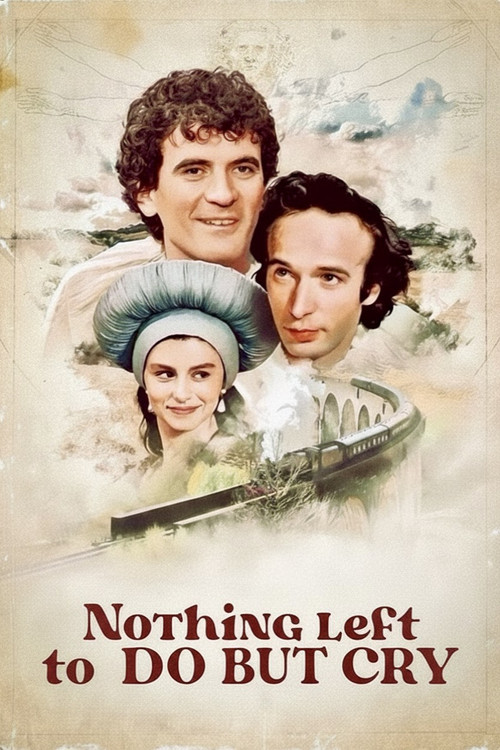
Two 20th-century friends accidentally stumble into the year 1492, where they meet a charming teen and try to alter history.
Nothing Left to Do But Cry

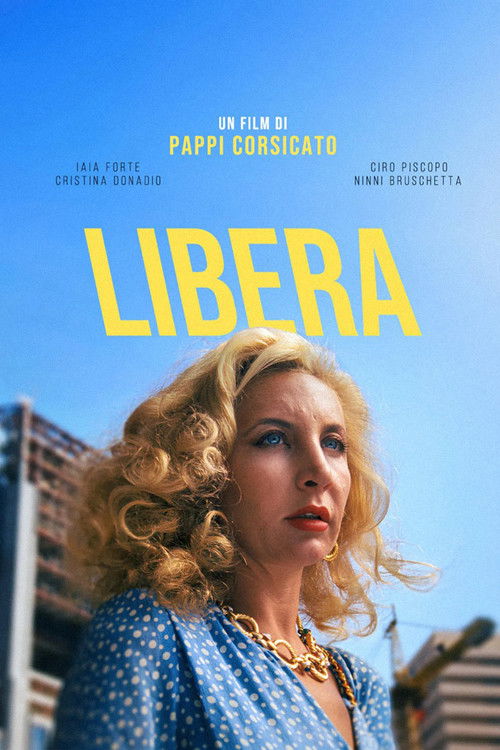
Three episodes. In the first, Aurora lives in a luxurious apartment. Among some workers called to her house, she recognizes an old lover, who returns to courting her, but then empties her house. In the second, a boy released from reform school discovers that his mother is actually his father: a transvestite. In the third, a newsagent, suspecting her husband, who constantly pretends to be ill, is cheating on her, places a video camera in her room. She records his sexual encounters on a videotape that she sells at newsstands. In his directorial debut, Corsicato demonstrates a sharp and poetic talent (he was Almodovar's assistant) in creating three portraits of women that are also portraits of his city, Naples.
Libera

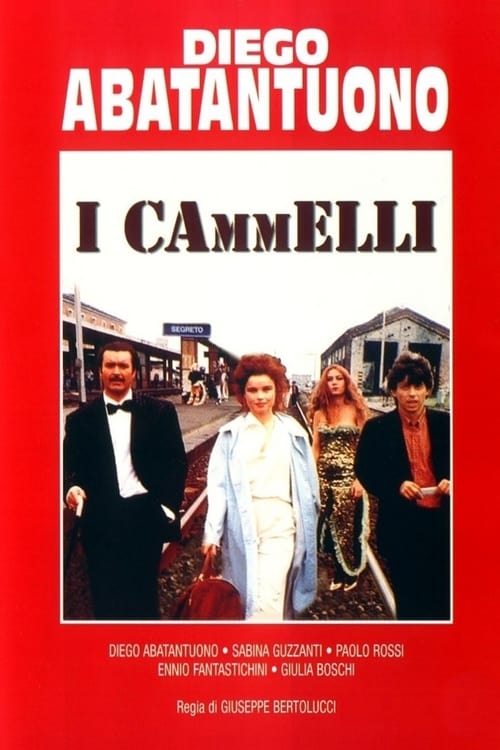
Ferruccio, who knows everything about camels, and Camillo, who acts as his manager, go to Milan to take part in a telequiz.
I cammelli

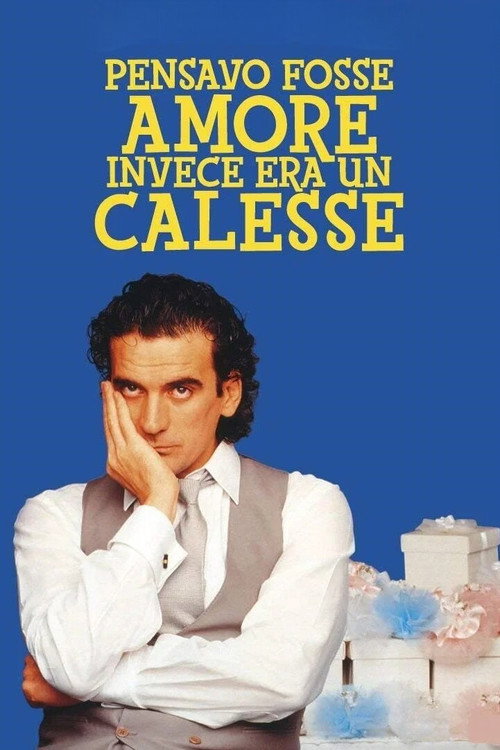
Tommaso goes incredible lengths to win back the love of his former girlfriend Cecilia, but sometimes things change in the most unexpected way.
I Thought It Was Love

The impossible love between one prostitute, managing a bunch of handicapped prostitutes, and the homosexual Adamo. In the horrible suburb of Napoli we can follow among fantasy, mythology and reality the absurd life of the protagonists.
Black Holes

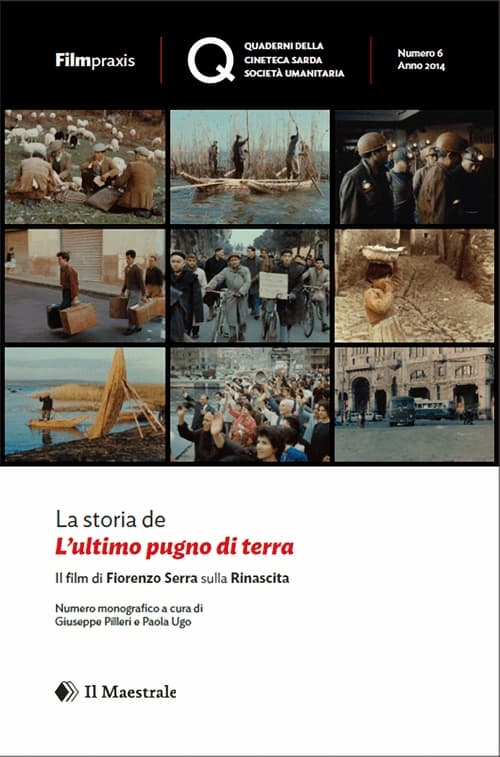
'L'ultimo pugno di terra' (The Last Fistful of Land) is a 1966 documentary film directed by Fiorenzo Serra about the anguish and instability of the lower classes in a destitute Sardinia. Originally commissioned by the Sardinian regional government as a celebratory piece on the 'miraculous' effects of the 'Piano di Rinascita della Sardegna' (Sardinia's Rebirth Plan), the film instead shows an island still 'standing still in time', barely affected by the painful oxymoron of the inevitable changes taking place.
The Last Fistful of Land

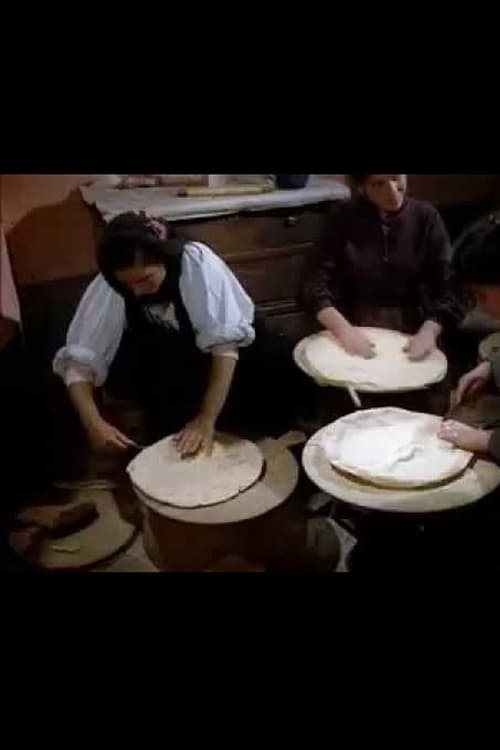
Filming took place in the fall of 1962 in various locations in Barbagia, Sardinia, but above all in Oliena, where the entire carasau bread processing cycle was filmed.
Il pane dei pastori

During a debate in Naples' town hall in the early 1980s, Pasquale Picone, a former steel-worker who has recently lost his job, sets himself on fire in front of the Municipal Council.
Where's Picone?

No description available.
Un feudo d'acqua

No description available.
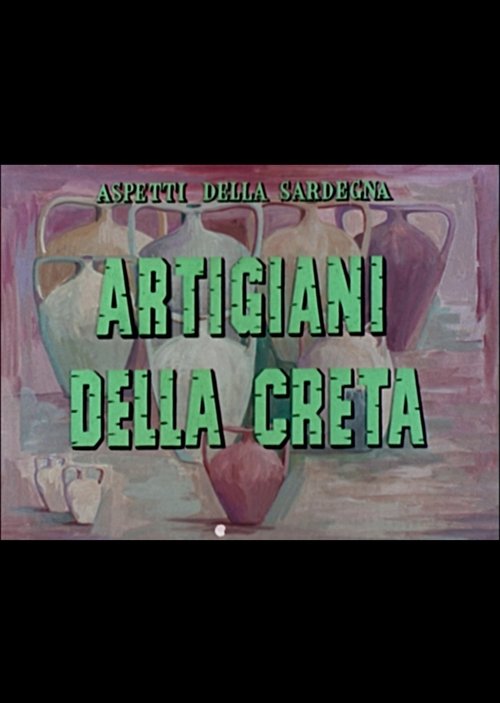
Nei paesi dell'argilla (Aspetti di Sardegna n. 2)

No description available.
I Merdules di Ottana

No description available.
Nel Golfo del corallo

No description available.
Desulo

No description available.
Il regno del silenzio

No description available.
Pescatori di corallo (Aspetti di Sardegna n. 5)

No description available.
Una pianura di sole

No description available.
Costa nord (Aspetti di Sardegna n. 1)

No description available.
Feste della Barbagia (Aspetti di Sardegna n. 6)

No description available.
I cavallini della Giara

No description available.