Acting
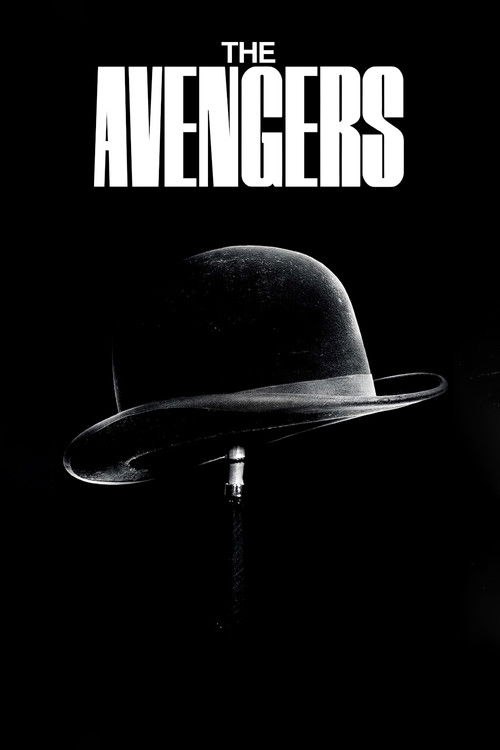
A quirky spy show of the adventures of eccentrically suave British Agent John Steed and his predominantly female partners. Jonathan Steed - an urbane, proper gentleman spy - teams with various assistants throughout the series' run, including Dr. David Keel, Cathy Gale, Emma Peel and Tara King, to repeatedly save the world from diabolical schemes plotted by equally diabolical evil-doers (among them robots and man-eating monsters).
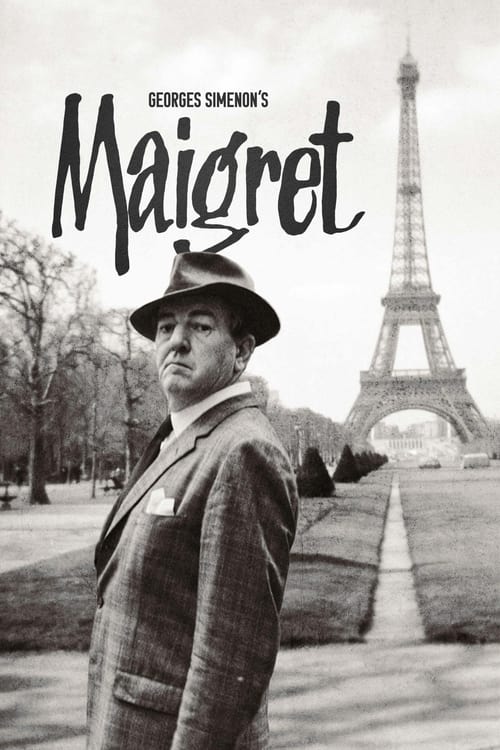
BBC series based on the novels by Georges Simenon which starred Rupert Davies as Inspector Maigret, a French police detective who preferred to watch and listen in order to solve crimes. The series ran from 1960-63 on British television.
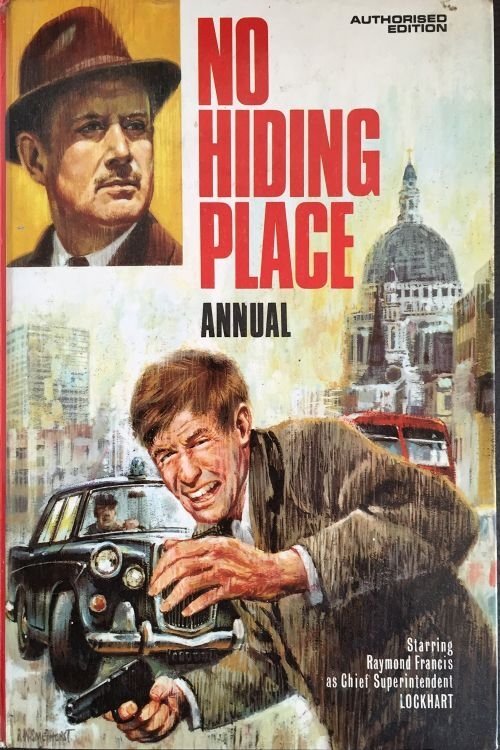
No Hiding Place is a British television series that was produced at Wembley Studios by Associated-Rediffusion for the ITV network between 16 September 1959 and 22 June 1967. It was the sequel to the series Murder Bag and Crime Sheet, all starring Raymond Francis as Detective Superintendent, later Detective Chief Superintendent Tom Lockhart.
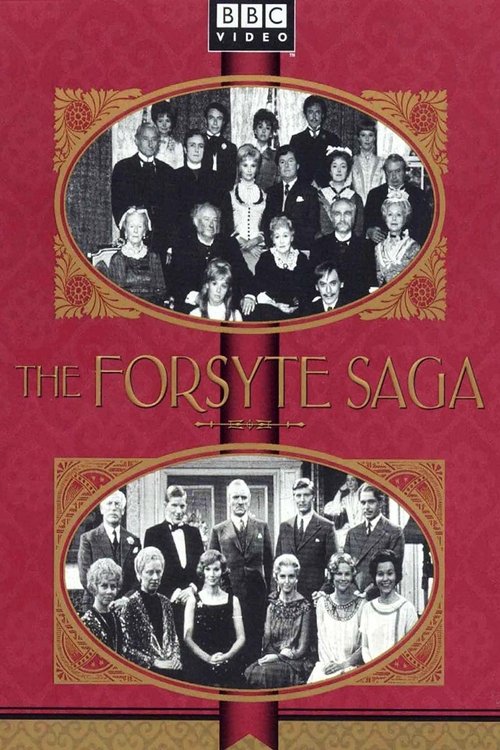
The Forsyte Saga is a 1967 BBC television adaptation of John Galsworthy's series of The Forsyte Saga novels, and its sequel trilogy A Modern Comedy. The series follows the fortunes of the upper middle class Forsyte family, and stars Eric Porter as Soames, Kenneth More as Young Jolyon and Nyree Dawn Porter as Irene. It was adapted for television and produced by Donald Wilson and was originally shown in twenty-six episodes on Saturday evenings between 7 January and 1 July 1967 on BBC2, at a time when only a small proportion of the population had television sets able to receive this channel. It was therefore the repeat on Sunday evenings on BBC1 starting on 8 September 1968 that secured the programme's success with 18 million tuning in for the final episode in 1969. It was shown in the United States on public television and broadcast all over the world, and became the first BBC television series to be sold to the Soviet Union.
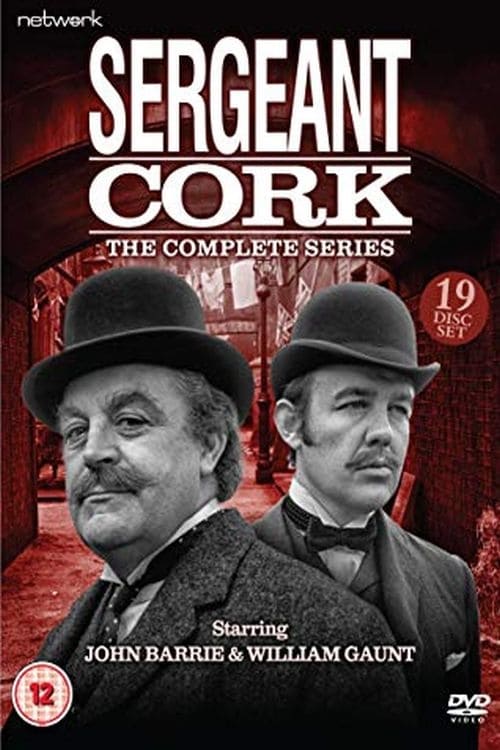
Sergeant Cork is a British detective television series which first aired between 1963 and 1968 on ITV. It was a police procedural show that followed the efforts of two police officers and their battle against crime in Victorian London. In all 66 hour-long episodes were aired during the five-year run, although the last episode was not broadcast until January 1968, 16 months after the others. Journalist Tom Sutcliffe has credited it as a first example of the use of the Victorian-era policeman in a television crime series. A 1969 review in The Age opined that rather than suspense, the strengths of the series were its "excellent period settings and wonderfully thick pea-soupers" which "add up to splendid evocative stuff", as well as the performance of star John Barrie. At no time during the whole series is Sergeant Cork's first name given.
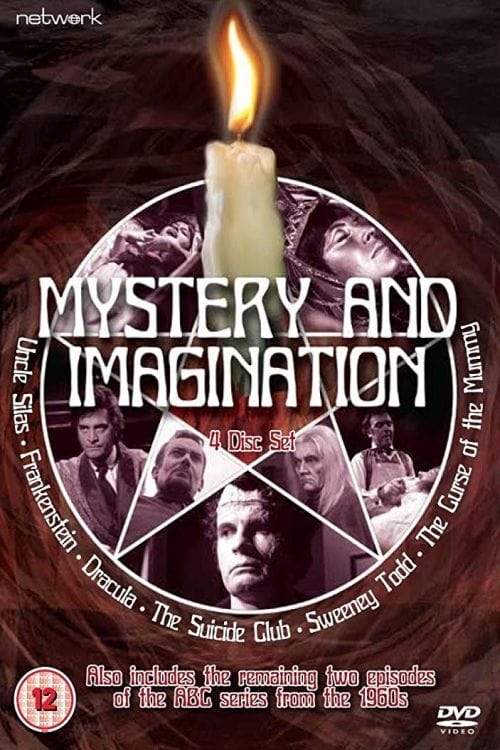
Mystery and Imagination is a British television anthology of classic horror and supernatural dramas. Five series were broadcast from 1966 to 1970 on ITV and produced by ABC and Thames Television.
At a national park in Kenya, English game warden George Adamson and his wife, Joy, care for three orphaned lion cubs. After the two larger lions are shipped off to a zoo in the Netherlands, the smallest of the three, Elsa, stays with the couple. When Elsa is blamed for causing an elephant stampede in the nearby village, head warden John Kendall demands the young lion either be trained to survive in the wilds of the Serengeti or be sent to a zoo.
Lord Raingo is the fictional protagonist and title character of the 1926 novel Lord Raingo by English author Arnold Bennett, portraying a self-made millionaire elevated to the peerage for his contributions to Britain's World War I propaganda efforts. Sam Raingo, born to humble origins, amasses wealth as a promoter before being appointed Minister of Propaganda, where his innovative approaches to information control aid the war machine, culminating in his ennoblement despite his outsider status among the political elite
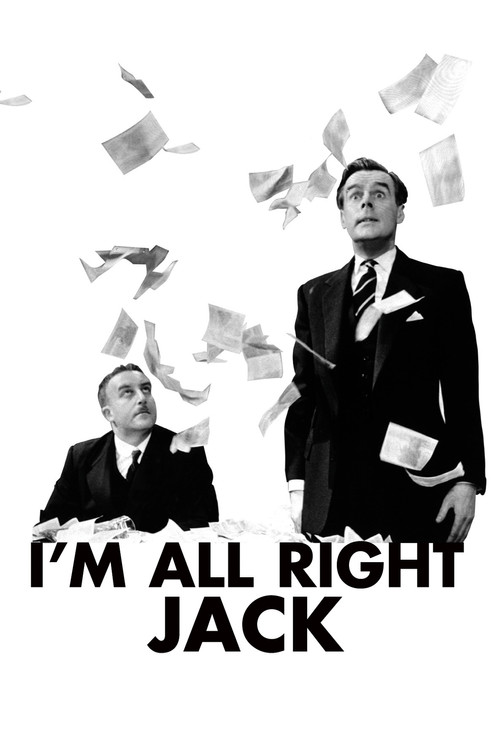
Naive Stanley Windrush looks for a career in a family business. Much to his dismay, he finds work at a munitions factory where he has to start from the bottom, while both the management and the labor union use him as a tool in their fight for power.
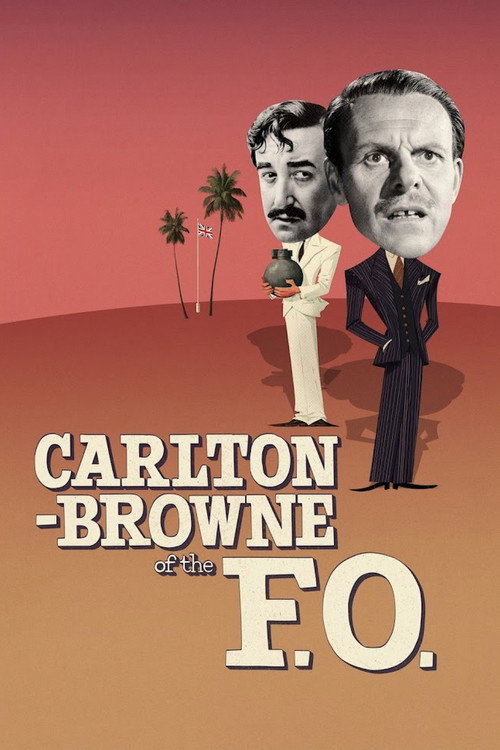
Great Britain has had an international agreement for the last 50 years with a small pacific island. It has been ignored until the death of their king brings it to the attention of the Foreign Office in Whitehall. They decide to send Cadogan de Vere Carlton-Browne to re-establish friendly relations.
Colonel Mortimer returns to his family after a long spell in India to find his young son in bed ill, and tormented by a wailing voice... but is it in the boy's imagination or not?