FEEL IT.STREAM
Paul Winchell

Paul Winchell

Acting

Biography

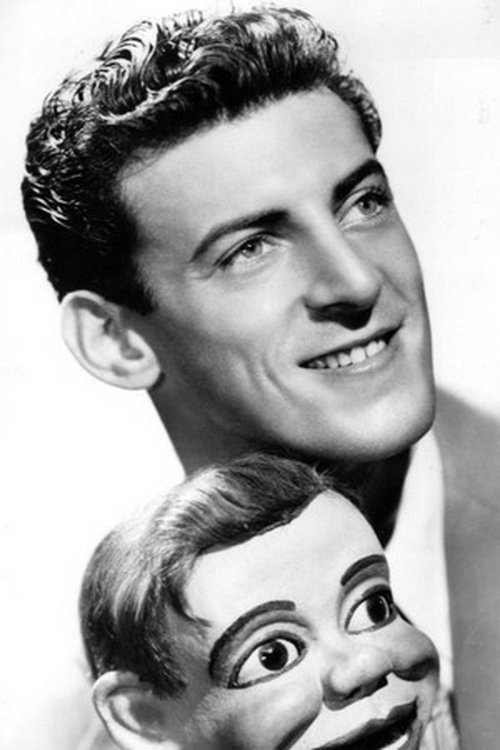
Born Paul Wilchinsky on December 21, 1922, the son of Sol and Clara Wilchinsky, Paul Winchell grew up to be the most beloved ventriloquist of American children. Ironically, as famous as Paul was, his dummy, Jerry Mahoney, was probably more famous. Not since Edgar Bergen and Charlie McCarthy in the previous two decades had a ventriloquist and his dummy known equal celebrity. Entering the spotlight on the Edward Bowes "Original Amateur Hour" (1948), he began working soon after in a review show in which Major Bowes would showcase the winners of his radio program. He started his television career on the CBS program The Bigelow Show (1948) in 1948; The Paul Winchell Show (1950), originally called "The Spiedel Show," in 1950; and, finally, the best-known of his shows Winchell-Mahoney Time (1965). With a clubhouse premise, his dummies Jerry Mahoney and Knucklehead Smiff--another of Paul's characters--as the clubhouse leaders, and the music of the bandleader Milton Delugg. A new innovation of Winchell's was to replace the dummy's hands with those of puppeteers who were hidden behind the dummies in a crate. Winch also played many serous dramatic roles on television without his dummy sidekicks. What may be even more famous is that he created the voice of Tigger for the Walt Disney Company's "Winnie The Pooh" motion-picture series, based on the famous books by A.A. Milne. He played the role behind the scenes until 1999, when he was replaced by Jim Cummings, who also voiced Pooh from the time that Sterling Holloway died. He was also the voice of many other world-famous cartoon characters. A little-known fact about Winchell is that he was one of the original inventors of an artificial heart--years before the first successful transplant with such of a device--an automobile that runs on battery power, a method for breeding tilapia, and many other inventions that are still around today. - IMDb Mini Biography By: MeanDean
Known For

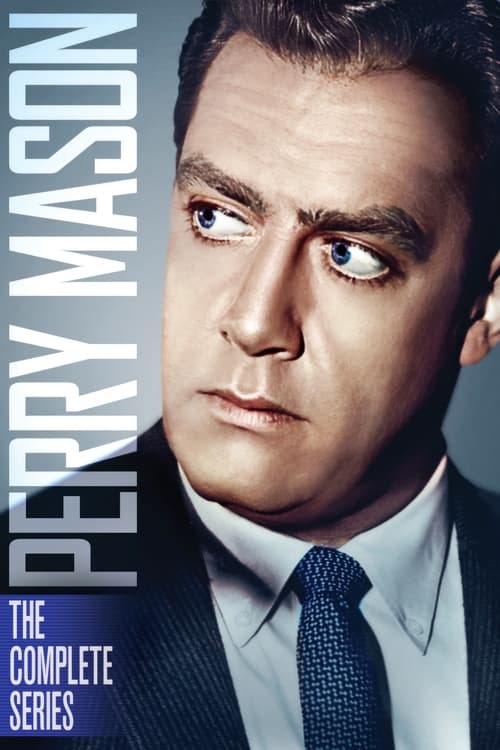
Perry Mason
7.7

The cases of master criminal defense attorney Perry Mason and his staff who handled the most difficult of cases in the aid of the innocent.

Perry Mason

1957
The Mike Douglas Show
5.8

The Mike Douglas Show is an American daytime television talk show hosted by Mike Douglas that originally aired only in the Cleveland area during much of its first two years on the air. It then went into syndication in 1963 and remained on television until 1982. It was distributed by Westinghouse Broadcasting and for much of its run, originated from studios of two of the company's TV stations in Cleveland and Philadelphia.

The Mike Douglas Show

1961
Garfield and Friends
7.3

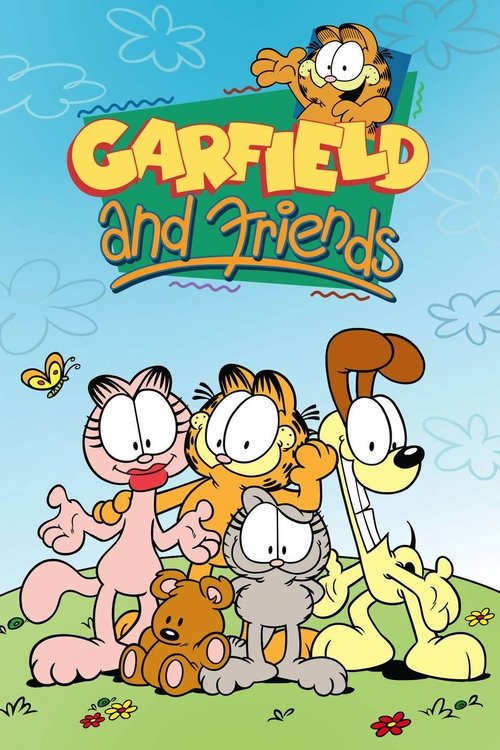
The animated stories of Garfield the cat, Odie the dog, their owner Jon and the trouble they get into. And also Orson the Pig and his adventures on a farm with his fellow farm animals.

Garfield and Friends

1988
Love, American Style
6.1

An anthology comedy series featuring a line up of different celebrity guest stars appearing in anywhere from one, two, three, and four short stories or vignettes within an hour about versions of love and romance.

Love, American Style

1969
The Smurfs
7.0

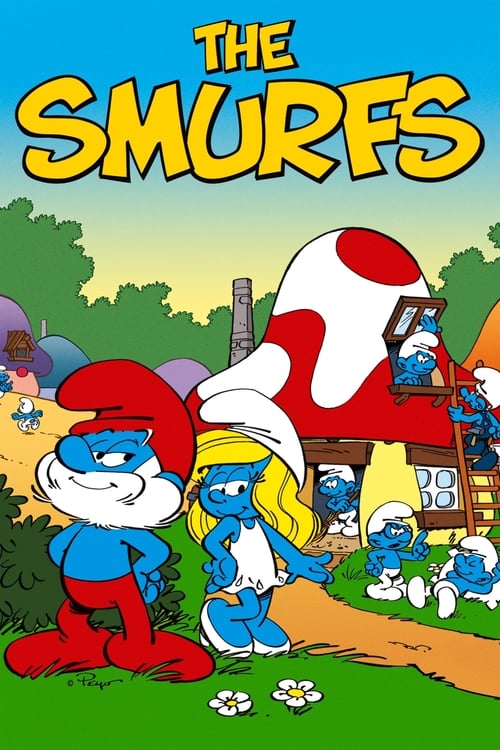
Classic Saturday-morning cartoon series featuring magical blue elf-like creatures called Smurfs. The Smurfs, named for their personalities, inhabit a village of mushroom houses in an enchanted forest. These loveable creatures are led by Papa Smurf and live carefree... except for one major threat to their existance: Gargamel, an evil but inept wizard who lives in a stone-built house in the forest; and his feline companion, the equally nasty Azrael.

The Smurfs

1981
What's My Line?
7.0

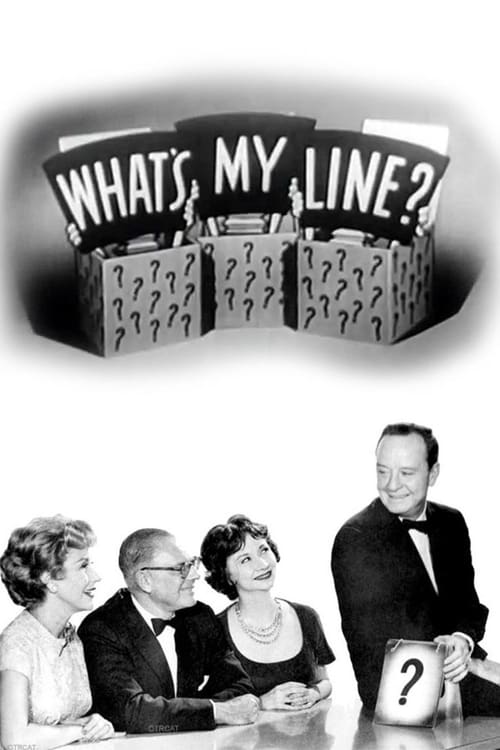
Four panelists must determine guests' occupations - and, in the case of famous guests, while blindfolded, their identity - by asking only "yes" or "no" questions.

What's My Line?

1950
The Beverly Hillbillies
6.9

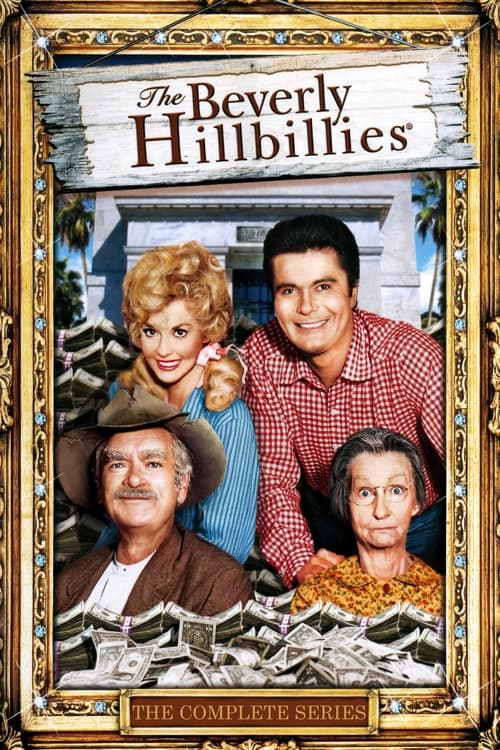
Jed Clampett's swamp is loaded with oil. When a wildcatter discovers the huge pool, Jed sells his land to the O.K. Oil Company and at the urging of cousin Pearl, moves his family to a 35-room mansion in Beverly Hills, California.

The Beverly Hillbillies

1962
The Lucy Show
7.1

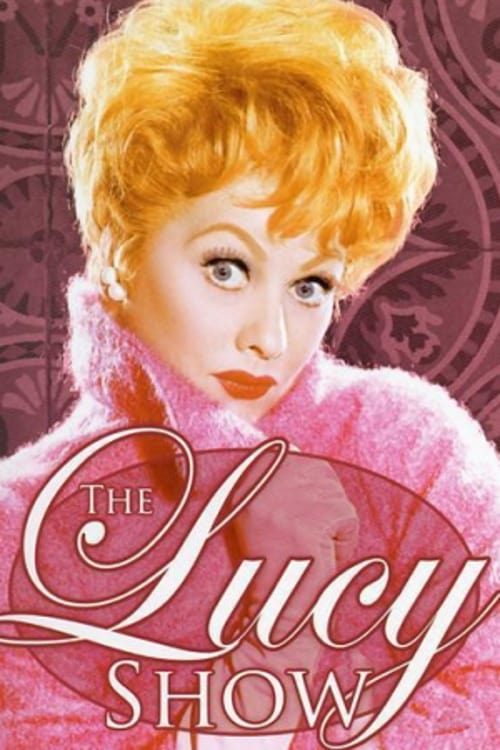
The Lucy Show is an American sitcom that aired on CBS from 1962–68. It was Lucille Ball's follow-up to I Love Lucy. A significant change in cast and premise for the 1965–66 season divides the program into two distinct eras; aside from Ball, only Gale Gordon, who joined the program for its second season, remained. For the first three seasons, Vivian Vance was the co-star. The earliest scripts were entitled The Lucille Ball Show, but when this title was declined, producers thought of calling the show This Is Lucy or The New Adventures of Lucy, before deciding on the title The Lucy Show. Ball won consecutive Emmy Awards as Outstanding Lead Actress in a Comedy Series for the series' final two seasons, 1966–67 and 1967–68.

The Lucy Show

1962
The Donna Reed Show
6.5

Revolves around typical family problems, such as firing a clumsy housekeeper, throwing a retirement bash for a colleague, and finding quality time away from the children.

The Donna Reed Show

1958
The New Adventures of Winnie the Pooh
7.7

An American animated children's television series inspired by A. A. Milne's Winnie-the-Pooh stories.

The New Adventures of Winnie the Pooh

1988
The Ed Sullivan Show
6.8

The Ed Sullivan Show is an American TV variety show that originally ran on CBS from Sunday June 20, 1948 to Sunday June 6, 1971, and was hosted by New York entertainment columnist Ed Sullivan. It was replaced in September 1971 by the CBS Sunday Night Movie, which ran only one season and was eventually replaced by other shows. In 2002, The Ed Sullivan Show was ranked #15 on TV Guide's 50 Greatest TV Shows of All Time.

The Ed Sullivan Show

1948
77 Sunset Strip
7.1

Stu Bailey and Jeff Spencer are the wisecracking, womanizing private-detective heroes of this Warner Brothers drama. They work out of an office located at 77 Sunset Strip in Los Angeles, California, right next door to a snazzy restaurant where Kookie works as a valet. The finger-snapping, slang-talking Kookie occasionally helps Stu and Jeff with their cases, and eventually becomes a full-fledged member of the detective agency. Rex Randolph and J.R. Hale also join the firm, and Suzanne is their leggy secretary.

77 Sunset Strip

1958
Here's Lucy
6.7

No description available.

Here's Lucy

1968
The Colgate Comedy Hour
6.9

The Colgate Comedy Hour is an American comedy-musical variety series that aired live on the NBC network from 1950 to 1955. The show starred many notable comedians and entertainers of the era, including Eddie Cantor, Dean Martin and Jerry Lewis, Fred Allen, Donald O'Connor, Bud Abbott and Lou Costello, Bob Hope, Jimmy Durante, Ray Bolger, Gordon MacRae, Ben Blue, Robert Paige, Tony Curtis, Burt Lancaster, Broadway dancer Wayne Lamb and Spike Jones and His City Slickers.

The Colgate Comedy Hour

1950
Disney's Adventures of the Gummi Bears
7.4

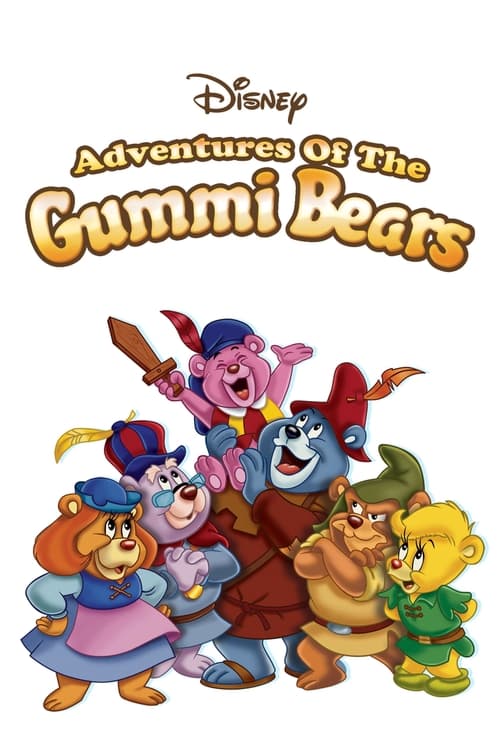
Join the world’s sweetest heroes for high adventure in a mystical land of giants and wizards, ogres and dragons, and wondrous creatures both good and evil. Meet Gruffi, Zummi, Cubbi, Grammi, Tummi, Sunni, and all the legendary Gummis as they laugh, play, foil dastardly plots, and fight for what's right.

Disney's Adventures of the Gummi Bears

1985
The Jetsons
7.3

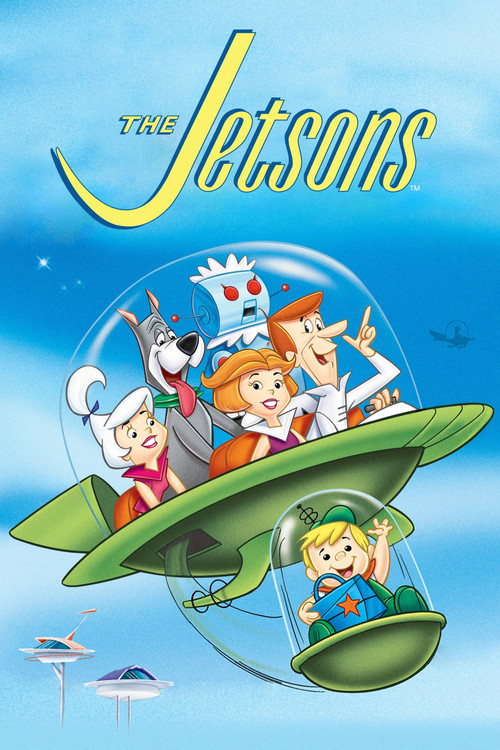
Meet George Jetson and his quirky family: wife Jane, son Elroy and daughter Judy. Living in the automated, push-button world of the future hasn't made life any easier for the harried husband and father, who gets into one comical misadventure after another!

The Jetsons

1962
Lights Out
6.0

Lights Out was an extremely popular American old-time radio program, an early example of a network series devoted mostly to horror and the supernatural, predating Suspense and Inner Sanctum. Versions of Lights Out aired on different networks, at various times, from January 1934 to the summer of 1947 and the series eventually made the transition to television. In 1946, NBC Television brought Lights Out to TV in a series of four specials, broadcast live and produced by Fred Coe, who also contributed three of the scripts. NBC asked Cooper to write the script for the premiere, "First Person Singular", which is told entirely from the point of view of an unseen murderer who kills his obnoxious wife and winds up being executed. Variety gave this first episode a rave review ("undoubtedly one of the best dramatic shows yet seen on a television screen"), but Lights Out did not become a regular NBC-TV series until 1949.

Lights Out

1949
Dastardly and Muttley in Their Flying Machines
7.0

Dick Dastardly and his snickering canine co-pilot Muttley plot to stop Yankee Doodle Pigeon aboard their World War I flying machines.

Dastardly and Muttley in Their Flying Machines

1969
The Brady Bunch
6.7

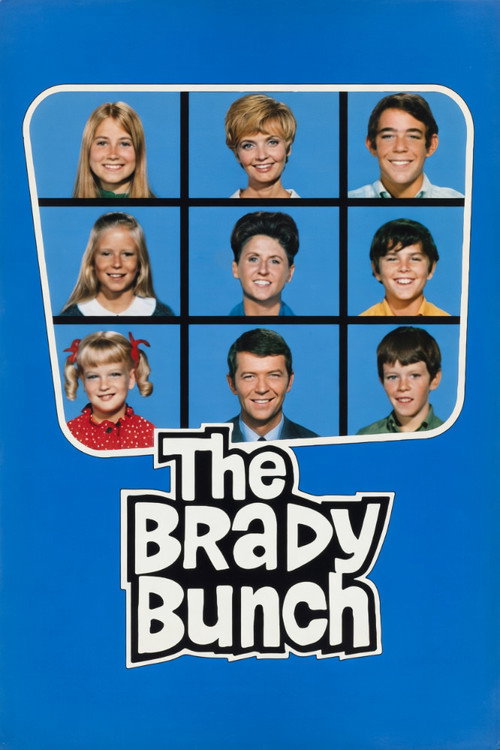
When widower Mike Brady marries a lovely lady widow Carol Ann, their two families become one. These are the misadventures of this new couple, their six children, a dog named Tiger, and quirky housekeeper Alice.

The Brady Bunch

1969
Rowan & Martin's Laugh-In
6.7

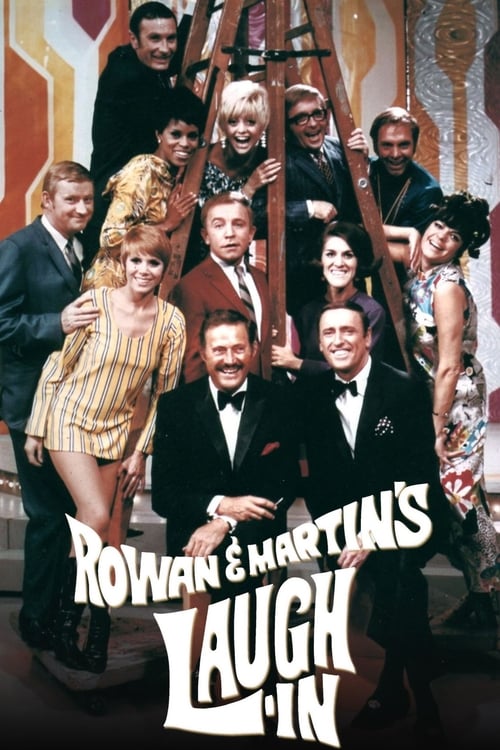
An American sketch comedy television program hosted by comedians Dan Rowan and Dick Martin.

Rowan & Martin's Laugh-In

1968