Writing
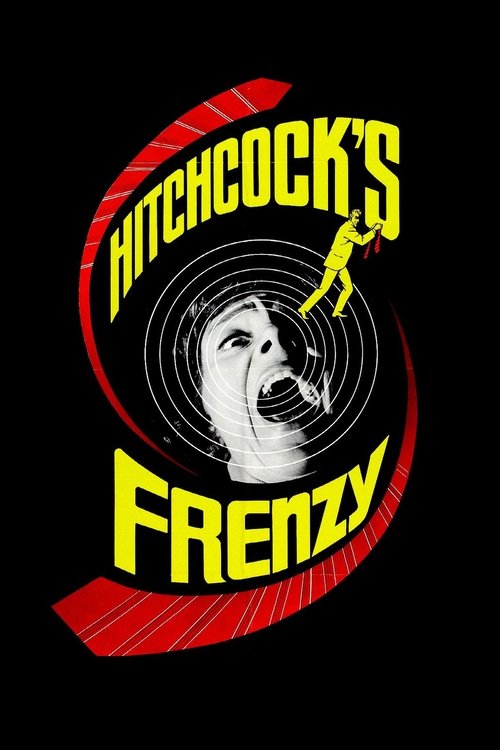
London is terrorized by a vicious sex killer known as The Necktie Murderer. Following the brutal slaying of his ex-wife, down-on-his-luck Richard Blaney is suspected by the police of being the killer. He goes on the run, determined to prove his innocence.
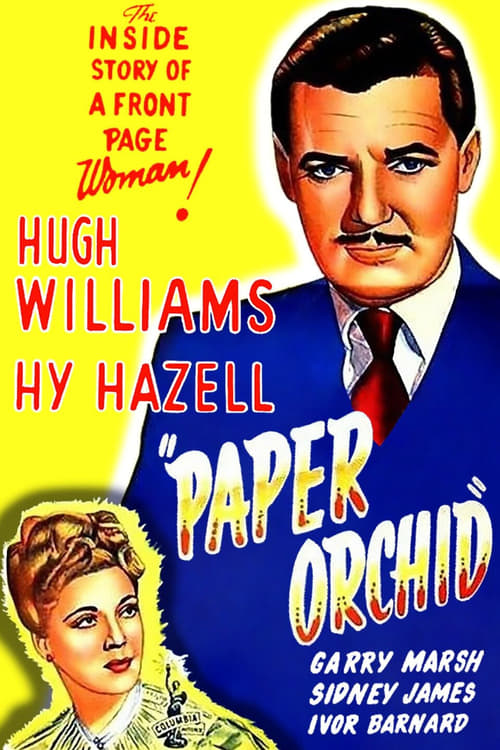
Paper Orchid is a 1949 British crime film directed by Roy Ward Baker, with a script written by Val Guest. It featured Hugh Williams, Hy Hazell and Garry Marsh. It is perhaps most notable for an early film appearance of Sid James, later to find success through the Carry On series.
A gang of jewel thieves rob a house which has just become empty following the recent death of it's rich lady owner. The robbery is not a complete success and one of the gang hides the jewels in the house as he's about to be captured. Later the house is put up for sale and events lead the estate agent to conclude that the jewels may still be there.
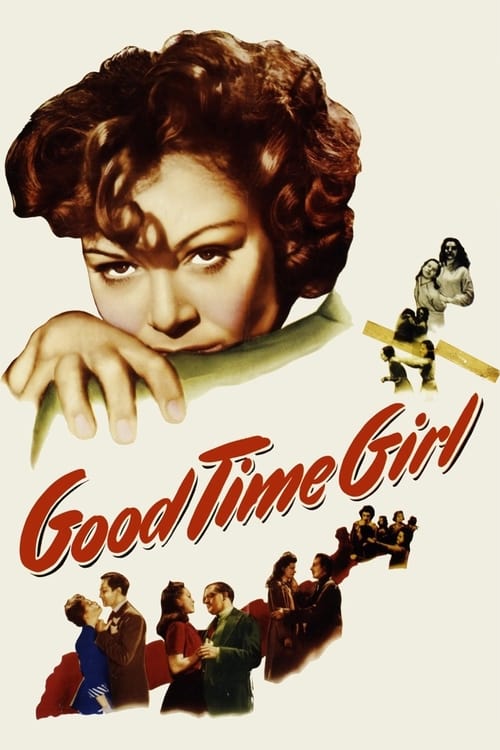
Sent to a home for "problem" girls, incipient juvenile delinquent Gwen receives a crash course in petty crime. Back on the outside, she falls in with the usual bad crowd, and suffers spectacularly as a result.
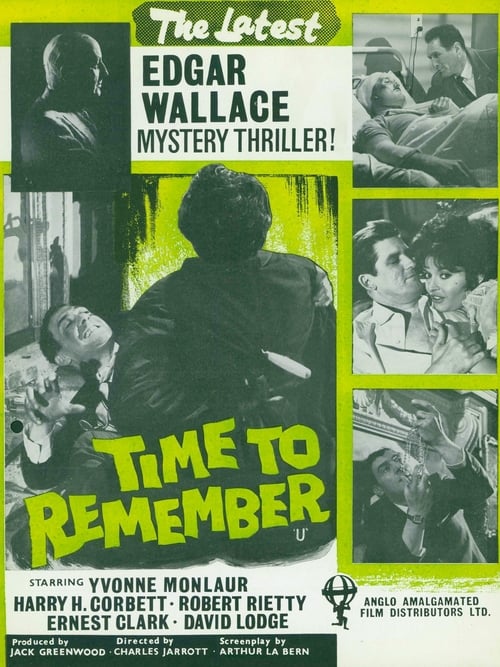
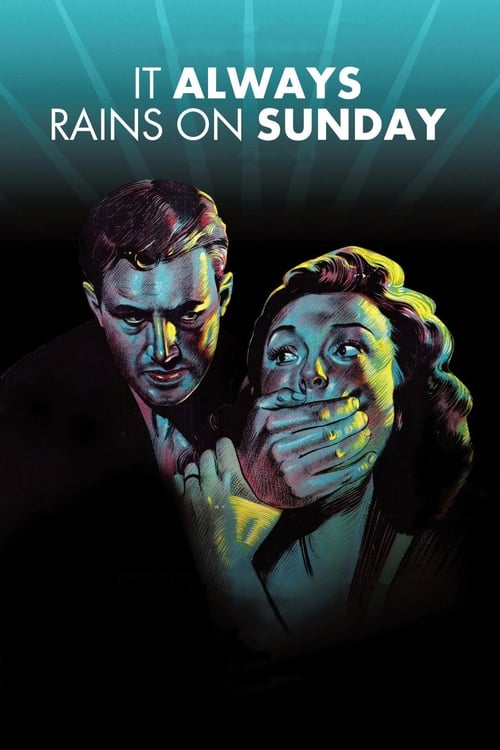
During a rainy Sunday afternoon, an escaped prisoner tries to hide out at the home of his ex-fiance.
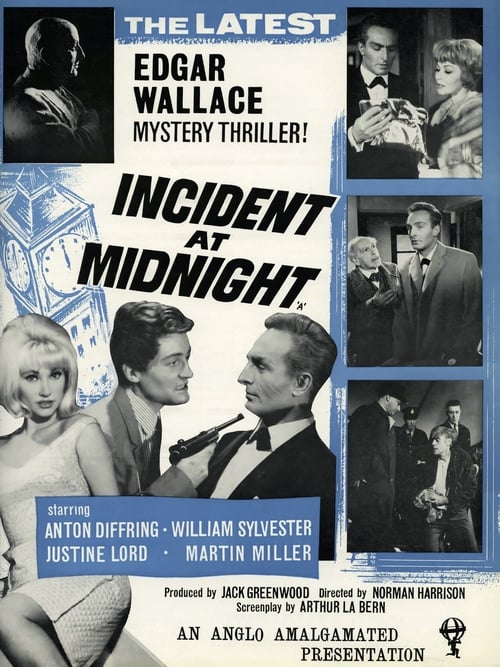
In a late night chemist a shot bank robber has been taken for treatment, and to rendezvous with the gang leader.
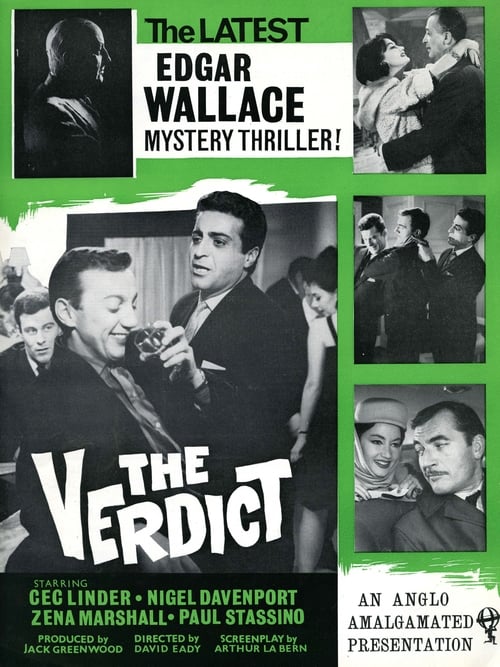
A racketeer, deported back from America, faces murder charge and hatches jury rigging plot with accomplice. Cross and double-cross follow.
Paul Maxwell plays Craig Owen, an incarcerated criminal whose cellmate holds the secret to the valuable contents within a safe deposit box. When the cellmate dies, Owen breaks out of jail in search of the stash. Unable to open the box, the fugitive abducts Linda (Felicity Young), the dead man's daughter. Tension mounts as the girl plays for time to prevent her own demise.
A man is confronted by a man in his house who declares that he is here to kill him, because he collaborated with the Nazis and caused the death of the intruder's fiancée.