Acting
No description available.
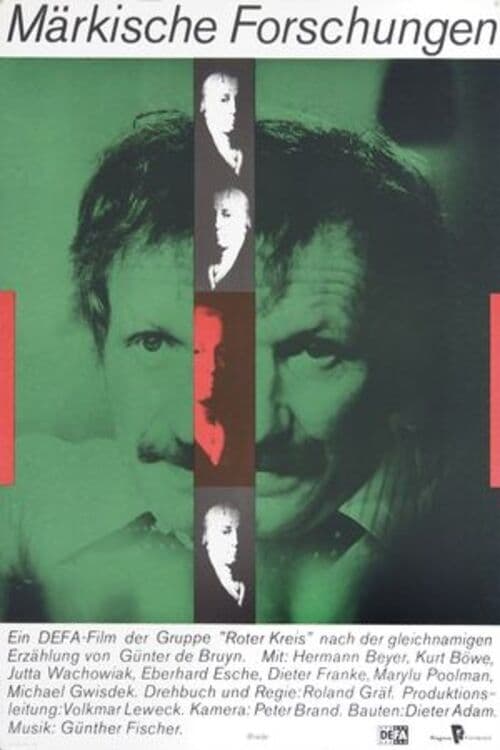
On a forest road in the Brandenburg March, village teacher Potsch accidentally encounters the distinguished Professor Menzel, who got stuck there in his car. In the conversation that ensues, Menzel and Pötsch quickly discover that they both are great admirers of the early 19th-century writer Max von Schwedenow who was born in the area.
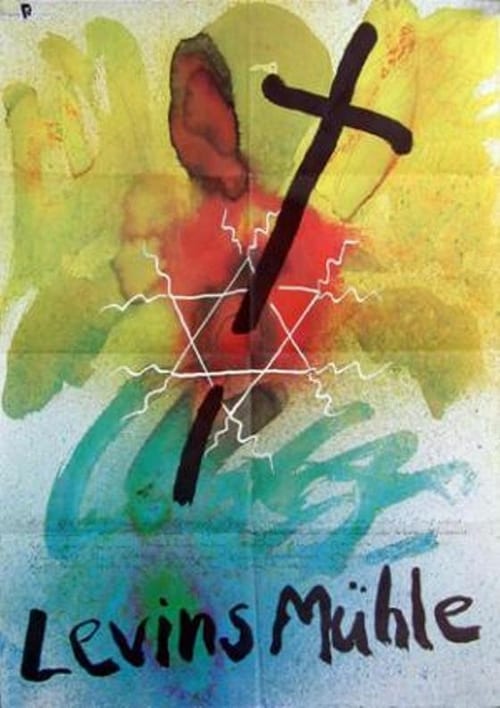
In a small village in West Prussia in the 1870s, Germans, Poles, Gypsies and Jews live together as neighbors. One night Johann, a German mill-owner, secretly opens the dam gates and floods the mill of his Jewish rival Levin. After his business is ruined and his calls for justice go unanswered, Levin leaves town.
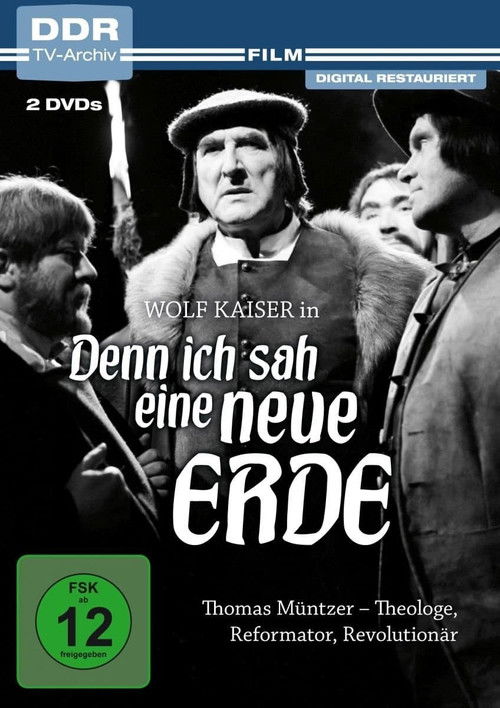
Four-part miniseries about the theologian Thomas Müntzer, who became a revolutionary and opponent of Luther during the Peasant War in 1525.
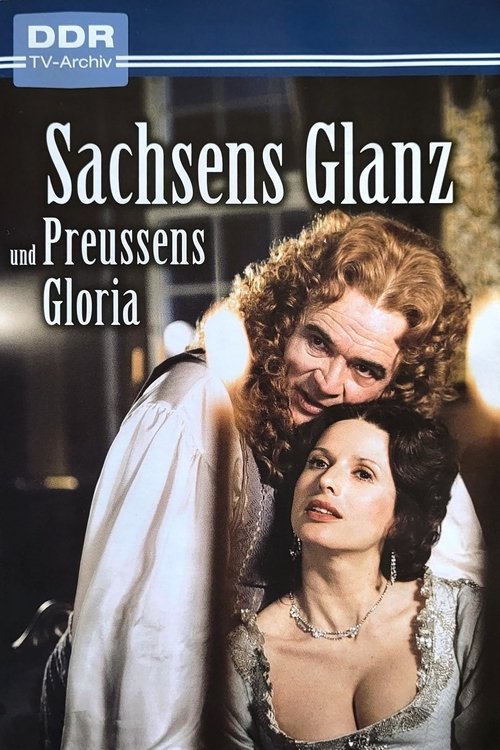
Love, intrigue, favouritism and corruption at the Dresdner Hof.
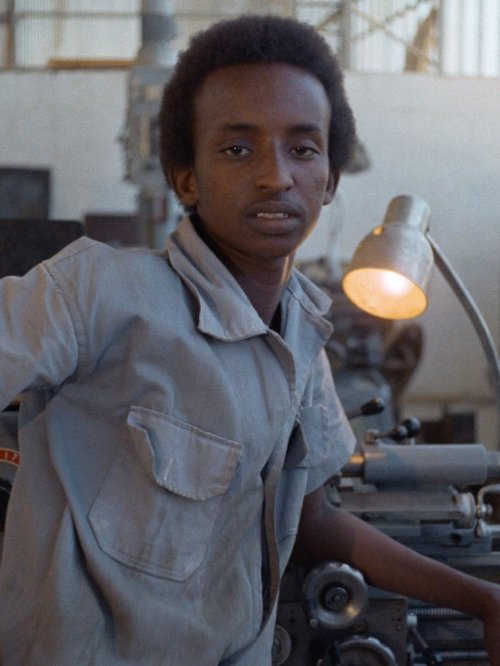
East German documentary short about Somalia in 1976.
At the beginning of the 1960s, a German turns up on behalf of the NATO in the British village of Rocksmouth. NATO wants to establish a naval base in Rocksmouth, but first, the German envoy has to salvage an old ship wreck. In 1942, the "Princess of India" was supposed to bring children to safety in Canada but was sunk by a German submarine at departure. 58 people were killed, most of them children.
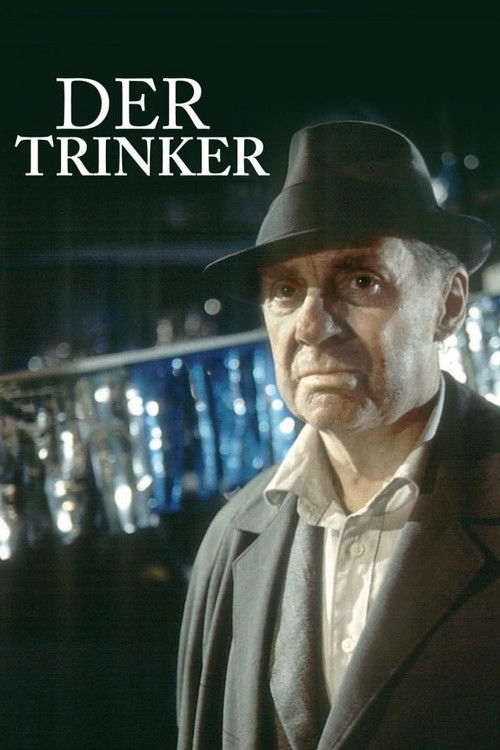
Hans Fallada tells in his published after the war novel "The drinker" the story of the agricultural wholesaler Erwin Sommer, who flees from his narrow bourgeois relations under the burdens of the new times in the kingdom of the king alcohol, whose liberty and independence promises prove a lie - the only truth of the alcohol. On behalf of the WDR television play Ulrich Plenzdorf has adapted Fallada's 1944/45 novel for a film adaptation by Tom Toelle with Harald Juhnke in the main role of Erwin Sommer.
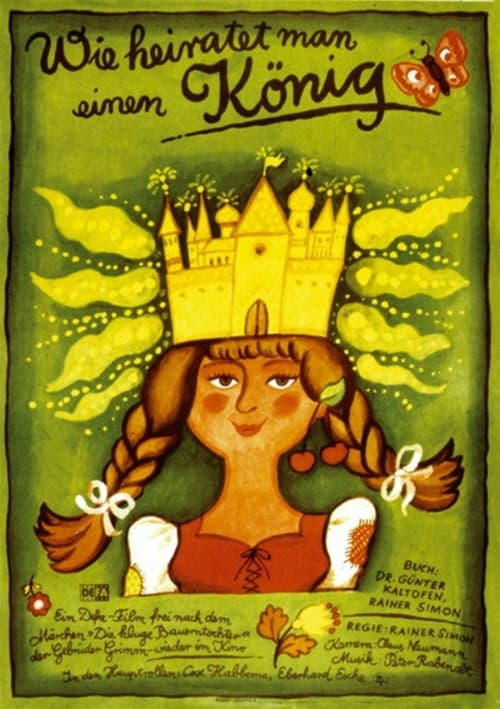
A farmer receives land from the king and discovers a buried golden mortar. He decides to give it to the king out of gratitude, but his clever daughter warns him that the king will surely want him to bring a corresponding pestle as well. When the king throws the farmer into jail for fraud, he bemoans the fact that he did not listen to his daughter.
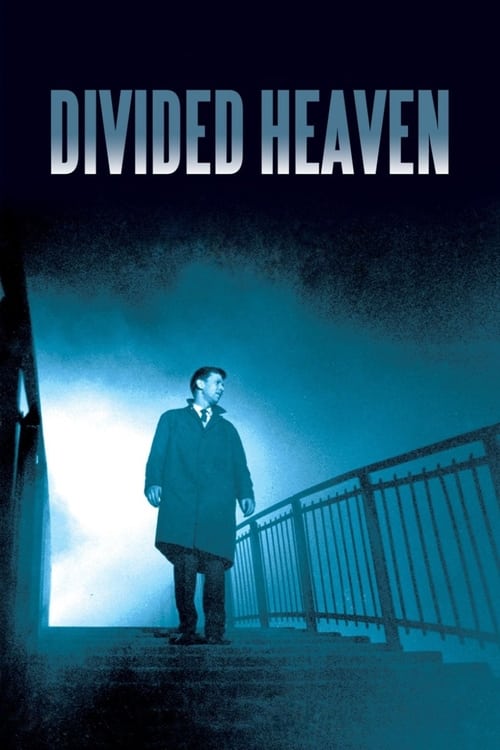
After a breakdown, Rita returns to her childhood village in 1961. As she recovers, she remembers the past two years: her love for the chemist Manfred, ten years her senior; how his enthusiasm about his new chemical process turned to bitter disappointment in the face of official rejection; how he escaped to West Berlin a few weeks before the Wall was built and hoped that she would follow him …
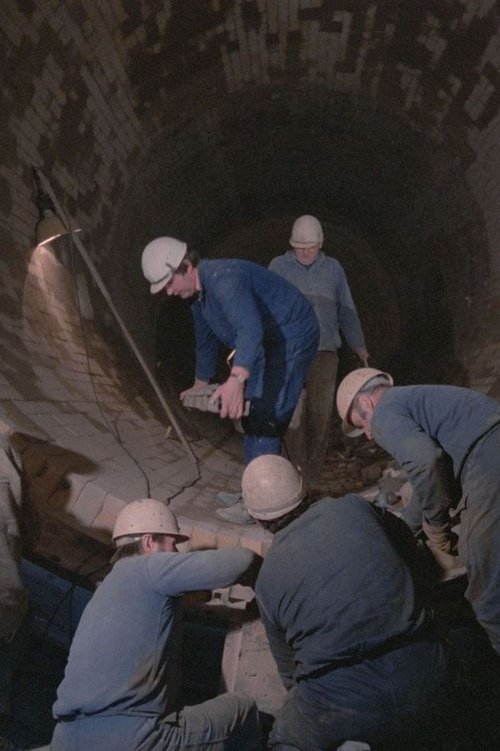
A documentary crew follows the December 1978 “big repair” at the Bernburg (Saale) cement works, normally shut only for maintenance, where management has cut the planned 16-day turnaround to 14, with a 15 000 M bonus (rising to 20 000 M if finished a day early). As cameras roll through cement dust, crew and workers discuss the twice-yearly overhaul, familiar crews, and gritty camaraderie. They learn that chronic spare-parts shortages force constant improvisation, and that bureaucratic red tape weighs heavier than the hardest labor. Amid pride in their long-running plant, workers confess simple hopes for health, peace, and family. By film’s end, the crew realizes the true “core” of the factory lies not in its machinery, but in its people’s hands and minds.
The film chronicles the last ten years in the life of Nobel Peace Prize recipient Carl von Ossietzky (1889-1938).
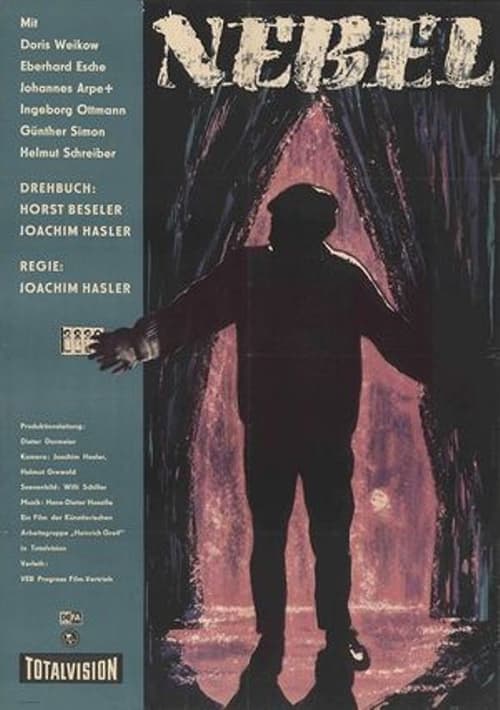
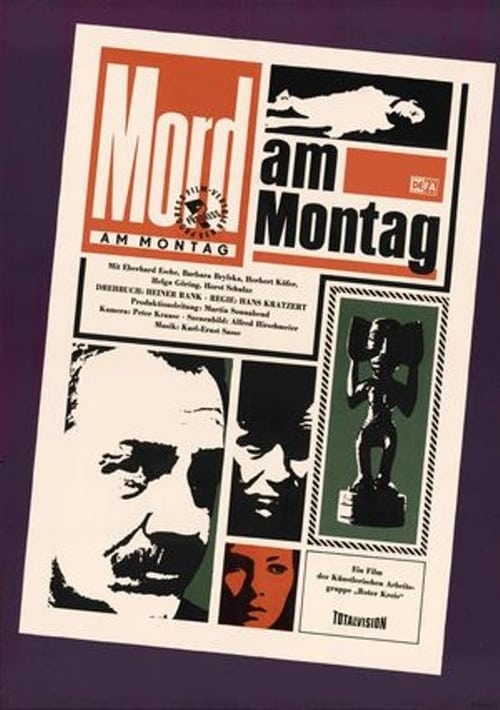
Photo model Monika Stange is found murdered in her apartment in a major West German city. Detectives Bentheim and Laube find rough diamonds hidden in the apartment. The trail leads to a racketeering ring and the influential industrialist Dr. Vogelsang. The latter is not prepared to get involved in the murder case under any circumstances and refuses to testify. Inspector Laube tries to solve the case without his colleague.
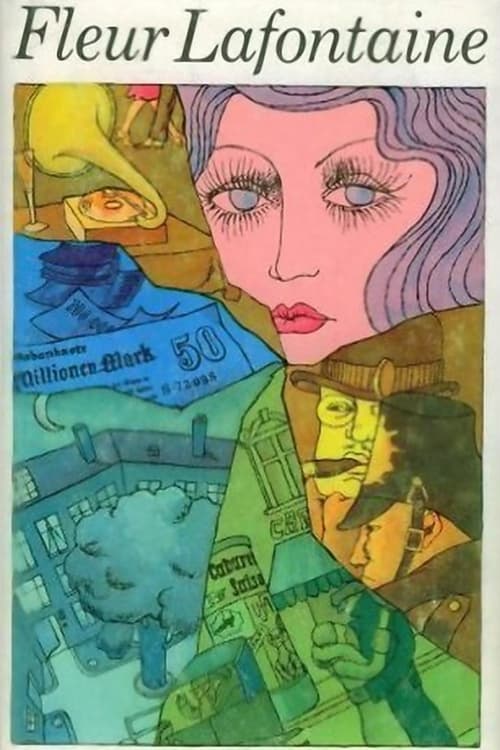
Berlin, 1948: Paralyzed and robbed of her memory, Fleur regains consciousness after a serious fall. The doctor treating her recognizes that her problem is of a psychological nature and encourages her to face up to her past. The daughter of a brothel owner is reluctant to look back: on a hapless childhood, her relationships with bon vivant Dr. Goldner and the politically committed locksmith Philipp (Hilmar Thate) as well as the difficult period of fascism... This exciting journey into the German past is based on Dinah Nelken's novel "Das angstvolle Heldenleben einer gewissen Fleur Lafontaine".
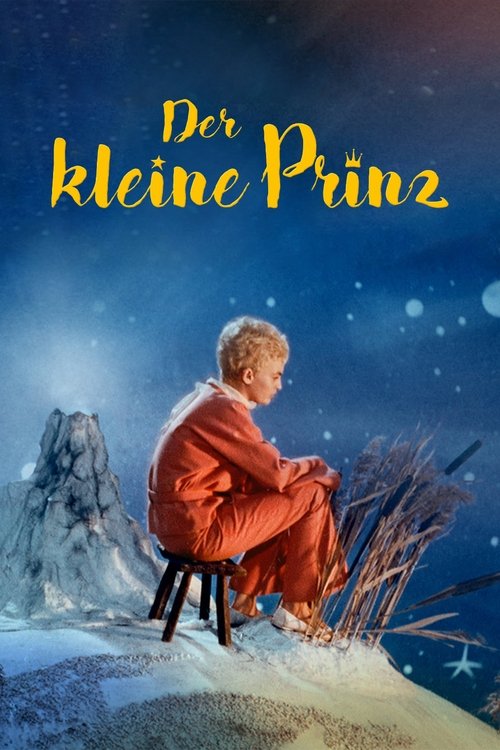
Adaptation of Antoine de Saint-Exupéry's novella for East German television, produced in 1965/66, not shown until 1972.
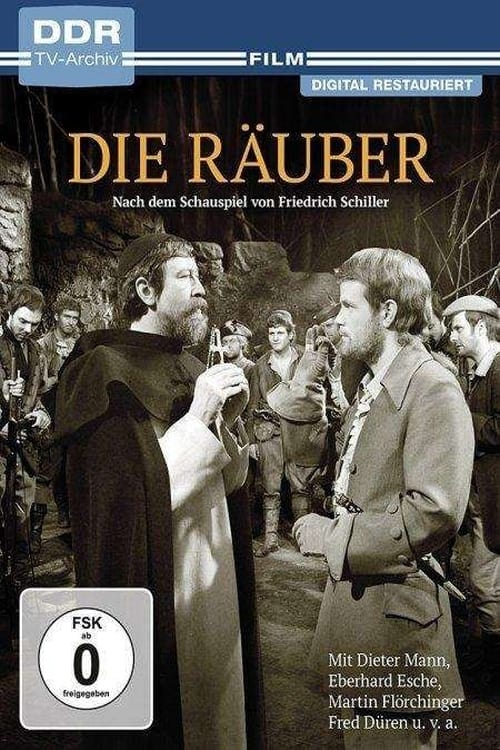
Germany in the 18th century. Two brothers rebel against the narrow confines of the small state and feudal despotism. However, Franz and Karl Moor have very different motives: Franz is interested in satisfying his personal needs, power and wealth, while Karl has a vision of a new, better society. To achieve this, he needs support. He finds it in a gang of robbers, of which he becomes the leader. He soon learns that anarchy can neither rally the masses nor challenge the existing order.
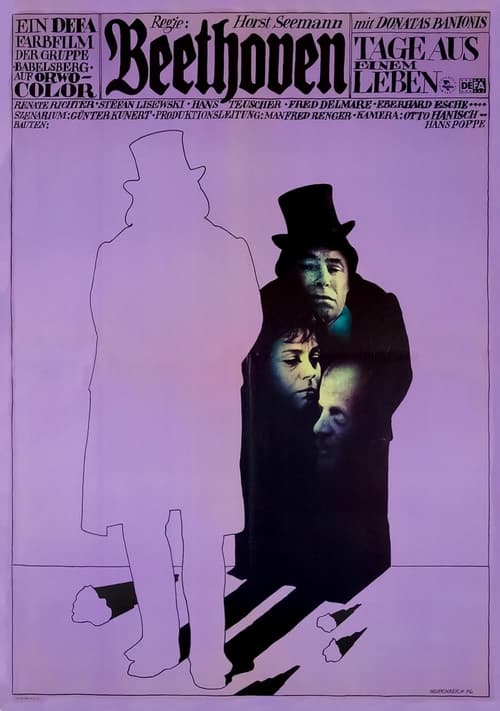
Vienna, 1813-1819: Beethoven (played by Donatas Banionis) is at the peak of his fame. Orchestras all over the world play his music, but he lives modestly and is dependent upon private patrons. Nagged by his patronizing brothers, spied upon by officials for his republican beliefs and faced by his progressive hearing loss, the composer becomes more and more isolated. Seeman’s poetic film explores the joys, heartbreak and artistic spirit of the great composer as he works on his Ninth Symphony.