FEEL IT.STREAM
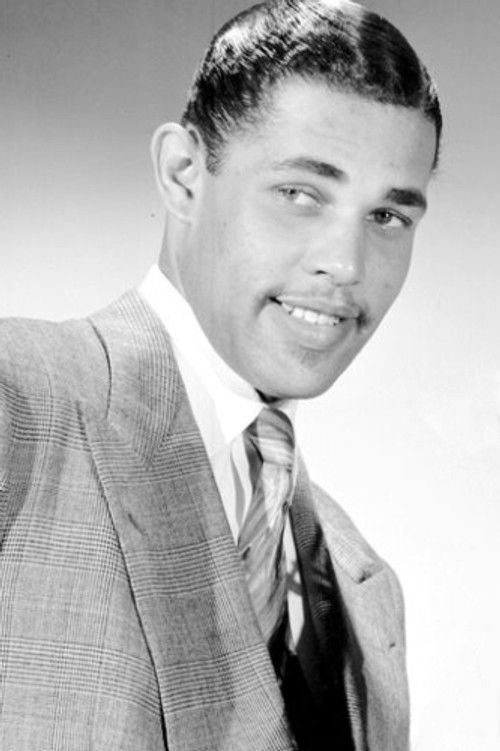
Dexter Gordon

Dexter Gordon

Acting

Biography

From Wikipedia, the free encyclopedia Dexter Gordon (February 27, 1923 – April 25, 1990) was an American jazz tenor saxophonist and an Academy Award-nominated actor (Round Midnight, Warner Bros, 1986). He is regarded as one of the first and most important musicians to adapt the bebop musical language of people like Charlie Parker, Dizzy Gillespie, and Bud Powell to the tenor saxophone. His studio and live performance career were both extensive and multifaceted, spanning over 50 years in recorded jazz history. Gordon's height was 6 feet 6 inches (198 cm), and so consequently he was also known as "Long Tall Dexter" and "Sophisticated Giant." He played a Conn 10M 'Ladyface' tenor until it was stolen in a Paris airport in 1961. He then switched over to a Selmer Mark VI. His saxophone was fitted with an Otto Link metal mouthpiece, which can be seen in various photos. Gordon died on April 25, 1990 in Philadelphia, Pennsylvania. The Official Dexter Gordon Website is the authoritative online source for research and information on the life and music of Dexter Gordon. Description above from the Wikipedia article Dexter Gordon, licensed under CC-BY-SA, full list of contributors on Wikipedia.

Known For

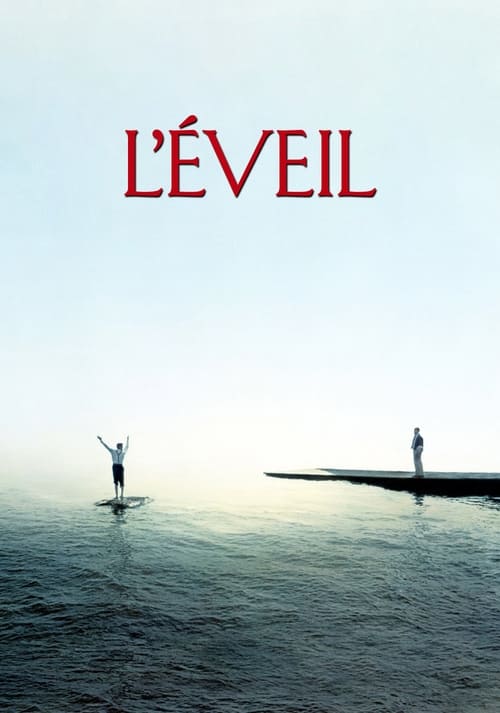
Awakenings
7.8

Dr. Malcolm Sayer, a shy research physician, uses an experimental drug to "awaken" the catatonic victims of a rare disease. Leonard is the first patient to receive the controversial treatment. His awakening, filled with awe and enthusiasm, proves a rebirth for Sayer too, as the exuberant patient reveals life's simple but unutterably sweet pleasures to the introverted doctor.

Awakenings

1990
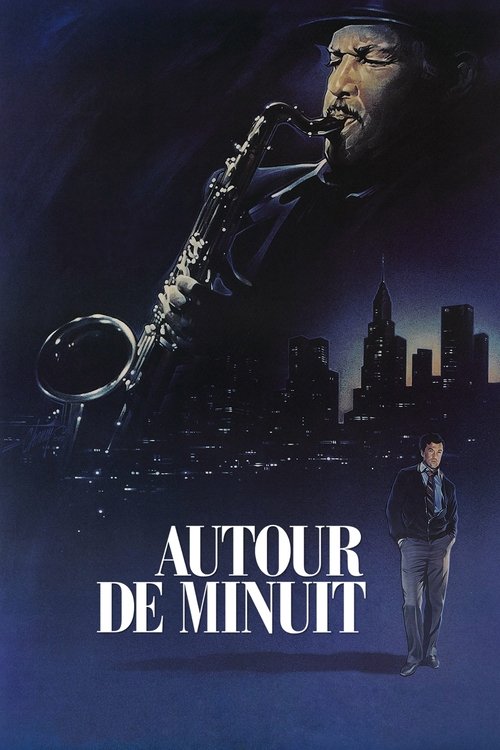
'Round Midnight
7.1

Inside the Blue Note nightclub one night in 1959 Paris, an aged, ailing jazzman coaxes an eloquent wail from his tenor sax. Outside, a young Parisian too broke to buy a glass of wine strains to hear those notes. Soon they will form a friendship that sparks a final burst of genius.

'Round Midnight

1986
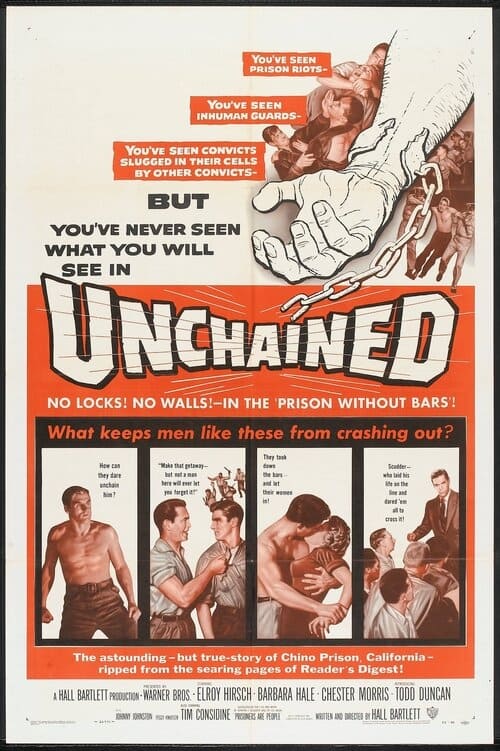
Unchained
7.0

This fact-based prison drama tells the tale of a band of prisoners living in the innovative 2,600-acre prison at Chino, California. The place takes a humanistic approach to reform and there are no armed guards, no lockups and no uniforms. The underlying philosophy is that if these things are not there, the prisoners will not want to escape, and will instead accept their punishment. A new inmate arrives and soon accustoms himself to the new idea. The story includes the Oscar nominated song Unchained Melody.

Unchained

1955
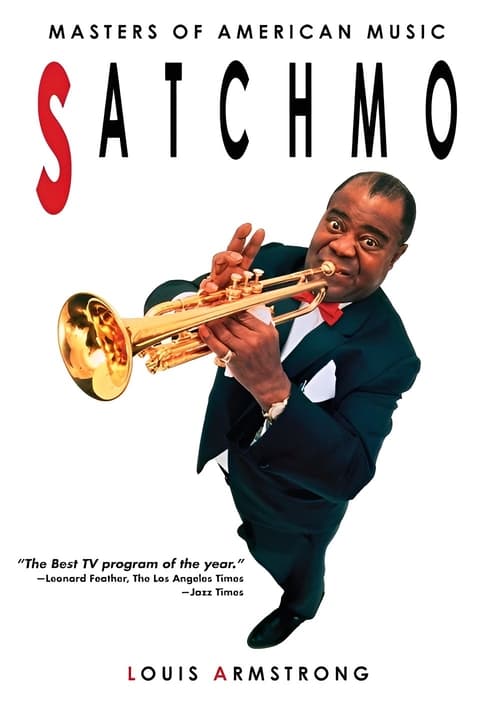
Satchmo: The Life of Louis Armstrong
7.0

Satchmo. There are few people in this country - or around the world - who will not recognize that name. Louis Armstrong embodied 20th-century American culture. He revolutionized the world of music and became one of the nation's most influential entertainers. No other performer of his era has such a profound effect as a singer as well as an instrumentalist.

Satchmo: The Life of Louis Armstrong

1992
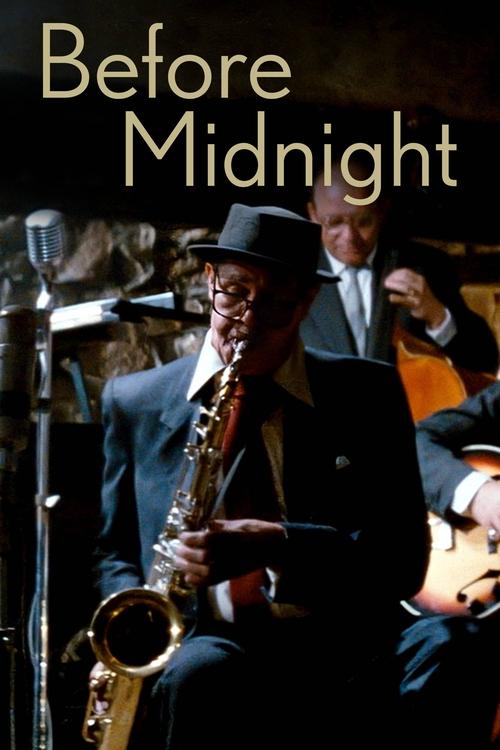
Before Midnight
4.0

Filmmaker Jean Achache shot extensively on the set of ’Round Midnight. This documentary presents that material for the first time, including footage of director Bertrand Tavernier, production designer Alexandre Trauner, and other members of the cast and crew.

Before Midnight

1986
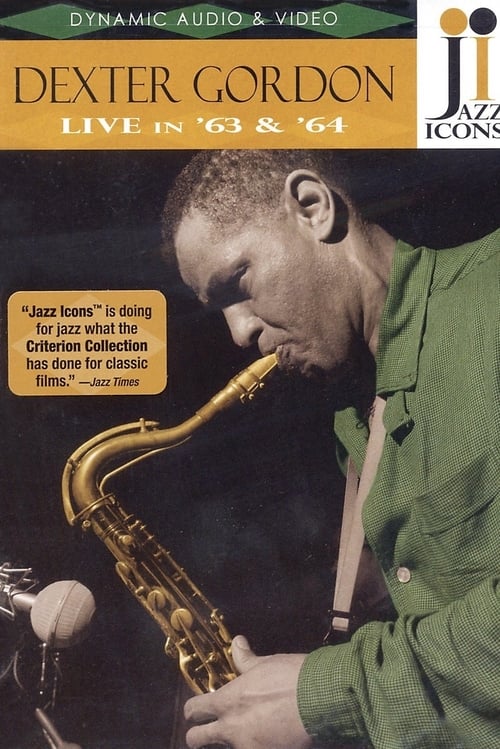
Jazz Icons: Dexter Gordon Live in '63 and '64
10.0

Dexter Gordon features three concerts filmed in 1963 and 1964 in Holland, Switzerland and Belgium that highlight the bebop legend's classic style and silky tone. Filmed while Dexter was living in Europe, these shows feature legendary side musicians such as Art Taylor (drums) and Kenny Drew (piano) and jazz classics "Blues Walk", "A Night In Tunisia", "Body And Soul" and others. One of the most influential saxophonists in jazz history (both John Coltrane and Sonny Rollins claim him as an influence), Dexter Gordon is captured in sharp form and style on this 70-minute tour de force.

Jazz Icons: Dexter Gordon Live in '63 and '64

2007
Stop for Bud
6.9

Stop for Bud is Jørgen Leth's first film and the first in his long collaboration with Ole John. […] they wanted to "blow up cinematic conventions and invent cinematic language from scratch". The jazz pianist Bud Powell moves around Copenhagen -- through King's Garden, along the quay at Kalkbrænderihavnen, across a waste dump. […] Bud is alone, accompanied only by his music. […] Image and sound are two different things -- that's Leth's and John's principle. Dexter Gordon, the narrator, tells stories about Powell's famous left hand. In an obituary for Powell, dated 3 August 1966, Leth wrote: "He quite willingly, or better still, unresistingly, mechanically, let himself be directed. The film attempts to depict his strange duality about his surroundings. His touch on the keys was like he was burning his fingers -- that's what it looked like, and that's how it sounded. But outside his playing, and often right in the middle of it, too, he was simply gone, not there."

Stop for Bud

1963
No image
N/A

Recorded live by the Danish National Radio at a jazz clinic for music students at a high school in Denmark in 1967. The 50 minutes of music (five tunes).

Dexter Gordon-Jazz At Highschool

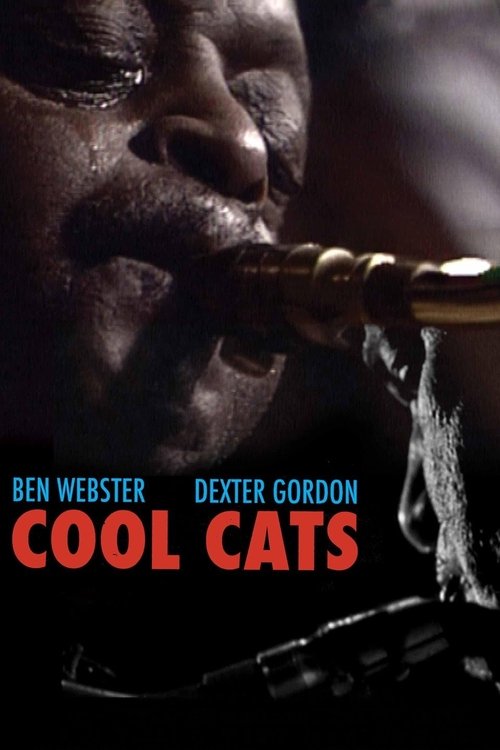
Cool Cats
N/A

Documentary on jazz giants Ben Webster and Dexter Gordon's 1962-76 European exile. Multiple film festival award winner. Director: Janus Køster-Rasmussen

Cool Cats

2015
No image
N/A

Dexter Gordon, Kenny Drew, Makaya Ntshoko and Niels-Henning Ørsted Pedersen perform at the Jazzhus Montmartre in 1969. Setlist: "Those Were the Days" "Fried Bananas"

Dexter Gordon at Jazzhus Montmartre in '69

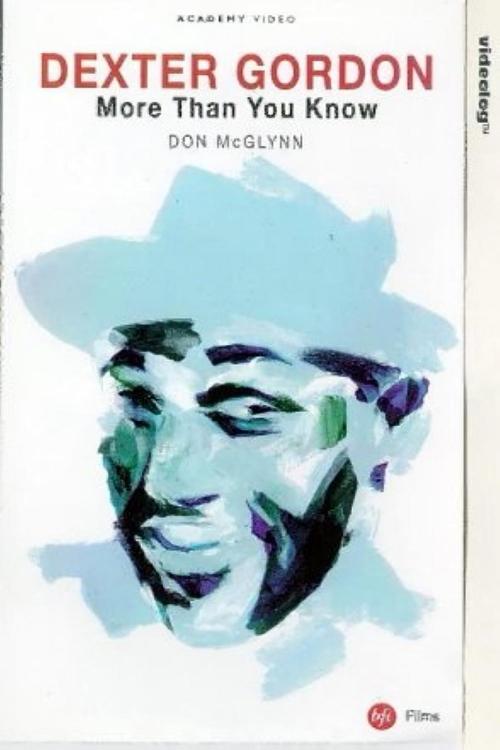
Dexter Gordon: More Than You Know
9.0

Biographical documentary on the life and career of Dexter Gordon.

Dexter Gordon: More Than You Know

1996