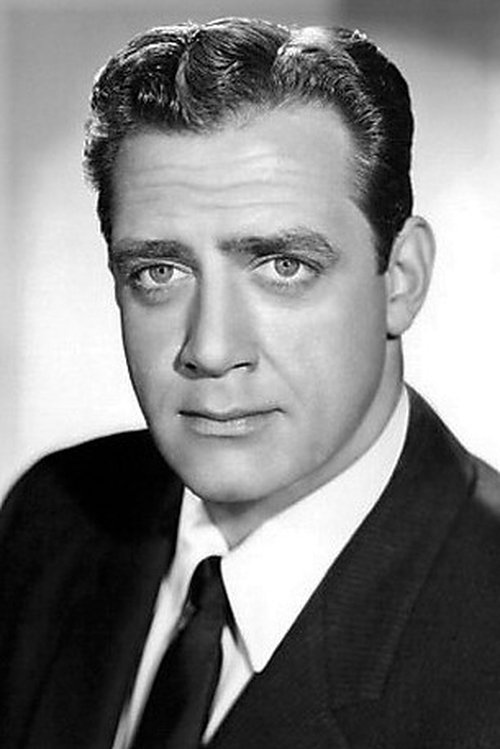
Raymond Burr
Acting
Biography
Raymond William Stacey Burr (May 21, 1917 – September 12, 1993) was a Canadian actor, primarily known for his title roles in the television dramas Perry Mason and Ironside. His early acting career included roles on Broadway, radio, television and in film, usually as the villain. He won two Emmy Awards in 1959 and 1961 for the role of Perry Mason, which he played for nine seasons between 1957 and 1966. His second hit series, Ironside, earned him six Emmy nominations, and two Golden Globe nominations. He is also known for his role as Steve Martin in both Godzilla, King of the Monsters! and Godzilla 1985. In addition to acting, Burr owned an orchid business and had begun to grow a vineyard. He was a collector of wines and art, and was very fond of cooking. After his death from cancer in 1993, Burr's personal life came into question as details of his known biography appeared to be unverifiable. Gradually, it was revealed that Burr had possibly contrived a life story that hid his homosexuality.
Known For
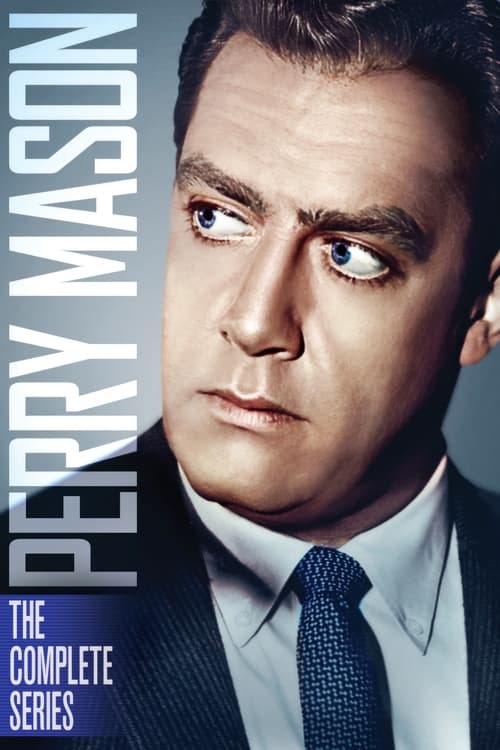
The cases of master criminal defense attorney Perry Mason and his staff who handled the most difficult of cases in the aid of the innocent.
Perry Mason
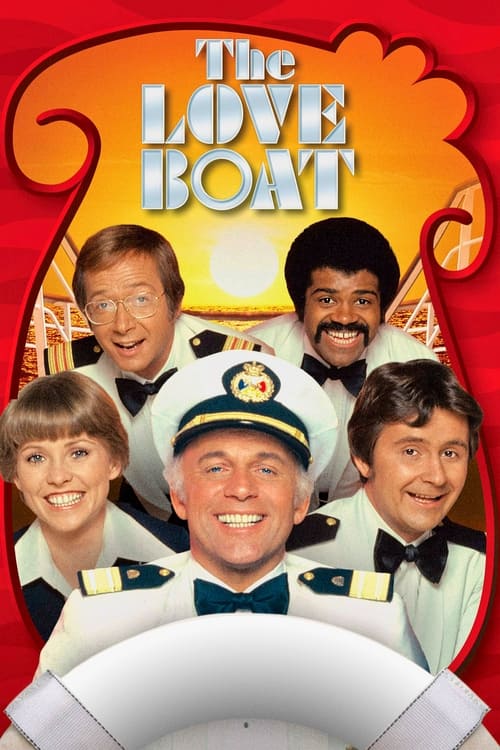
Passengers who search for romantic nights aboard a beautiful ship travelling to tropical or mysterious countries, decide to pass their vacation aboard the "Love Boat", where Gopher, Dr. Bricker, Isaac, Julie, and Captain Stubing try their best to please them, and sometimes help them fall in love. Things are not always so easy, but in the end, love wins.
The Love Boat
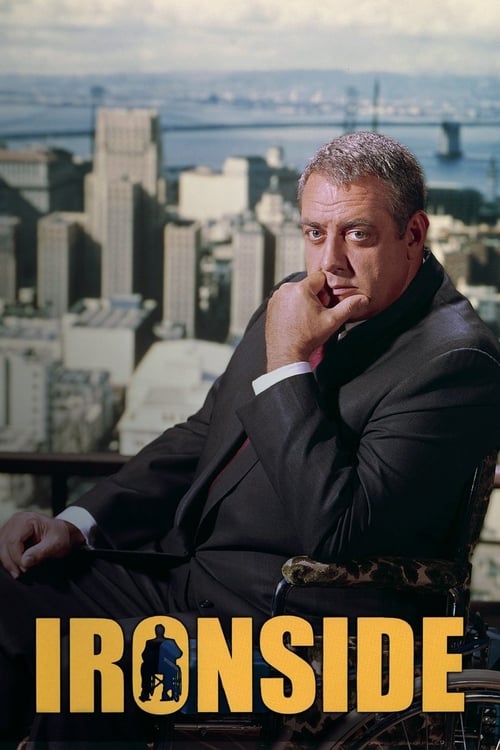
When an assassin's bullet confines him to a wheelchair for life ending his career as Chief of Detectives, Robert T. Ironside becomes a consultant to the police department. Detective Sergeant Ed Brown and policewoman Eve Whitfield join with him to crack varied and fascinating cases. Ex-con Mark Sanger is employed by the chief as home help but eventually becomes a fully fledged member of the team also. Officer Whitfield leaves after 4 years service, and is replaced by Officer Fran Belding.
Ironside

Follows the cases of a dedicated Los Angeles police detective, Sergeant Joe Friday, and his partners. The show takes its name from the police term "dragnet", meaning a system of coordinated measures for apprehending criminals or suspects.
Dragnet
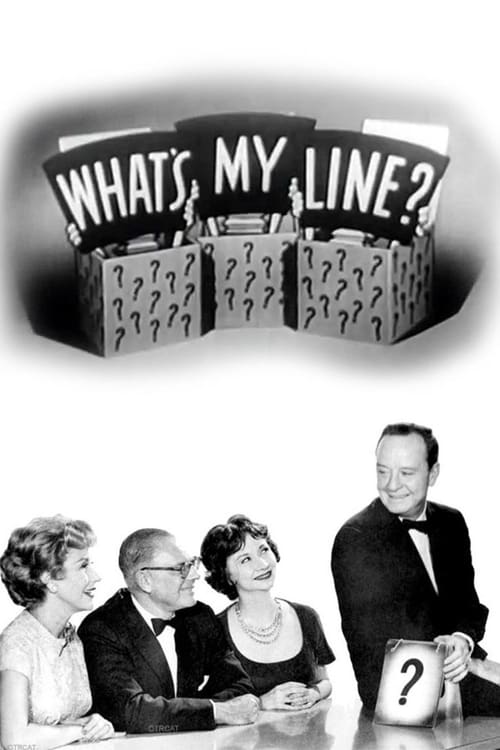
Four panelists must determine guests' occupations - and, in the case of famous guests, while blindfolded, their identity - by asking only "yes" or "no" questions.
What's My Line?
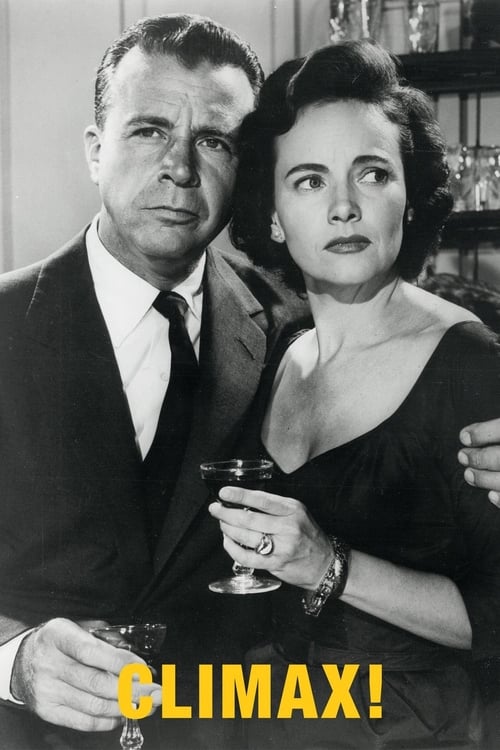
Climax! is an American anthology series that aired on CBS from 1954 to 1958. The series was hosted by William Lundigan and later co-hosted by Mary Costa. It was one of the few CBS programs of that era to be broadcast in color. Many of the episodes were performed and broadcast live.
Climax!
Four Star Playhouse is an American television anthology series that ran from 1952 to 1956, sponsored in its first bi-weekly season by The Singer Company; Bristol-Myers became an alternate sponsor when it became a weekly series in the fall of 1953. The original premise was that Charles Boyer, Ida Lupino, David Niven, and Dick Powell would take turns starring in episodes. However, several other performers took the lead from time to time, including Ronald Colman and Joan Fontaine. Blake Edwards was among the writers and directors who contributed to the series. Edwards created the recurring character of illegal gambling house operator Willie Dante for Dick Powell to play on this series. The character was later revamped and spun off in his own series starring Howard Duff, then-husband of Lupino. The pilot for Meet McGraw, starring Frank Lovejoy, aired here, as did another episode in which Lovejoy recreated his role of Chicago newspaper reporter Randy Stone, from the radio drama Nightbeat.
Four Star Playhouse
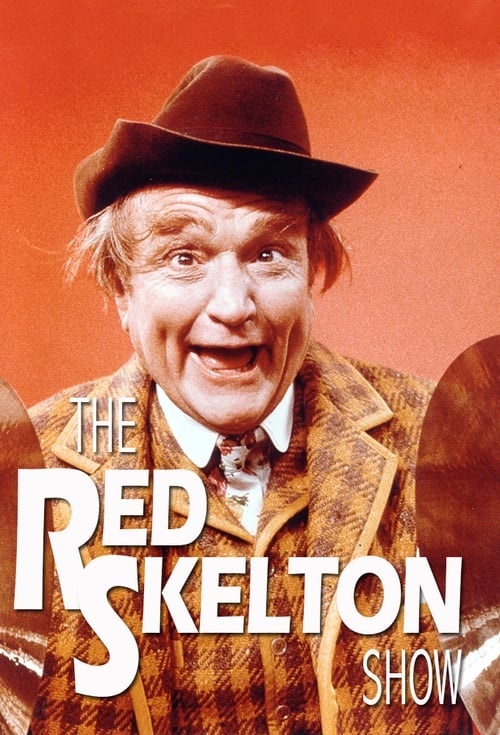
The Red Skelton Show is an American variety show that was a television staple for two decades, from 1951 to 1971. It was second to Gunsmoke and third to The Ed Sullivan Show in the ratings during that time. Skelton, who had previously been a radio star, had appeared in several motion pictures as well. Although his television series is largely associated with CBS, where it appeared for more than fifteen years, it actually began and ended on NBC. During its run, the program received three Emmy Awards, for Skelton as best comedian and the program as best comedy show during its initial season, and an award for comedy writing in 1961.
The Red Skelton Show

The Ed Sullivan Show is an American TV variety show that originally ran on CBS from Sunday June 20, 1948 to Sunday June 6, 1971, and was hosted by New York entertainment columnist Ed Sullivan. It was replaced in September 1971 by the CBS Sunday Night Movie, which ran only one season and was eventually replaced by other shows. In 2002, The Ed Sullivan Show was ranked #15 on TV Guide's 50 Greatest TV Shows of All Time.
The Ed Sullivan Show
An annual American awards ceremony honoring cinematic achievements in the film industry. The various category winners are awarded a copy of a statuette, officially the Academy Award of Merit, that is better known by its nickname Oscar.
The Oscars

An American awards show recognizing people in entertainment, voted online by the general public and fans.
People's Choice Awards
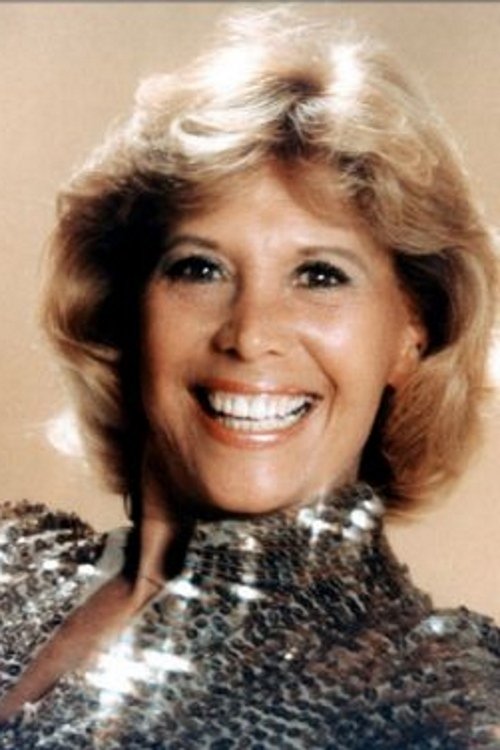
Dinah's show premiered 9 September 1974 and continued through to 4 September 1981. She started out the 70's with Dinah's Place which usually featured one guest and was more of a home oriented show about cooking, crafts and occasionally music. This format lasted until May of 1974. When the show came back in October of 1974 the format had changed drastically to a variety talk show which was called Dinah. and went on until 1981. This show was also known as "Dinah and Friends" during the summer of 1976.
Dinah!
The Bob Hope Show hosted by Bob Hope, debuted on April 9, 1950. During the 1952-1953 season, NBC rotated with other variety shows in a Sunday night block known as "The Colgate Comedy Hour" (Sept. 1950 to Dec. 1955). Also known as, "The Chevy Show with Bob Hope." When the first special debuted in October of 1950 it was the most expensive television program made up to that point - costing an astronomical $1,500 a minute to produce. Bob Hope had his own television show and radio show at the same time. For the next three seasons, The Bob Hope Show was broadcast once a month on Tuesday nights, giving Milton Berle a week off. Bob ended his radio show in April, 1956. Bob Hope also had another show by a similar name, "The Bob Hope Show (All Star Revue)". In addition, he performed in "Specials" for many years. It is the longest running variety program in television's history with a record of 45 years of televised entertainment.
The Bob Hope Show
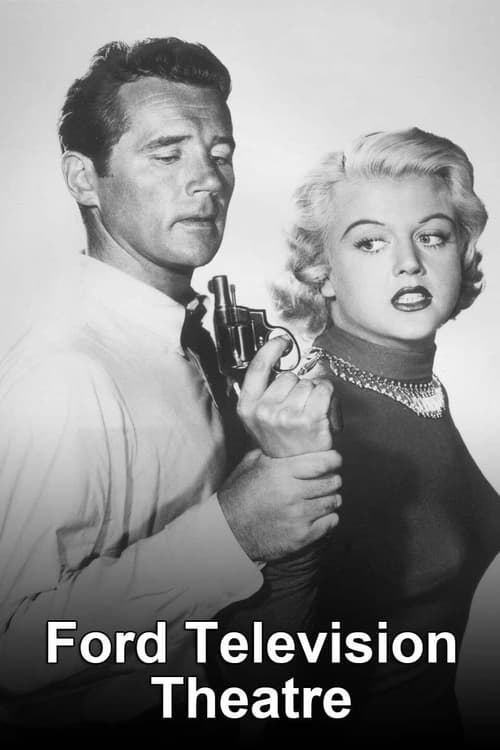
This show started in New York City, with Broadway actors and actresses. It then moved to Hollywood, California, where Hollywood actors and actresses headed the cast.
The Ford Television Theatre
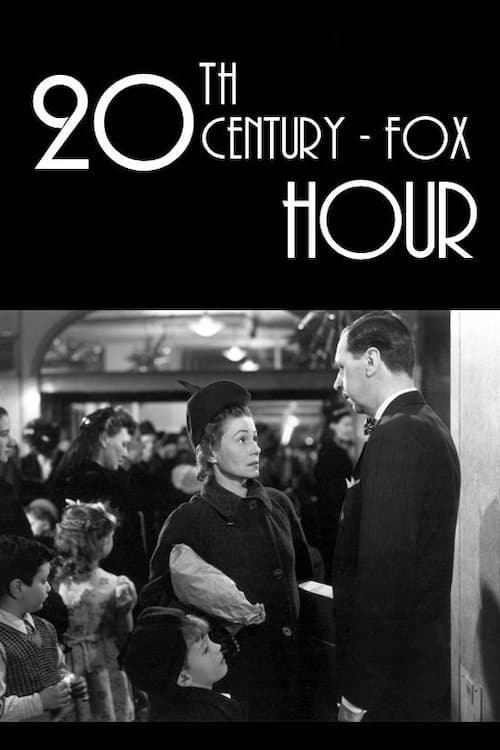
The 20th Century Fox Hour is an American drama anthology series televised in the United States on CBS from 1955 to 1957. Some of the shows in this series were restored, remastered and shown on the Fox Movie Channel in 2002 under the title Hour of Stars. The season one episode Overnight Haul, starring Richard Conte and Lizabeth Scott, was released in Australia as a feature film.
The 20th Century Fox Hour
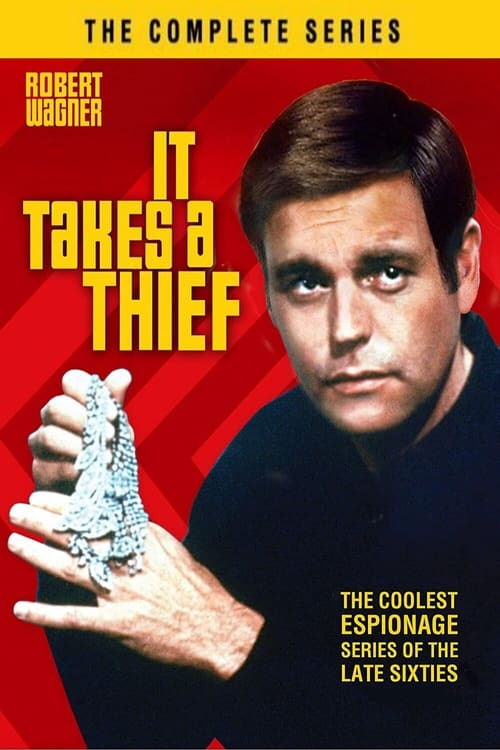
Convicted cat burglar Alexander Mundy gets an offer he can't refuse from the United States government: If he puts his formidable thieving skills to work for them, he'll be released from prison. Alexander's dad, Alister, sometimes comes out of retirement as a thief to help his son on special jobs.
It Takes a Thief
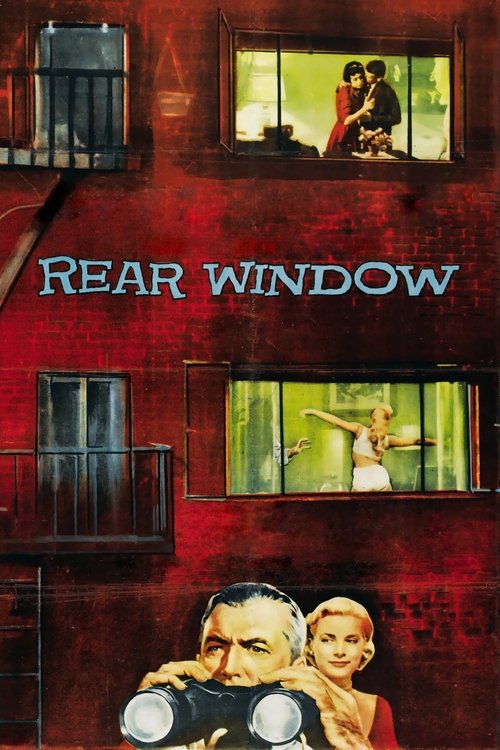
A wheelchair-bound photographer spies on his neighbors from his apartment window and becomes convinced one of them has committed murder.
Rear Window
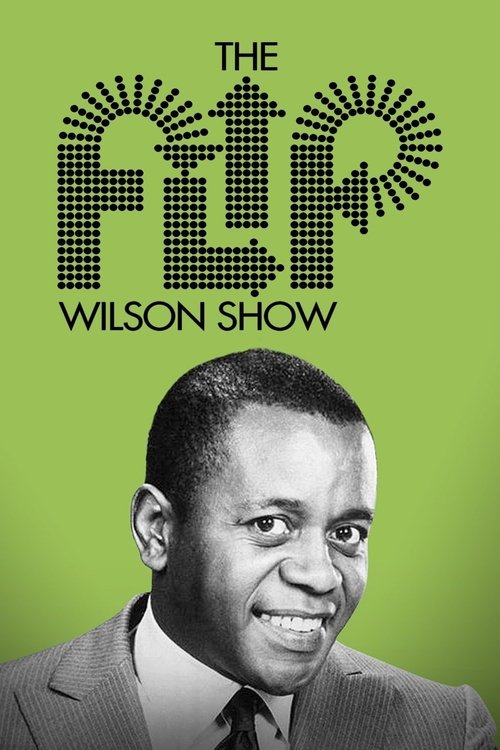
The Flip Wilson Show is an hour long variety show that aired in the U.S. on NBC from September 17, 1970 to June 27, 1974. The show starred American comedian Flip Wilson; the program was one of the first American television programs starring a black person in the title role to become highly successful with a white audience. Specifically, it was the first successful network variety series starring an African American. During its first two seasons, its Nielsen ratings made it the nation's second most watched show. The show consisted of many skits over an hour. It also broke new ground in American television by using a 'Theatre-in-the-Round' stage format, with the audience seated on all sides of a circular performance area. Wilson was most famous for creating the role of Geraldine Jones, a sassy, modern woman who had a boyfriend named Killer. Flip also created the role of Reverend Leroy, who was the minister of the Church of What's Happening Now!. New parishioners were wary of coming to the church as it was hinted that Reverend Leroy was a con artist. Wilson popularized such catchphrases as "What you see is what you get", and "The devil made me do it!".
The Flip Wilson Show
Tales of Tomorrow is an American anthology science fiction series that was performed and broadcast live on ABC from 1951 to 1953. The series covered such stories as Frankenstein, starring Lon Chaney, Jr., 20,000 Leagues Under the Sea starring Thomas Mitchell as Captain Nemo, and many others featuring such performers as Boris Karloff, Brian Keith, Lee J. Cobb, Rod Steiger, Bruce Cabot, Franchot Tone, Gene Lockhart, Walter Abel, Leslie Nielsen, and Paul Newman. The series had many similarities to the later Twilight Zone which also covered one of the same stories, "What You Need". In total it ran for eighty-five 30-minute episodes.
Tales of Tomorrow
The Glen Campbell Goodtime Hour is an American network television music and comedy variety show hosted by singer Glen Campbell from January 1969 through June 1972 on CBS. He was offered the show after he hosted a 1968 summer replacement for The Smothers Brothers Comedy Hour. Campbell used "Gentle on My Mind" as the theme song of the show. The show was one of the few rural-oriented shows to survive CBS's rural purge of 1971.