Writing
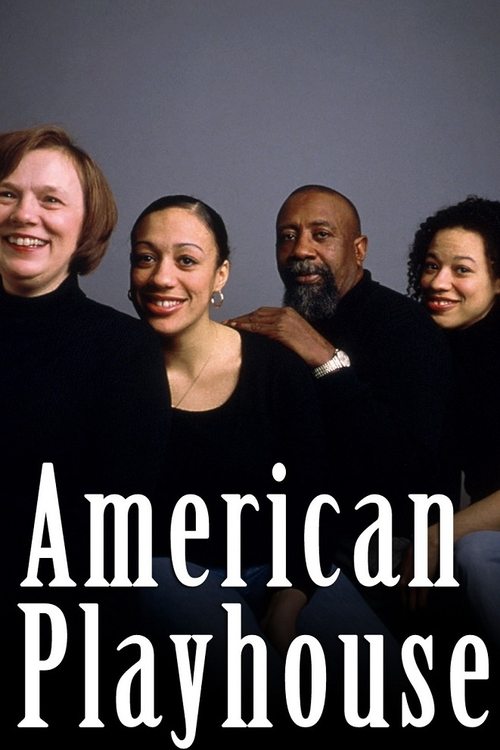
American Playhouse is an anthology television series periodically broadcast by Public Broadcasting Service in the United States.
Theatre 625 is a British television drama anthology series, produced by the BBC and transmitted on BBC2 from 1964 to 1968. It was one of the first regular programmes in the line-up of the channel, and the title referred to its production and transmission being in the higher-definition 625-line format, which only BBC2 used at the time.
DuPont Show of the Month is an acclaimed 90-minute television anthology series that aired monthly on CBS from 1957 to 1961. The DuPont Company also sponsored a weekly half-hour anthology drama series hosted by June Allyson, The DuPont Show with June Allyson. During the Golden Age of Television, DuPont Show of the Month was one of numerous anthology series telecast between 1949 and 1962. Superficially, it resembled Playhouse 90 and other anthologies, but DuPont Show of the Month focused less on contemporary dramas and more on adaptations of literary classics, including Oliver Twist, The Prince and the Pauper, Billy Budd, The Prisoner of Zenda, A Tale of Two Cities and The Count of Monte Cristo.
Producers' Showcase is an American anthology television series that was telecast live during the 1950s in compatible color by NBC. With top talent, the 90-minute episodes, covering a wide variety of genres, aired under the title every fourth Monday at 8 p.m. ET for three seasons, beginning October 18, 1954. The final episode, the last of 37, was broadcast May 27, 1957. Showcase Productions, Inc., packaged and produced the series, which received seven Emmy Awards, including the 1956 award for Best Dramatic Series.
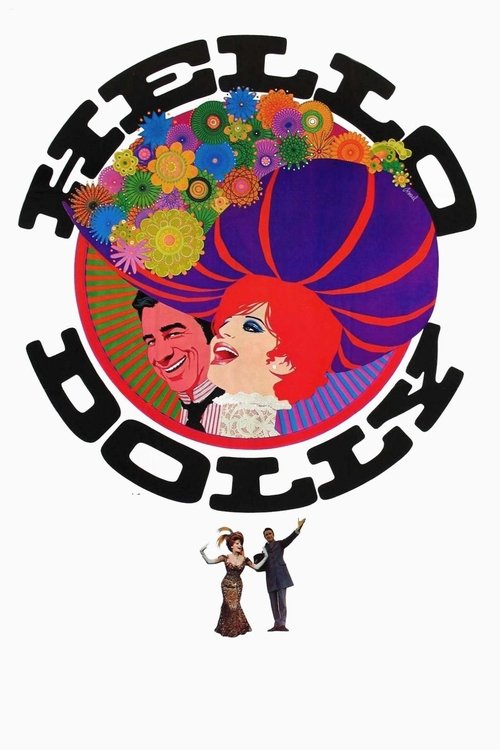
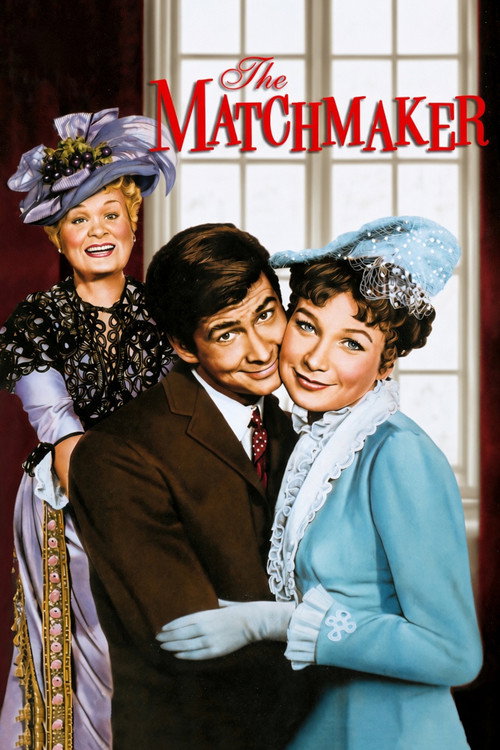
Dolly Levi is a strong-willed matchmaker who travels to Yonkers, New York in order to see the miserly "well-known unmarried half-a-millionaire" Horace Vandergelder. In doing so, she convinces his niece, his niece's intended, and Horace's two clerks to travel to New York City.
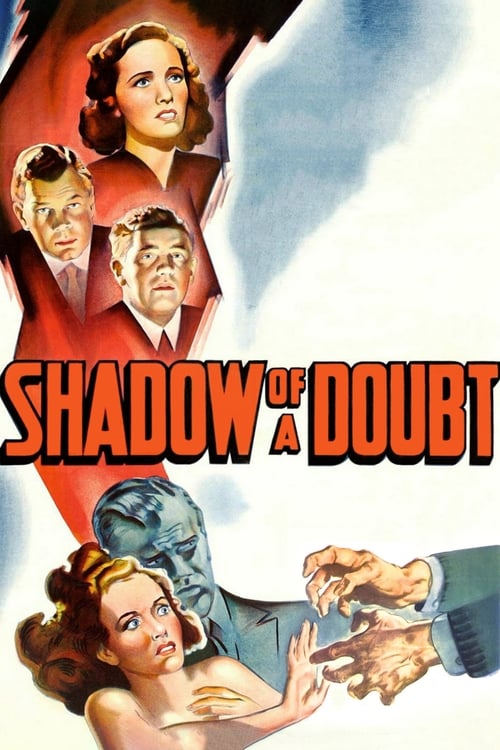
In sleepy Santa Rosa, restless young Charlie’s world brightens when her sophisticated Uncle Charlie arrives for a long visit. But as his behavior grows increasingly strange, she begins to suspect that her beloved uncle may be hiding a terrible secret—and that danger has quietly entered her home.
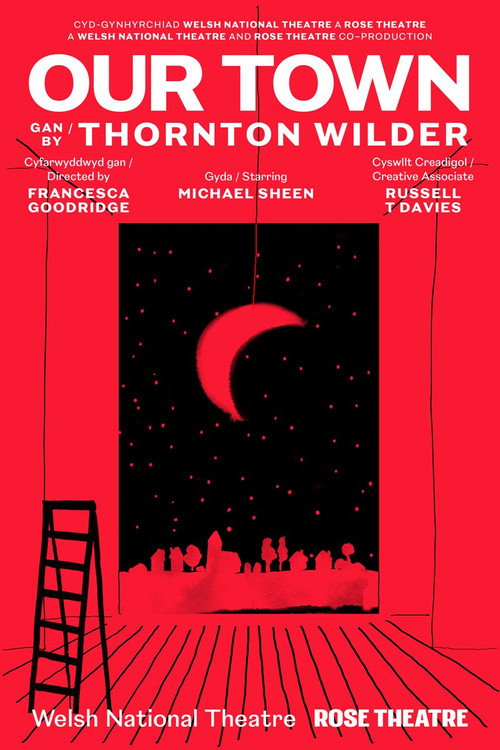
Grover's Corners is a quiet little town, full of ordinary folk, living everyday lives. They work, they laugh, they sing, they fall in love and raise their children and grow old. But within those moments of ordinary, everyday life, there are truths that reach out to us all. And a passionate demand to cherish every moment, right now, while we still can. (A joint Welsh National Theatre and Rose Theatre production, filmed at the Rose Theatre in Kingston, London on 19 March 2026.)
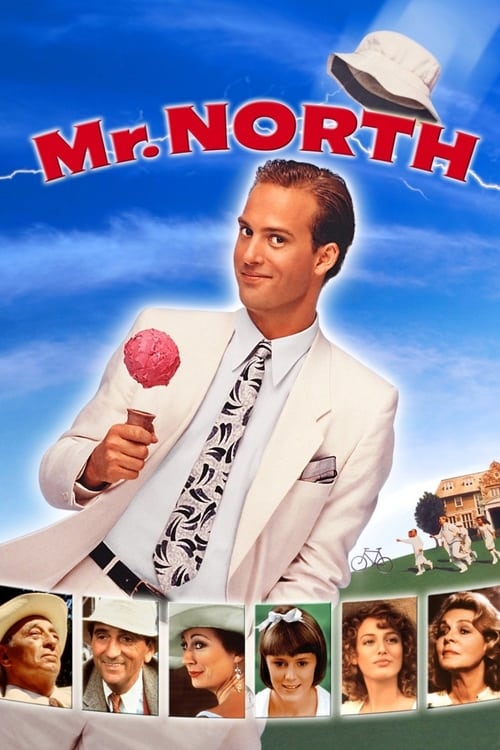
Mr. North, a stranger to a small, but wealthy, Rhode Island town, quickly has rumors started about him that he has the power to heal people's ailments...
In 1714 Peru, a friar is tried by the Spanish Inquisition for questioning God's intentions when five die in the collapse of an Andean rope bridge.
A production by the Russian Academic Youth Theater based on Thornton Wilder's play of the same name. Life, love, and death are the three components of this performance. The action begins on May 7, 1901, in a small American town. Two families, the Gibbs and the Webb, live next door to each other. Their children attend school, and their entire lives are spent in full view of each other.
Thornton Wilder's tale of a matchmaker who desires the man she's supposed to be pairing with another woman.
Change comes slowly to a small New Hampshire town in the early 20th century. We see birth, life and death in this small community.
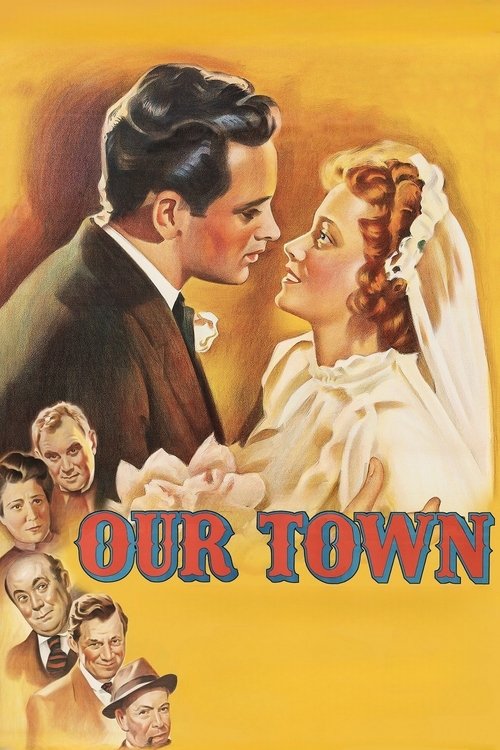
When Grover's Corner, a small, uneventful American town, becomes a mirror to an entire society. This Pulitzer Prize-winning classic of American theater, adapted here for television, portrays the Gibbs and Webb families, captured in the immutability of their daily lives in the 20th century.
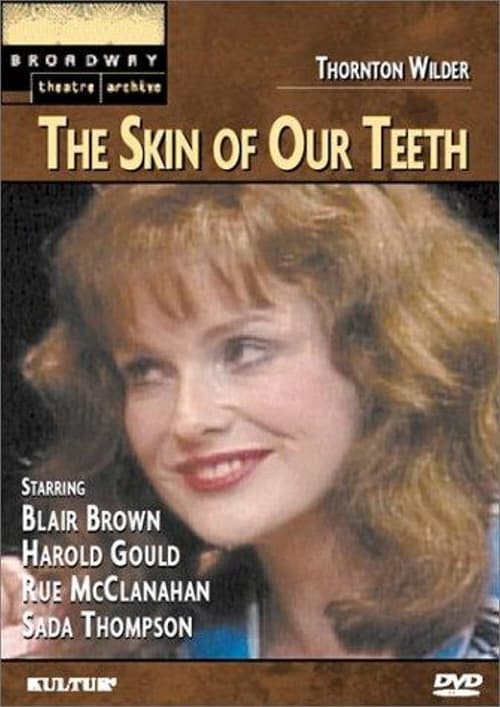
Production of Thornton Wilder's Pulitzer-winning play about mankind's triumph over chaos, which wildly altered dramatic conventions in freely shifting between modern-day New Jersey and the ice age. Meet George and Maggie Antrobus (married only 5,000 years); their two children, Gladys and Henry (perfect in every way!); and their maid, Sabina (the ageless vamp) as they overcome ice, flood, and war — by the skin of their teeth.
Change comes slowly to a small New Hampshire town in the early 20th century. People grow up, get married, live, and die. Milk and the newspaper get delivered every morning, and nobody locks their front doors. This musicalization of Thornton Wilder's classic play stars Frank Sinatra, who introduces the song, "Love and Marriage," which would go on to be immortalized as the theme song to the sitcom "Married with Children."
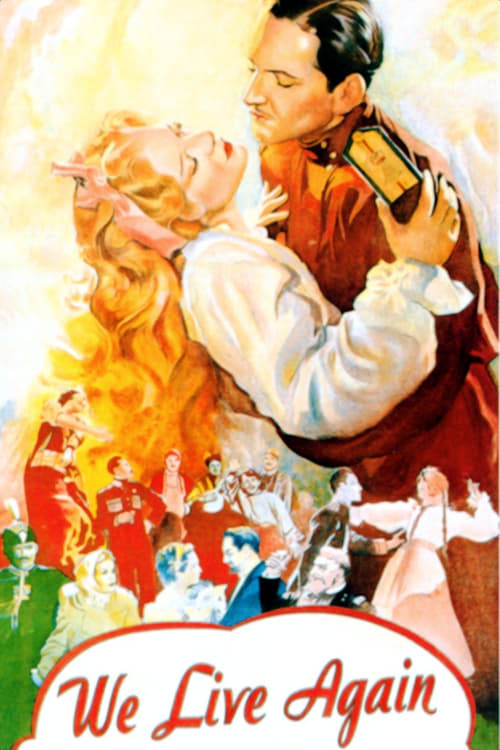
Nekhludoff, a Russian nobleman serving on a jury, discovers that the young girl on trial, Katusha, is someone he once seduced and abandoned and that he himself bears responsibility for reducing her to crime. He sets out to redeem her and himself in the process.
Can the ever-resilient Mrs. Levi melt the heart of the eternally sour-tempered Mr. Vandergelder?
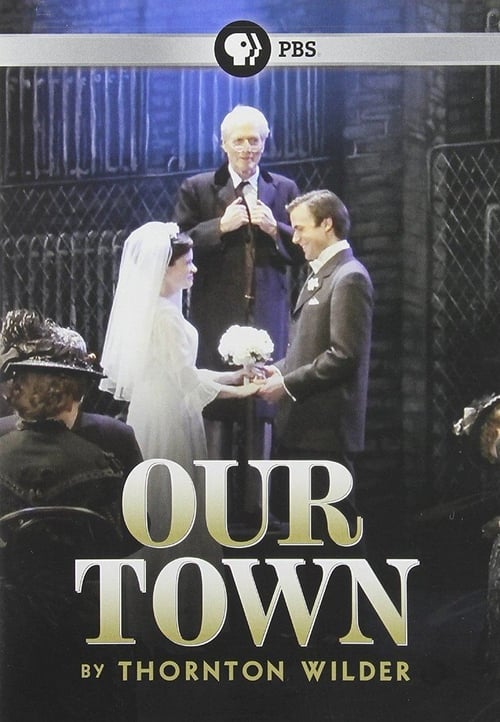
Our Town is a three-act play by American playwright Thornton Wilder. It is a character story about an average town's citizens in the early twentieth century as depicted through their everyday lives. Using metatheatrical devices, Wilder sets the play in a 1930s theater. He uses the actions of the Stage Manager to create the town of Grover's Corners for the audience. Scenes from its history between the years of 1901 and 1913 play out. Originally broadcast on the Showtime Network, then as part of the PBS series "Masterpiece Theatre" (season 33, episode 1).
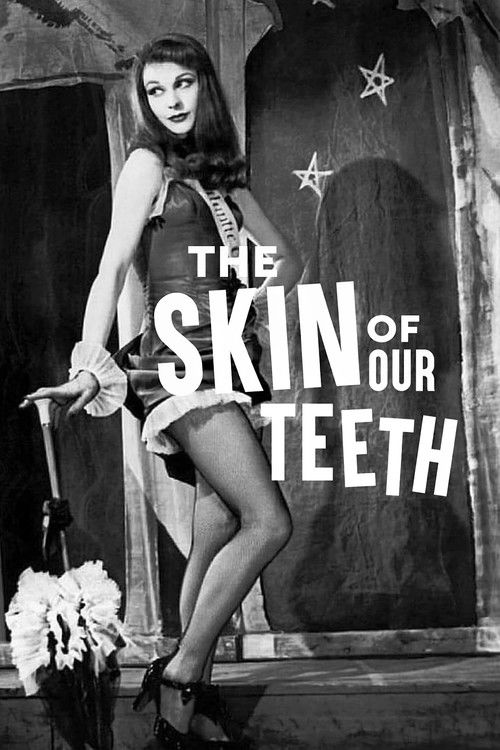
Production of Thornton Wilder's Pulitzer-winning play "The Skin of Our Teeth," the story of Mr. and Mrs. Antrobus, their children Henry and Gladys, and their maid Sabina. They are simultaneously a typical American family living in a present-day New Jersey suburb and are also Adam, Eve, Lilith, Cain and a daughter who survive the Ice Age (although their pet dinosaurs do not), the Flood (as in the book of Genesis in the Bible) and War (as in WWII).
Charlie is a young woman who is thrilled that her favorite Uncle Charlie is coming home for good. But she soon discovers that her namesake, a "Wall Street financier," has a deep, dark secret. And knowledge of that secret by anyone can prove to be deadly.