Acting
John Lee (31 March 1928 – 21 December 2000) was an Australian actor.
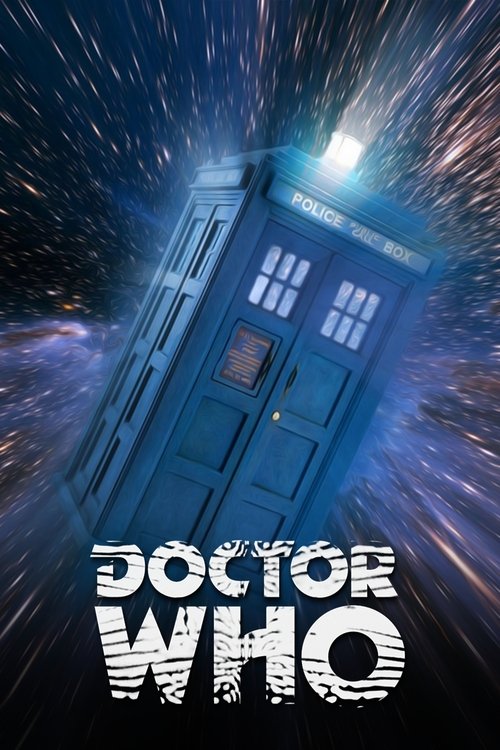
The adventures of The Doctor, a time-traveling humanoid alien known as a Time Lord. He explores the universe in his TARDIS, a sentient time-traveling spaceship. Its exterior appears as a blue British police box, which was a common sight in Britain in 1963 when the series first aired. Along with a succession of companions, The Doctor faces a variety of foes while working to save civilizations, help ordinary people, and right many wrongs.
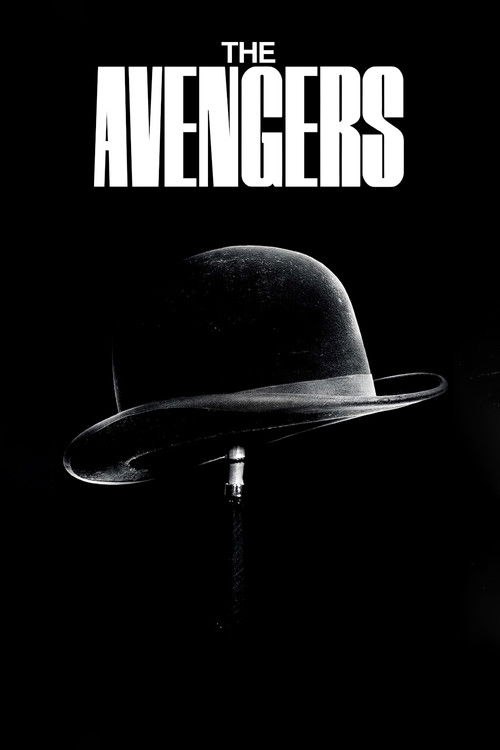
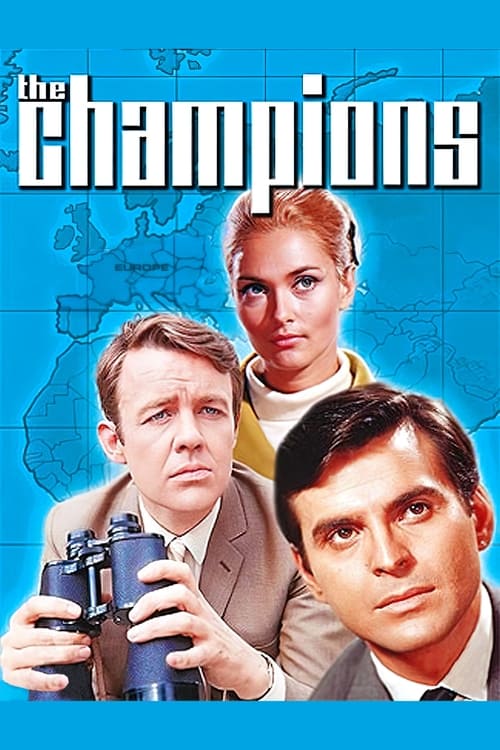
A quirky spy show of the adventures of eccentrically suave British Agent John Steed and his predominantly female partners. Jonathan Steed - an urbane, proper gentleman spy - teams with various assistants throughout the series' run, including Dr. David Keel, Cathy Gale, Emma Peel and Tara King, to repeatedly save the world from diabolical schemes plotted by equally diabolical evil-doers (among them robots and man-eating monsters).
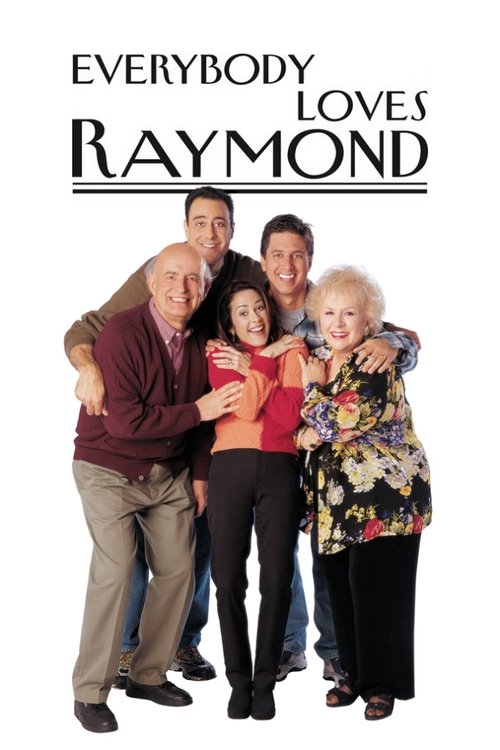
Ray Barone is a successful sportswriter living on Long Island with his wife Debra, daughter Ally, and twin sons, Geoffrey and Michael. Ray's meddling parents, Frank and Marie, and brother, Robert, live directly across the street.
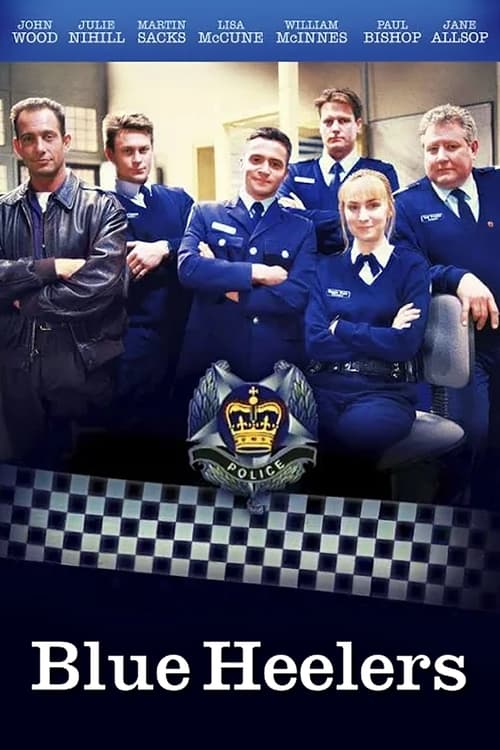
Blue Heelers was one of Australia's longest running weekly television drama series. Blue Heelers is a police drama series set in the fictional country town of Mount Thomas. Under the watchful eye of Tom Croydon (John Wood), the men and women of Mount Thomas Police Station fight crime, resolve disputes and tackle the social issues of the day. We watch their successes and their failures and learn to grow with them and their loved ones as the heart of the series develops.
An anthology series of television plays which aired on BBC1 from October 1964 to May 1970. The plays were usually written for television, although adaptations from other sources also featured.
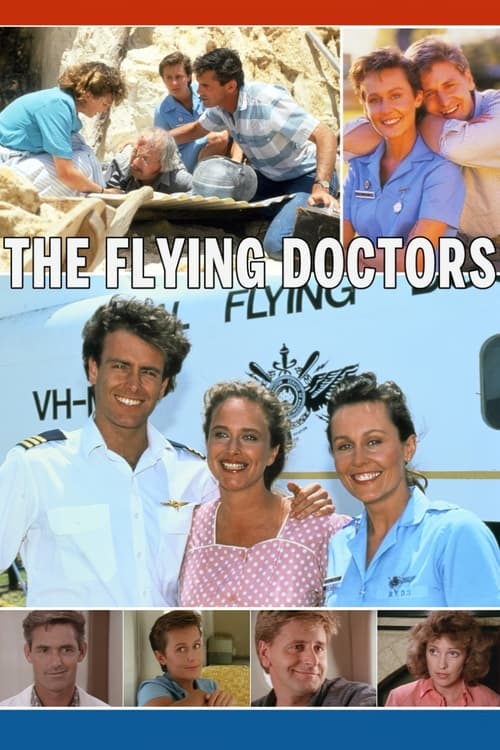
The Flying Doctors is an Australian drama series produced by Crawford Productions that revolved around the everyday lifesaving efforts of the real Royal Flying Doctor Service of Australia. It was initially a 1985 mini-series based in the fictional outback town of Cooper's Crossing starring Andrew McFarlane as the newly arrived Dr. Tom Callaghan. The success of the mini series led to its return the following year as an on-going series with McFarlane being joined by a new doctor, Chris Randall, played by Liz Burch. McFarlane left during the first season and actor Robert Grubb came in as new doctor Geoff Standish. The series' episodes were mostly self-contained but also featured ongoing storylines, such as Dr. Standish's romance with Sister Kate Wellings. Other major characters included pilot Sam Patterson, mechanic Emma Plimpton, local policeman Sgt. Jack Carruthers and Vic and Nancy Buckley, who ran the local pub/hotel, The Majestic. Andrew McFarlane also later returned to the series, resuming his role as Dr. Callaghan. The popular series ran for nine seasons and was successfully screened internationally.
Theatre 625 is a British television drama anthology series, produced by the BBC and transmitted on BBC2 from 1964 to 1968. It was one of the first regular programmes in the line-up of the channel, and the title referred to its production and transmission being in the higher-definition 625-line format, which only BBC2 used at the time.
Danger Man is a British television series which was broadcast between 1960 and 1962, and again between 1964 and 1968. The series featured Patrick McGoohan as secret agent John Drake. Ralph Smart created the programme and wrote many of the scripts. Danger Man was financed by Lew Grade's ITC Entertainment.
The Man from Snowy River is an Australian television series based on Banjo Paterson's poem "The Man from Snowy River". Released in Australia as Banjo Paterson's The Man from Snowy River, the series was subsequently released in both the United States and the United Kingdom as Snowy River: The McGregor Saga. The television series has no relationship to the 1982 film The Man from Snowy River or the 1988 sequel The Man from Snowy River II. Instead, the series follows the adventures of Matt McGregor, a successful squatter, and his family. Matt is the hero immortalized in Banjo Paterson's poem "The Man from Snowy River", and the series is set 25 years after his famous ride.
After a plane carrying three Agents crashes in the Himalayas, they are rescued by an advanced civilisation secretly living in Tibet who grant them enhanced versions of the ordinary five senses, and intellectual and physical abilities.
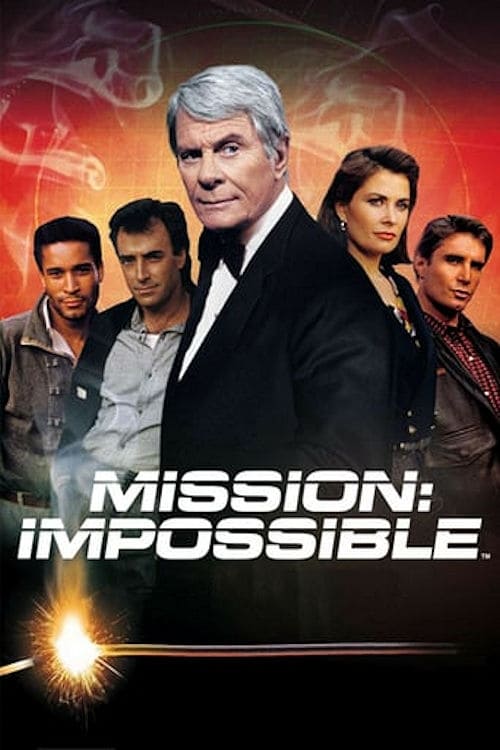
Mission: Impossible is an American television series that chronicles the missions of a team of secret American government agents known as the Impossible Missions Force. The show is a revival of the 1966 TV series of the same name. The only actor to return for the series as a regular cast member was Peter Graves who played Jim Phelps, although two other cast members from the original series returned as guest stars. The only other regular cast member to return for every episode was the voice of "The Tape", Bob Johnson.
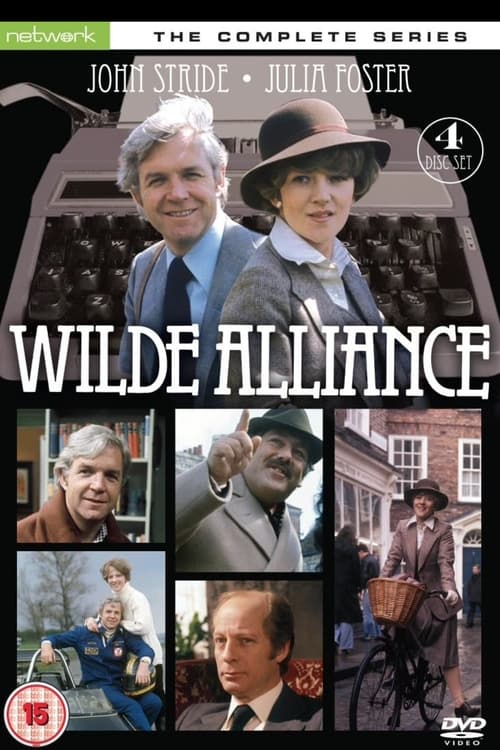
Wilde Alliance is a 1978 British television programme created by Ian Mackintosh and produced by Yorkshire Television for l ITV. The light-hearted mystery series follows husband-and-wife amateur detectives Rupert and Amy Wilde.
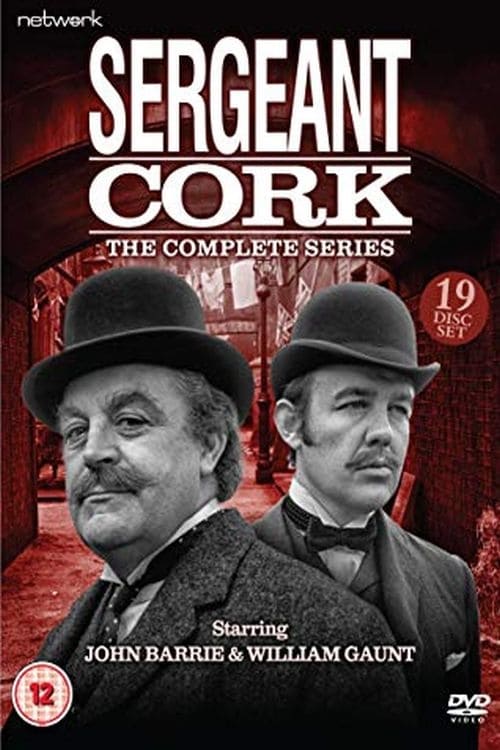
Sergeant Cork is a British detective television series which first aired between 1963 and 1968 on ITV. It was a police procedural show that followed the efforts of two police officers and their battle against crime in Victorian London. In all 66 hour-long episodes were aired during the five-year run, although the last episode was not broadcast until January 1968, 16 months after the others. Journalist Tom Sutcliffe has credited it as a first example of the use of the Victorian-era policeman in a television crime series. A 1969 review in The Age opined that rather than suspense, the strengths of the series were its "excellent period settings and wonderfully thick pea-soupers" which "add up to splendid evocative stuff", as well as the performance of star John Barrie. At no time during the whole series is Sergeant Cork's first name given.
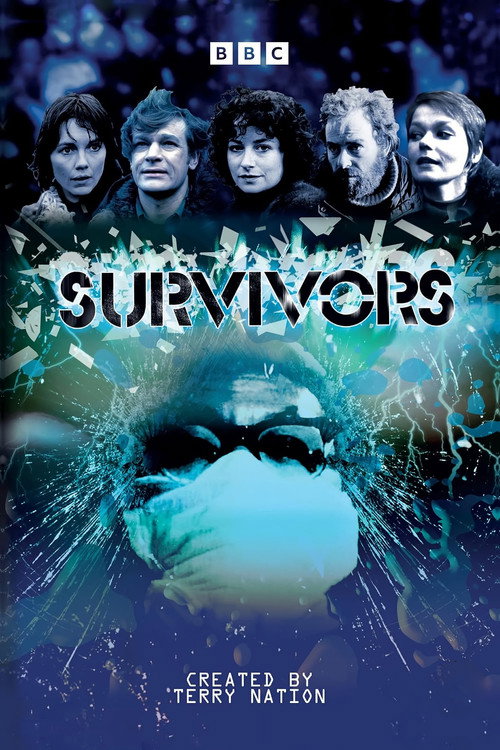
Survivors is a British post-apocalyptic fiction television series devised by Terry Nation and produced by Terence Dudley at the BBC from 1975 to 1977. It concerns the plight of a group of people who have survived an accidentally released plague – referred to as "The Death" – that kills nearly the entire human population of the planet.
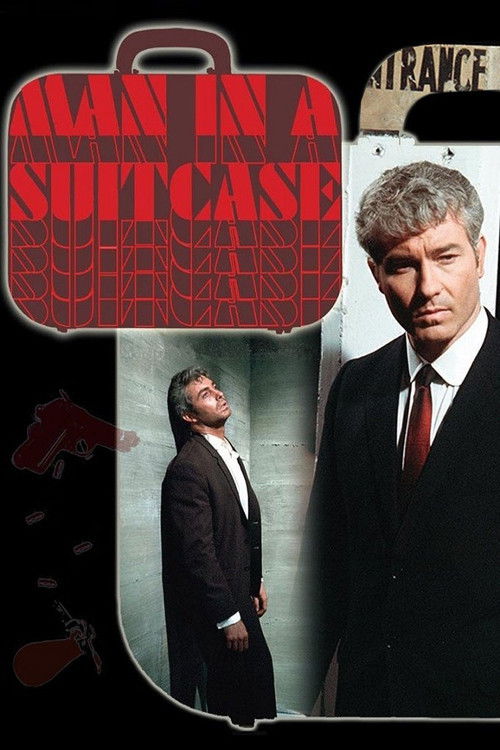
Accused of treason, a former U.S. intelligence officer based in London tries to clear his name, taking on freelance jobs around Europe as he searches for answers.
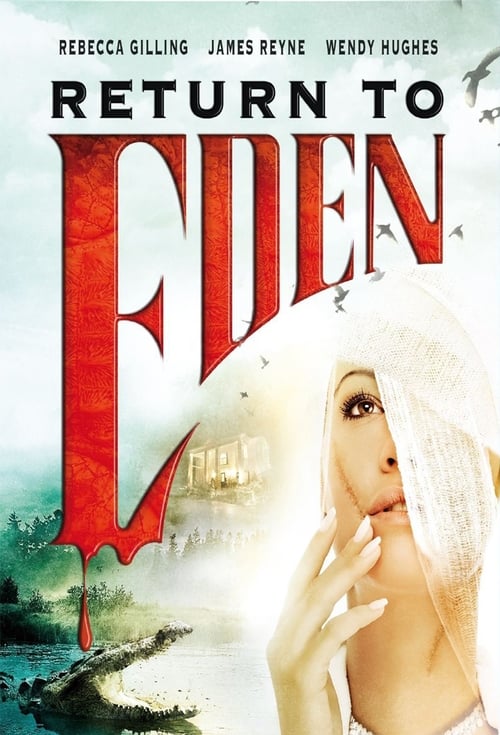
Rich but insecure heiress Stephanie Harper believes she's found true love with tennis pro Greg Marsden, but after the nuptials, Greg promptly begins an affair with Stephanie’s best friend, Jilly Stewart. Whilst on their honeymoon, Greg pushes Stephanie into a crocodile-infested swamp, and he and Jilly watch as she is apparently mauled to death. However, Stephanie miraculously survives and travels to an island clinic where she undergoes extensive plastic surgery. Using her new identity, Tara Welles, and fortune, she plots revenge on Greg and Jilly, aiming to take back what's rightfully hers.
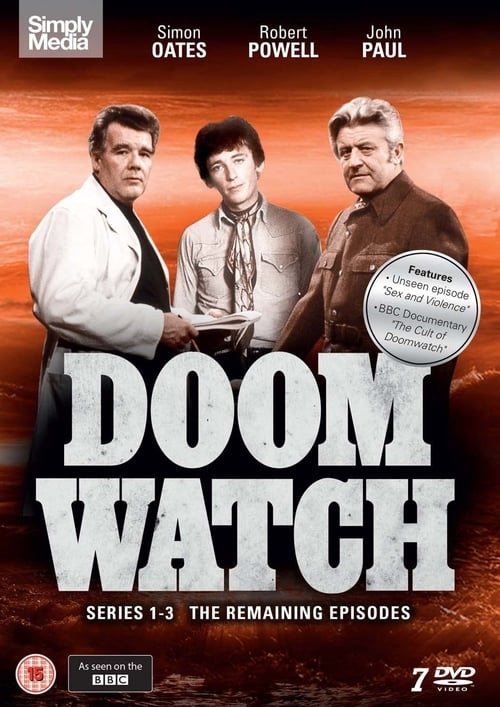
Doomwatch is a British science fiction television programme produced by the BBC, which ran on BBC 1 between 1970 and 1972. The series was set in the then present-day, and dealt with a scientific government agency led by Doctor Spencer Quist, responsible for investigating and combating various ecological and technological dangers. The series was followed by a film adaptation produced by Tigon British Film Productions and released in 1972, and a revival TV film was broadcast on Channel 5 in 1999.
The global adventures of Ken Franklin, ace operative of the William J. Burns Detective Agency, qualify as a pop-culture curio if only for star Arthur---later Art---Fleming, who hosted the original `Jeopardy!'
Written and filmed to reflect the reality of life in the Royal Navy and the Royal Marines in the 1970s, most stories focus on the Captain and his fellow officers, with subplots dealing with life on the lower decks. Episodes typically featured a variety of events at sea (the Cold War, smuggling, the evacuation of civilians from crisis-hit places, etc.), as well as the personal lives of officers and ratings and the impact their personal lives had on their professional lives and duties.
Jubilee 1977 is a thirteen-part 1977 BBC One television limited series produced by Pieter Rogers, an anthology centred around the Silver Jubilee of Elizabeth II marked the twenty-fifth anniversary of the accession on Elizabeth II on 6 February 1952. It was celebrated with large-scale parties and parades in the United Kingdom and the Commonwealth throughout 1977, culminating in June with the official 'Jubilee Days', held to coincide with the Queen's Official Birthday.