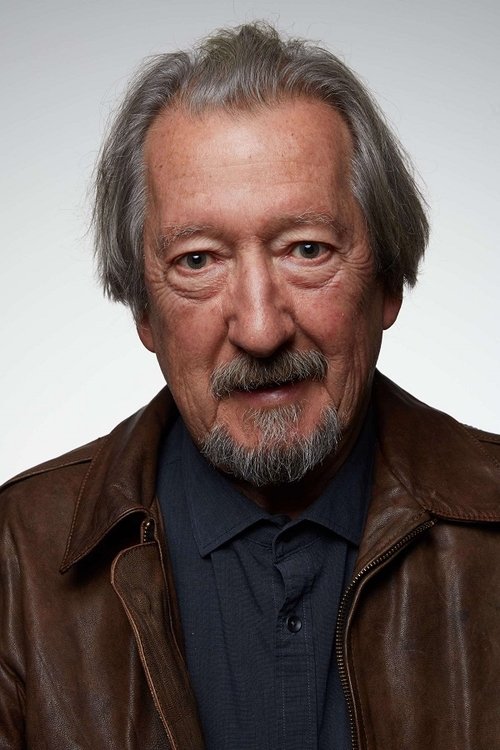
Michael Caton
Acting
Biography
From Wikipedia, the free encyclopedia Michael Caton (born in Monto, Queensland, 1943) is an Australian television, film and stage actor, and television host, best known for playing Uncle Harry in the Australian television series, The Sullivans, playing Darryl Kerrigan from 1997's low budget hit film The Castle, and playing in the popular Packed to the Rafters. He is married to Helen Esakoff. Description above from the Wikipedia article Michael Caton, licensed under CC-BY-SA, full list of contributors on Wikipedia.
Known For
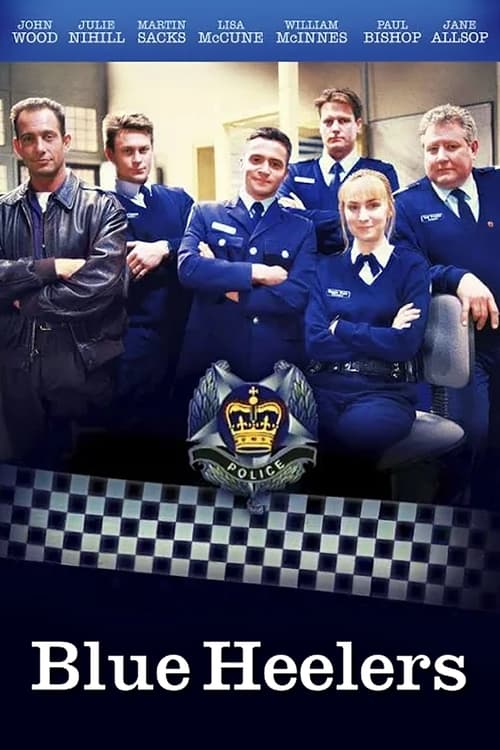
Blue Heelers was one of Australia's longest running weekly television drama series. Blue Heelers is a police drama series set in the fictional country town of Mount Thomas. Under the watchful eye of Tom Croydon (John Wood), the men and women of Mount Thomas Police Station fight crime, resolve disputes and tackle the social issues of the day. We watch their successes and their failures and learn to grow with them and their loved ones as the heart of the series develops.
Blue Heelers
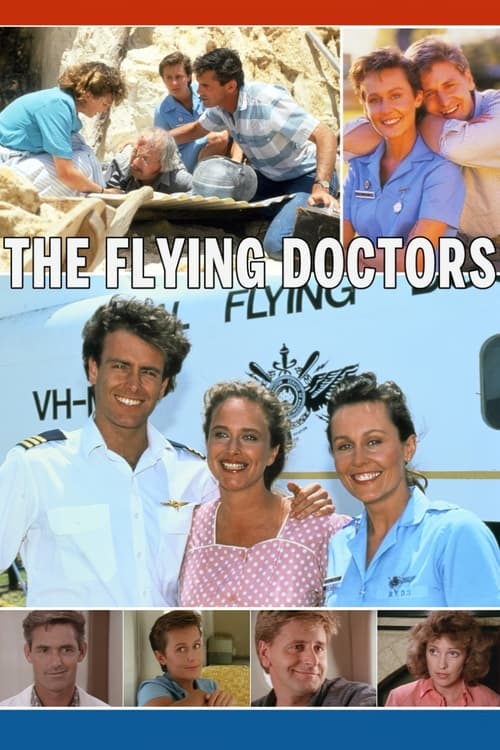
The Flying Doctors is an Australian drama series produced by Crawford Productions that revolved around the everyday lifesaving efforts of the real Royal Flying Doctor Service of Australia. It was initially a 1985 mini-series based in the fictional outback town of Cooper's Crossing starring Andrew McFarlane as the newly arrived Dr. Tom Callaghan. The success of the mini series led to its return the following year as an on-going series with McFarlane being joined by a new doctor, Chris Randall, played by Liz Burch. McFarlane left during the first season and actor Robert Grubb came in as new doctor Geoff Standish. The series' episodes were mostly self-contained but also featured ongoing storylines, such as Dr. Standish's romance with Sister Kate Wellings. Other major characters included pilot Sam Patterson, mechanic Emma Plimpton, local policeman Sgt. Jack Carruthers and Vic and Nancy Buckley, who ran the local pub/hotel, The Majestic. Andrew McFarlane also later returned to the series, resuming his role as Dr. Callaghan. The popular series ran for nine seasons and was successfully screened internationally.
The Flying Doctors
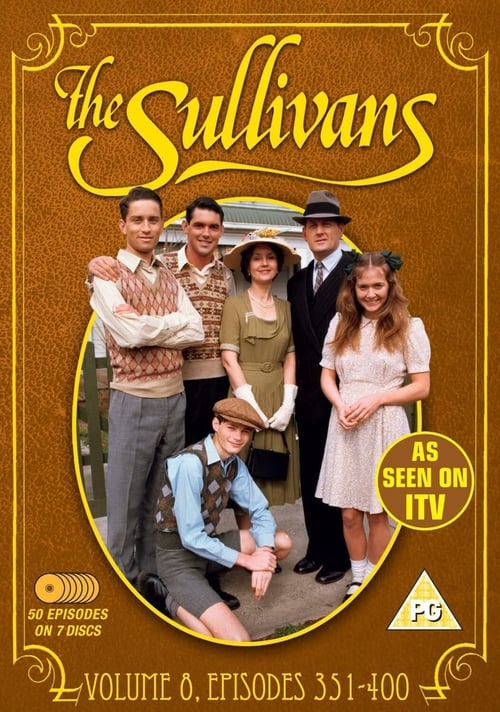
The Sullivans is an Australian drama television series produced by Crawford Productions which ran on the Nine Network from 1976 until 1983. The series told the story of an average middle-class Melbourne family and the effect World War II had on their lives. It was a consistent ratings success in Australia, and also became popular in the United Kingdom, Ireland, Netherlands, Gibraltar and New Zealand.
The Sullivans
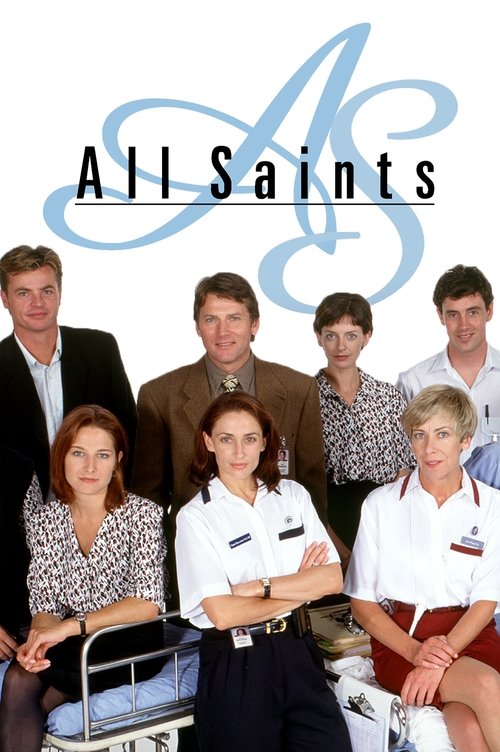
Medical drama focusing on the working and personal lives of the doctors and nurses working on the front line of a busy inner city Emergency Department at All Saints Hospital.
All Saints
Rafferty's Rules was an Australian television drama series which ran from 1987 to 1990 on the Seven Network. Rafferty's Rules was one of the first programs undertaken by the Seven Network's then new in-house drama unit, going into production in May 1985 as "a 15-part courtroom drama". The program had started out as a pilot episode, recorded in early 1984 with the actor Chris Haywood in the lead role. When the pilot episode was remounted later in 1984, Chris Haywood wasn't available and the lead role was re-cast to John Wood. This second recording was eventually broadcast as the program's first episode.
Rafferty's Rules
Putting the "real" back into reality television, Australian Story is an award-winning documentary series with no narrator and no agendas — just authentic stories told entirely in people's own words.
Australian Story
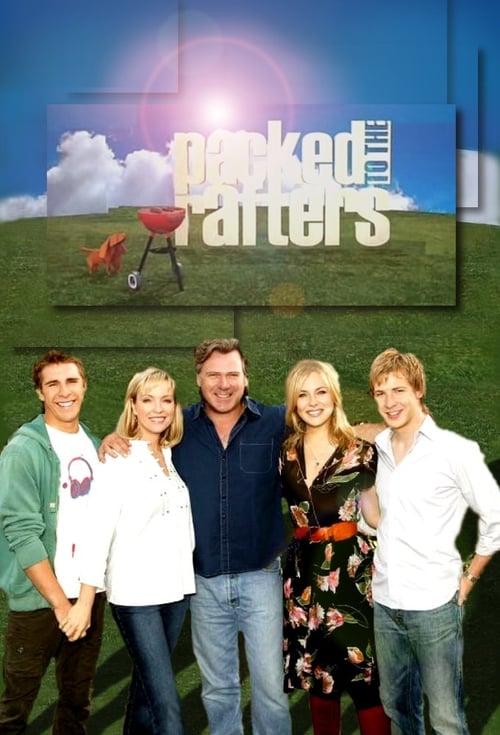
Packed to the Rafters is an Australian family-oriented television series which premiered on the Seven Network on Tuesday 26 August 2008 at 8:30 pm. The show has continued on Tuesdays in this timeslot for its entire run. The drama series features a mix of lighthearted comedy woven through the plot. It revolves around the Rafter family facing work pressures and life issues, whilst also tackling serious social issues. The Logie award winning series was the highest rating to screen on the Seven Network in 2008, and the show has consistently been among the top 5 shows of the year throughout its run in Australia. It was announced in TV Week that the sixth season of Packed to the Rafters would be the last, with Hugh Sheridan stating: "It's emotional letting go of Rafters – for all of us. It was such an amazing chapter in Aussie TV. I'm really proud we all came back together to send it off." The two-hour series finale of Rafters aired on 2 July 2013, which saw the return of Hugh Sheridan, Jessica Marais, Ryan Corr, Jessica McNamee and James Stewart. Rebecca Gibney said, "The cast, writers and producers have always said that we wanted to keep Rafters as one of the most-watched shows on TV. If we ever felt like we were losing too many cast members, we needed to end it on a high. We can say season six winds up an aspect of the Rafter family and there is a sense of finality to it."
Packed to the Rafters
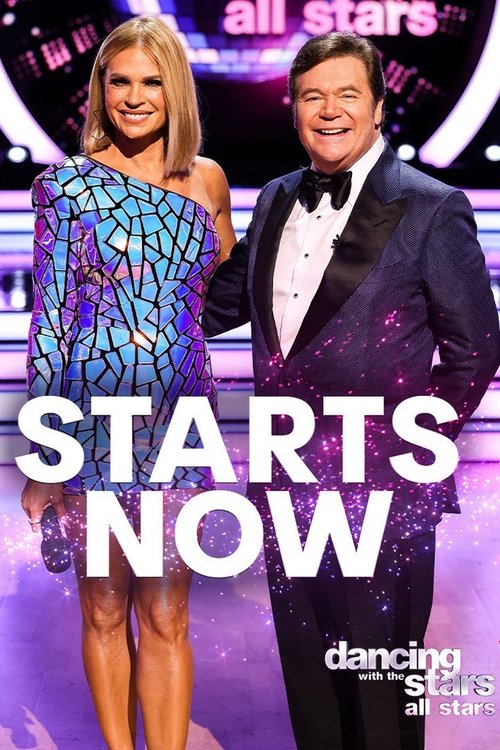
Celebrities and their professional dance partners strut their stuff on the dancefloor. Each week, one couple is voted off by the public and a panel of judges. And so it goes week after week until just one star remains.
Dancing with the Stars
Paradise Beach is an Australian television series made by Village Roadshow Pictures. It is associated with New World Television for the Nine Network that aired between 1993 and 1994. The series is set around characters living and working on Queensland's Gold Coast and was filmed largely on location, offering views of crashing waves, golden beaches and scantily clad young women and men. Paradise Beach was intended not only as a rival to Australian soaps Neighbours and Home and Away but also to be the first breakthrough Australian soap to make it in America.
Paradise Beach

When loser Marvin Mange is involved in a horrible car accident, he's brought back to life by a deranged scientist as half man and half animal. His newfound powers are awesome -- but their adverse side effects could take over his life. Now, Marvin must fight to control his crazy primal urges around his new squeeze, Rianna, and his rival, Sgt. Sisk, who both think he's one cool cat.
The Animal
Long-running anthology program sponsored by Hallmark Cards. Beginning in 1951 and continuing into 2019, the series received 80 Emmy Awards, 24 Christopher Awards, 11 Peabody Awards, 9 Golden Globes, and 4 Humanitas Prizes. Early seasons were a weekly live drama, eventually transitioning to videotaped and then filmed productions broadcast as occasional specials.
Hallmark Hall of Fame
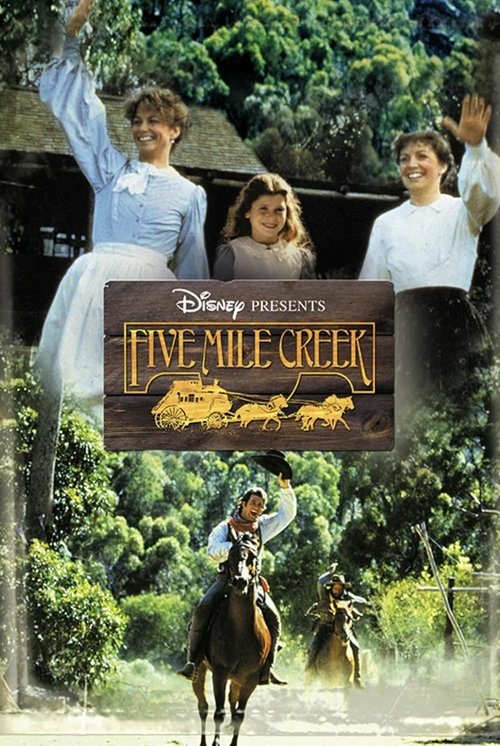
Five Mile Creek is a western television drama series produced in Australia; starred Liz Burch, Louise Caire Clark, Rod Mullinar, Jay Kerr, Michael Caton, Peter Carroll, Gus Mercurio, Martin Lewis, Priscilla Weems and a young Nicole Kidman. Jonathan Frakes was a guest star as Maggie's estranged husband, Adam Scott. The series aired on the Disney Channel in the US in the 1980s.
Five Mile Creek
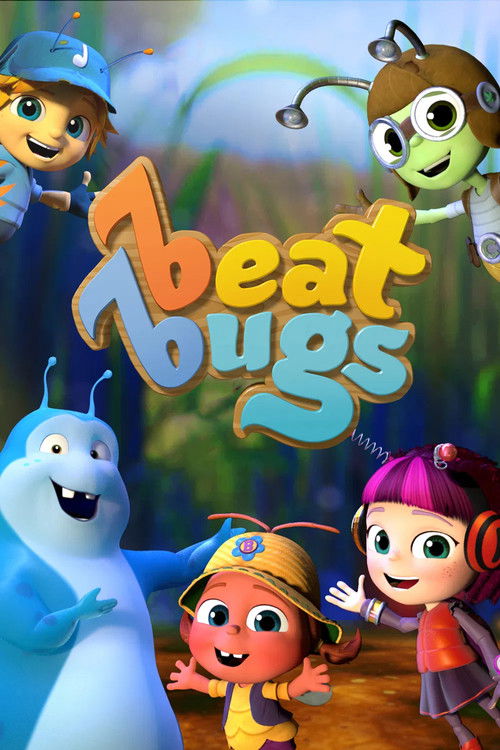
Jay, Kumi, Crick, Buzz, and Walter are best friends who band together to explore and learn in an overgrown suburban backyard, which to them is their entire universe. Each episode of this animated series features songs by The Beatles performed by artists including Daniel Johns, Robbie Williams and Pink to tell uplifting and life-affirming stories filled with hope and melody.
Beat Bugs
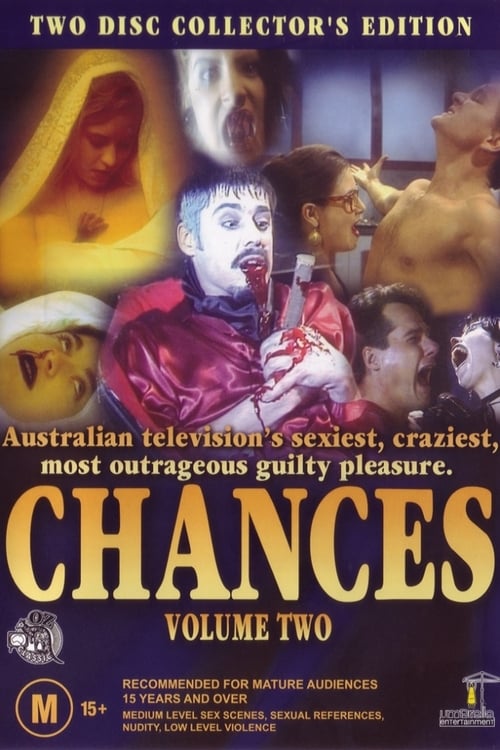
Chances was an Australian evening soap opera, produced from 1991 to 1992. It told the story of the average middle-class Taylor family whose lives are transformed by winning $3 million in the lottery. The series was broadcast by the Nine Network, initially as two one-hour episodes each week. Principal cast members included John Sheerin and Brenda Addie as Dan and Barbara Taylor, Jeremy Sims as their mischievous son Alex, Deborah Kennedy as Dan's sister Connie Reynolds, Tim Robertson as Dan's brother Jack, Anne Grigg as his wife Sarah, and Michael Caton as neighbourhood friend Bill Anderson. Originally, creator Lynn Bayonas pitched the show as a family-oriented drama; however to help ensure the program's success, Channel Nine asked for nude scenes and risqué elements to also be included in the series. Initial publicity for the show focused on the sex angle, and it was for this that Chances was chiefly known.
Chances
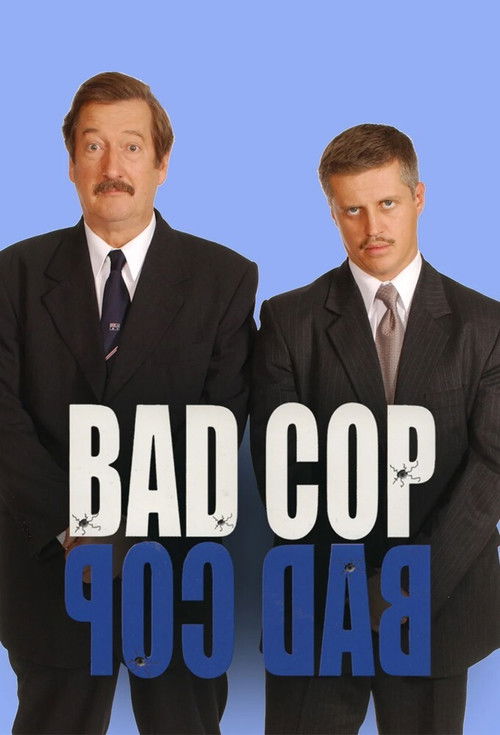
Police officers Lilywhite and Knutt (the "bad cop, bad cop" of the title) are hopelessly incompetent. Lafever is their friend, a lawyer with a relaxed attitude to the goings-on. Police graft, corruption and brutality are satirised in a very dry comic fashion, and with a stream of matter-of-fact obscenities.
Bad Cop, Bad Cop
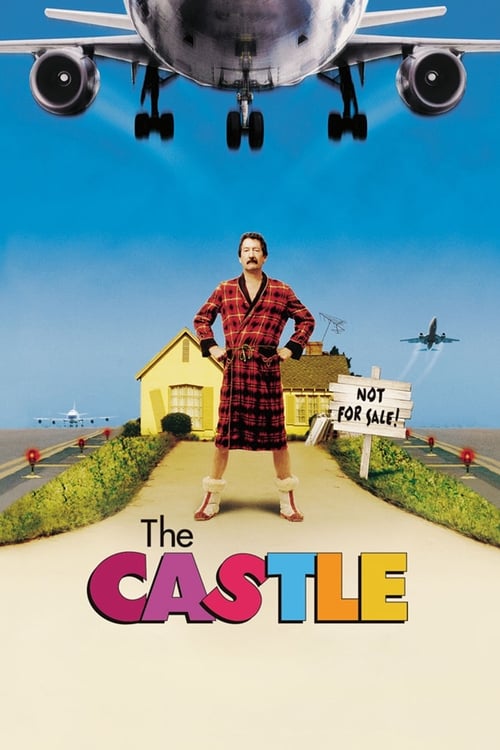
The quirky Kerrigan family lives together in a makeshift home they built themselves – with great pride and a bizarre attention to detail – a few yards from the edge of Melbourne, Australia's busy Tullamarine Airport. When a building inspector condemns the building and reveals that the government plans to use their land for an airport expansion, Darryl Kerrigan and his brood recruit hack attorney Dennis Denuto and prepare themselves for the fight of their lives.
The Castle
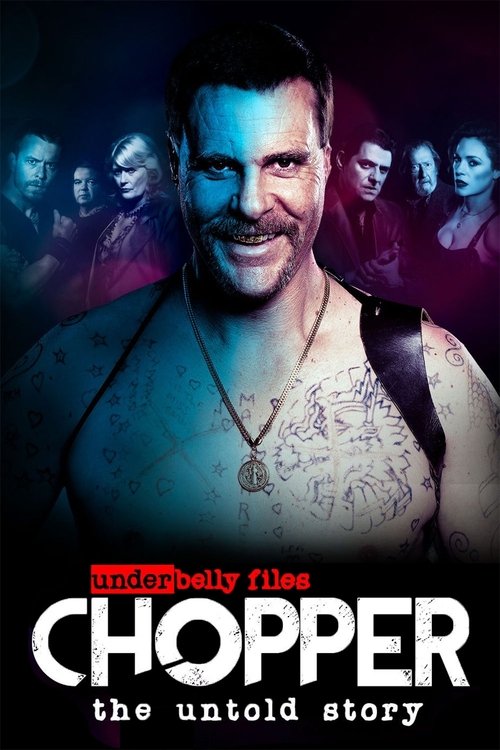
Mark "Chopper" Read established a reputation of infamy by becoming one of the toughest criminals in Australian history. But in order to secure the affections of the woman he loves, Chopper fights to go straight. Yet the sins of his past, his ego and an ongoing feud with Syd Collins will make his hopes of a straight life a dangerous and near-impossible enterprise. Underbelly Files: Chopper explores the collision of Chopper's two competing identities — the myth and the man.
Underbelly Files: Chopper
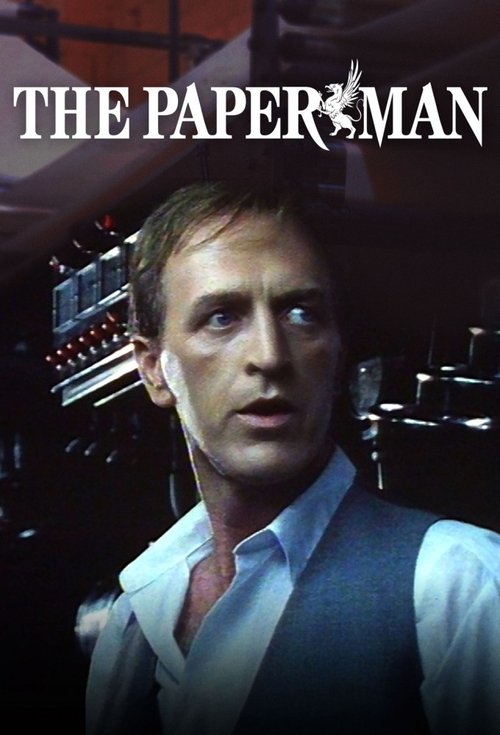
The Paper Man is a 1990 mini series about a fictitious media mogul.
The Paper Man
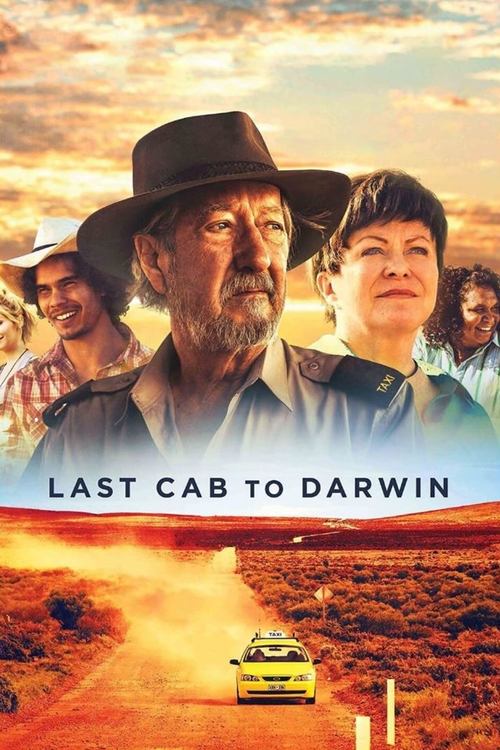
Rex is a loner, and when he's told he doesn't have long to live, he embarks on an epic drive through the Australian outback from Broken Hill to Darwin to die on his own terms; but his journey reveals to him that before you can end your life, you have to live it, and to live it, you've got to share it.
Last Cab to Darwin

A compelling personal journey with David Stratton, as he relates the fascinating development of our cinema history. David guides us from his boyhood cinema experience of Australia in England, where he saw the first images of this strange and exotic landscape via the medium of film, to his migration to Australia as a ‘ten pound pom’ in 1963 and onto his present day reflections on the iconic themes that run through our cinematic legacy. All of this reflects a passionate engagement in a uniquely Australian medium. Parallel and at the heart of the series is the story of an industry whose growing pains David has witnessed over a lifetime. Alongside David, the protagonists of this history are the giants of Australian cinema – both behind the camera and in front of it.