Vincent Ball
Acting
Biography
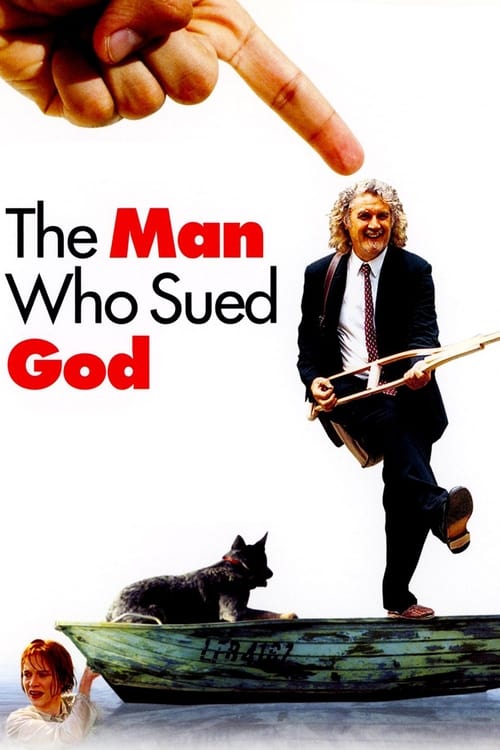
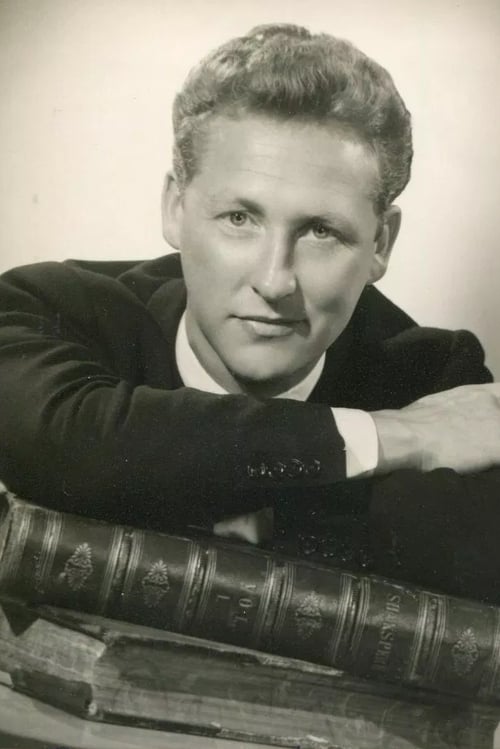
Vincent Martin Ball OAM (born 4 December 1923) is an Australian-born retired character actor of radio, stage and screen, active in the industry for nearly 55 years (with a brief return) firstly in Britain and then his native Australia. He has also authored a number of books. He is best known for film roles in British and Australian films and TV movies, including A Town Like Alice, Breaker Morant, Phar Lap, Muriel's Wedding and The Man Who Sued God. He appeared in numerous TV roles, primarily in cameo guest roles, but had recurring roles in serials like Rush, The Young Doctors, A Country Practice and Home and Away. Vincent Ball has also worked variously in theatre, including Shakespeare, with productions of Henry IV and Romeo and Juliet and a musical based on Charles Dickens famous novel Great Expectations. From Wikipedia, the free encyclopedia
Known For

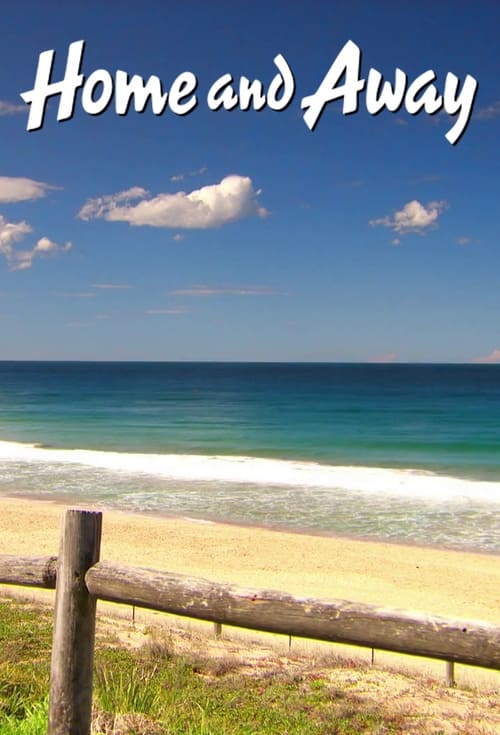
Home and Away is set in the fictional town of Summer Bay, a coastal town in New South Wales, and follows the personal and professional lives of the people living in the area. The show initially focused on the Fletcher family, Pippa and Tom Fletcher and their five foster children Frank Morgan, Carly Morris, Steven Matheson, Lynn Davenport and Sally Keating, who would go on to become one of the show's longest-running characters. The show also originally and currently focuses on the Stewart family. Home and Away had proved popular when it premiered in 1988 and had risen to become a hit in Australia, and after only a few weeks, the show tackled its first major and disturbing storyline, the rape of Carly Morris; it was one of the first shows to feature such storylines during the early timeslot. H&A has tackled many adult-themed and controversial storylines; something rarely found in its restricted timeslot.
Home and Away

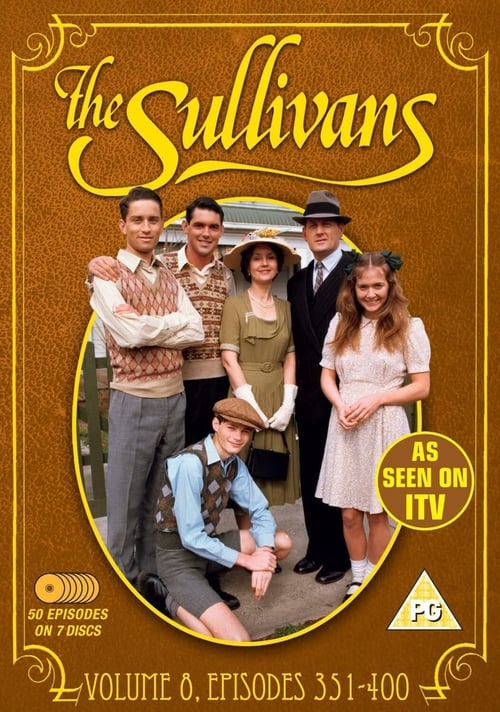
The Sullivans is an Australian drama television series produced by Crawford Productions which ran on the Nine Network from 1976 until 1983. The series told the story of an average middle-class Melbourne family and the effect World War II had on their lives. It was a consistent ratings success in Australia, and also became popular in the United Kingdom, Ireland, Netherlands, Gibraltar and New Zealand.
The Sullivans

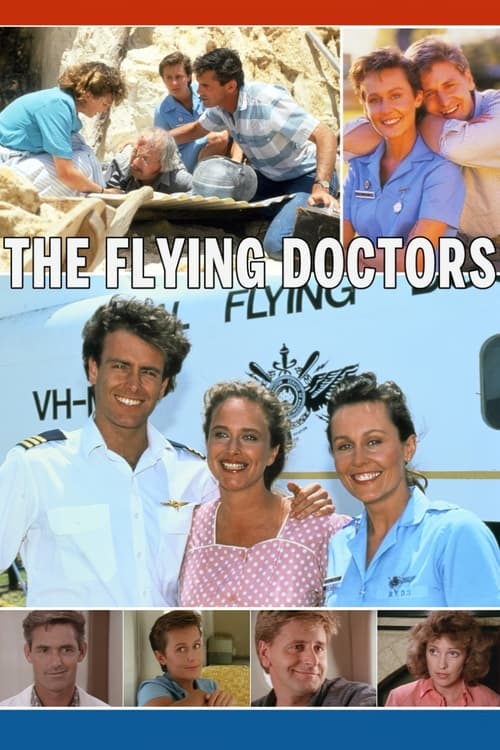
The Flying Doctors is an Australian drama series produced by Crawford Productions that revolved around the everyday lifesaving efforts of the real Royal Flying Doctor Service of Australia. It was initially a 1985 mini-series based in the fictional outback town of Cooper's Crossing starring Andrew McFarlane as the newly arrived Dr. Tom Callaghan. The success of the mini series led to its return the following year as an on-going series with McFarlane being joined by a new doctor, Chris Randall, played by Liz Burch. McFarlane left during the first season and actor Robert Grubb came in as new doctor Geoff Standish. The series' episodes were mostly self-contained but also featured ongoing storylines, such as Dr. Standish's romance with Sister Kate Wellings. Other major characters included pilot Sam Patterson, mechanic Emma Plimpton, local policeman Sgt. Jack Carruthers and Vic and Nancy Buckley, who ran the local pub/hotel, The Majestic. Andrew McFarlane also later returned to the series, resuming his role as Dr. Callaghan. The popular series ran for nine seasons and was successfully screened internationally.
The Flying Doctors

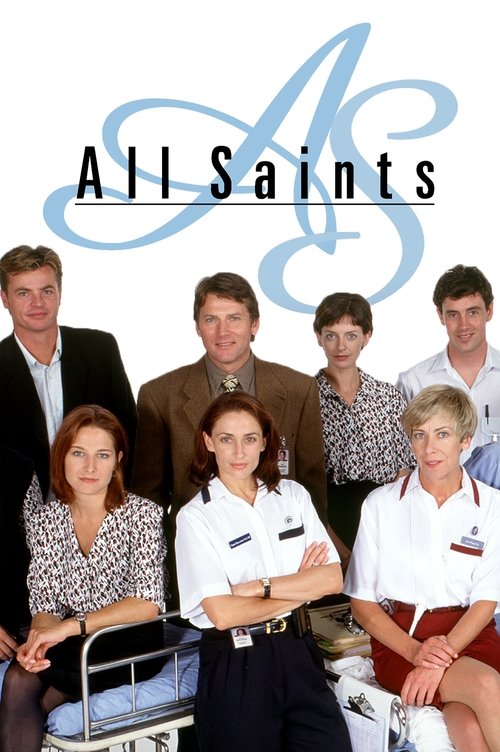
Medical drama focusing on the working and personal lives of the doctors and nurses working on the front line of a busy inner city Emergency Department at All Saints Hospital.
All Saints

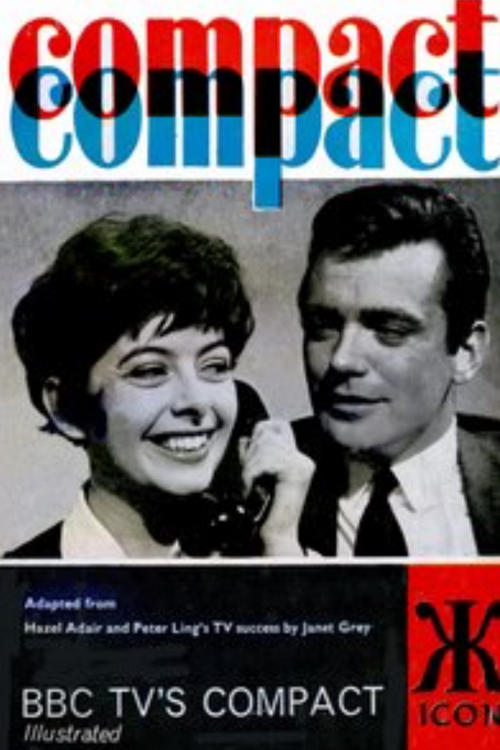
Compact was a British television soap opera shown by the BBC between 1962 and 1965. The series was created by Hazel Adair and Peter Ling, who together went on to devise Crossroads. In contrast to the kitchen sink realism of Coronation Street, Compact was a distinctly middle-class serial, set in the more "sophisticated" arena of magazine publishing. An early "avarice" soap, it took the viewer into the business workplace, and aligned the professional lives of the characters with more personal storylines. The show was scheduled for broadcast on Tuesdays and Thursdays, thus avoiding a clash with ITV's Coronation Street on Mondays and Wednesdays. When Compact began, the editor was a woman, Joanne Minster, yet it was not long before she was replaced by Ian Harmon, the son of the magazine's owner. Despite being largely criticised by reviewers, Compact was popular with the general public, and in 1964 a regular omnibus edition was introduced, broadcast on Sundays. Morris Barry, a some-time actor and BBC director – he directed several Doctor Who stories in the 1960s – took over as producer and was given a brief to spice the series up in view of the criticism it had received from the national press. But the BBC, never comfortable with the concept of soap opera, quietly dropped the series in 1965.
Compact

Rafferty's Rules was an Australian television drama series which ran from 1987 to 1990 on the Seven Network. Rafferty's Rules was one of the first programs undertaken by the Seven Network's then new in-house drama unit, going into production in May 1985 as "a 15-part courtroom drama". The program had started out as a pilot episode, recorded in early 1984 with the actor Chris Haywood in the lead role. When the pilot episode was remounted later in 1984, Chris Haywood wasn't available and the lead role was re-cast to John Wood. This second recording was eventually broadcast as the program's first episode.
Rafferty's Rules
The global adventures of Ken Franklin, ace operative of the William J. Burns Detective Agency, qualify as a pop-culture curio if only for star Arthur---later Art---Fleming, who hosted the original `Jeopardy!'
International Detective

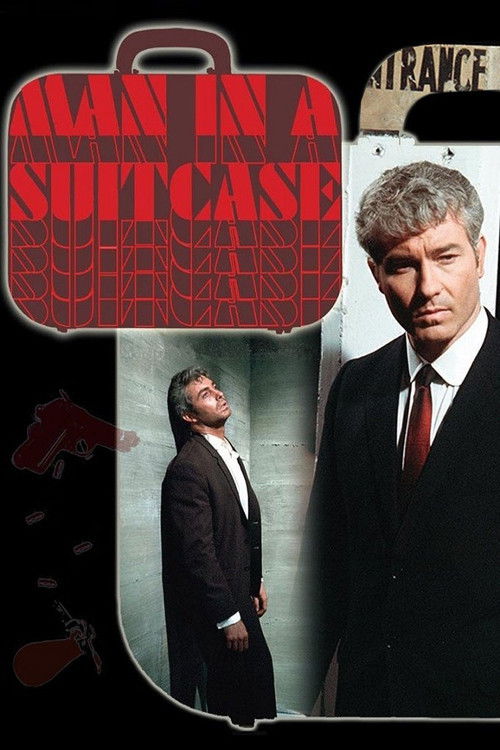
Accused of treason, a former U.S. intelligence officer based in London tries to clear his name, taking on freelance jobs around Europe as he searches for answers.
Man in a Suitcase

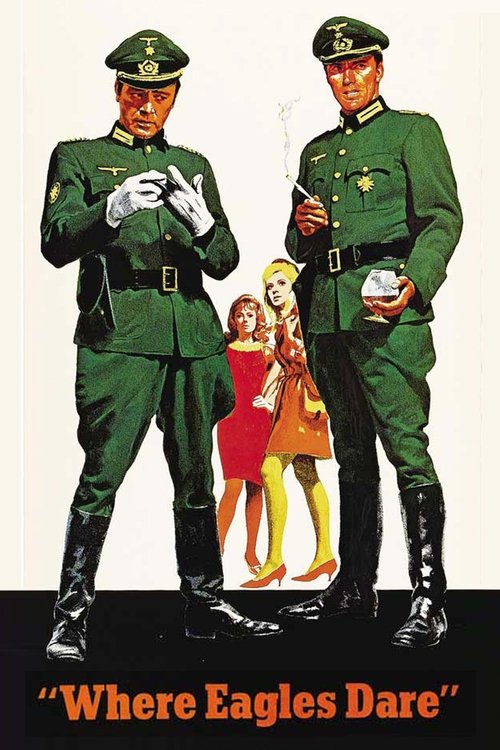
World War II is raging, and an American general has been captured and is being held hostage in the Schloss Adler, a Bavarian castle that's nearly impossible to breach. It's up to a group of skilled Allied soldiers to liberate the general before it's too late.
Where Eagles Dare

Rush was an Australian television series produced by the Australian Broadcasting Corporation between 1974 and 1976. The first 13 episodes were produced in 1974 and filmed in black and white. In 1976, 13 more episodes were produced, in colour, in conjunction with French production company Antenne 2. Each series featured a different cast with the exception of John Waters.
Rush

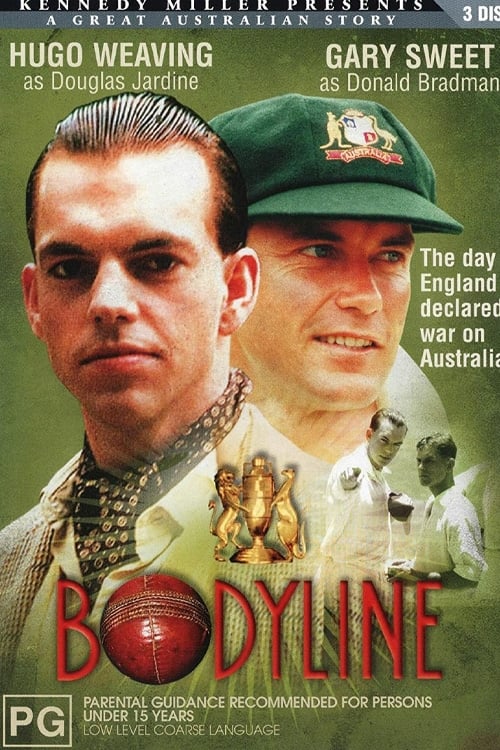
Dramatization of the 1932/33 Test cricket series between England and Australia. Played in Australia, the series gained notoriety in Australian and worldwide cricketing history for the fact that the English team (headed by captain Douglas Jardine) applied a bowling technique called "leg theory", or more commonly, Bodyline. This technique involved bowlers bowling the ball directly at the batsman's body, and resulted in many of the Australian team receiving numerous bruises and injuries, with batsman Bert Oldfield sustaining a cracked skull. The series generated much anger and resentment towards the English team within Australia and seriously damaged Anglo-Australian cricketing relations at the time.
Bodyline

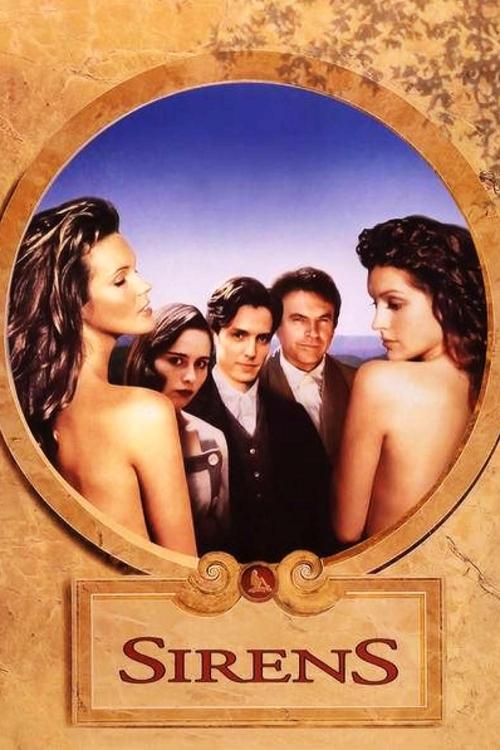
In 1930s Australia, Anglican clergyman Anthony Campion and his prim wife, Estella, are asked to visit noted painter Norman Lindsay, whose planned contribution to an international art exhibit is considered blasphemous. While Campion and Lindsay debate, Estella finds herself drawn to the three beautiful models sitting for the painter's current work, freethinking Sheela, sensual Pru and virginal Giddy.
Sirens

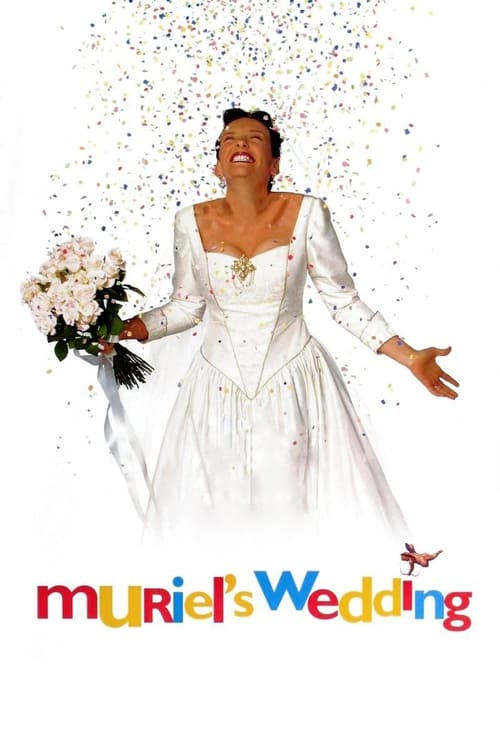
Socially awkward Muriel Heslop wants nothing more than to get married. Unfortunately, due to her oppressive politician father, Muriel has never even been on a date. Ostracized by her more socially adept friends, Muriel runs into fellow outcast Rhonda Epinstalk, and the two move from their small Australian town to the big city of Sydney, where Muriel changes her name and begins the arduous task of redesigning her life to match her fantasies.
Muriel's Wedding

Grass Roots is an Australian television series produced by the Australian Broadcasting Corporation between 2000 and 2003. The series is set around the fictional Arcadia Waters Council near Sydney, and was primarily a satirical look at the machinations of local government. It was written by Geoffrey Atherden. Part of the series was filmed in the inner west Sydney suburb of Concord. Many external shots of Arcadia waters Council chambers used Concord Council Chambers as a setting and as was other various locations around Concord, particularly in the shopping centre and cafes in Majors Bay Road. Beach scenes were filmed at Mona Vale, New South Wales on Sydney's northern beaches, while the location "Cemetery Point" was filmed at the Mona Vale headland reserve.
Grass Roots

Anzacs was a 1985 5-part Australian miniseries set in World War I. The series follows the lives of a group of young Australian men who enlist in the 8th Battalion of the First Australian Imperial Force in 1914, fighting first at Gallipoli in 1915, and then on the Western Front for the remainder of the war.
Anzacs

Bertram Oliphant 'Bo' West wants to clear his unjustly smeared reputation, so he joins the Foreign Legion—with Simpson his manservant in tow. But the fort they get posted to is full of eccentric legionnaires, and there's trouble brewing with the locals too. Unbeknown to Bo, his lady love has followed him in disguise.
Follow That Camel

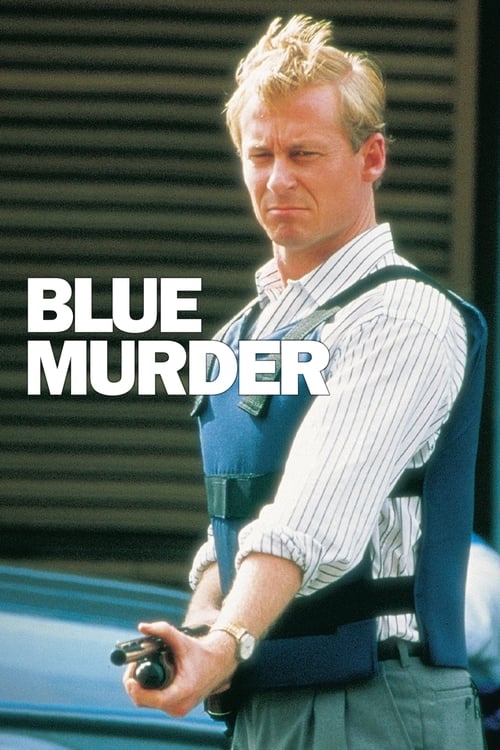
Set in the 1970s and 1980s in Sydney, the miniseries concerns the relationship between controversial former Detective Roger "the Dodger" Rogerson and notorious criminal Arthur "Neddy" Smith. Rogerson and his colleagues were accused of giving Smith a "green light" to commit crimes without Police interference, with the relationship fraying when Rogerson orders hitman Christopher "Mr. Rent-a-Kill" Flannery to murder Police Officer Michael Drury.
Blue Murder

In the early years of the World War II, the Royal Navy is fighting a desperate battle to keep the Atlantic convoy routes open to supply the British Isles, facing the great danger posed by the many German warships, such as the Admiral Graf Spee, which are scouring the ocean for cargo ships to sink.
The Battle of the River Plate

The working-class Smiths change their initially sunny views on World War I after the five boys of the family witness the harsh reality of trench warfare.
Oh! What a Lovely War
No description available.