Essie Coffey
Directing
Biography
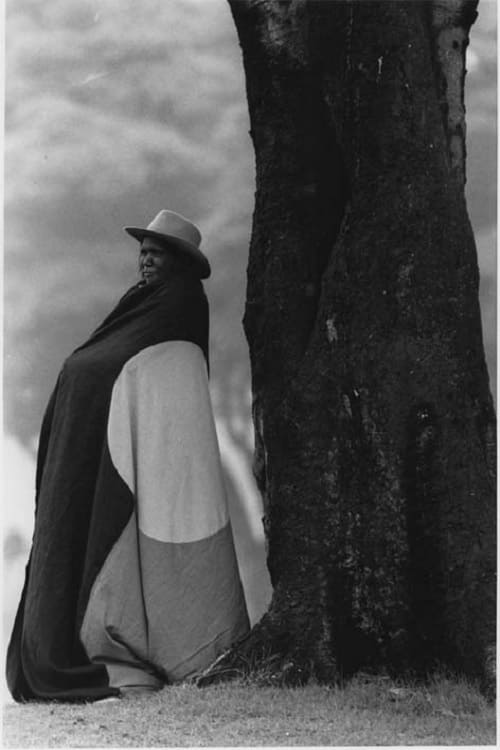
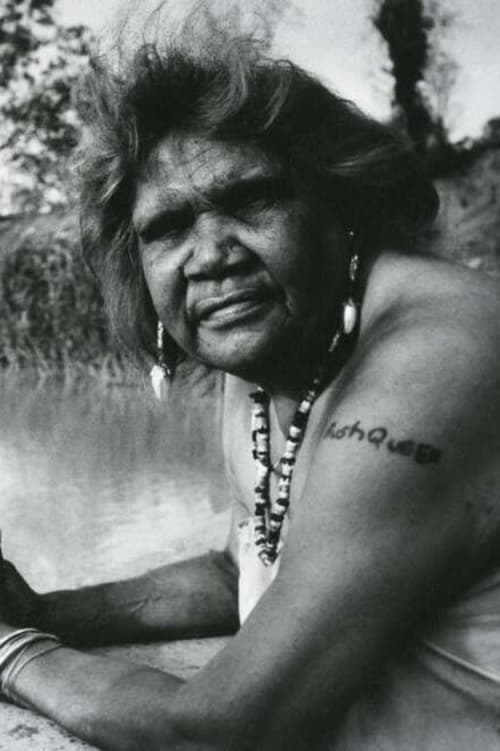
Affectionately known as the Bush Queen of Brewarrina, Muruwari community worker and filmmaker Essie Coffey left an indelible mark on Australian politics, arts, and culture. In 1978 she directed and produced My Survival as an Aboriginal, which she gave to Queen Elizabeth II as a gift at the opening of Australia's new Parliament House in 1988.
Known For

Follows the lives and struggles of four generations Australian Aboriginal women from the 1820s to the 1980s.
Women of the Sun

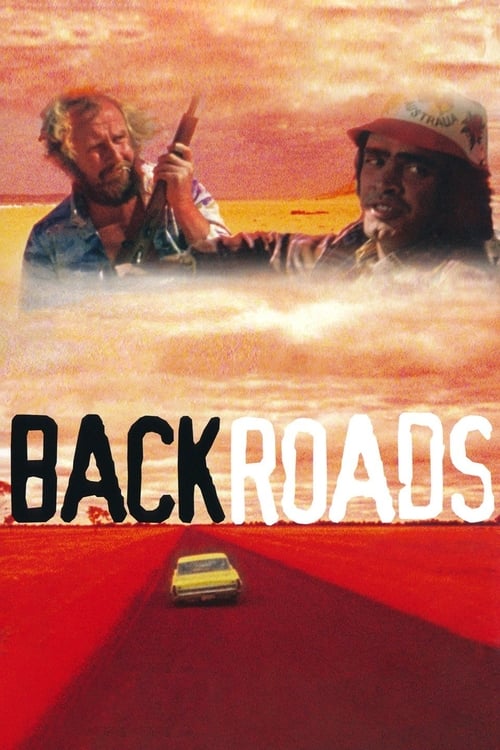
Two strangers – one white, one black – steal a car in western NSW and head for the coast. Jack is abrasive, cunning and disparaging about Aborigines. Gary doesn’t really care – he just wants to escape. En route, they pick up Gary’s Uncle Joe, a French hitchhiker and a young woman who’s running away. Their petty crimes escalate as they go, heading towards disaster.
Backroads

In her second film, MY LIFE AS I LIVE IT (1993), Essie Coffey returns to her home in Dodge City where she and the A-Team are running in the shire elections. Inter-cutting between 1993 and 1978, the film presents the fascinating contrasts of a society in transition. Some of the kids we met in the earlier film now have families of their own and are involved in education, art and sports. Others are drifting, trying to cope with alcohol and depression. Most significantly, community programs offer the possibility of dignity and self-determination. In this film, Essie shows us the Community Development Employment Program (CDEP) making a real difference. Although the CDEP has now come under attack from the Federal government, MY LIFE AS I LIVE IT portrays the CDEP as providing meaningful work and services to an impoverished remote community.
My Life As I Live It

Essie Coffey gives the children lessons on Aboriginal culture. She speaks of the importance of teaching these kids about their traditions. Aboriginal kids are forgetting about their Aboriginal heritage because they are being taught white culture instead.