FEEL IT.STREAM
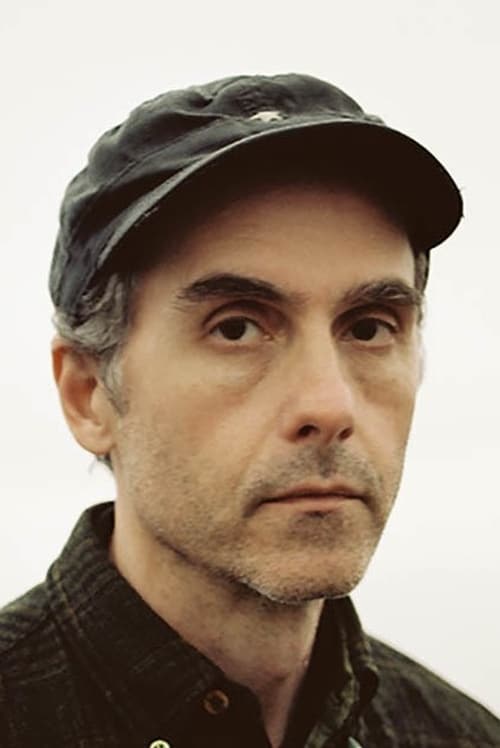
Jem Cohen

Jem Cohen

Directing

Biography

Born in Afghanistan, Jem Cohen is an American experimental filmmaker and photographer, especially known for his observational portraits of urban landscapes, blending of media formats, and collaborations with musicians. Cohen has worked extensively with musicians including Patti Smith, Fugazi, Terry Riley, R.E.M., Godspeed You! Black Emperor, Xylouris White, DJ Rupture, the Ex, Elliott Smith, Vic Chesnutt, Mary Margaret O’Hara, Matana Roberts, Jessica Moss, Jonathan Richman, T.Griffin/Catherine McRae, White Magic, and the Orpheus Orchestra with Gil Shaham, and has collaborated with writers Luc Sante and Sam Stephenson, and graphic artist Ben Katchor.
Known For

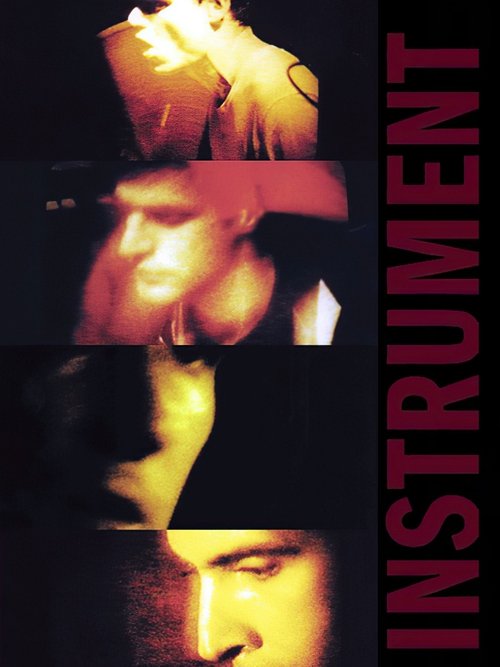
Instrument
6.9

The band Fugazi is documented over a period of more than ten years (1987-1998) through performance footage and interviews with the band and their fans. Director Jem Cohen's relationship with band member Ian MacKaye extends back to the 1970s when the two met in high school in Washington, D.C.. The film takes its title from the Fugazi song of the same name, from their 1993 album, In on the Kill Taker. Editing of the film was done by both Cohen and the members of the band over the course of five years. It was shot from 1987 through 1998 on super 8, 16mm and video and is composed mainly of footage of concerts, interviews with the band members, practices, tours and time spent in the studio recording their 1995 album, Red Medicine. The film also includes portraits of fans as well as interviews with them at various Fugazi shows around the United States throughout the years.

Instrument

1999Movie
No image
10.0

Black Hole Radio is an installation that consists of taped confessions of callers of the New York City Phone Confession Line and video images. The Phone Confession Line is based on anonymous callers ringing to confess on things they had done or thought like adultery, theft, murder or regrets. Thereafter anybody could call and listen to the confessions. Although making a confession was free, listening to a confession costs money. After Cohen got his hands on the confessions, he used them as an audio heartbeat to accompany video-images of every day life in New York City he had taken over the years. This installation is a portrait of the city with its dark secrets, hushed voices and nocturnal images. In this way Cohen tries to bring across an experience to the viewer that relies on absence, waiting and the effort to hear something in the dark.

Black Hole Radio

1992Movie