Frank D. Williams
Camera
Biography
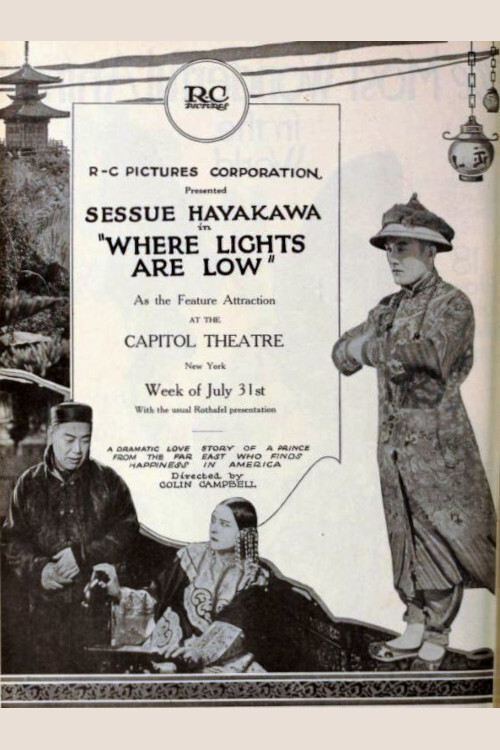
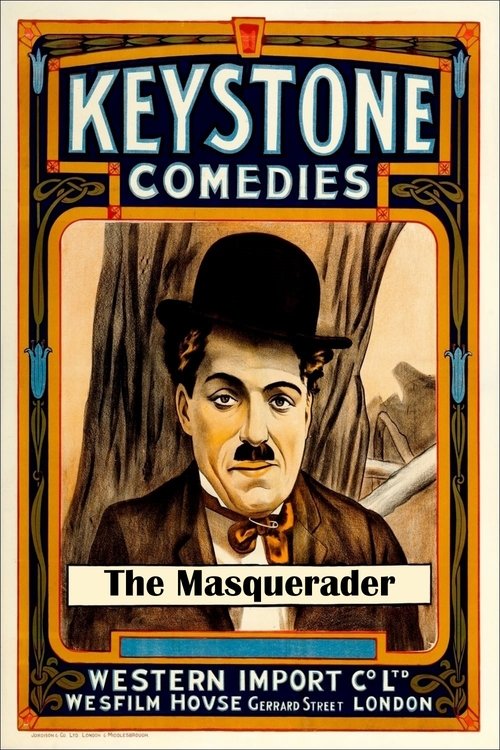
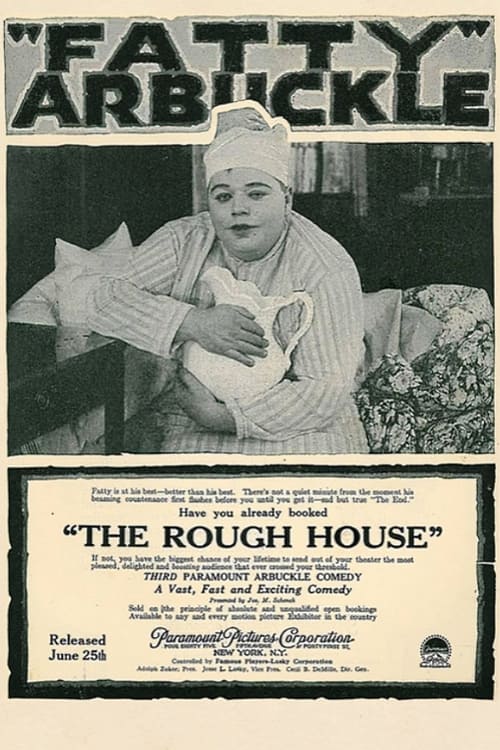
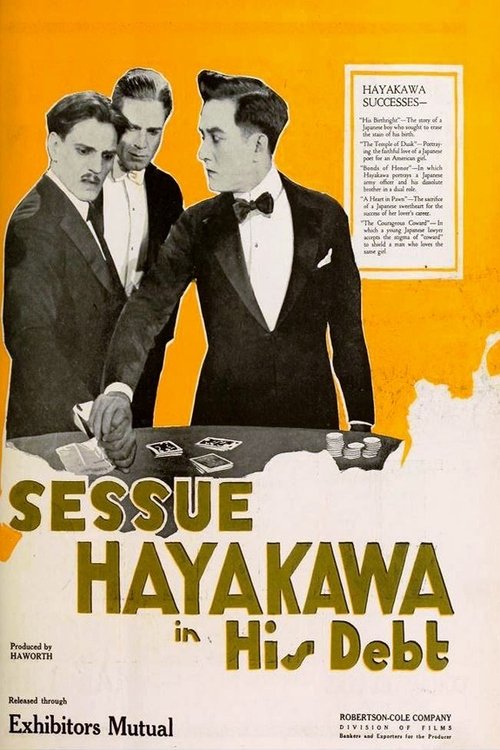
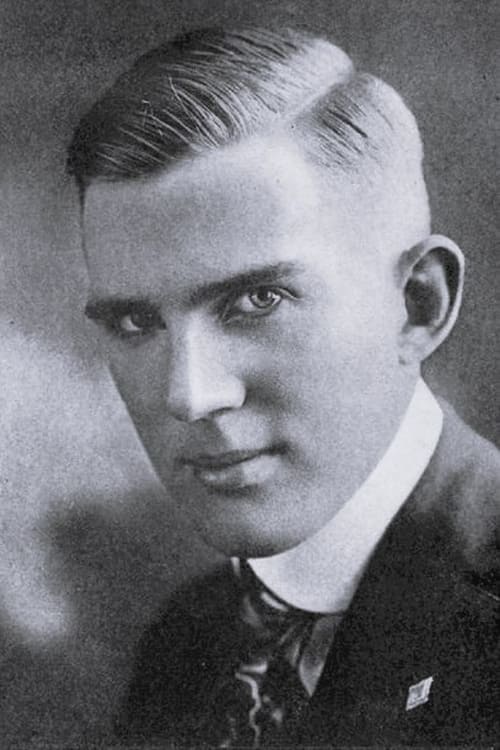
Frank D. Williams (March 21, 1893 – October 15, 1961) was a pioneering cinematographer who was active in the early days of the motion picture industry. He developed and patented the traveling matte shot. Frank D. Williams was born March 21, 1893, as Frank Douglas Williams, to James and Lucinda Williams in the small community of Nashville, Missouri. In 1912, Williams became a cameraman at Keystone Studios. There, in 1914, he was the photographer for many of Charlie Chaplin's first-year pictures, including Kid Auto Races at Venice which was the first film released in which The Tramp appeared. Williams is credited as appearing in Kid Auto Races at Venice, playing a cameraman, but his appearance is in doubt. For a time he was chief cinematographer at Keystone, and a large number of the studio's 1914 films are credited to him as photographer. He defected to work for the short-lived Sterling Motion Pictures, but returned to Keystone when Sterling closed in 1915. He also worked a camera for Henry Lehrman's L-Ko Kompany, Reliance-Majestic Studios, and Bluebird Photoplays. When Roscoe Arbuckle formed a new motion picture company, Comique, in 1917, he hired Williams to be his cameraman. At Comique, Williams also shot Buster Keaton's first film appearance, The Butcher Boy (1917). His tenure there was also short; he shot three films for Arbuckle (Butcher Boy, A Reckless Romeo, and The Rough House) before departing to start his own lab. His business did not get off the ground quickly, and he supplemented his income by continuing to work as a cameraman. He was director of photography at Sessue Hayakawa's Haworth Pictures Corporation and is credited with 15 pictures that came out of that studio between 1919 and 1921. While he was working as a cameraman at various studios, Williams worked on his idea for a traveling matte in which the actions of actors would be combined with a filmed moving background. Available technology prevented him from achieving the effect he envisioned until he built a printer himself to his own specification. He filed for a patent in May 1916, and it was granted in July 1918. The process was first used in a motion picture in 1922's Wild Honey. From Wikipedia, the free encyclopedia
Known For

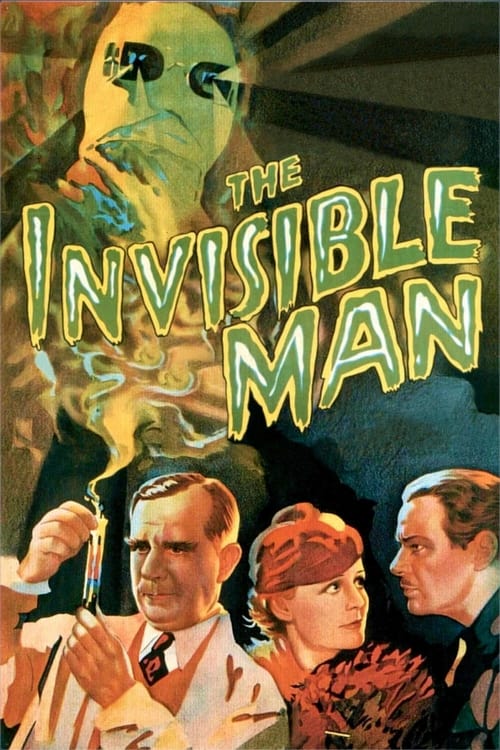
After experimenting on himself and becoming invisible, scientist Jack Griffin, now aggressive due to the drug's effects, seeks a way to reverse the experiment at any cost.
The Invisible Man

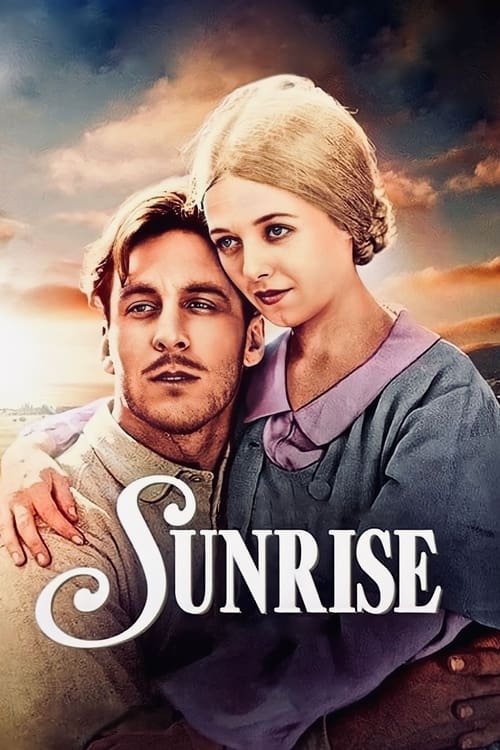
A married farmer falls under the spell of a slatternly woman from the city, who tries to convince him to drown his wife.
Sunrise: A Song of Two Humans

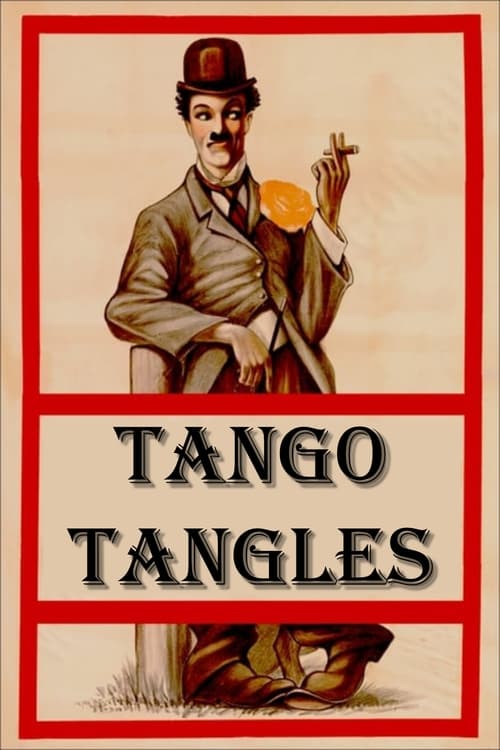
In a dance hall, two members of the orchestra and a tipsy dancer fight over the hat check girl.
Tango Tangles

Mary and her son Buster live in a single room in the slums of the city, having been deserted by their husband and father, wealthy Spencer Wellington. While selling newspapers, Buster meets Wang.
The Swamp

Mabel goes home after being humiliated by a masher whom her husband won't fight. The husband goes off to a bar and gets drunk.
Mabel's Married Life

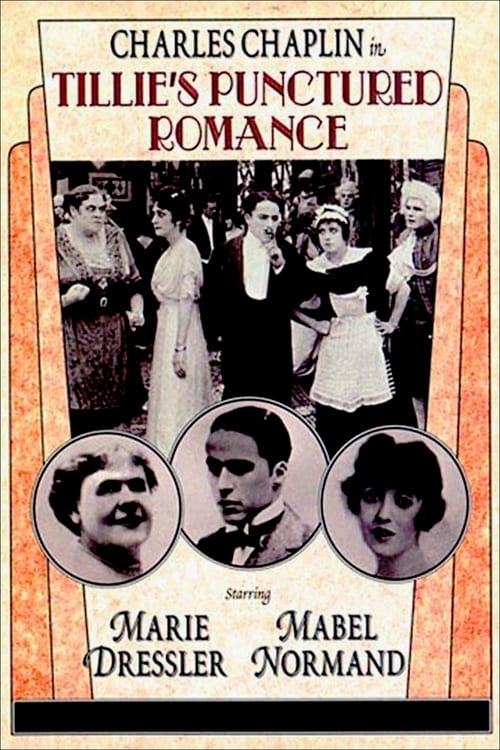
A womanizing city man meets Tillie in the country. When he sees that her father has a very large bankroll for his workers, he persuades her to elope with him.
Tillie's Punctured Romance

Two drunks fight with their wives and then go out and get even drunker.
The Rounders

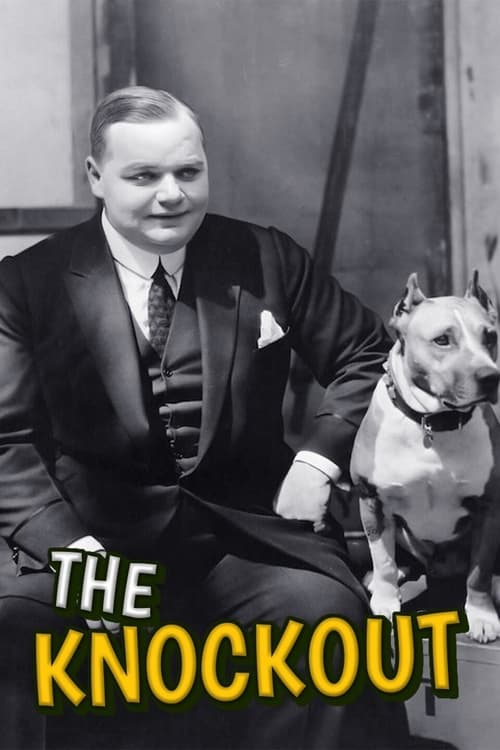
To show his girl how brave he is, Pug challenges the champion to a fight. Charlie referees, trying to avoid contact with the two monsters.
The Knockout

The hero, a janitor played by Chaplin, is fired from work for accidentally knocking his bucket of water out the window and onto his boss the chief banker (Tandy). Meanwhile, one of the junior managers (Dillon) is being threatened with exposure by his bookie for gambling debts unpaid. Thus the manager decides to steal from the company.
The New Janitor

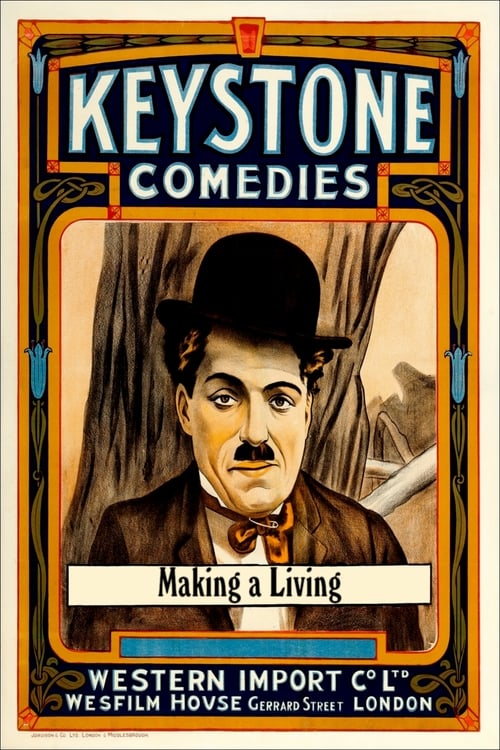
A swindler scams a newspaper reporter-photographer and then, not realizing where the man is employed, applies for a job at his newspaper.
Making a Living

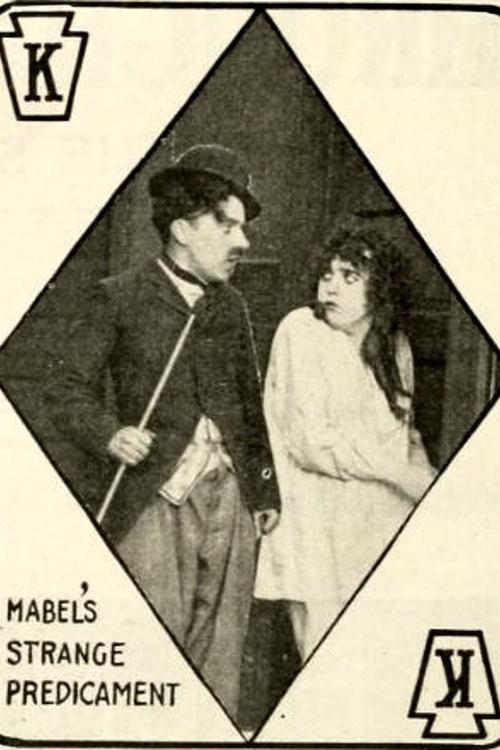
A tramp gets drunk in a hotel lobby and, upstairs, causes some misunderstandings between Mabel, two hotel guests across the hall from her room, and Mabel's visiting sweetheart.
Mabel's Strange Predicament

An impecunious customer creates chaos in a department store while the manager and his assistant plot to steal the money kept in the establishment's safe.
The Floorwalker

Mabel and her beau go to an auto race and are joined by Charlie and his friend. As Charlie's friend is attempting to enter the raceway through a hole, the friend gets stuck and a policeman shows up.
Gentlemen of Nerve

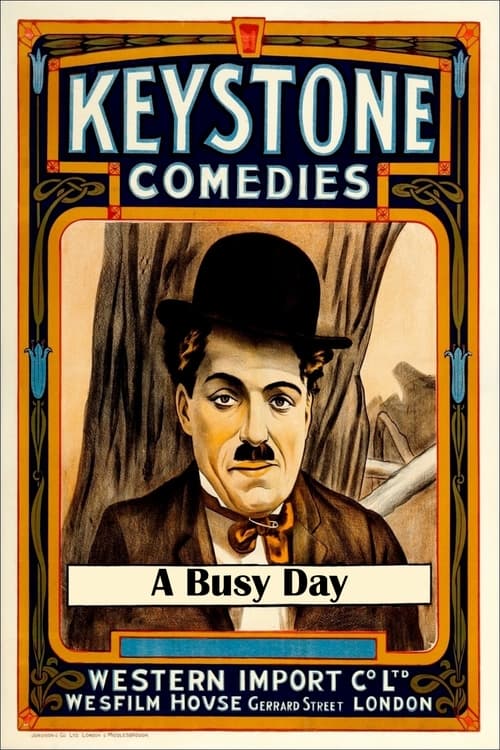
A jealous wife is chasing her unfaithful husband during a parade, after he starts to flirt with a pretty woman.
A Busy Day

Charlie and his partner are to deliver a piano to 666 Prospect St. and repossess one from 999 Prospect St.
His Musical Career

Charlie and a rival vie for the favor of their landlady.
Those Love Pangs

A tramp tries to earn money by playing the violin, but he’s soon facing off against the jealous competition.
The Vagabond

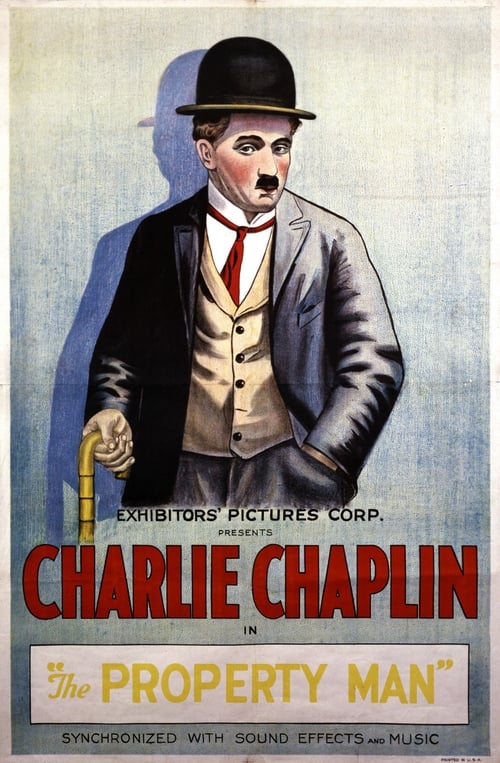
Charlie is in charge of stage props and has trouble with actors' luggage and conflicts over who gets the star's dressing room. Once all that is resolved the next issue is getting everyone on stage with the correct backdrop.
The Property Man

Set mostly in the Stone Age, a prehistoric king, with a harem of wives, rules a beach. Charlie arrives and falls for the king's favorite wife. In the end, it turns out to have been a dream; Charlie was asleep in the park.
His Prehistoric Past

Pierre and Jacques are working as waiters at a restaurant where the cooks go on strike. When the two are forced to work as bakers, the striking cooks put dynamite in the dough, with explosive results.