Alberto Cavalcanti
Directing
Biography
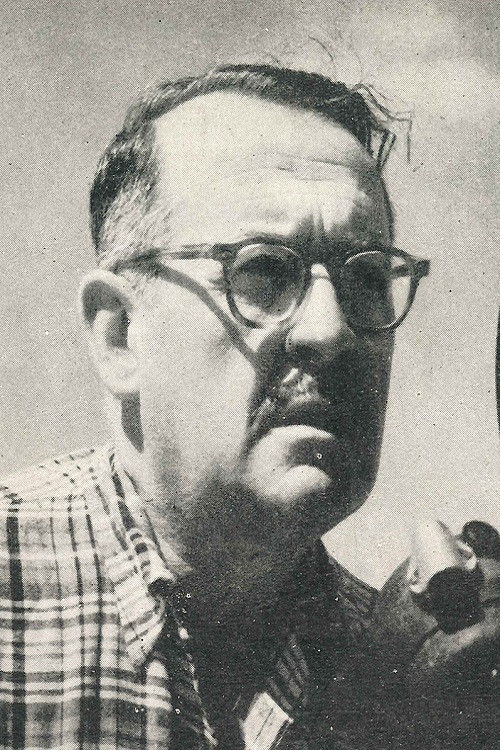
Alberto de Almeida Cavalcanti was a Brazilian-born film director and producer. He was born in Rio de Janeiro, the son of a prominent mathematician. He was a precociously intelligent child, and by the age of 15 was studying law at university. Following an argument with a professor he was expelled. His father sent him to Geneva, Switzerland on condition that he did not study law or politics. Cavalcanti chose to study architecture instead. At 18 he moved to Paris to work for an architect, later switching to working on interior design. After a visit back to Brazil he took up a position at the Brazilian consulate in Liverpool, England. Cavalcanti corresponded with Marcel L'Herbier, a leading light in France's avant-garde film movement. This led to a job offer from L'Herbier for Cavalcanti to work as a set designer. So, in 1920 he left his job at the Consulate and moved back to France to work for L'Herbier; he was to be involved in the making of numerous films, the most notable being L'Inhumaine. He was soon making his own films, in 1926 directing his first, Rien Que les Heures (Nothing But Time) — a day in the life of Paris and its citizens. In 1927 he collaborated with Walter Ruttmann on a similar project set in Berlin, called Berlin: Die Sinfonie der Großstadt (Berlin: Symphony of a Big City). Cavalcanti took a job with Paramount's French studios after the talkies came in, but he found himself making more commercial films which could not hold his interest and left Paramount in 1933. In the same year he returned to England to work for John Grierson's GPO Film Unit. He was involved in many capacities, from production to sound engineer. He was to spend seven years at the GPO Film Unit, working on many projects. Much of his work at the GPO was uncredited, he acted as a mentor to many new film makers, but in 1937 he was appointed acting head of the GPO Film Unit when Grierson left for Canada. When told that the only way the position could become permanent was to become a naturalized British citizen, he decided to leave the unit. In 1940 Cavalcanti joined Ealing Studios, under the leadership of producer Michael Balcon. He worked as an art editor, producer and director. His most notable works of this period (many of them propaganda films) were Yellow Caesar (1941), Went the Day Well? (1942), Three Songs of Resistance (1943), Champagne Charlie (1944), Dead of Night (as co-director) (1945) and Nicholas Nickleby (1947). In 1946 Cavalcanti left Ealing over a dispute about money. He went on to direct three more films in the UK, before returning to Brazil in 1950. In Brazil he worked as a producer for Companhia Cinematográfica Vera Cruz; the company eventually became insolvent. After being blacklisted as a communist in Brazil, he decided to move back to Europe in 1954. He eventually settled in France, where he continued his work in television. He died in Paris in 1982 at the age of 85.
Known For
Produced for television by Claude-Jean Philippe, the « Encyclopédie audiovisuelle du cinéma », recounts the history of French cinema from its birth to the beginning of the 1960s. With commentary read by Jean Rochefort.
Encyclopédie audiovisuelle du cinéma

After being framed for a policeman's murder, a criminal escapes prison and sets out for revenge.
They Made Me a Fugitive

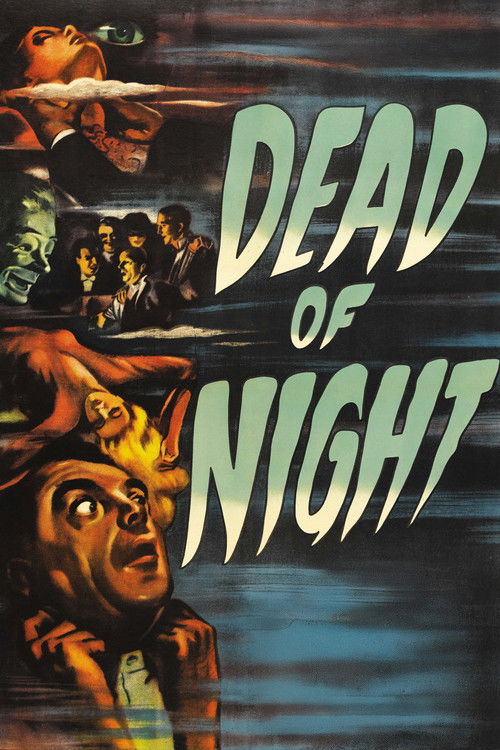
An architect, visiting an English country house, realizes the other guests are familiar from his recurring nightmare. When they share their tales of the supernatural, he is filled with a growing dread.
Dead of Night

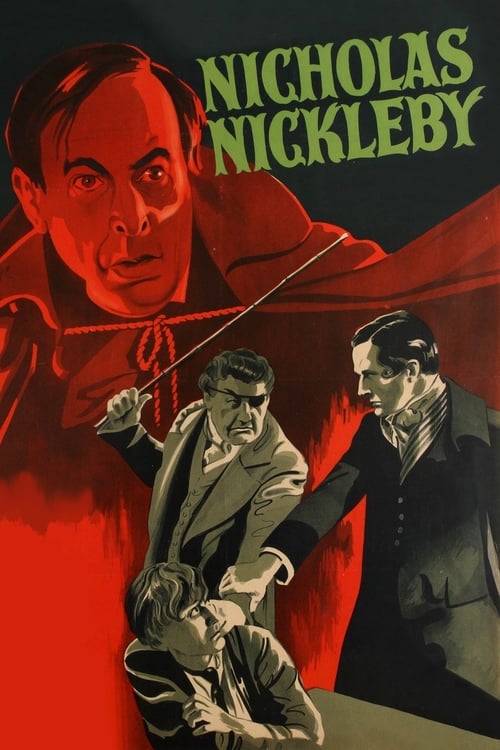
A fatherless boy tries to make his fortune despite interference from his rich uncle.
The Life and Adventures of Nicholas Nickleby

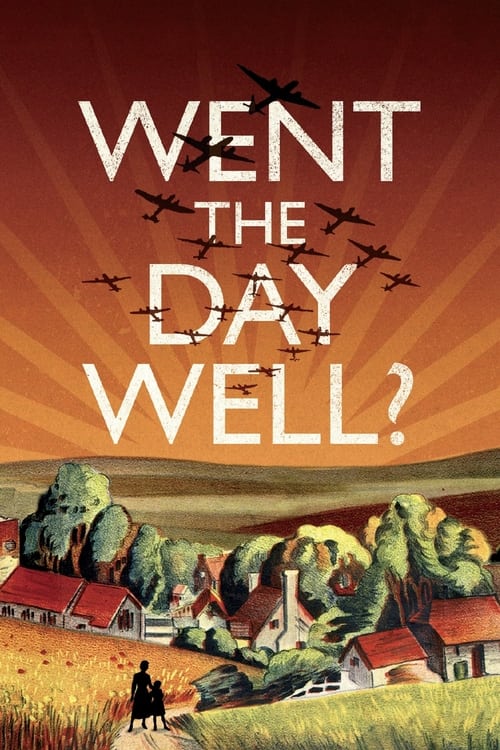
The quiet village of Bramley End is taken over by German troops posing as Royal Engineers. Their task is to disrupt England's radar network in preparation for a full scale German invasion. Once the villagers discover the true identity of the troops, they do whatever they can to thwart the Nazis plans.
Went the Day Well?

Based on the true story of Melbourne Johns, an aircraft factory foreman sent to France to prevent the Nazis getting hold of some vital equipment.
The Foreman Went to France

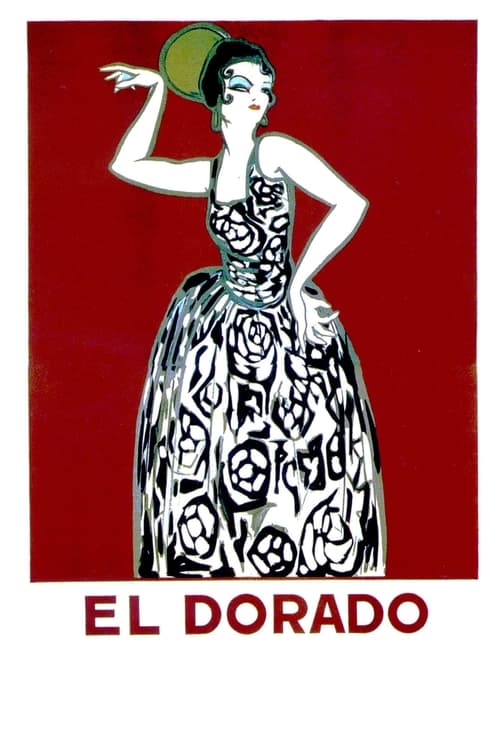
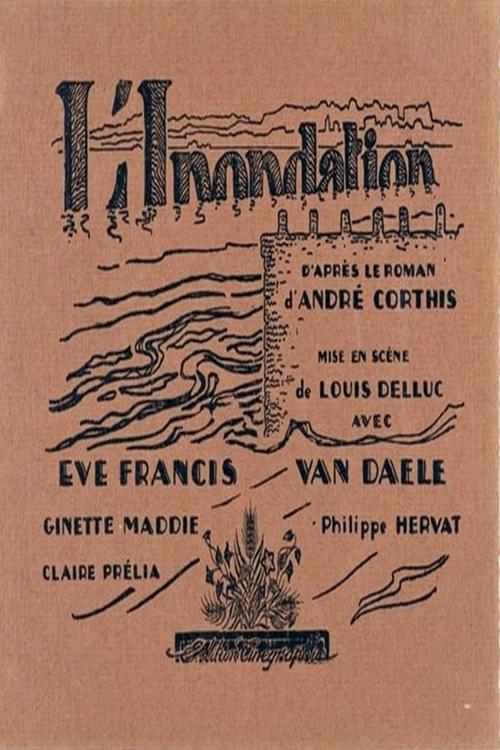
In Granada in Spain, Sibilla works as a dancer in a squalid cabaret called El Dorado, struggling to earn enough to care for her sick child. The boy's father Estiria, a prominent citizen, refuses them both help and recognition, fearful of jeopardising the engagement of his adult daughter Iliana to a wealthy nobleman. Iliana however slips away from her engagement party to meet her real lover Hedwick, a Swedish painter. Sibilla, in desperation after a further rejection by Estiria, sees an opportunity to blackmail him by locking the lovers overnight in their meeting-place in the Alhambra.
El Dorado

There is a lot of excitement in the high society of Venice: An Arab prince, who always travels incognito, is said to be in the city. By chance, the elegant Isabella gets to know the handsome heir to the throne - and it does not take long for her to fall madly in love with him. Isabella has no idea that her dream man is really the impostor Gérard, who looks remarkably like the prince and was hounded by the sleazy crook Alfredo on Isabella to steal their precious jewelry.
Venetian Honeymoon

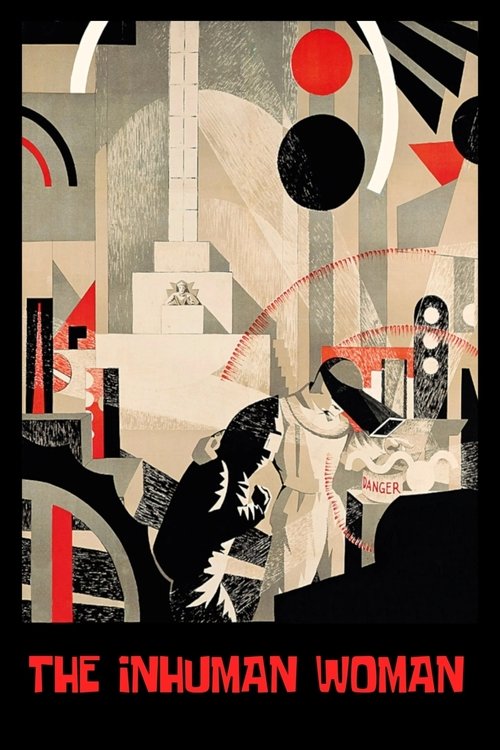
A famous singer Claire Lescot, who lives on the outskirts of Paris, is courted by many men, including a maharajah, Djorah de Nopur, and a young Swedish scientist, Einar Norsen. At her lavish parties she enjoys their amorous attentions but she remains emotionally aloof and heartlessly taunts them. When she is told that Norsen has killed himself because of her, she shows no feelings. At her next concert she is booed by an audience outraged at her coldness and she decides to visit the vault in which Norsen's body lies.
The Inhuman Woman

A man from the countryside becomes London’s newest music hall sensation, and competes with a rival music hall performer for the audience’s attention.
Champagne Charlie

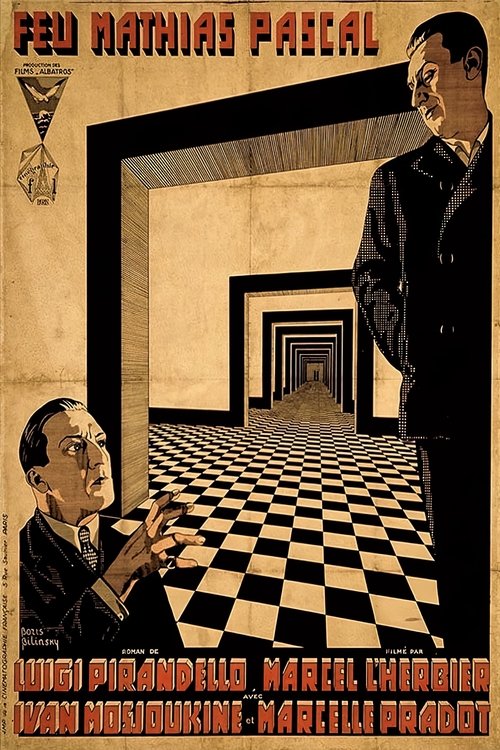
Mathias Pascal, only son of a once-rich family, marries beautiful Romalinda, who has a terrible mother-in-law. She controls her daughter, and soon his home life becomes a nightmare. His only moments of lights are his mother and baby, but both die on the same day. Shocked, he leaves his hometown and goes to Monte Carlo, where he wins a fortune at the casino. Returning home, he reads his own obituary in a paper. They have found a corpse in a creek and connected it with his disappearance. Mathias, noticing that he is now free from all ties to his old life, decides to start a new one.
The Late Mathias Pascal

Drama-documentary, reconstructing a real incident in which a trawler got into difficulties in a North Sea storm. Released 7th March 1938.
North Sea

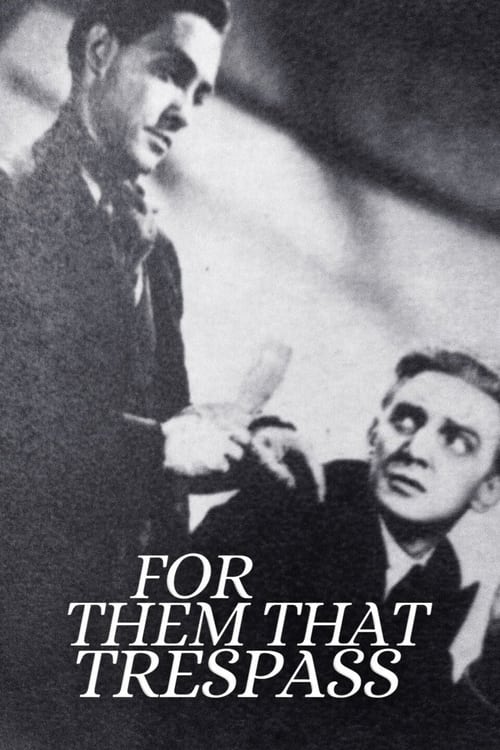
In this drama, a frustrated upper-class writer decides that he will find real inspiration by examining his subjects first-hand. This leads him to begin wandering about the seamiest side of town where he witnesses a murder. When an innocent man is arrested, the writer refuses to assist him as the knowledge that he has been "slumming" could destroy his career. The young man is sentenced to 15 years in prison.
For Them That Trespass

The whimsical Riquet's has kidnapped and married a well-born young girl, Ralda. They travel around Spain performing their act in a circus but Ralda's beauty arouses the director's lust. Furious at being rejected, he opens a lion's cage during Ralda's act, leaving her seriously injured. With Ralda's family on their trail, the young people set off to find a better life elsewhere.
The Gallery of Monsters

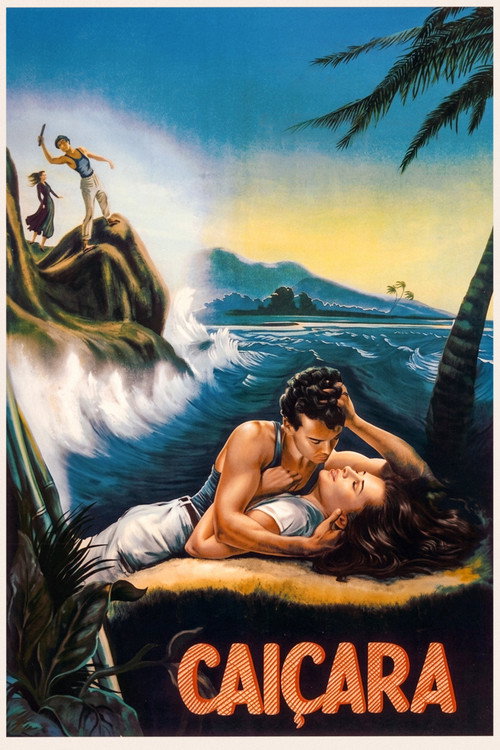
Marina, a beautiful young woman with leprous parents, marries a shipyard owner to escape an institution. She moves to a coastal village, faces gossip, and is assaulted by her husband’s partner. After her husband dies in a boat accident, a handsome sailor arrives, and Marina is blackmailed about her family’s health issues.
Caiçara

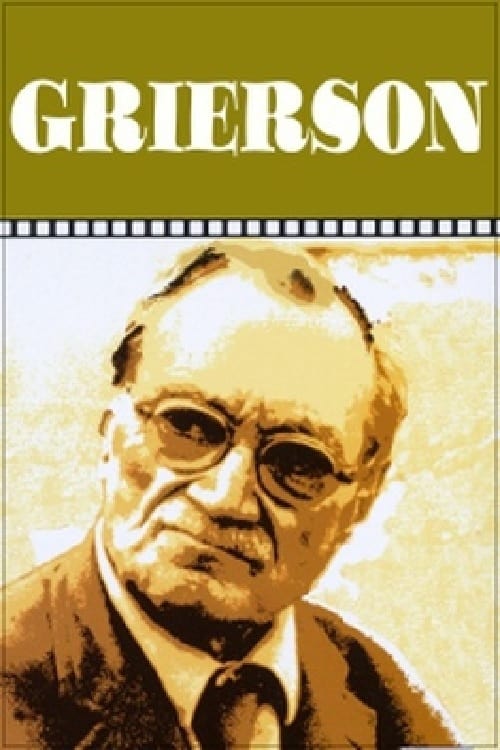
A portrait of John Grierson, the first Canadian Government Film Commissioner and founder of the National Film Board in 1939. Interweaving archival footage, interviews with people who knew him and footage of Grierson himself, this film is a sensitive and informative portrait of a dynamic man of vision. Grierson believed that the filmmaker had a social responsibility, and that film could help a society realize democratic ideals. His absolute faith in the value of capturing the drama of everyday life was to influence generations of filmmakers all over the world. In fact, he coined the term 'documentary film'.
Grierson

The story of a romance between the daughter of the Prince Regent and Prince Leopold of Saxe-Coburg.
The First Gentleman
This expository film shows the mood of European society on the eve of the Second World War while promoting the values of international cooperation. Using the Swiss office of the BBC as an example, the film describes the functioning of radio and presents the possibilities opened by mass communications. After the advent of sound film, Cavalcanti promoted experimentation with sound, and in this connection he was interested in the communicational, organizational, and social aspects of radio.
Message from Geneva

Adaptation for TV of the play by Friedrich Durrenmatt. A very rich old lady arrives in her nearly bankrupt native village. She is ready to come to the rescue but only if her old lover who had once abandoned her pregnant is killed.
La visite de la vieille dame

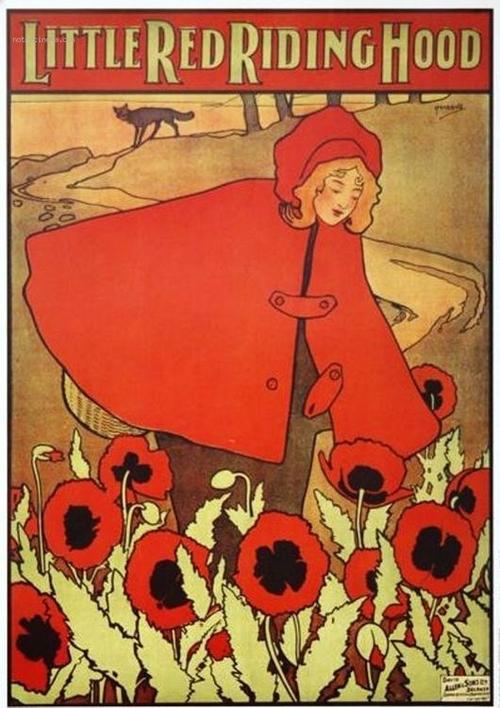
This is 1929: the little red riding hood is still with us and her life is more complicated than ever. She still has to go through the forest and she once again comes up against a wolf. This time around the big bad wolf has become a lecherous tramp who keeps stalking the girl trying to wolf her down ... in his own way of course.