Rupert Davies
Acting
Biography
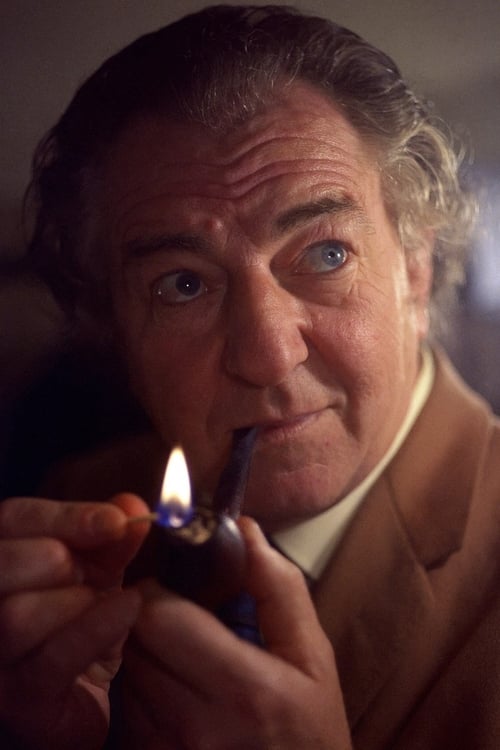
From Wikipedia, the free encyclopedia Rupert Davies (22 May 1916 – 22 November 1976) was a British actor. He remains best known for playing the title role in the BBC's 1960s television adaptation of Maigret, based on the Maigret novels written by Georges Simenon. Davies was born in Liverpool. After a service in the British Merchant Navy, during the Second World War he was a Sub-Lieutenant Observer with the Fleet Air Arm. In 1940 the Swordfish aircraft in which he was flying ditched in the sea off the Dutch Coast. Davies was captured and interned in the famous Stalag Luft III POW camp. He made three attempts to escape. All failed. It was during his captivity that he began to take part in theatre performances, entertaining his fellow prisoners. On his release, Davies resumed his career in acting almost immediately, starring in an ex Prisoner Of War show, 'Back Home', which was hosted at the Stoll Theatre, London. After the war Davies became a staple of British television appearing in numerous plays and series, including Quatermass II, Ivanhoe, Emergency - Ward 10, Danger Man, The Champions, Doctor at Large (1971), Arthur of the Britons and War and Peace (1972). He also provided the voice of "Professor Ian McClaine" in the Gerry Anderson series Joe 90. In 1964 he became the first person to be awarded Pipe Smoker of the Year. Davies also played supporting roles in many films, appearing briefly as George Smiley in The Spy Who Came in from the Cold (1965). He also appeared in several horror films in the late 1960s, including Witchfinder General (1968) and Dracula Has Risen from the Grave (1968), as well as such international blockbusters as Waterloo (1970) and Zeppelin (1971). He died of cancer in London in 1976, leaving a wife, Jessica, and two sons, Timothy and Hogan, and is buried at Pistyll Cemetery, near Nefyn in North Wales. Description above from the Wikipedia article Rupert Davies, licensed under CC-BY-SA, full list of contributors on Wikipedia.
Known For

Play for Today is a British television anthology drama series, produced by the BBC and transmitted on BBC1 from 1970 to 1984. During the run, more than three hundred programmes, featuring original television plays, and adaptations of stage plays and novels, were transmitted. The individual episodes were between fifty and a hundred minutes in duration.
Play for Today

An anthology series of television plays which aired on BBC1 from October 1964 to May 1970. The plays were usually written for television, although adaptations from other sources also featured.
The Wednesday Play

A BBC television anthology series featuring productions of classic and contemporary stage plays usually broadcast on BBC1. Each production featured a different work, often using prominent British stage actors in the leading roles. The series was transmitted from October 1965 to September 1983.
BBC Play of the Month

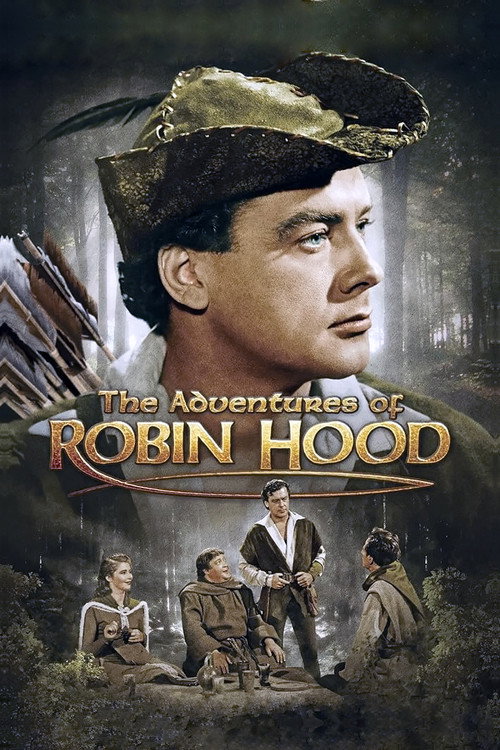
The legendary character Robin Hood and his band of merry men in Sherwood Forest and the surrounding vicinity. While some episodes dramatised the traditional Robin Hood tales, most episodes were original dramas created by the show's writers and producers.
The Adventures of Robin Hood

After a plane carrying three Agents crashes in the Himalayas, they are rescued by an advanced civilisation secretly living in Tibet who grant them enhanced versions of the ordinary five senses, and intellectual and physical abilities.
The Champions

Danger Man is a British television series which was broadcast between 1960 and 1962, and again between 1964 and 1968. The series featured Patrick McGoohan as secret agent John Drake. Ralph Smart created the programme and wrote many of the scripts. Danger Man was financed by Lew Grade's ITC Entertainment.
Danger Man

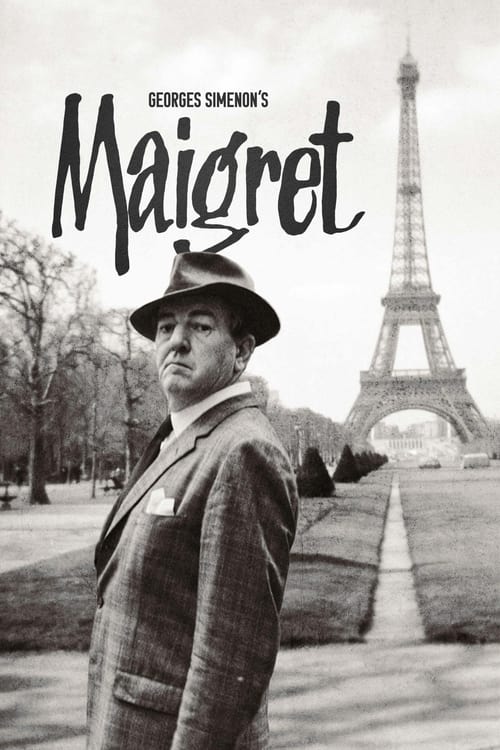
BBC series based on the novels by Georges Simenon which starred Rupert Davies as Inspector Maigret, a French police detective who preferred to watch and listen in order to solve crimes. The series ran from 1960-63 on British television.
Maigret

Sunday Night Theatre was a long-running series of televised live television plays screened by BBC Television from early 1950 until 1959. The productions for the first five years or so of the run were re-staged live the following Thursday, partly because of technical limitations in this era, and the theatrical basis of early television drama. Some of the earliest collaborations between Rudolph Cartier and Nigel Neale were produced for this series, including Arrow to the Heart and Nineteen Eighty-Four. The Sunday night drama slot was subsequently renamed The Sunday-Night Play which ran for four seasons between 1960 and 1963. ITV transmitted its own unrelated run of Sunday Night Theatre between 1971 and 1974.
Sunday Night Theatre

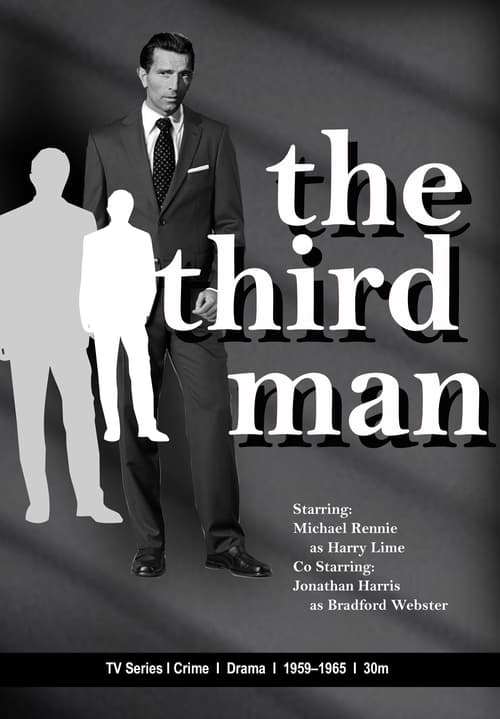
No description available.
The Third Man

An anthology of short plays shown on BBC Television between 1965 and 1973, used in part at least as a training ground for new writers, on account of its short length, and which therefore attracted many writers who later became well known.
Thirty-Minute Theatre
An anthology of single plays offering up adaptations of either of prominent stage plays or novels.
Festival

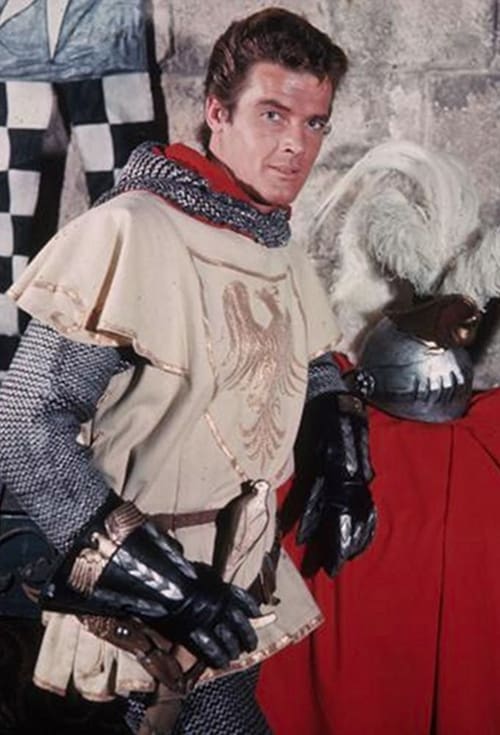
Ivanhoe is a British television series first shown on ITV in 1958-59. The show features Roger Moore in his first starring role, as Sir Wilfred of Ivanhoe, in a series of adventures aimed at a children's audience. The characters were drawn loosely from Sir Walter Scott's 1819 novel.
Ivanhoe
BBC anthology drama series that ran over four seasons and replaced the previous BBC Sunday Night Theatre series.
Sunday-Night Play

The adventures of Interpol policemen Duval and Mornay as they fought against international drug-running, homicide, robbery and forgery.
Interpol Calling

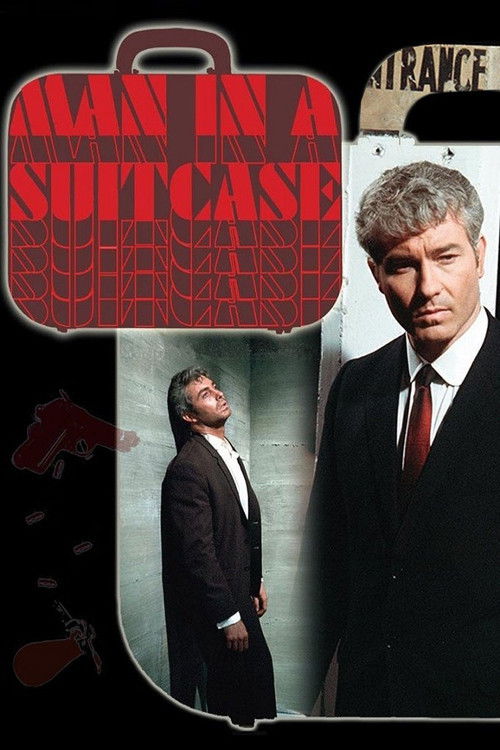
Accused of treason, a former U.S. intelligence officer based in London tries to clear his name, taking on freelance jobs around Europe as he searches for answers.
Man in a Suitcase

A BBC anthology series featuring adaptations of detective stories over 45 episodes in three seasons that ran from 1964 to 1969. As with many BBC programmes made before the early 1970s, many of its episodes no longer exist. Of the eighteen episodes from the first season only twelve are currently known to exist; likewise six of the sixteen editions from the second run are considered lost, and just one of the final ten survives in the archives.
Detective

Folio, a precursor to CBC's renowned fine-arts series Festival, aired for four years starting in 1956. The series showcased original dramas, music compositions, and ballets, many originating from diverse regions across Canada. Notable episodes featured Barry Morse in a new staging of MacBeth, along with performances by Canadian talents like Robert Goulet and Sharon Acker. One of the highlights included a musical adaptation of the beloved Canadian classic, Anne of Green Gables. Airing without sponsorship, Folio thrived until its conclusion in the fall of 1960. Producers: Robert Allen, Harvey Hart, David Greene, Mario Prizek and Ronald Weyman.
Folio

Orson Welles’ Great Mysteries is a British television anthology series produced by Anglia Television for the ITV network and broadcast between 1973 and 1974. The series presents standalone adaptations of classic mystery, crime, and supernatural stories drawn from literary sources including Dickens, Conan Doyle, Wilkie Collins, Balzac, Maugham, O. Henry, and others. Each episode is framed by original introductory and closing sequences performed by Orson Welles, who serves as the series’ host and sole recurring on-screen presence. These segments, written and directed by Welles (uncredited), function as stylized narrative framing devices rather than dramatic participation in the stories themselves. The dramatic content of each episode is performed by separate casts and directors, with no continuing characters or serialized narrative, establishing the series as a unified television anthology rather than a collection of standalone films.
Orson Welles' Great Mysteries

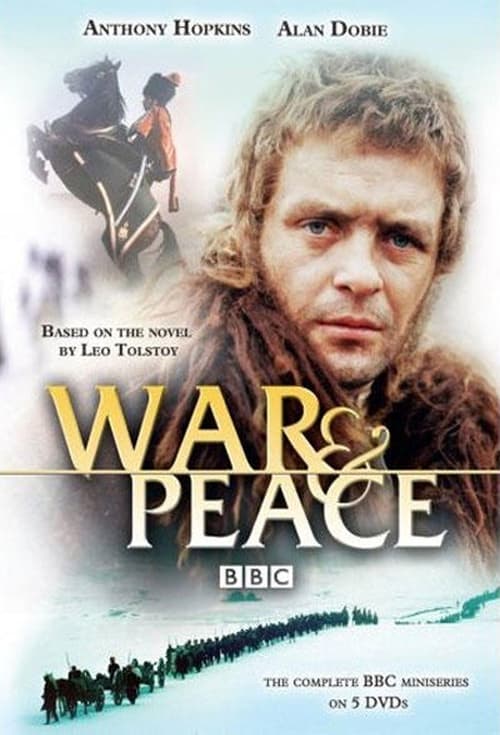
The love story of young Countess Natasha Rostova and Count Pierre Bezukhov is interwoven with the Great Patriotic War of 1812 against Napoleon's invading army.
War & Peace

British scientist Peter Brady, while working on an invisibility formula, suffers a tragic accident which turns himself invisible. Unfortunately, there is no antidote, so, while working on a method to regain his visibility, he undertakes missions for his government stopping bad guys.