FEEL IT.STREAM
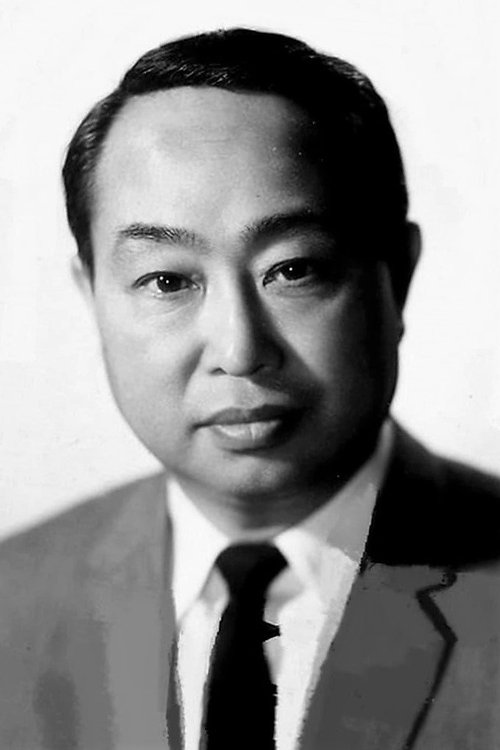
Daisuke Katō

Daisuke Katō

Acting

Biography

Daisuke Katō (加東 大介 Katō Daisuke, February 18, 1911 – July 31, 1975) was a Japanese actor who appeared in over 150 films, including Akira Kurosawa's Seven Samurai (as the loyal comrade Shichiroji), Rashomon, Yojimbo (as the "wild pig" Inokichi), Ikiru, and Hiroshi Inagaki's Samurai Trilogy and Chushingura.

Known For

Seven Samurai
8.5

A samurai answers a village's request for protection after he falls on hard times. The town needs protection from bandits, so the samurai gathers six others to help him teach the people how to defend themselves, and the villagers provide the soldiers with food.

Seven Samurai

1954
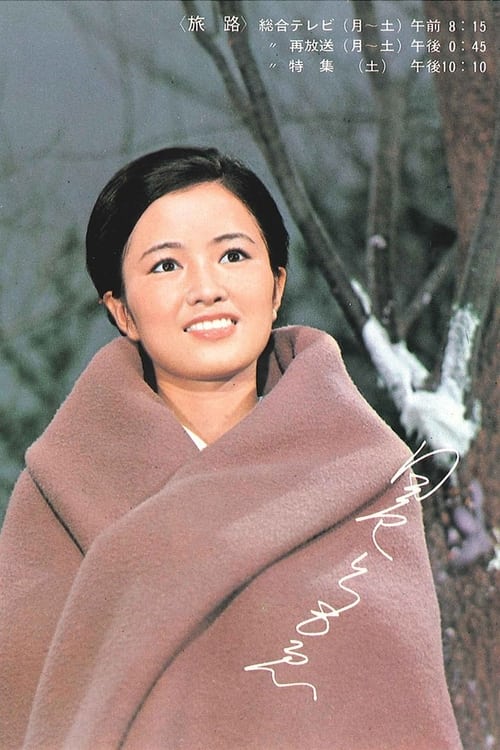
Tabiji
N/A

The 7th NHK Asadora. Starring Tadashi Yokouchi in a narrative about an employee of the national railroad living through 50 years of modern history with his wife.

Tabiji

1967
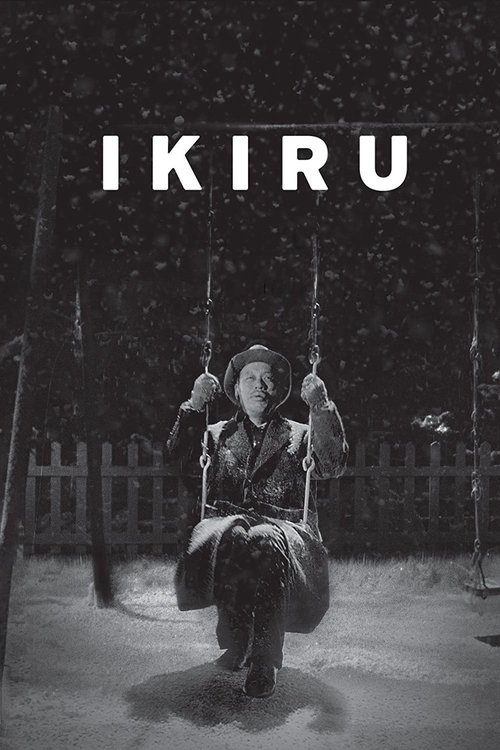
Ikiru
8.3

Kanji Watanabe is a middle-aged man who has worked in the same monotonous bureaucratic position for decades. Learning he has cancer, he starts to look for the meaning of his life.

Ikiru

1952
Rashomon
8.0

Four people recount different versions of the story of a man's murder and the rape of his wife.

Rashomon

1950
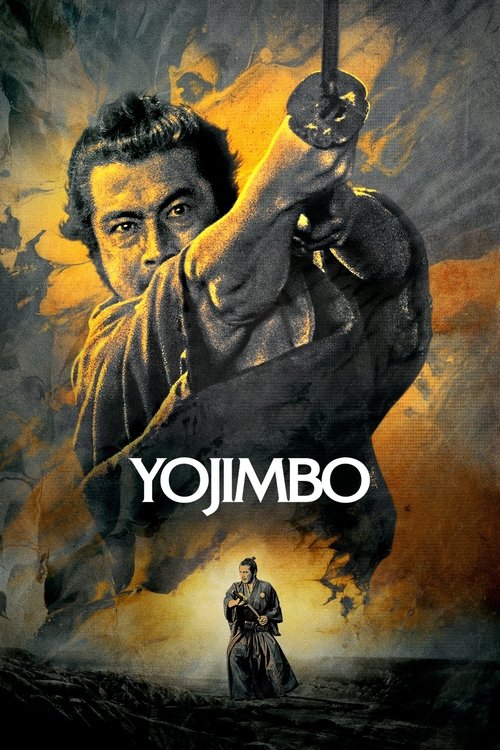
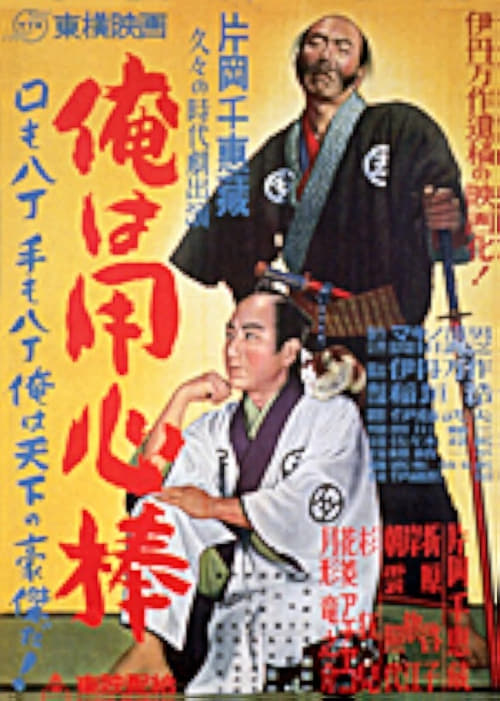
Yojimbo
8.1

A nameless ronin, or samurai with no master, enters a small village in feudal Japan where two rival businessmen are struggling for control of the local gambling trade. Taking the name Sanjuro Kuwabatake, the ronin convinces both silk merchant Tazaemon and sake merchant Tokuemon to hire him as a personal bodyguard, then artfully sets in motion a full-scale gang war between the two ambitious and unscrupulous men.

Yojimbo

1961
Ryoma ga Yuku
N/A

The chronicles of Sakamoto Ryoma, a pre-revolutionary who helped shape the face of modern Japan. In order to study swordsmanship, Ryoma heads for Edo where he meets many people who influence his thinking. He becomes close friends with men like Katsu Kaishu and Saigo Takamori and later establishes a naval training school in Kobe. Ryoma's controversial political views make him a target for shogunate assassins but his fervent belief in a classless society helps forge the Choshu-Satsuma alliance which ultimately brings about the Meiji Restoration.

Ryoma ga Yuku

1968
When a Woman Ascends the Stairs
8.0

Keiko, whom everyone calls Mama, narrates her story: she's a hostess on the Ginza, 30, a widow. She describes life's vicious cycle: acting cheerful around drunks, dressing and living well to convey confidence, needing money for these expenses and for her demanding mother and brother, and knowing she's growing older.

When a Woman Ascends the Stairs

1960
Floating Clouds
7.7

A married Japanese forester during WWII is sent to Indochina to manage forests. He meets a young Japanese typist and promises to leave his wife. He doesn't and after the war, she turns up and the affair resumes.

Floating Clouds

1955
Admiral Yamamoto
8.5

As Japan joins in a political pact with Nazi Germany and fascist Italy, Admiral Isoroku Yamamoto is appointed supreme commander of the Japanese fleet. With Japan headed inexorably toward war, Yamamoto, despite his misgivings, believes the only possible victory lies in destroying the American fleet by surprise at Pearl Harbor. The attack succeeds, but fails to sink the American carrier fleet. Thus Yamamoto must lead the Japanese navy into war with ever-diminishing likelihood of success.

Admiral Yamamoto

1968
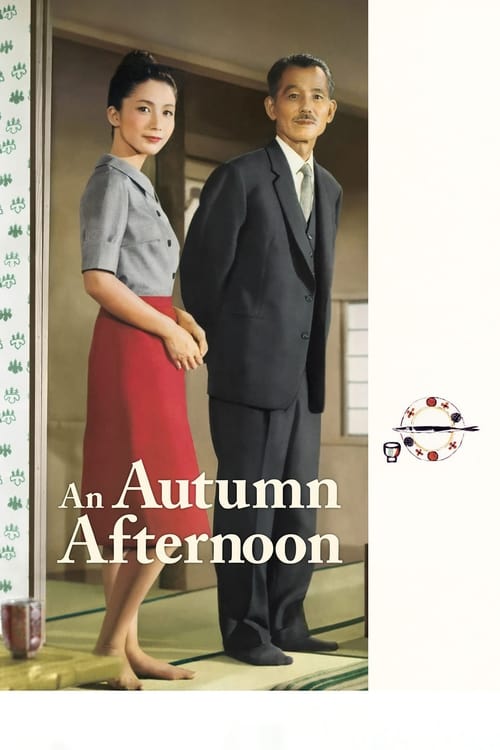
An Autumn Afternoon
7.9

Widower Shuhei Hirayama's caretaker is his 24-year-old daughter, Michiko. Gradually, he comes to realize that Michiko should not be obliged to look after him for the rest of his life, so he arranges a marriage for her.

An Autumn Afternoon

1962
Samurai III: Duel at Ganryu Island
7.2

A humble and simple Takezo abandons his life as a knight errant. He's sought as a teacher and vassal by Shogun, Japan's most powerful clan leader. He's also challenged to fight by the supremely confident and skillful Sasaki Kojiro. Takezo agrees to fight Kojiro in a year's time but rejects Shogun's patronage, choosing instead to live on the edge of a village, raising vegetables. He's followed there by Otsu and later by Akemi, both in love with him. The year ends as Takezo assists the villagers against a band of brigands. He seeks Otsu's forgiveness and accepts her love, then sets off across the water to Ganryu Island for his final contest.

Samurai III: Duel at Ganryu Island

1956
Untamed Woman
7.5

A woman marries, gives birth to a stillborn child, and divorces, falls in love with a hotel-keeper, only to find herself subordinated to his drive for success, takes up with a tailor who cannot console himself with her strong personality.

Untamed Woman

1957
The 47 Ronin
6.9

In the early 18th-century, Lord Takumi-no-kami Asano, feuding with Lord Kira, tries to kill his opponent in the corridors of the Shogun's palace. The Shogun sentences Asano to seppuku and deprives the palace and lands from his clan, but does not punish Kira. Asano's vassals leave the land and his samurais become ronin and want to seek revenge against the Lord's dishonour. But their leader Kuranosuke Oishi seeks to restore the Asano clan with his brother Daigaku Asano. One year later, the Shogun refuses, and Oishi and 46 rōnin are out for revenge.

The 47 Ronin

1941
The End of Summer
7.5

The family of an older man who runs a small sake brewery become concerned with his finances and his health after they discover him visiting an old mistress from his youth.

The End of Summer

1961
Japan's Longest Day
7.3

Following the detonation of the atomic bombs on Hiroshima and Nagasaki, the Japanese military and the government clash over the demand from the Allies for unconditional surrender. Minister of the Army Anami leads the military officers who propose to fight on, even to the death of every Japanese citizen. Emperor Hirohito, however, joins with his ministers in asking the unthinkable, the peaceful surrender of Japan. When the military plots a coup to overthrow the Emperor's civilian government, Anami must face the choice between his desires and loyalty to his Emperor.

Japan's Longest Day

1967
Chûshingura
7.1

After their lord is tricked into committing ritual suicide, forty-seven samurai warriors await the chance to avenge their master and reclaim their honor.

Chûshingura

1962
Street of Shame
7.7

Follows five sex workers employed at a Japanese brothel while the nation debates the passage of an anti-prostitution law.

Street of Shame

1956
Samurai I: Musashi Miyamoto
7.2

Struggling to elevate himself from his low caste in 17th century Japan, Miyamoto trains to become a mighty samurai warrior.

Samurai I: Musashi Miyamoto

1954
The Life of Oharu
7.7

During the Edo Period, a noblewoman's banishment for her love affair with a lowly page signals the beginning of her inexorable fall.

The Life of Oharu

1952
Summer Clouds
7.6

A war widow with a young boy manages a farm with her bossy mother-in-law. When a reporter comes to interview her, the two begin an affair. He turns out to be married and won't leave his wife. Her older brother tries to marry off his children and hang on to/ extend his farm through an advantageous marriage in the face of threatened land confiscation and the desire of his children to get comfortable urban jobs instead of the backbreaking work in the paddy fields under parental control.

Summer Clouds

1958