FEEL IT.STREAM
Noriko Honma

Noriko Honma

Acting

Biography

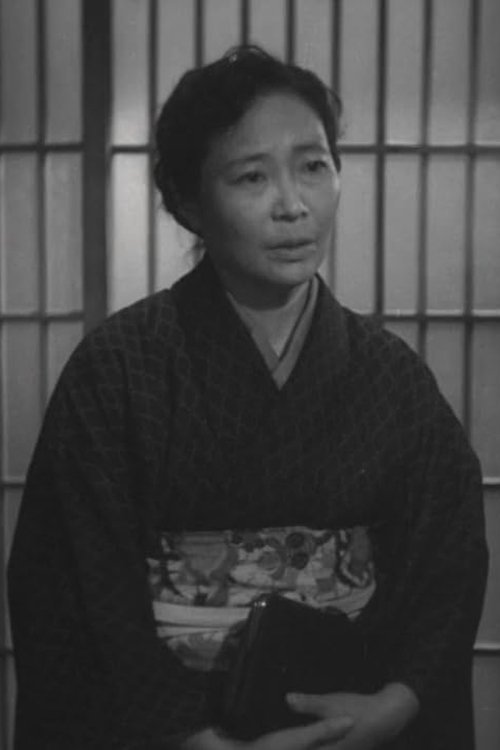
Noriko Honma (本間文子 Honma Noriko, born 29 November 1911 - 12 April 2009) is a Japanese actress whose film work occurred primarily during the 1950s. She was born in Hokkaido. She worked in many of Akira Kurosawa's films, first appearing in Kurosawa's Rashomon as the Miko, also in Ikiru, The Seven Samurai, Akahige, and Dreams.

Known For

Seven Samurai
8.5

A samurai answers a village's request for protection after he falls on hard times. The town needs protection from bandits, so the samurai gathers six others to help him teach the people how to defend themselves, and the villagers provide the soldiers with food.

Seven Samurai

1954
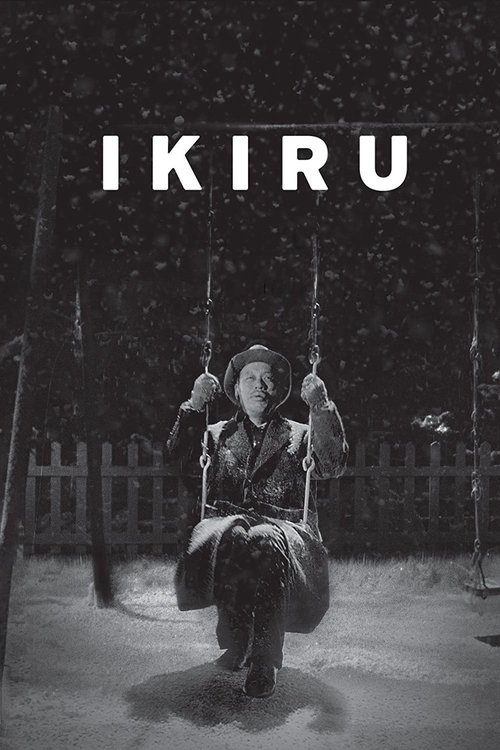
Ikiru
8.3

Kanji Watanabe is a middle-aged man who has worked in the same monotonous bureaucratic position for decades. Learning he has cancer, he starts to look for the meaning of his life.

Ikiru

1952
Rashomon
8.0

Four people recount different versions of the story of a man's murder and the rape of his wife.

Rashomon

1950
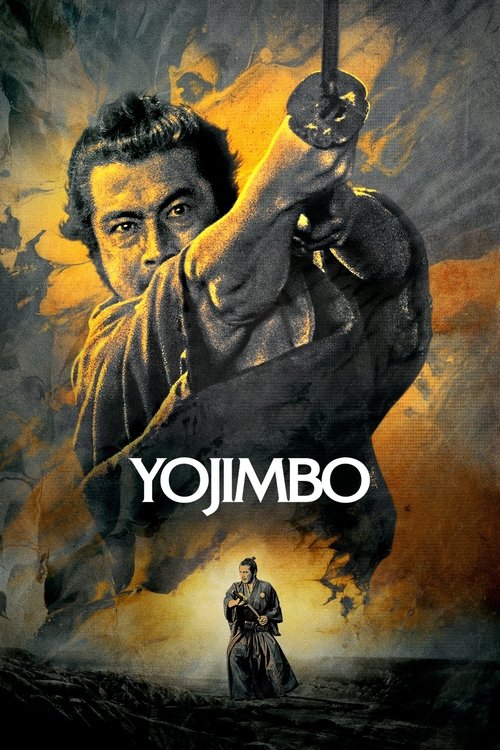
Yojimbo
8.1

A nameless ronin, or samurai with no master, enters a small village in feudal Japan where two rival businessmen are struggling for control of the local gambling trade. Taking the name Sanjuro Kuwabatake, the ronin convinces both silk merchant Tazaemon and sake merchant Tokuemon to hire him as a personal bodyguard, then artfully sets in motion a full-scale gang war between the two ambitious and unscrupulous men.

Yojimbo

1961
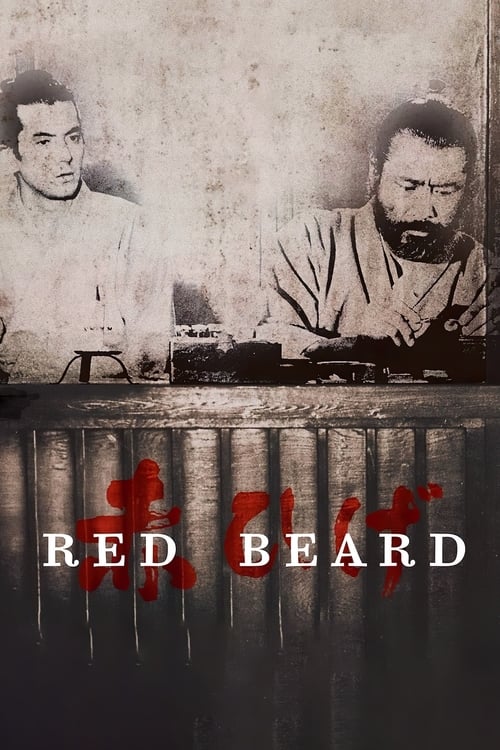
Red Beard
8.1

Aspiring to an easy job as personal physician to a wealthy family, Noboru Yasumoto is disappointed when his first post after medical school takes him to a small country clinic under the gruff doctor Red Beard. Yasumoto rebels in numerous ways, but Red Beard proves a wise and patient teacher. He gradually introduces his student to the unglamorous side of the profession, ultimately assigning him to care for a prostitute rescued from a local brothel.

Red Beard

1965
Dreams
7.7

Eight visually rich vignettes drawn from Kurosawa’s own dreams—fox weddings and vanished orchards, a soldier’s ghosts, a walk through Van Gogh’s canvases, nuclear nightmares, and a water-mill utopia—meditate on childhood, art, mortality, and humanity’s uneasy bond with nature.

Dreams

1990
When a Woman Ascends the Stairs
8.0

Keiko, whom everyone calls Mama, narrates her story: she's a hostess on the Ginza, 30, a widow. She describes life's vicious cycle: acting cheerful around drunks, dressing and living well to convey confidence, needing money for these expenses and for her demanding mother and brother, and knowing she's growing older.

When a Woman Ascends the Stairs

1960
Stray Dog
7.6

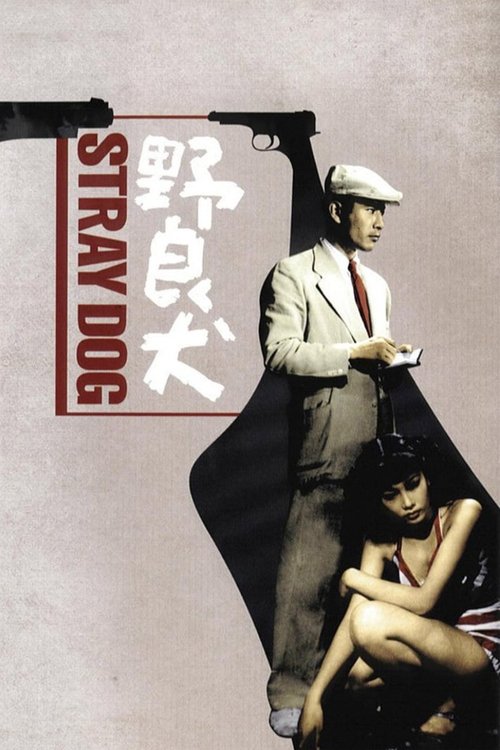
A bad day gets worse for young detective Murakami when a pickpocket steals his gun on a hot, crowded bus. Desperate to right the wrong, he goes undercover, scavenging Tokyo’s sweltering streets for the stray dog whose desperation has led him to a life of crime. With each step, cop and criminal’s lives become more intertwined and the investigation becomes an examination of Murakami’s own dark side.

Stray Dog

1949
Madadayo
7.3

In postwar Tokyo, beloved writer-professor Hyakken Uchida retires and is buoyed through hardship by the fierce devotion of his former students, who honor him each year with a raucous “Not yet!” birthday toast. Told in warm, gently comic vignettes, Kurosawa’s farewell celebrates aging, friendship, and the sustaining ritual of teacher and pupils refusing to say goodbye.

Madadayo

1993
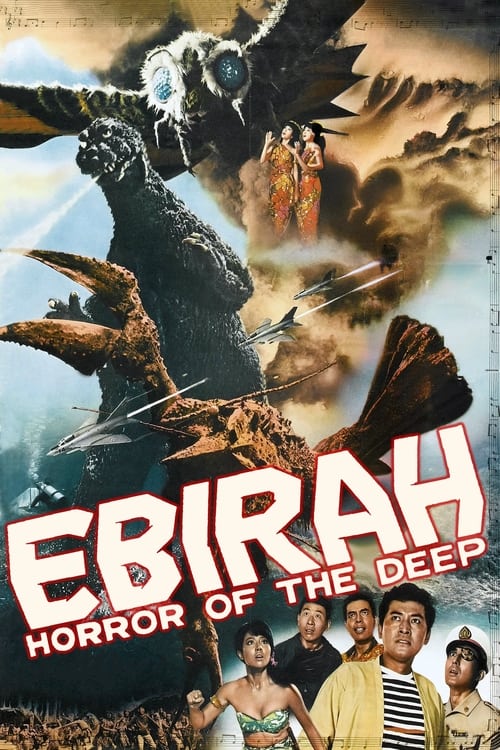
Ebirah, Horror of the Deep
6.3

Searching for his brother, Ryota stows away on a boat belonging to a criminal alongside two other teenagers. The group shipwrecks on Letchi island and discover the Infant Island natives have been enslaved by a terrorist organization controlling a crustacean monster. Finding a sleeping Godzilla, they decide to awaken him to defeat the terrorists and liberate the natives.

Ebirah, Horror of the Deep

1966
Rhapsody in August
7.2

An elderly Nagasaki hibakusha spends a summer caring for her four grandchildren, whose curiosity about the 1945 bombing stirs buried memories and moral questions. When an American nephew from Hawaii visits, the family confronts grief, guilt, and the possibility of reconciliation across generations.

Rhapsody in August

1991
Samurai III: Duel at Ganryu Island
7.2

A humble and simple Takezo abandons his life as a knight errant. He's sought as a teacher and vassal by Shogun, Japan's most powerful clan leader. He's also challenged to fight by the supremely confident and skillful Sasaki Kojiro. Takezo agrees to fight Kojiro in a year's time but rejects Shogun's patronage, choosing instead to live on the edge of a village, raising vegetables. He's followed there by Otsu and later by Akemi, both in love with him. The year ends as Takezo assists the villagers against a band of brigands. He seeks Otsu's forgiveness and accepts her love, then sets off across the water to Ganryu Island for his final contest.

Samurai III: Duel at Ganryu Island

1956
Untamed Woman
7.5

A woman marries, gives birth to a stillborn child, and divorces, falls in love with a hotel-keeper, only to find herself subordinated to his drive for success, takes up with a tailor who cannot console himself with her strong personality.

Untamed Woman

1957
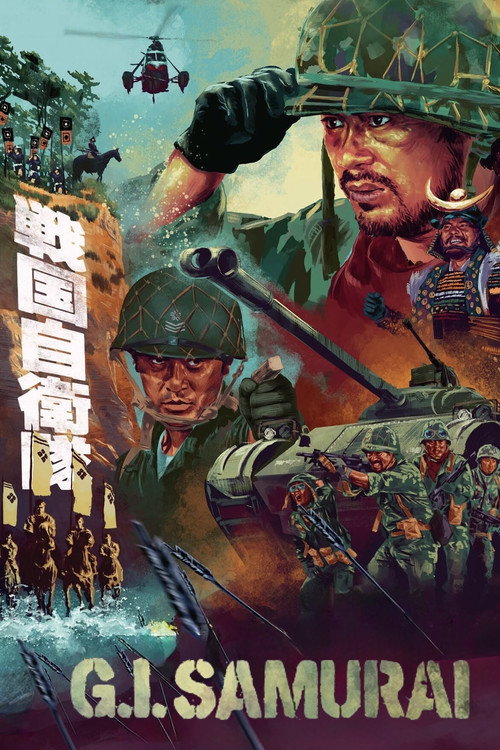
G.I. Samurai
5.9

A squadron of Japanese Self-Defense Force soldiers find themselves transported through time to their country's warring states era, when rival samurai clans were battling to become the supreme Shogun.

G.I. Samurai

1979
I Live in Fear
7.3

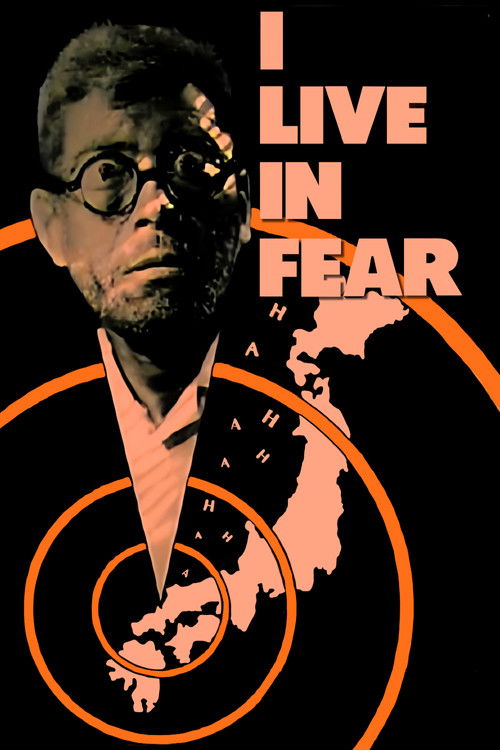
An aging foundry patriarch, gripped by terror of nuclear annihilation, tries to uproot his family to Brazil. When they petition to have him declared incompetent, a family-court counselor witnesses his obsession slide into ruin—and asks whether ignoring the atomic threat is any saner.

I Live in Fear

1955
Summer Clouds
7.6

A war widow with a young boy manages a farm with her bossy mother-in-law. When a reporter comes to interview her, the two begin an affair. He turns out to be married and won't leave his wife. Her older brother tries to marry off his children and hang on to/ extend his farm through an advantageous marriage in the face of threatened land confiscation and the desire of his children to get comfortable urban jobs instead of the backbreaking work in the paddy fields under parental control.

Summer Clouds

1958
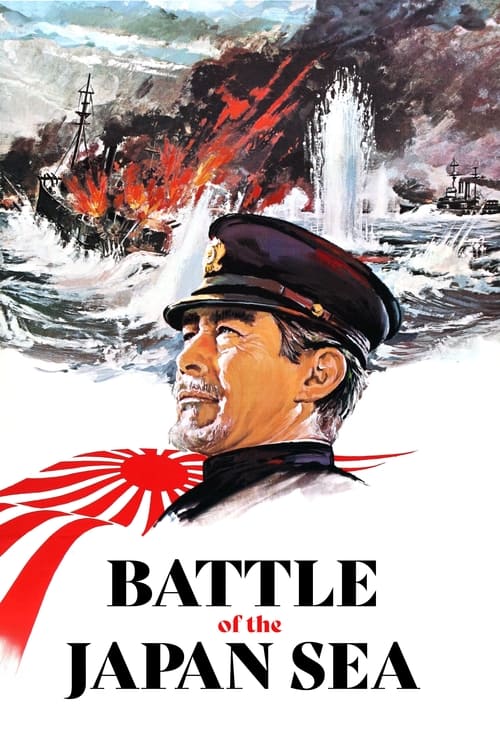
Battle of the Japan Sea
6.5

Japan and Russia clash in what comes to be known as the Russo-Japanese War. An attempt by the Japanese fleet and army to take Port Arthur fails, and a Russian fleet bears down on the Sea of Japan. Admiral Heihachiro Togo sends his fleet to confront the Russians, with results which stun both nations. Meanwhile, Major Genjiro Akashi makes secret negotiations with the Bolshevik revolutionaries in Russia, negotiations that have repercussions far beyond the conflict at hand.

Battle of the Japan Sea

1969
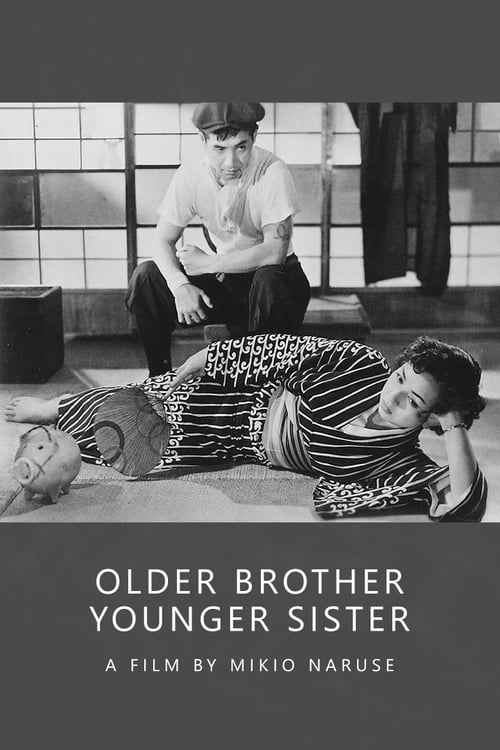
Brother and Sister
6.3

The eldest daughter of a rural family Mon returns home from Tokyo pregnant after an affair with a college student Kobata, which causes a scandal that will threaten the marriage prospects of the younger sister San, in her cash-strapped family. The ill-tempered eldest brother Inokichi decides to take on the role of disciplinarian, with harrowing results.

Brother and Sister

1953
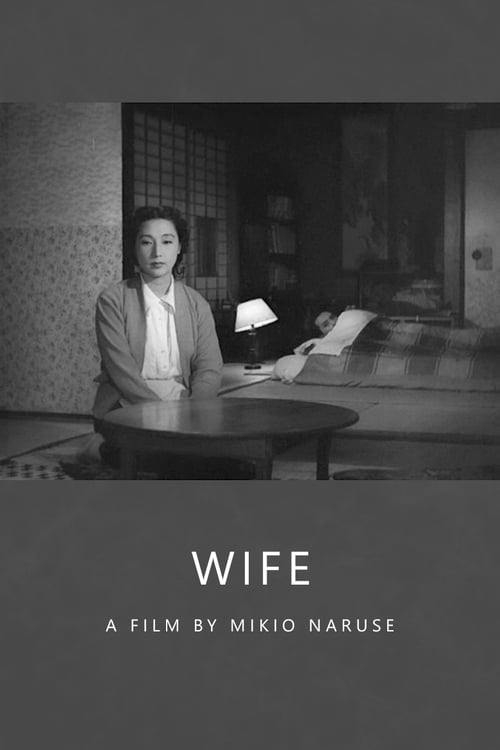
A Wife's Heart
6.9

A young woman tries to raise money to open her own coffee shop. She arranges a loan when her rigid family won't help and then her husband becomes jealous of the loan officer.

A Wife's Heart

1956
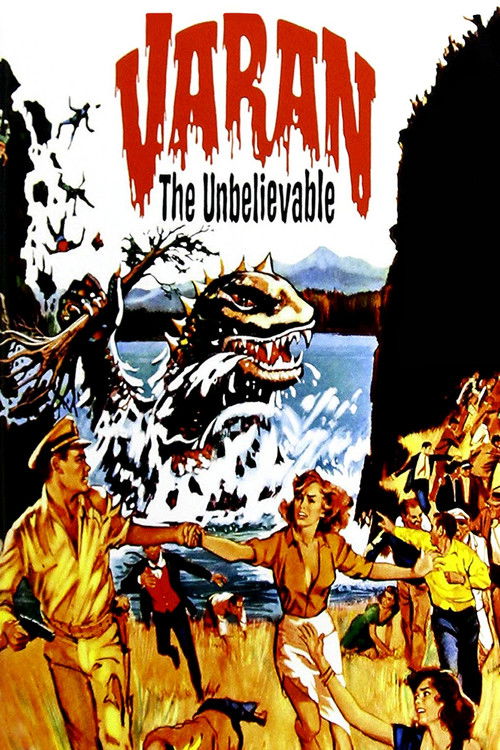
Varan the Unbelievable
4.4

In an effort to find an economic means of purifying salt water, a joint U.S.-Japanese military command is set up on an isolated Japanese island where an unusual salt water lake is situated. However, their purifying experiments arouse the prehistoric monster Obaki from hibernation at the lake's bottom, and it proceeds to attack Japan. Although made by a U.S. independent film company, this film was based on a Japanese Toho monster film of 1958, "Daikaiju Varan", from which all of the monster effects scenes and a few incidental dramatic shots were edited into it.

Varan the Unbelievable

1962