FEEL IT.STREAM
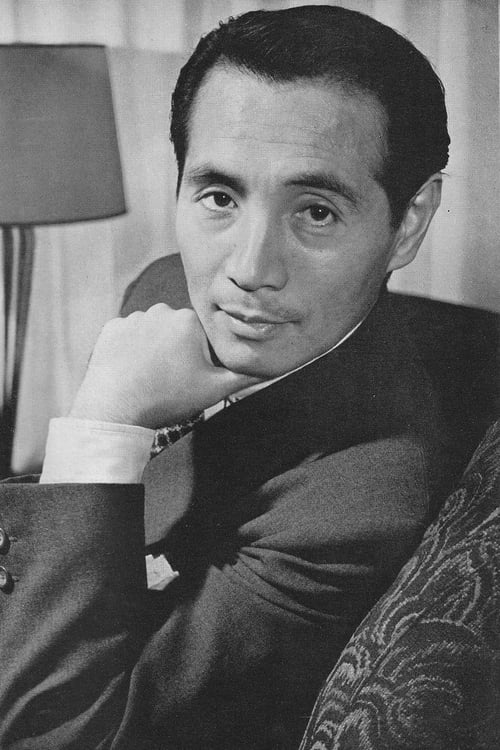
Masayuki Mori

Masayuki Mori

Acting

Biography

​From Wikipedia, the free encyclopedia. Masayuki Mori  (森 雅之 Mori Masayuki, January 13, 1911 – October 7, 1973) Born in Sapporo, Hokkaido prefecture) was a Japanese actor, the son of Takeo Arishima, a Japanese novelist active during the late Meiji and Taishō periods. Mori appeared in many of Akira Kurosawa 's films such as Rashomon and The Idiot. He also starred in pictures by Kenji Mizoguchi (Ugetsu), Mikio Naruse (Floating Clouds) and other prominent directors. Description above from the Wikipedia article Masayuki Mori, licensed under CC-BY-SA, full list of contributors on Wikipedia

Known For

Rashomon
8.0

Four people recount different versions of the story of a man's murder and the rape of his wife.

Rashomon

1950
The Bad Sleep Well
7.7

In this loose adaptation of "Hamlet," illegitimate son Kôichi Nishi climbs to a high position within a Japanese corporation and marries the crippled daughter of company vice president Iwabuchi. At the reception, the wedding cake is a replica of their corporate headquarters, but an aspect of the design reminds the party of the hushed-up death of Nishi's father. It is then that Nishi unleashes his plan to avenge his father's death.

The Bad Sleep Well

1960
Ugetsu
8.0

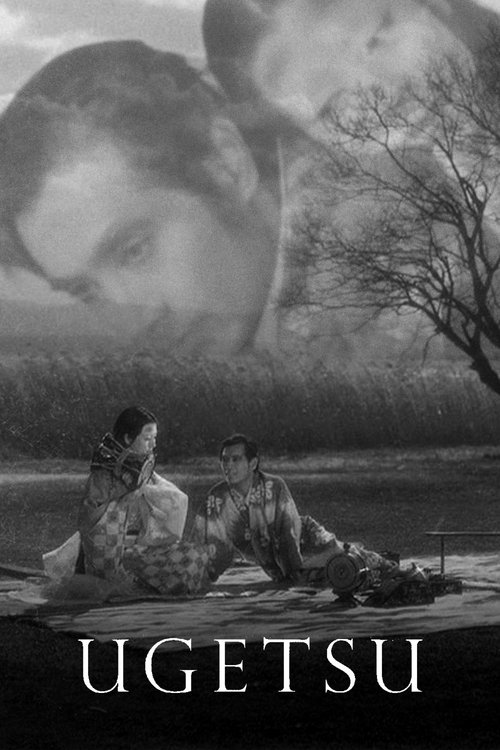
In 16th century Japan, peasants Genjuro and Tobei sell their earthenware pots to a group of soldiers in a nearby village, in defiance of a local sage's warning against seeking to profit from warfare. Genjuro's pursuit of both riches and the mysterious Lady Wakasa, as well as Tobei's desire to become a samurai, run the risk of destroying both themselves and their wives, Miyagi and Ohama.

Ugetsu

1953
When a Woman Ascends the Stairs
8.0

Keiko, whom everyone calls Mama, narrates her story: she's a hostess on the Ginza, 30, a widow. She describes life's vicious cycle: acting cheerful around drunks, dressing and living well to convey confidence, needing money for these expenses and for her demanding mother and brother, and knowing she's growing older.

When a Woman Ascends the Stairs

1960
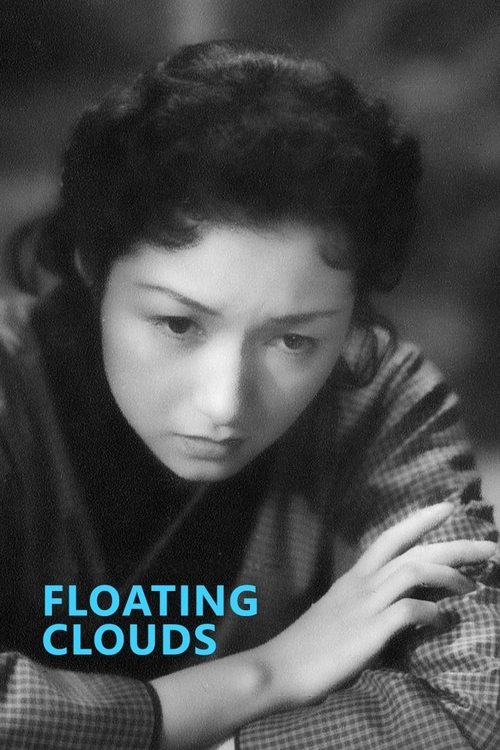
Floating Clouds
7.7

A married Japanese forester during WWII is sent to Indochina to manage forests. He meets a young Japanese typist and promises to leave his wife. He doesn't and after the war, she turns up and the affair resumes.

Floating Clouds

1955
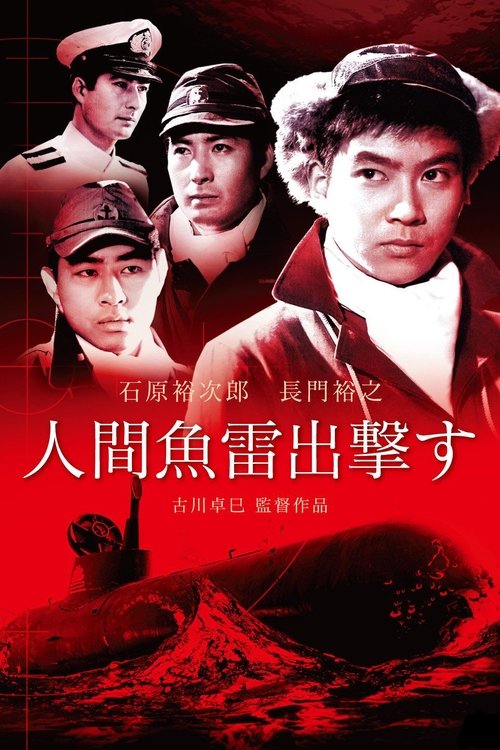
Admiral Yamamoto
8.5

As Japan joins in a political pact with Nazi Germany and fascist Italy, Admiral Isoroku Yamamoto is appointed supreme commander of the Japanese fleet. With Japan headed inexorably toward war, Yamamoto, despite his misgivings, believes the only possible victory lies in destroying the American fleet by surprise at Pearl Harbor. The attack succeeds, but fails to sink the American carrier fleet. Thus Yamamoto must lead the Japanese navy into war with ever-diminishing likelihood of success.

Admiral Yamamoto

1968
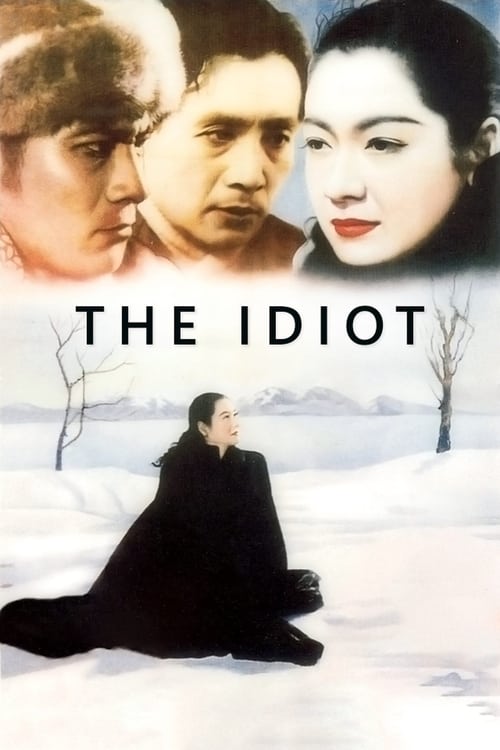
The Idiot
7.0

A gentle, war-shattered ex-soldier, Kinji Kameda, arrives in wintry Hokkaidō and is pulled into a volatile tangle of love and pity between the disgraced Taeko Nasu, the proud Ayako, and his possessive friend Akama. Kameda’s saintly compassion exposes everyone’s wounds, steering the quartet toward jealousy, violence, and inexorable tragedy. Adapted from Dostoevsky’s novel.

The Idiot

1951
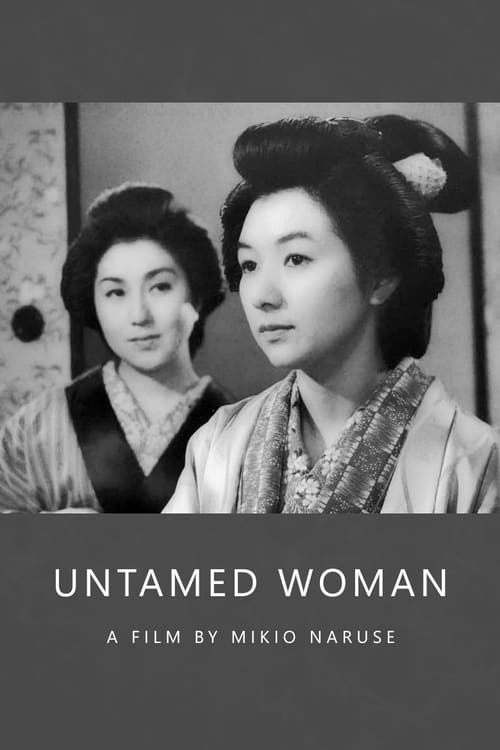
Untamed Woman
7.5

A woman marries, gives birth to a stillborn child, and divorces, falls in love with a hotel-keeper, only to find herself subordinated to his drive for success, takes up with a tailor who cannot console himself with her strong personality.

Untamed Woman

1957
The Men Who Tread on the Tiger's Tail
6.7

A fugitive lord and his six retainers disguise themselves as monks to bluff their way through a hostile checkpoint.

The Men Who Tread on the Tiger's Tail

1952
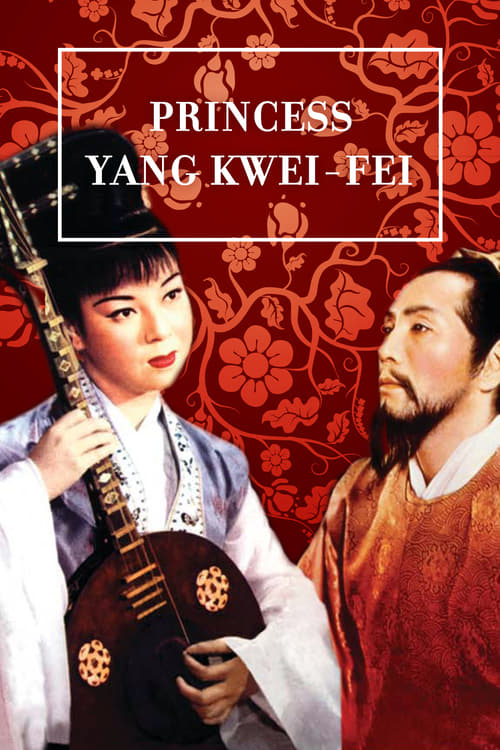
Princess Yang Kwei-fei
6.7

In 8th-century China, the Emperor grieves the death of his wife. The Yang family wants to provide the Emperor with a consort so that they may consolidate their court influence. General An Lushan finds a distant relative working in their kitchen, whom they groom to present to the Emperor. The Emperor falls in love and she becomes the Princess Yang Kwei-fei. The Yangs are then appointed important ministers, though An Lushan is not given the court position he covets.

Princess Yang Kwei-fei

1955
Her Brother
7.1

Set in 1926 when Japanese tradition was much stronger, this drama looks at the inner workings of a small family, especially the relationship between a sister and brother.

Her Brother

1960
Gateway to Glory
8.3

A young man leaves his widowed mother on her improverished farm and makes his career in the Japanese navy.

Gateway to Glory

1969
Sanshiro Sugata, Part Two
6.0

A few years after his breakthrough, Sanshiro resumes his path to judo mastery—testing his discipline against an American prizefighter and later facing vengeful karate brothers. As rival schools and public spectacle push him toward violence, he must reconcile strength with restraint and the true spirit of his art.

Sanshiro Sugata, Part Two

1945
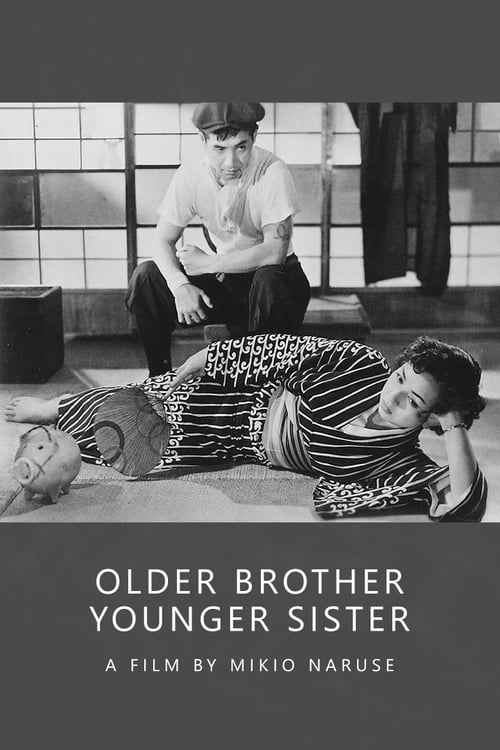
Brother and Sister
6.3

The eldest daughter of a rural family Mon returns home from Tokyo pregnant after an affair with a college student Kobata, which causes a scandal that will threaten the marriage prospects of the younger sister San, in her cash-strapped family. The ill-tempered eldest brother Inokichi decides to take on the role of disciplinarian, with harrowing results.

Brother and Sister

1953
Daughters, Wives and a Mother
7.3

Sanae is left a widow after her prestigious husband dies, but holds the proceeds of a million yen insurance policy. Being childless, her former in-laws have no objection to her return to her own family.

Daughters, Wives and a Mother

1960
Bushido: The Cruel Code of the Samurai
6.8

After a salary-man's fiancée attempts suicide, he recounts his gruesome family history which saw generations of his ancestors suffer and sacrifice themselves for the sake of their cruel lords.

Bushido: The Cruel Code of the Samurai

1963
Those Who Make Tomorrow
10.0

In postwar Japan, two sisters—a film studio script girl and a revue dancer—become swept up in the growing labor movement when workers around them strike for better conditions. As their conservative father opposes their activism, his own dismissal forces him to confront the realities of class struggle and join their fight for a fairer future. Now considered a lost film, Those Who Make Tomorrow was produced by Toho to promote unionization during Japan’s Allied Occupation.

Those Who Make Tomorrow

1946
Zatoichi Goes to the Fire Festival
6.7

The blind masseuse is targeted by the leader of a powerful yakuza group while also fending off a jealous husband bent on revenge. Zatoichi tours Edo's underground via a rousing onsen fight scene, gambling houses and the gender-bending character of Umeji, before a final, flame-filled conflagration.

Zatoichi Goes to the Fire Festival

1970
The Other Woman
6.3

The real mother of the two children of a respectable university professor is not his wife, but his mistress, the hostess of a Ginza bar the family frequents.

The Other Woman

1961
The Ball at the Anjo House
6.9

After Japan's defeat in the war, the Anjo family lose their peerage and wealth. Since their mansion is due to pass into the hands of a creditor, the family holds one last ball before leaving.

The Ball at the Anjo House

1947