FEEL IT.STREAM
Shinobu Hashimoto

Shinobu Hashimoto

Writing

Biography

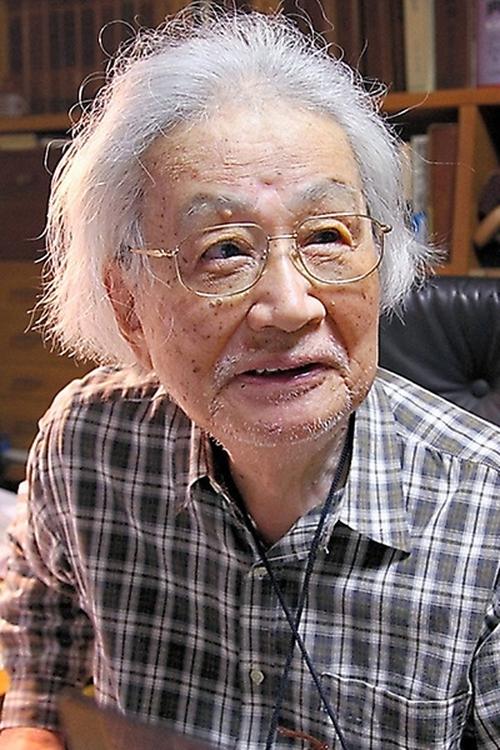
Shinobu Hashimoto (Japanese: 橋本 忍, Hashimoto Shinobu; 18 April 1918 – 19 July 2018) was a Japanese screenwriter, film director and producer. A frequent collaborator of Akira Kurosawa, he wrote the scripts for such internationally acclaimed films as Rashomon and Seven Samurai.

Known For

Seven Samurai
8.5

A samurai answers a village's request for protection after he falls on hard times. The town needs protection from bandits, so the samurai gathers six others to help him teach the people how to defend themselves, and the villagers provide the soldiers with food.

Seven Samurai

1954
Harakiri
8.4

Down-on-his-luck veteran Tsugumo Hanshirō enters the courtyard of the prosperous House of Iyi. Unemployed, and with no family, he hopes to find a place to commit seppuku—and a worthy second to deliver the coup de grâce in his suicide ritual. The senior counselor for the Iyi clan questions the ronin’s resolve and integrity, suspecting Hanshirō of seeking charity rather than an honorable end. What follows is a pair of interlocking stories which lay bare the difference between honor and respect, and promises to examine the legendary foundations of the Samurai code.

Harakiri

1962
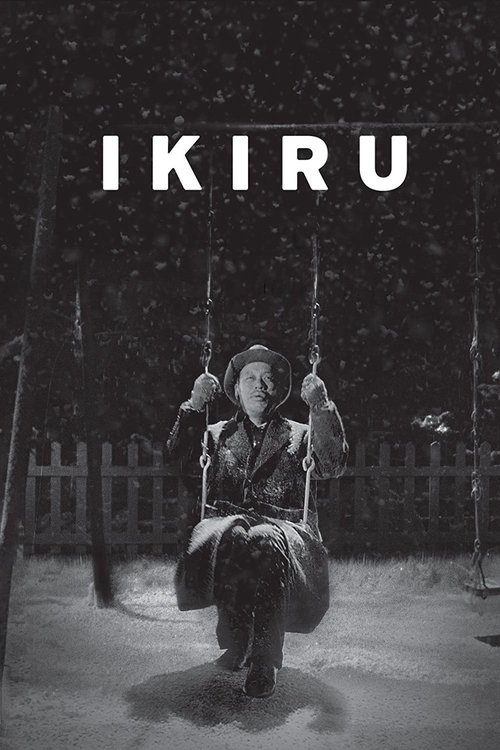
Ikiru
8.3

Kanji Watanabe is a middle-aged man who has worked in the same monotonous bureaucratic position for decades. Learning he has cancer, he starts to look for the meaning of his life.

Ikiru

1952
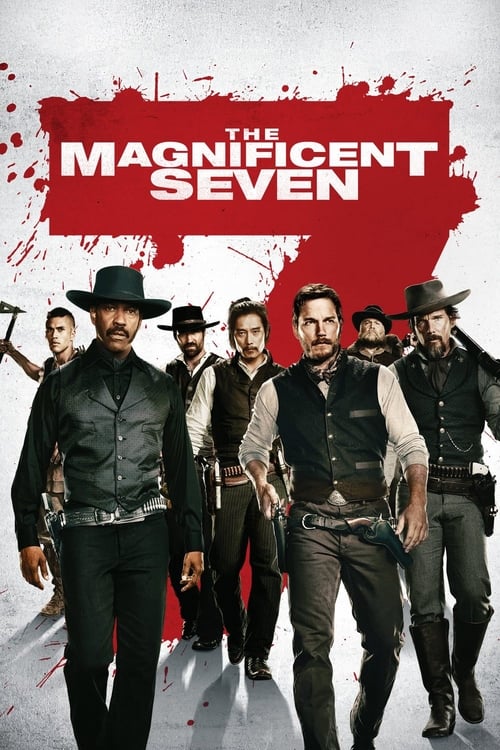
The Magnificent Seven
6.5

Looking to mine for gold, greedy industrialist Bartholomew Bogue seizes control of the Old West town of Rose Creek. With their lives in jeopardy, Emma Cullen and other desperate residents turn to bounty hunter Sam Chisolm for help. Chisolm recruits an eclectic group of gunslingers to take on Bogue and his ruthless henchmen. With a deadly showdown on the horizon, the seven mercenaries soon find themselves fighting for more than just money once the bullets start to fly.

The Magnificent Seven

2016
Rashomon
8.0

Four people recount different versions of the story of a man's murder and the rape of his wife.

Rashomon

1950
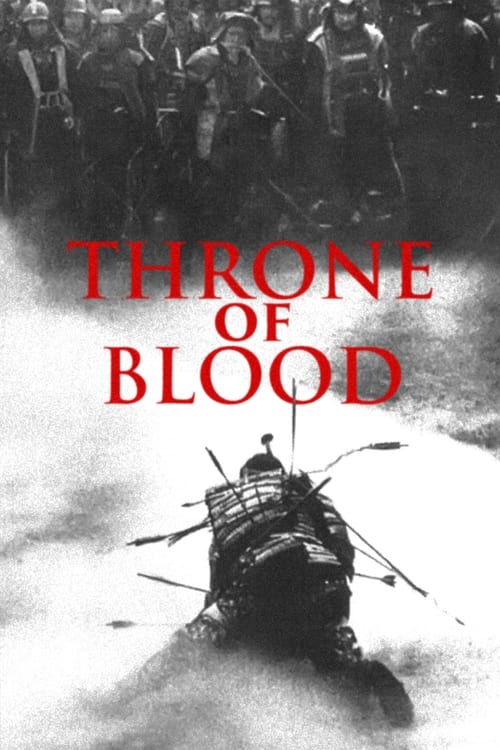
Throne of Blood
7.9

Returning to their lord's castle, samurai warriors Washizu and Miki are waylaid by a spirit who predicts their futures. When the first part of the spirit's prophecy comes true, Washizu's scheming wife, Asaji, presses him to speed up the rest of the spirit's prophecy by murdering his lord and usurping his place. Director Akira Kurosawa's resetting of William Shakespeare's "Macbeth" in feudal Japan is one of his most acclaimed films.

Throne of Blood

1957
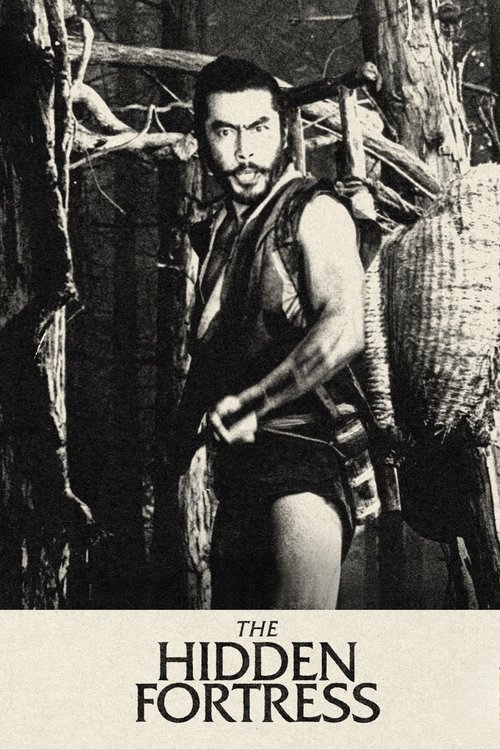
The Hidden Fortress
8.0

In feudal Japan, during a bloody war between clans, two cowardly and greedy peasants, soldiers of a defeated army, stumble upon a mysterious man who guides them to a fortress hidden in the mountains.

The Hidden Fortress

1958
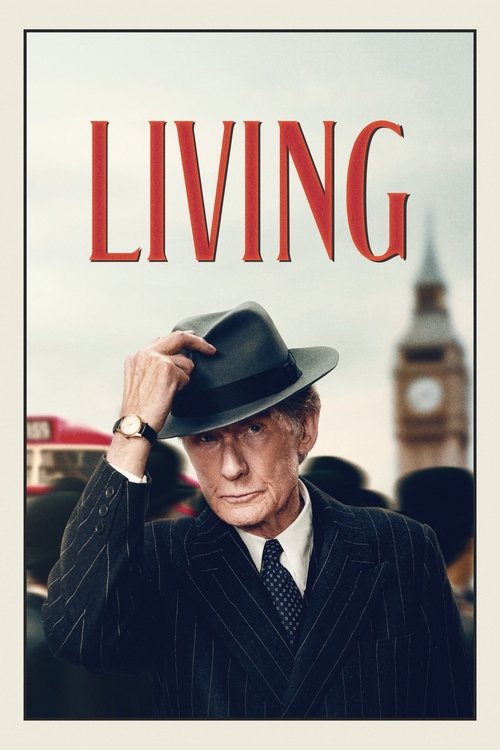
Living
7.0

London, 1953. Mr. Williams, a veteran civil servant, is an important cog within the city's bureaucracy as it struggles to rebuild in the aftermath of World War II. Buried under paperwork at the office and lonely at home, his life has long felt empty and meaningless. Then a devastating medical diagnosis forces him to take stock, and to try and grasp some fulfilment before it passes permanently beyond reach.

Living

2022
Battle Beyond the Stars
5.4

A young farmer assembles a band of diverse mercenaries to defend his peaceful planet from an evil tyrant.

Battle Beyond the Stars

1980
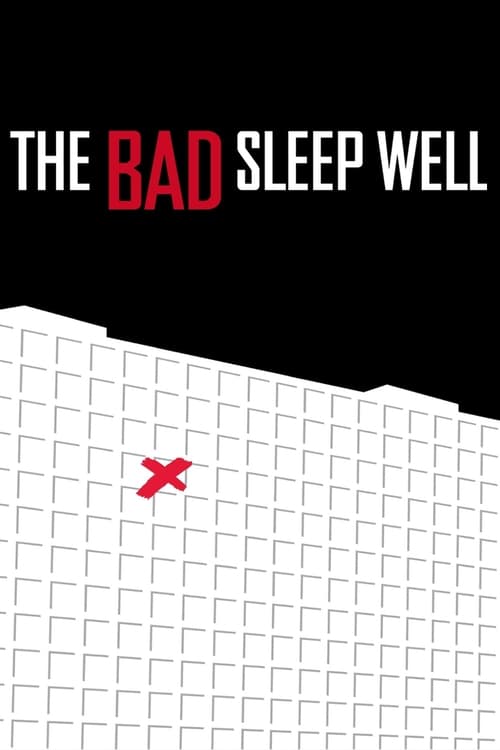
The Bad Sleep Well
7.7

In this loose adaptation of "Hamlet," illegitimate son Kôichi Nishi climbs to a high position within a Japanese corporation and marries the crippled daughter of company vice president Iwabuchi. At the reception, the wedding cake is a replica of their corporate headquarters, but an aspect of the design reminds the party of the hushed-up death of Nishi's father. It is then that Nishi unleashes his plan to avenge his father's death.

The Bad Sleep Well

1960
Hara-Kiri: Death of a Samurai
7.2

A tale of revenge, honor and disgrace, centering on a poverty-stricken samurai who discovers the fate of his ronin son-in-law, setting in motion a tense showdown of vengeance against the house of a feudal lord.

Hara-Kiri: Death of a Samurai

2011
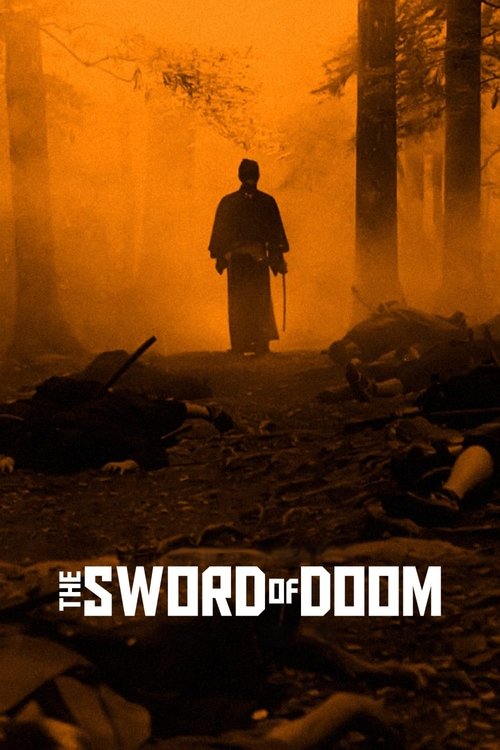
The Sword of Doom
7.7

Ryunosuke, a gifted swordsman plying his trade during the turbulent final days of Shogunate rule, has no moral code and kills without remorse. It’s a way of life that leads to madness.

The Sword of Doom

1966
Tenchu!
6.9

A ronin desperately seeks a way out of financial straits; he allies with the Tosa clan under the ruthless leader Takechi, who quickly takes advantage.

Tenchu!

1969
Admiral Yamamoto
8.5

As Japan joins in a political pact with Nazi Germany and fascist Italy, Admiral Isoroku Yamamoto is appointed supreme commander of the Japanese fleet. With Japan headed inexorably toward war, Yamamoto, despite his misgivings, believes the only possible victory lies in destroying the American fleet by surprise at Pearl Harbor. The attack succeeds, but fails to sink the American carrier fleet. Thus Yamamoto must lead the Japanese navy into war with ever-diminishing likelihood of success.

Admiral Yamamoto

1968
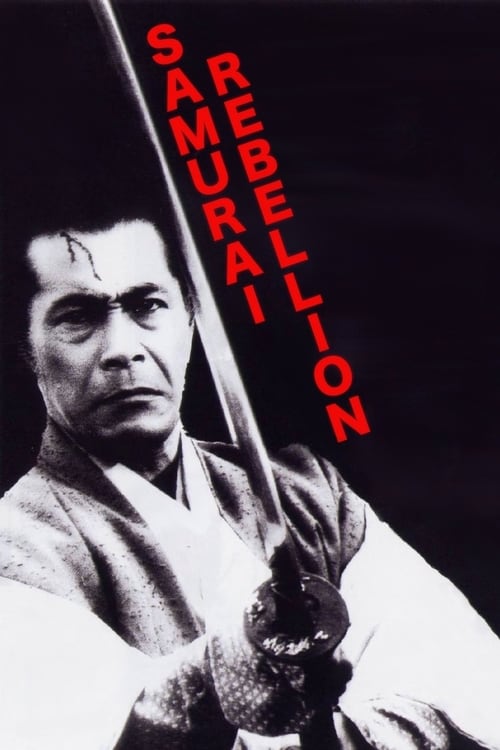
Samurai Rebellion
8.2

The mother of a feudal lord's only heir is kidnapped by the lord. Her husband and his samurai father must decide whether to accept the unjust decision, or risk death to rescue her.

Samurai Rebellion

1967
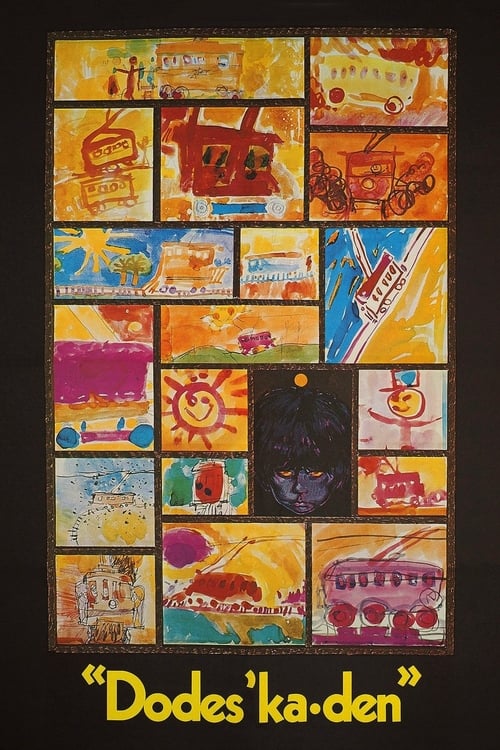
Dodes'ka-den
7.1

On a Tokyo dump’s shantytown edge, interwoven vignettes follow residents scraping by: a boy who “drives” an imaginary trolley, a homeless father and son designing a dream house, a young woman brutalized at home, drunks, schemers, and saints of small kindnesses. Kurosawa crafts a ragged mosaic of hardship, fantasy, and flickers of grace that keep people moving forward.

Dodes'ka-den

1970
Submersion of Japan
7.0

A team of geophysicists investigating seismic activity on the seafloor discover that the islands of Japan, after suffering from massive volcanic eruptions and earthquakes, will be pulled into the ocean, killing millions.

Submersion of Japan

1973
No image
N/A

No description available.

1967
Mount Hakkoda
6.6

Two infantry regiments of the Imperial Japanese Army—210 men overall—tackled Mt. Hakkoda in the winter of 1902 to prepare for war with Russia.

Mount Hakkoda

1977
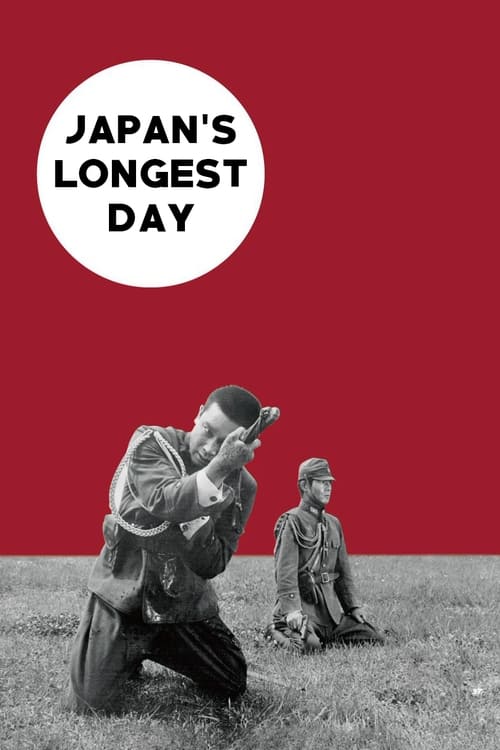
Japan's Longest Day
7.3

Following the detonation of the atomic bombs on Hiroshima and Nagasaki, the Japanese military and the government clash over the demand from the Allies for unconditional surrender. Minister of the Army Anami leads the military officers who propose to fight on, even to the death of every Japanese citizen. Emperor Hirohito, however, joins with his ministers in asking the unthinkable, the peaceful surrender of Japan. When the military plots a coup to overthrow the Emperor's civilian government, Anami must face the choice between his desires and loyalty to his Emperor.

Japan's Longest Day

1967